Everything To Know About Carnivore Diet

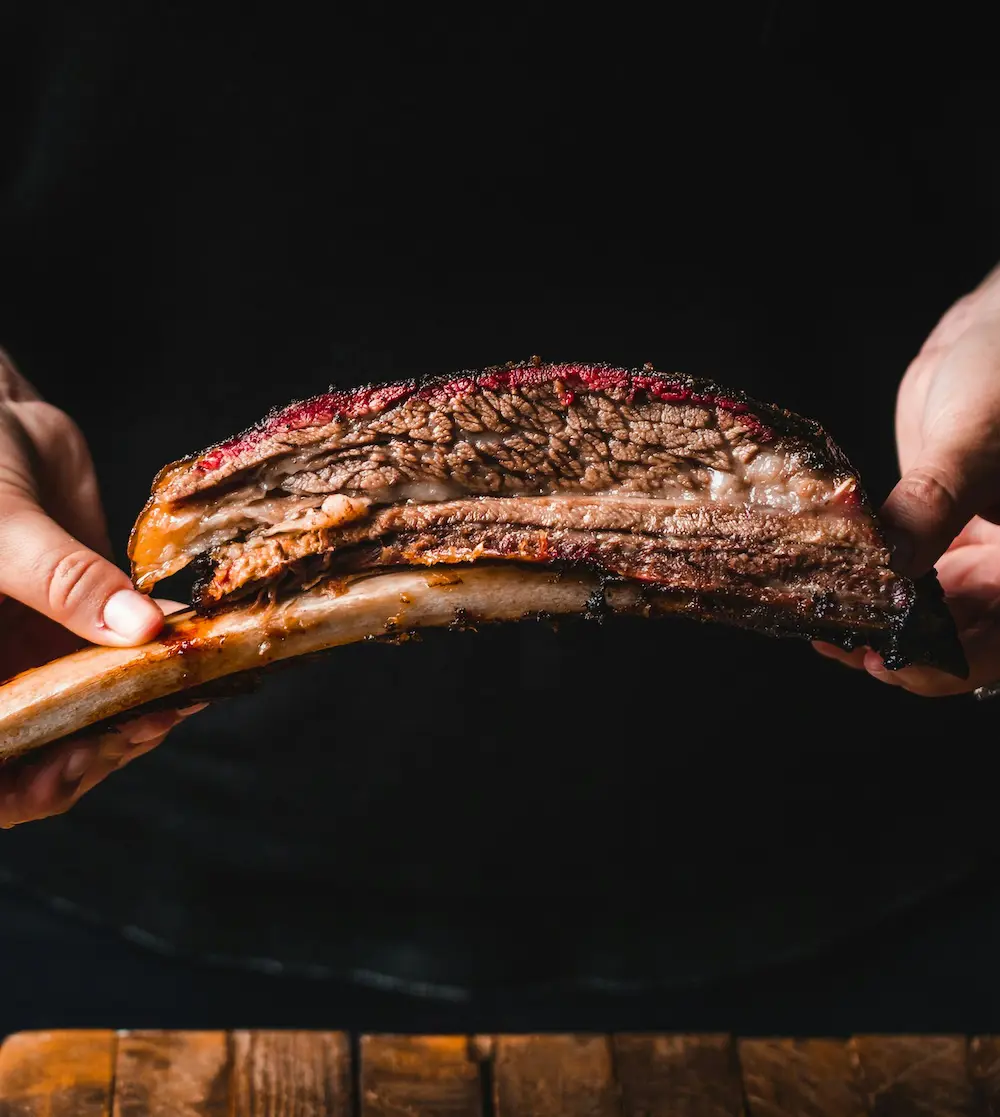
The carnivore diet is an extreme approach to taking meat lovers to a whole new level. It might mimic ancestral eating and other benefits like weight loss and boosted energy.
The diet involves ditching everything including plant-based foods, depending completely on animal products including meat, fish, eggs, and sometimes dairy products. But is a carnivore diet healthy or a recipe for nutritional trouble? Let's explore the meaning, foods, benefits, and drawbacks of the carnivore diet in depth.
What Is A Carnivore Diet?
The carnivore diet is restrictive and includes only meat, fish, and other animal foods like eggs and certain products. This diet excludes all foods, including fruits, leafy green vegetables, legumes grains, nuts, and seeds.
When you follow a proper Carnivore diet, a person solely relies on animal products to meet all or most of their regular nutritionary needs. By cutting all carbs, your body will burn fat for energy and other claims to help fight inflammation and improve mental health.
Other popular low-carb diets, like keto and paleo diets, limit but don't exclude carbs, whereas the carnivore diet aims for zero carbs.
Carnivore Foods To Eat And Avoid

The carnivore foods included in the diet are mainly animal-based including meat, fish, and other animal products excluding grains, fruits, legumes, and green vegetables. These foods mimic the ancestral human way of eating and offer potential health benefits.
The carnivore diet foods mainly include beef, chicken, pork, fish, lamb, turkey, organ meats, salmon, white fish, heavy cream, butter, hard cheese, and bone marrow. They encourage drinking water and bone broth but discourage drinking tea, coffee, and other drinks made from plants.
Foods To Eat
People follow Carnivore diet foods to get most of their calories from animal-based foods. Although there are several versions of the Carnivore diet, most people follow this eating pattern primarily consuming animal foods such as;
- Meat: Beef, Chicken, Turkey, Lamb, Pork, Duck, Bison, Steak, etc.
- Organ Meats: Liver, Kidney, Intestine, Sweetbread, Tripe, Heart, Brain
- Fish: Salmon, Mackerel, Crab, Lobster, Sardiness, Tilapia, Herring, etc
- Other Animal products: Whole eggs, egg yolks, lard, bone marrow, bone broth, etc.
- Low-Lactose Dairy: Heavy cream, hard cheese, butter, full-fat yogurt
Foods To Avoid
Even though the restrictive version of the carnivore diet exists, the following foods are usually avoided completely by those people following the carnivore diet;
- Fruits: Berries, Apple, Grapes, Avocados, Banana, and Peaches
- Vegetables: Potatoes, Zucchini, Broccoli, Cauliflower, Green beans, peppers, etc.
- High Lactose Dairy: Milk, Yogurt, Soft Cheese
- Legumes: Beans, Lentils, etc.
- Nuts and Seeds: Almonds, cashews, peanut butter, Pumpkin seeds, Pistachios, etc
- Grains: Rice, wheat, quinoa, pasta, etc.
- Snack Foods and Sweets: Cookies, chips, ice cream, cakes, and candy.
- Sugary Beverages: Juice, Soda, Sweetened coffee drinks, and energy drinks.
How Does The Carnivore Diet Work?

When you eat carbohydrates, your body turns them into glucose to use for energy production while the extra amount is stored in your muscles and liver, later converted to fat.
When you don't eat carbohydrates, your body turns fat into ketones to use for energy. It is said by cutting the carbs, you will speed fat burning and weight loss and you feel fuller for a longer period.
Taking this carnivore diet means you need to cut inflammatory foods like french fries, doughnuts, and pasta, which means that having the carnivore diet might help reduce inflammation.
How To Follow the Carnivore Diet
Following the diet involves restriction the plant-based foods from your diet and exclusively eating meat products and small amounts of low-lactose dairy products.
These foods including beef, chicken, pork, lamb, and salmon, and small heavy cream, butter, and hard cheese are allowed to eat when you are on a diet. These foods emphasize eating fatty cuts of meat to reach your daily energy needs and organ meat such as liver to ensure intake of vitamins low in other meal cuts.
Also, this diet encourages drinking water and bone broth but discourages beverages like tea, coffee, and other drinks made from plants.
Benefits Of Carnivore Diet

Every diet has its advantages and disadvantages. Some diets fit certain lifestyles or body types better than others. Therefore It is crucial to keep your lifestyle and tastes in mind when you choose to eat.
The carnivore diet claims to promote weight loss along with other supposed benefits including improving heart health, autoimmune issues, blood sugar control, and more strength and endurance. Here are some of the potential health benefits of a carnivore diet mentioned below:
1. May Help In Weight Loss
The carnivore diet eliminates many foods and beverages implicated in weight gain, including ultra-processed foods and added sugar.
Following the carnivore diet makes you feel fuller for longer periods, therefore reducing food carvings as the calories you get from meats take longer to break down.
Also, this diet helps increase the body fat metabolism while cutting out carbs, where your body uses the fat you eat and the fat stored in your body for energy.
2. Increased Insulin Sensitivity
Eating a carnivore diet eliminates the root cause of insulin resistance by eating too many carbs.
When you eat lots of carbs, most enter your body as glucose through the bloodstream. Then your body secretes the hormone insulin, responsible for moving glucose into your cells where it's either used as energy or stored as fat.
Insulin resistance occurs when eventually your cells stop responding to insulin and blood sugar remains high.
3. Improves Gut Health
The integrity of the lining of your gut is a tight barrier in the healthy gut. But when it's compromised, molecules can leak into your bloodstream.
A well-formulated carnivore diet is loaded with gut-healthy compounds like glutamine, collagen, and omega-3 fatty acids, which help strengthen and repair your gut lining.
4. Produces More Energy
Animal products are considered a dense source of nutrients like iron, zinc, and vitamin B, crucial for energy metabolism and production. These nutrients are crucial in producing energy molecules in the body's cells.
5. Improved Mental Clarity
Systematic inflammation affects the complex system of neurotransmitters circulating from the microbiome in your gut to your brain. This diet promotes mental clarity by improving gut health and cutting out inflammatory foods like sugar and seed oils.
Stable blood sugar levels and reduced inflammation may contribute to the perceived increase of mental energy in the body.
6. Simplified Dieting
Though the carnivore diet is considered controversial in some circles, one thing can't be debated, it is as easy as the diet gets. The rules are clear, eat animal products such as meat, fish, eggs, and certain dairy products, while avoiding all other foods
If you feel hungry and eat animal foods, no need to count your calories. This diet drastically reduces food choices by focusing almost exclusively on animal products. This simplification destroys the need for complex meal planning and decision-making about what to eat.
Carnivore Diet Side Effects

Carnivore Diets have several benefits within them and with benefits the disadvantages also will be there due to its highly restrictive nature and complete elimination of major food groups.
Despite its benefits, due to the higher fat content in animal food, it might not be easier to say if the carnivore diet is safe or not. There are certain disadvantages it carries which are mentioned below:
1. High Fat, Cholesterol, And Sodium
Being completely dependent on animal foods, these foods can be highly saturated and contain abundant cholesterol. Consuming high amounts of saturated fat on the carnivore diet may be a concern as it may raise your bad cholesterol, which might increase your risk of heart disease.
Also, excess eating of these foods can lead to excess sodium intake, linked to an increased risk of high blood pressure, kidney disease, and other negative health concerns.
2. Might Lack Micronutrients And Plant Compounds
The carnivore diet eliminated highly nutritious fruits, vegetables, legumes, and whole grains, which contain beneficial vitamins and minerals.
While meat is nutritious and provides many macronutrients, following a restrictive diet like the carnivore may lead to deficiencies in some nutrients and overconsumption of others.
Also, excluding plant-based foods, that are rich in plant-based compounds, which act as an antioxidant in the body might not be found in carnivore diet.
3. Lacks Fiber
Fiber is a non-digestible carb that promotes gut health and healthy bowel movements, which is mostly found in plant-based foods. It is incredibly crucial for the proper balance of bacteria in your gut.
The carnivore diet contains no fiber, which as a result might lead to constipation as a side effect when overconsumed.
4. May Not be Suited For Some People
The carnivore diet has extreme restrictions on plant-based foods, leading to deficiencies in fiber, vitamins, minerals, and phytonutrients crucial for overall health. Also, it may lack variety and be socially challenging.
Higher intake of saturated fats and cholesterol could create risks for heart disease and long-term sustainability remains unclear. Those who have certain medical conditions need to avoid this diet.
5. Increased Risk Of Heart Disease
The carnivore diet can lead to an increased risk of developing heart disease as it prioritizes highly saturated foods such as fatty steaks, which can raise cholesterol levels.
Recent posts
Nutrition

Nutrition
Can You Eat Squash Skin? Health Benefits and Cooking Tips
Squash is a versatile vegetable that comes in many shapes, sizes, and colors. From butternut squash to acorn squash and zucchini, it’s a staple in many kitchens. The answer depends on the type of squash, its maturity, and how it’s prepare...
Nutrition
Can You Eat Kiwi Skin? Benefits, Risks, and Tips
The kiwi fruit, with its vibrant green flesh and tiny black seeds, is a favorite in fruit salads, smoothies, and desserts. But many people peel it before eating, leaving behind its fuzzy brown skin. The question arises: can you eat kiwi skin? Wh...

Nutrition
Licorice Root: Benefits And Uses
You can spell it liquorice or licorice; this herb or root has been in use for centuries in most medicinal applications, as a natural sweetener and to enhance flavors. Regarding its origins, it comes from the root of the "Glycyrrhiza galbre" plant and...

Nutrition
Is Salmon Good For You? Nutritional Facts and Benefits
Salmon fish is a staple diet throughout the world, popular as a super food for its nutrients. Whether savored in sushi, poached, grilled, roasted, or pan-fried, salmon offers minerals and vitamins that contribute to healthy bodily functions. In addit...

Nutrition
25 Smoked Salmon Recipes That You Will Enjoy
Salmon is a silver-colored fish that is loaded with many nutrients, vitamins, and omega-3 fatty acids. Smoked Salmon is better for improving your health and reducing the risk of cancer, heart-related diseases, fights inflammation, reduces anxiety and...

Nutrition
Are Sausages Healthy? Nutrition And Health Benefits
Sausages are tasty in an addictive way, making them one of the most popular foods worldwide. You may have enjoyed this convenient food often, whether on a bun with mustard or grilled on a barbecue, the simple preparation methods are what makes its co...