20 High Fiber Fruits To Enhance Your Diet

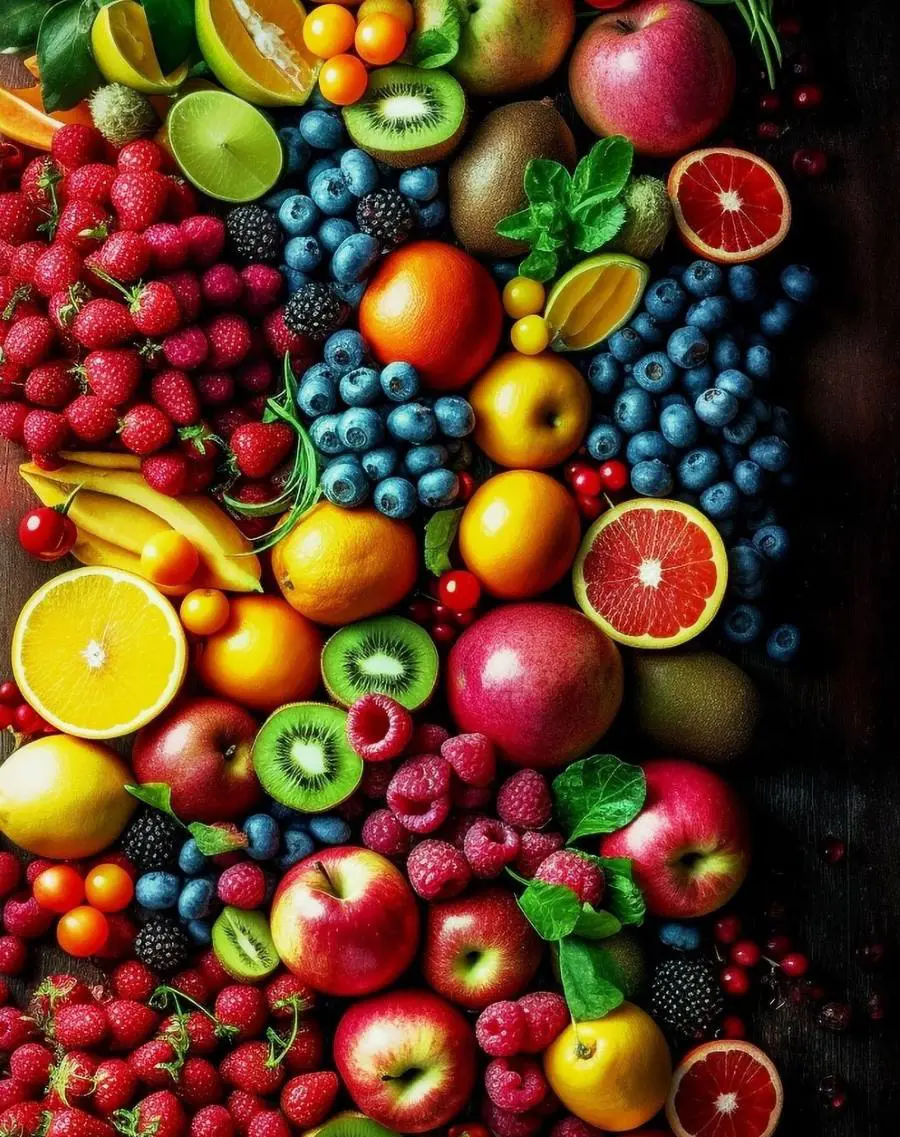
Indulging in high-fiber fruits is a delightful and nutritious way to fulfill your daily fiber requirements. Certain fruits pack such a punch of fiber that the levels might surprise you; take passion fruits, for example, delivering a whopping 88% of the daily value (DV) per cup.
Fiber has various health benefits, from supporting regulatory and digestive health to significantly lowering the risk of heart disease, colon cancer, and other serious conditions. Check out the following list of 20 high-fiber fruits to effortlessly boost your daily fiber intake.
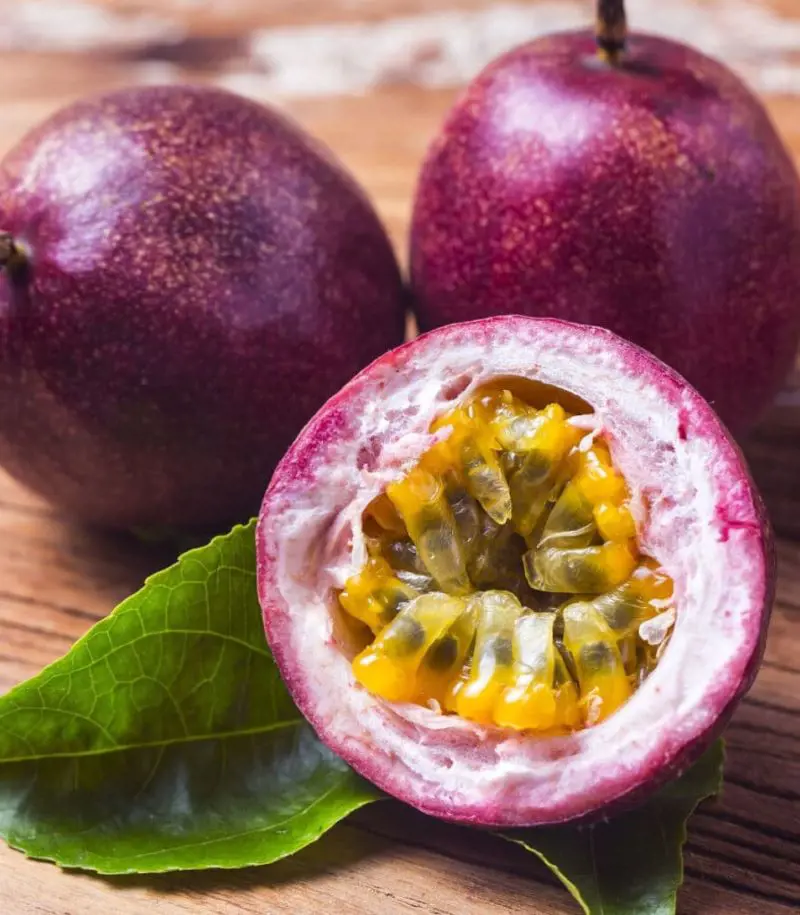
1. Passion fruit
- Serving size: 1 cup (236 grams)
- Fiber content: 24.5 g
- DV: 88%
Passion fruit, a tropical fruit native to South America, is low in calories and fat but rich in vitamin C and dietary fiber. It usually features a thick yellow or purple skin and is filled with yellow fleshy, edible seeds that offer a delightful combination of sweet and tart flavors.
The versatility of passion fruit extends beyond just eating it fresh; its juice is a popular choice. Additionally, many people enhance their dessert recipes by adding passion fruit to pastries and other baked goods, turning it into a delicious ingredient.
2. Guava
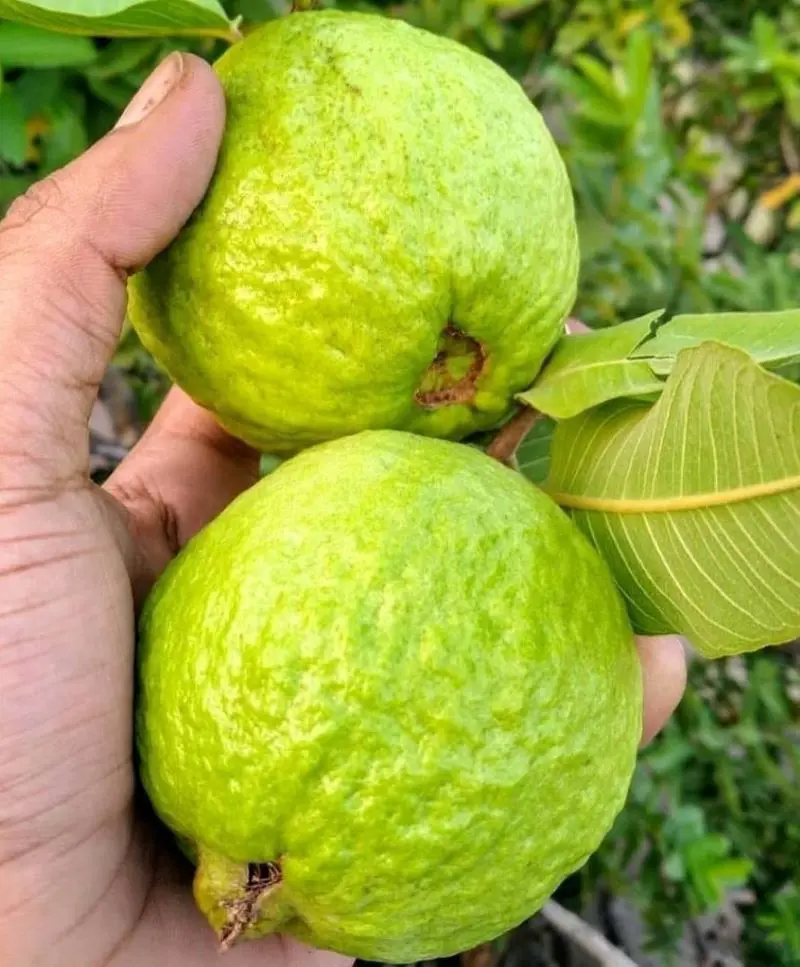
- Serving size: 1 cup (165 g)
- Fiber content: 8.91 g
- DV: 32%
Guavas not only provide a high amount of fiber but also serve as a rich source of folate, potassium, vitamin A, and vitamin C. Available in a variety of colors, including yellow, red, and purple, this common tropical fruit offers a diverse range of nutritional benefits.
In many countries, guava is enjoyed raw, often like an apple. It is also consumed with a touch of salt, pepper, cayenne powder, or a blend of spices. Guava juice is popular in many regions, and the fruit usually finds its way into refreshing fruit salads.
3. Avocado
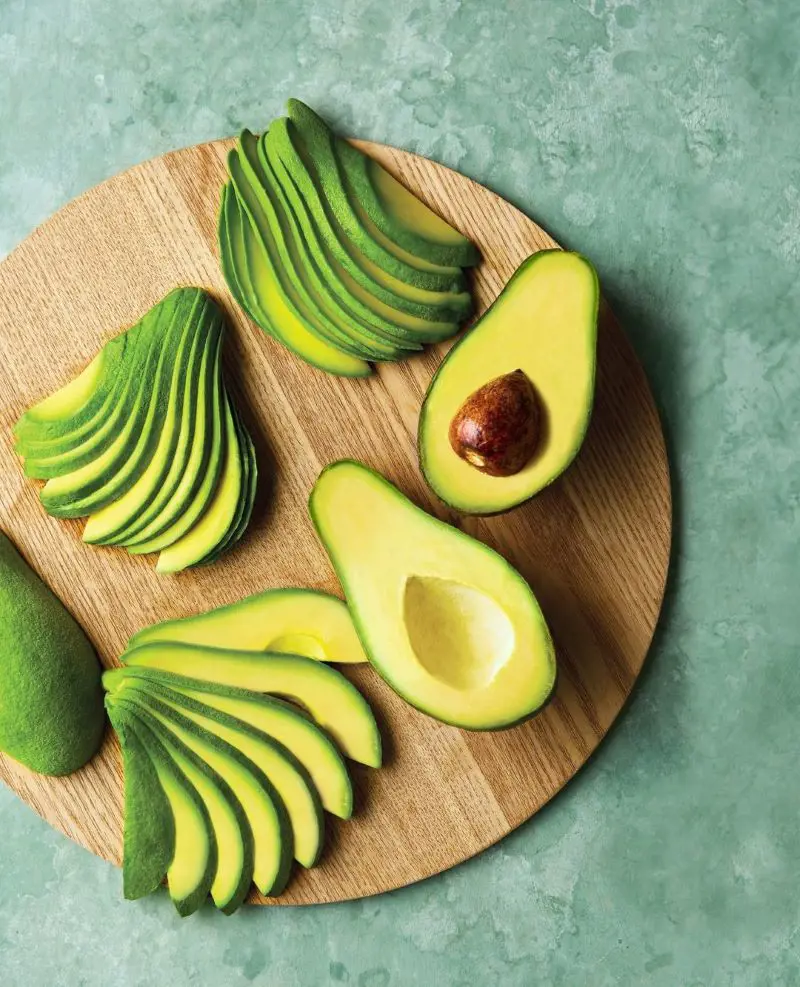
- Serving size: 1 cup (146 g)
- Fiber content: 9.78 g
- DV: 35%
Avocados are versatile, creamy fruit that offers a minimal amount of sugar and plenty of nutrients, such as potassium, omega-3s, and vitamins C, E, and K, along with dietary fiber. They also serve as a rich source of carotenoids and phytosterols, such as zeaxanthin and lutein.
They can be a nutritious addition to any meal. Whether enjoyed fresh, tossed in salads, blended into smoothies or scrambled eggs, or used as a substitute for ingredients like mayo or sour cream, avocados offer versatile and healthy options.
4. Blackberries
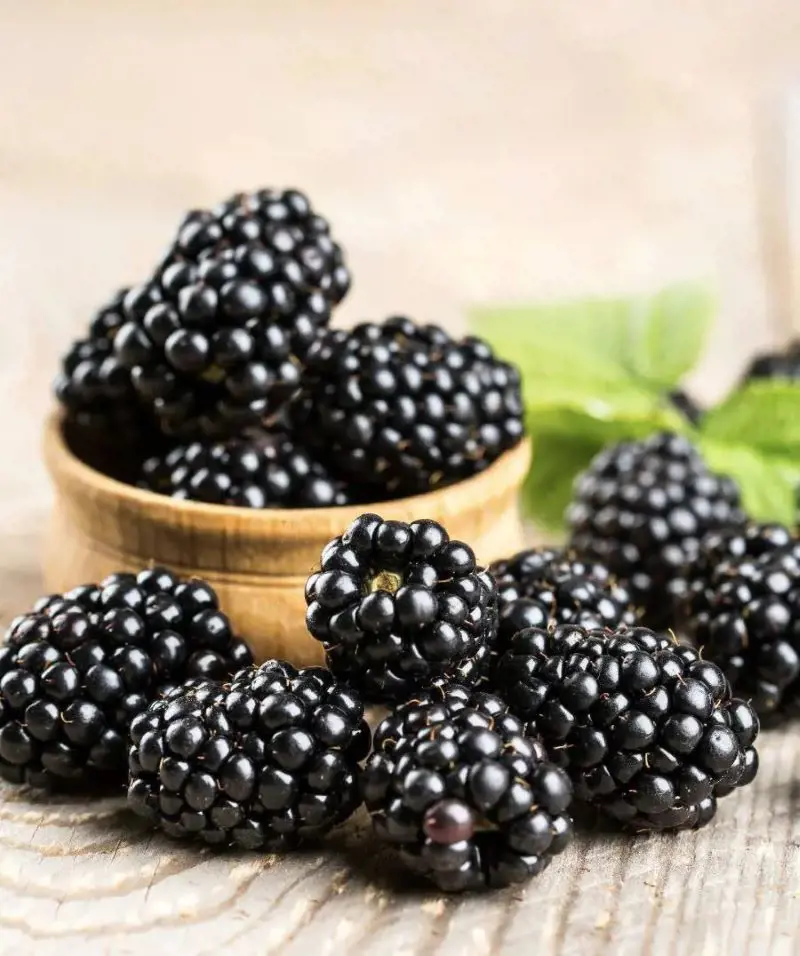
- Serving size: 1 cup (144 g)
- Fiber content: 8 g
- DV: 32%
Blackberries stand out as one of the highest-fiber fruits. They also serve as good sources of vitamin C, vitamin K, and minerals like manganese. Once considered a seasonal delight, these tiny berries are now available year-round in grocery stores.
The ripe fruit is generally used in jams, jellies, desserts, wine, and liqueurs. They can be mixed with other berries and fruits to create delectable pies and crumbles. Additionally, blackberries are used in the production of candy.
5. Raspberries
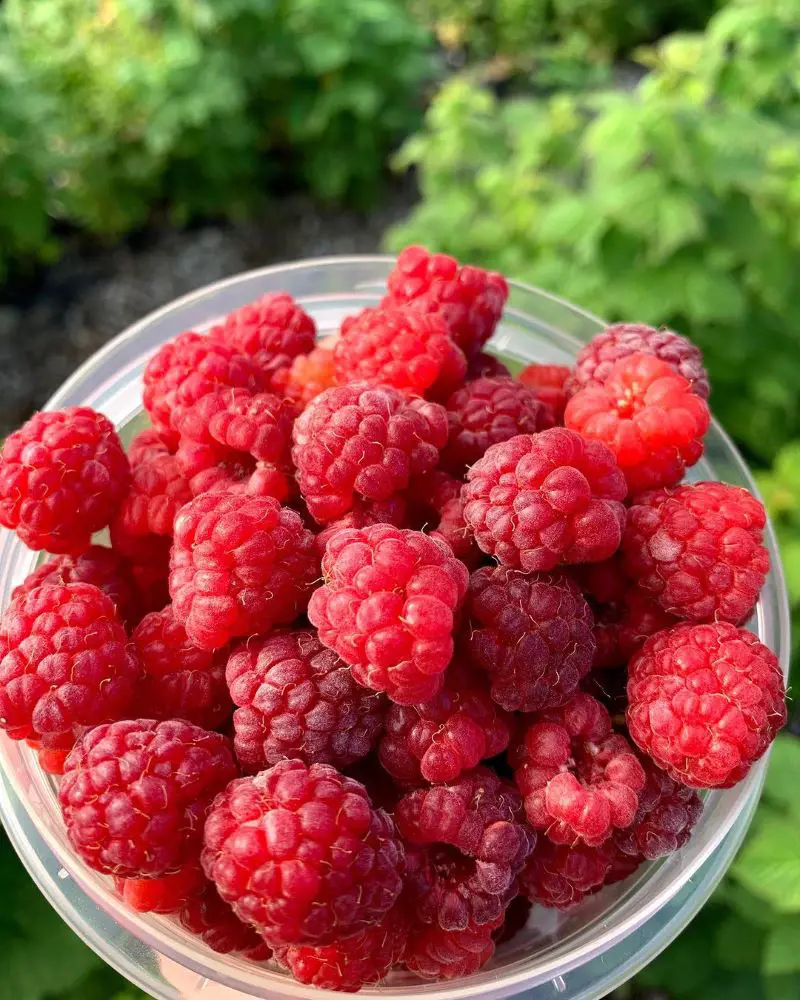
- Serving size: 1 cup (123 g)
- Fiber content: 8 g
- DV: 32 %
Offering 8 grams of dietary fiber per cup, raspberries tie with blackberries as one of the high-fiber fruits. Available in a range of colors, from the popular red and black to yellow, purple, or golden, each variety presents a unique combination of vitamins and minerals.
Raspberries are cultivated for both the fresh fruit market and commercial processing. They come in various forms, including fresh, frozen, and freeze-dried, or as an ingredient in jams, jellies, and syrups.
6. Persimmon
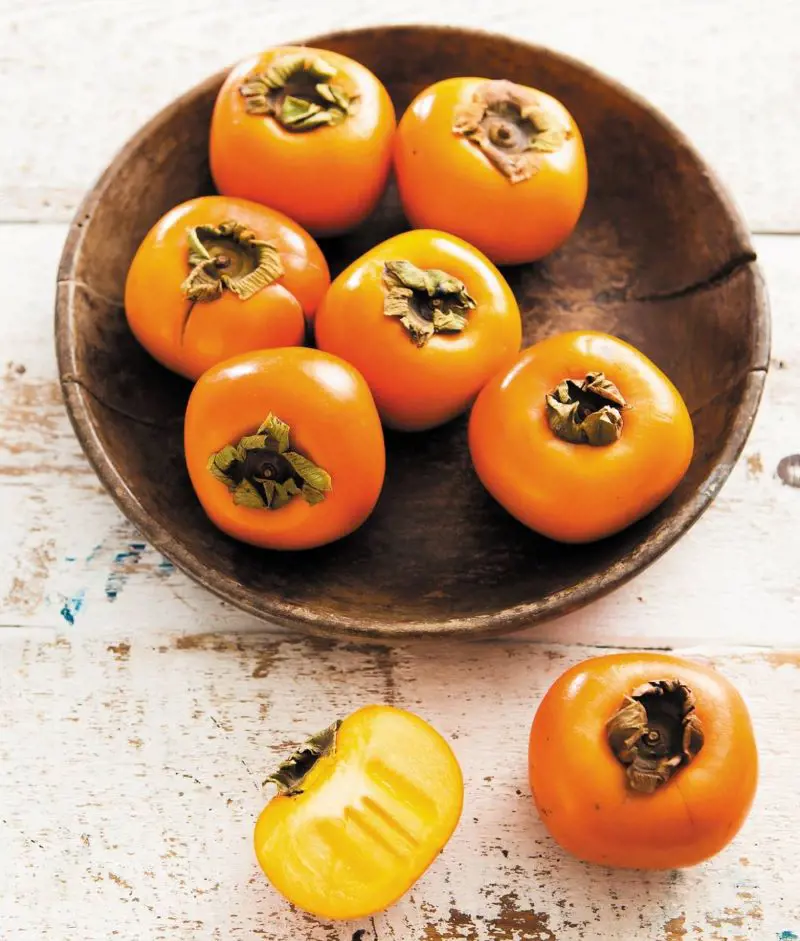
- Serving size: 1 fruit (170 g)
- Fiber content: 6.12 g
- DV: 22%
Persimmons surpass apples in levels of dietary fiber and certain dietary minerals. However, they aren't a major source of micronutrients overall, except for manganese (17% of the DV) and provitamin A beta-carotene (10% DV) per 100-gram serving.
Persimmons are enjoyed in various ways -fresh, dried, raw, or cooked. When consumed fresh, they're often eaten whole in bite-size slices, much like an apple. Some may choose to peel them, although the skin is edible.
7. Pomegranate
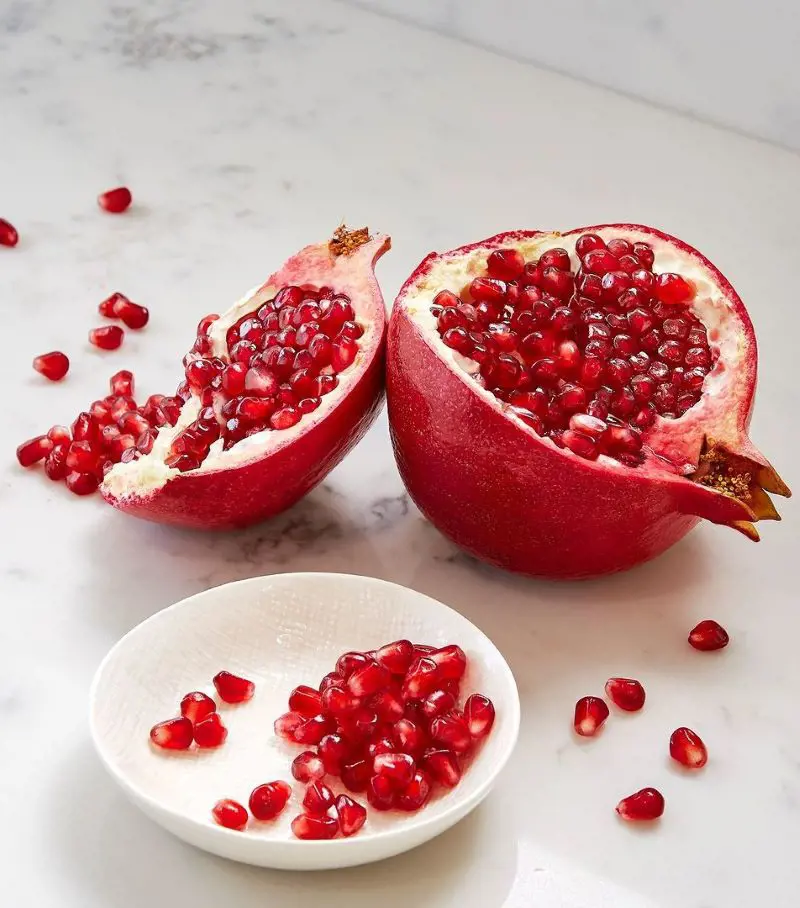
- Serving size: 1 cup of seeds (174 g)
- Fiber content: 7 g
- DV: 25%
The raw pomegranate's edible portion consists of 78% water, 19% carbohydrates, 2% protein, and 1% fat. Pomegranate seeds stand out as a rich source of dietary fiber, with all the fiber contained within the edible seeds.
Ripe pomegranate seeds offer a sweet, tangy, and refreshing taste. They can be tossed into green or fruit salads, sprinkled on yogurt or oatmeal, added to smoothies or juice, or incorporated into sangria, cocktails, or mocktails for an extra burst of flavor.
8. Kiwi
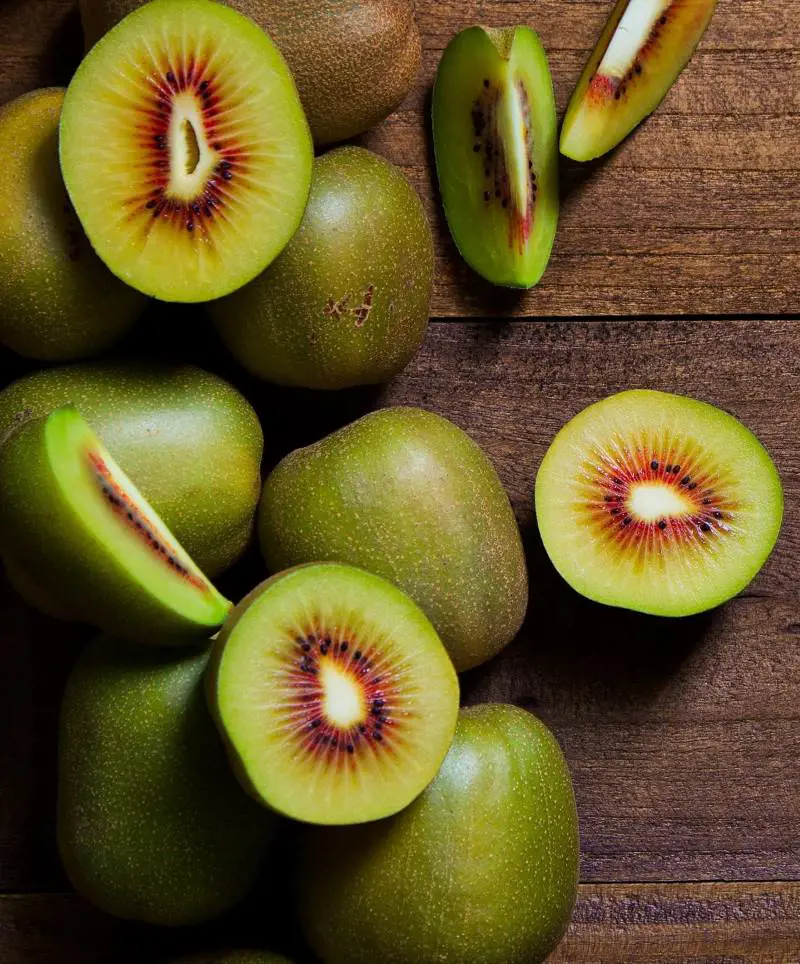
- Serving size: 1 cup, sliced (180 g)
- Fiber content: 5 g
- DV: 20%
Fuzzy brown on the outside and usually bright green on the inside, kiwis offer a delightful combination of both sweet and tart flavors. They are especially high in vitamin C (112% DV per 100 g) and vitamin K (38% DV) and have a moderate amount of vitamin E (10% DV).
This tasty berry also provides traces of calcium and phosphorus, essential for keeping your bones healthy and potentially preventing osteoporosis. Kiwi makes for a wholesome snack, easily fits into lunch boxes, and adds a flavorful twist to sweet dishes and salads.
9. Blueberries
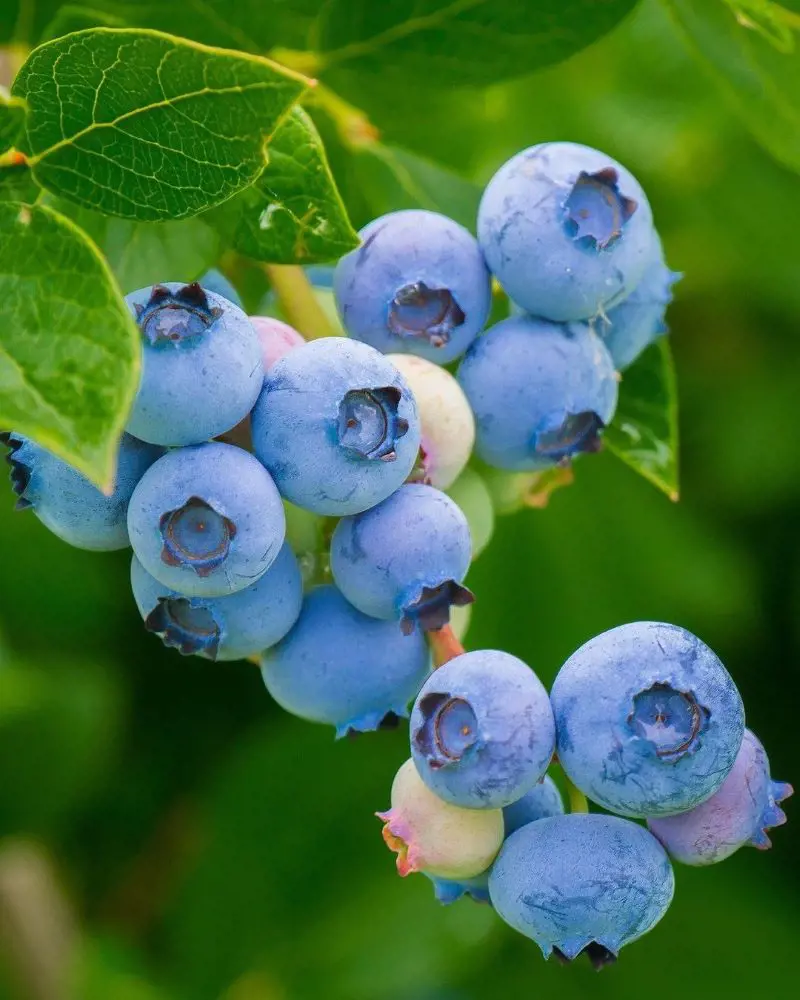
- Serving size: 1 cup (148 g)
- Fiber content: 4 g
- DV: 14% DV
A handful of blueberries provides a good amount of fiber and has moderate levels of essential minerals like manganese, along with vitamins C and K. They also contain anthocyanins, polyphenols, and various phytochemicals.
Blueberries are available fresh or in various processed forms like individually quick frozen (IQF) fruit, juice, puree, dried, or infused berries. These may be later used in an array of consumer goods, from jellies, pies, muffins, and jams to snack foods, pancakes, and breakfast.
10. Pear
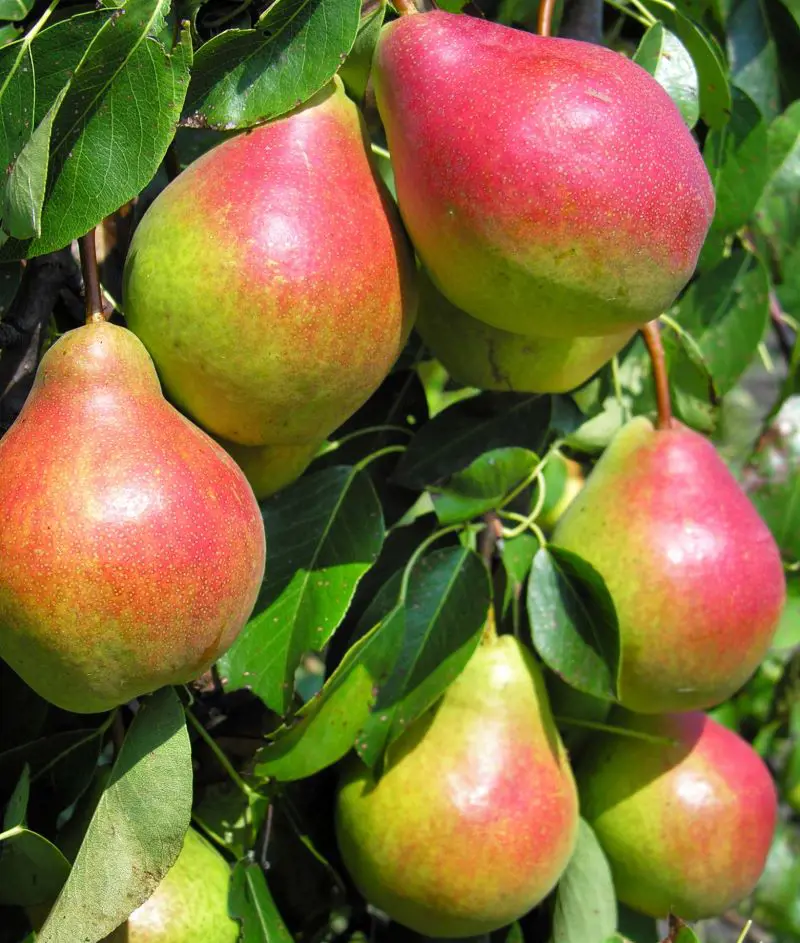
- Serving size: 1 cup, cubes (161 g)
- Fiber content: 5 g
- DV: 20%
A raw pear is composed of 84% water and 15% carbohydrates, with a negligible amount of protein and fat. They have a moderate amount of dietary fiber but lack significant amounts of other essential nutrients.
Pears are enjoyed in various forms -fresh, canned, as juice, and even dried. Their juice is also used in jellies and jams, often blended with other fruits like berries. Fermented pear juice goes by the name perry or pear cider, which is made in a process similar to making apple cider.
11. Apricot
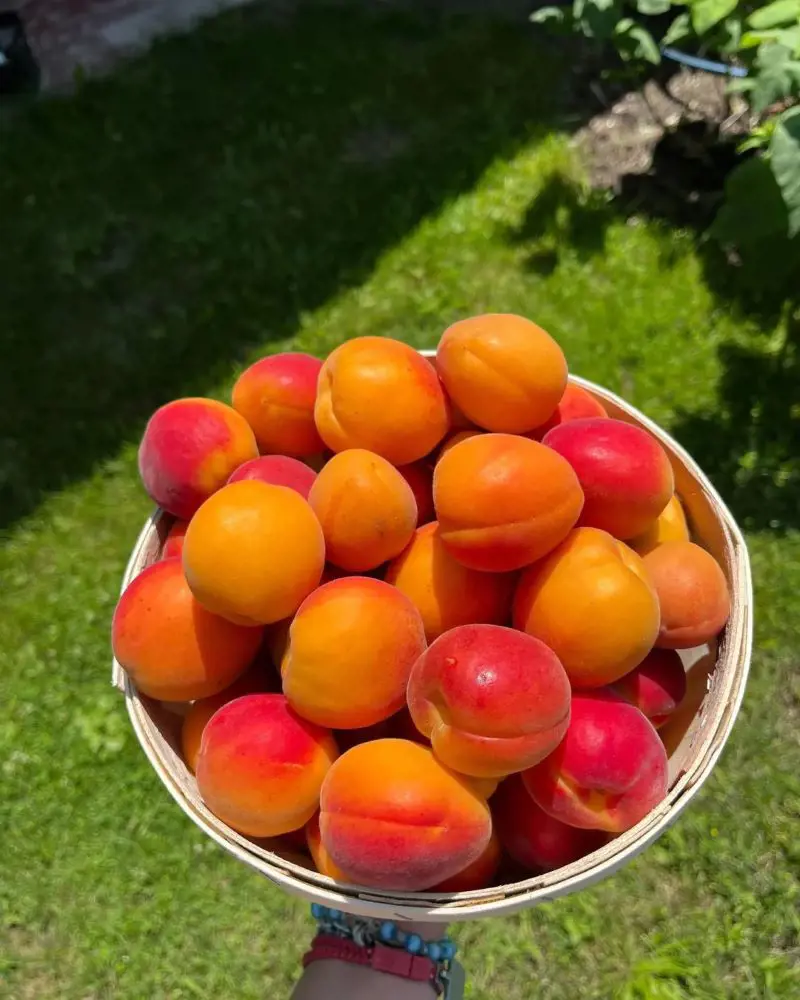
- Serving size: 1 cup, sliced (165 g)
- Fiber content: 3.3 g
- DV: 13%
Round and yellow, apricots resemble smaller peaches but pack the tartness of purple plums. Raw apricots offer a moderate dose of vitamins A and C, along with phytochemicals like polyphenols and beta-carotene.
Dried apricots are available year-round and are loaded with nutrients and fiber. However, they have more calories than fresh fruits and might contain extra sugar or preservatives. Turkey is the world's largest producer of dried apricots.
12. Mango
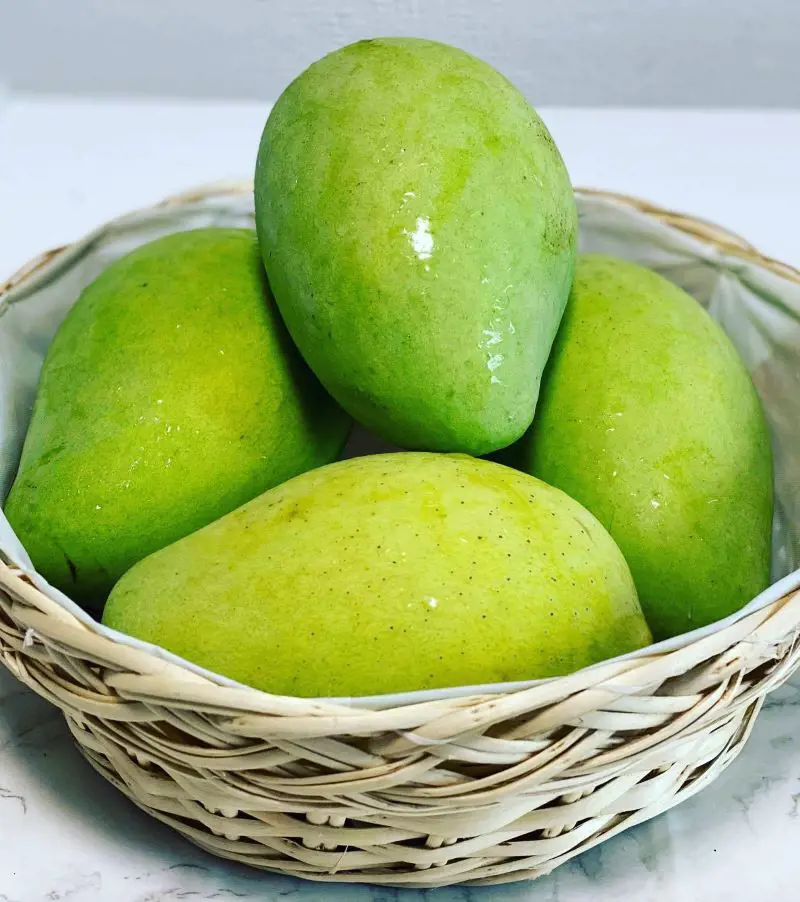
- Serving size: 1 cup pieces (165 g)
- Fiber content: 2.6 g
- DV: 10%
Mangos, originally from Asia, have won hearts worldwide as one of the most beloved fruits. Apart from their natural sweetness, mangos also boast anti-inflammatory properties, potentially lowering the risk of certain conditions.
Every part of a mango from the flesh, skin, and pit everything is edible. Even though people often peel mangoes due to their tough and bitter skin, it's edible. While not as sweet as the flesh, the skin adds fiber and other nutrients to the mix.
13. Strawberries
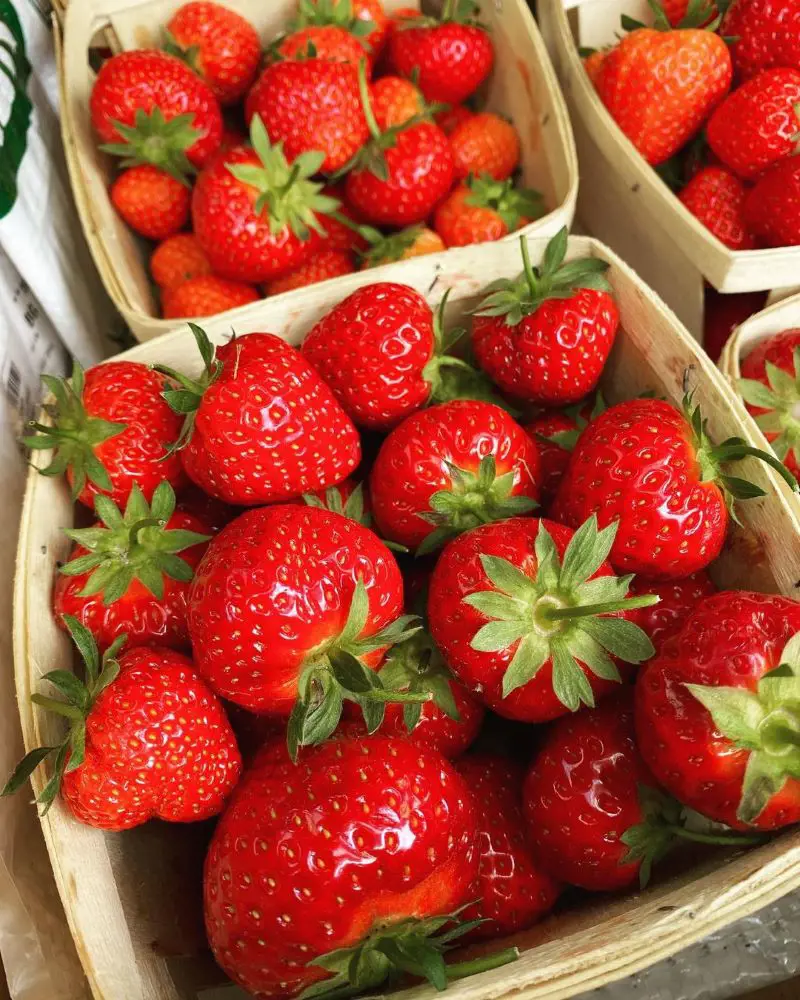
- Serving size: 1 cup, halves (152 g)
- Fiber content: 3.04 g
- DV: 12%
Similar to other berries (raspberries, blueberries, and blackberries), strawberries are a good source of potassium, manganese, vitamin C, and fiber. These are the essential nutrients that many of us fall short of in our daily intake.
Strawberries are usually enjoyed fresh, but you can freeze them, turn them into jam or preserves, and even dry them for use in things like cereal bars. Plus, strawberries and their flavor often make a tasty appearance in dairy products like strawberry yogurt, milk, and ice cream.
14. Banana
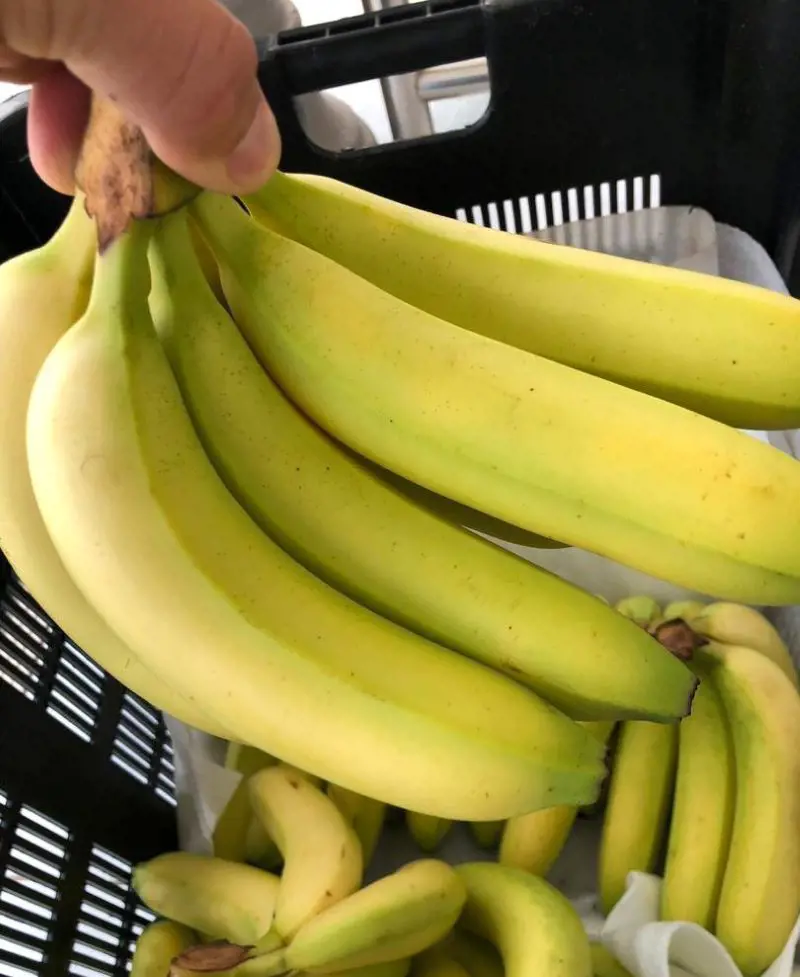
- Serving size: 1 cup, sliced (150 g)
- Fiber content: 3.9 g
- DV: 15%
Famous for their high potassium content, bananas are also packed with fiber, offering 15% of the DV per 1-cup serving. They contain modest amounts of vitamin C and manganese but lack significant levels of other micronutrients.
Ideal for the physically active, bananas make a great carb-filled snack that's easy on the stomach, and the potassium might help prevent muscle cramps. Whether tossed into a smoothie, paired with peanut butter, or enjoyed as is, they're a versatile treat.
15. Orange
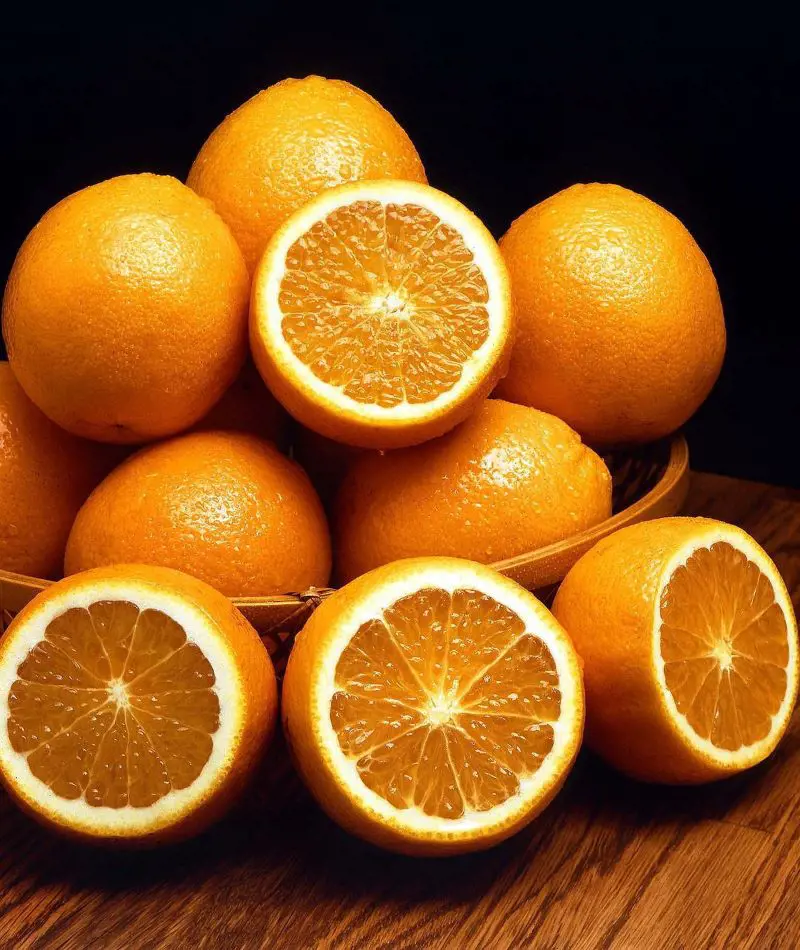
- Serving size: 1 cup, sections (180 g)
- Fiber content: 4.3 g
- DV: 17%
Oranges are often celebrated for their immunity-boosting vitamin C (65% DV per 100 grams), but they also serve as a good source of fiber. Similar to most fruits, they are primarily composed of carbs and water, with minimal protein and fat, making them relatively low in calories.
Often enjoyed fresh, their versatility shines in various culinary creations. Add them to a fruit-filled dessert, make orange salsa, create fruit kebobs, toss them into your fruit salad, or whip up some refreshing orange juice, the choice is all yours.
16. Apple
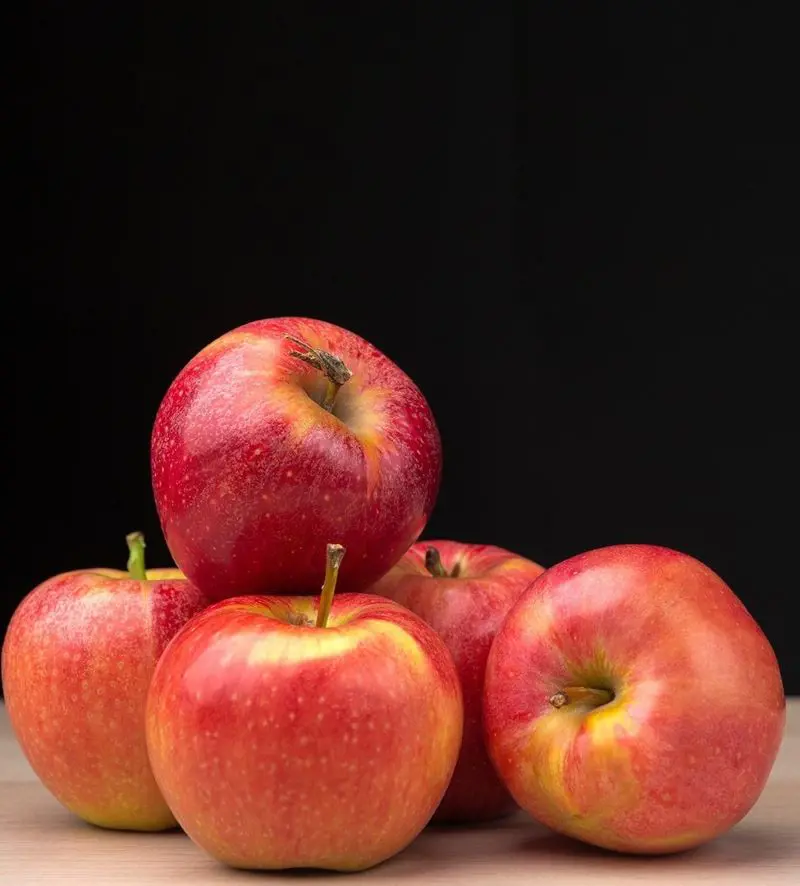
- Serving size: 1 cup, slices (109 g)
- Fiber content: 2.6 g
- DV: 10%
Apples are healthy, tasty, and among the world’s most popular fruits cultivated worldwide. High in fiber, vitamin C, and various antioxidants, they are also surprisingly filling despite their low-calorie count.
Every part of the apple, from the skin to the flesh, is edible except for the seeds. Apples offer a variety of consumption options, from juice and raw in salads to baked in pies, cooked into sauces and spreads like apple butter, and more.
17. Cherries
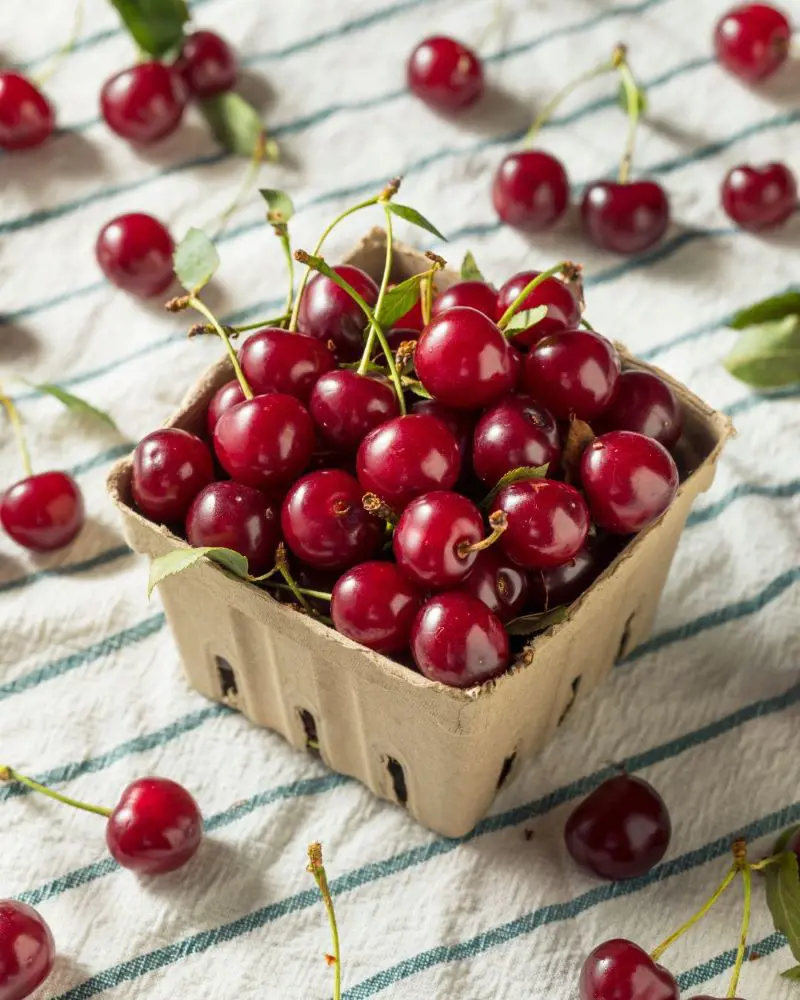
- Serving size: 1 cup, without pits (155 g)
- Fiber content: 2.5 g
- DV: 10%
In a 100g serving of raw sweet cherries, the nutrient content is limited, with only moderate amounts of dietary fiber and vitamin C present. Other vitamins and dietary minerals each contribute less than 10% of the Daily Value (DV) per serving.
Fresh cherries shine in the summertime, but you can find them year-round in the freezer section. Eating fresh is the top choice for sweet cherries, or you can get creative -make cherry jam, bake a cherry pie or crisp, add them to bread, toss them in salads, whip up some chilling cherry ice cream, and more.
18. Grapefruit
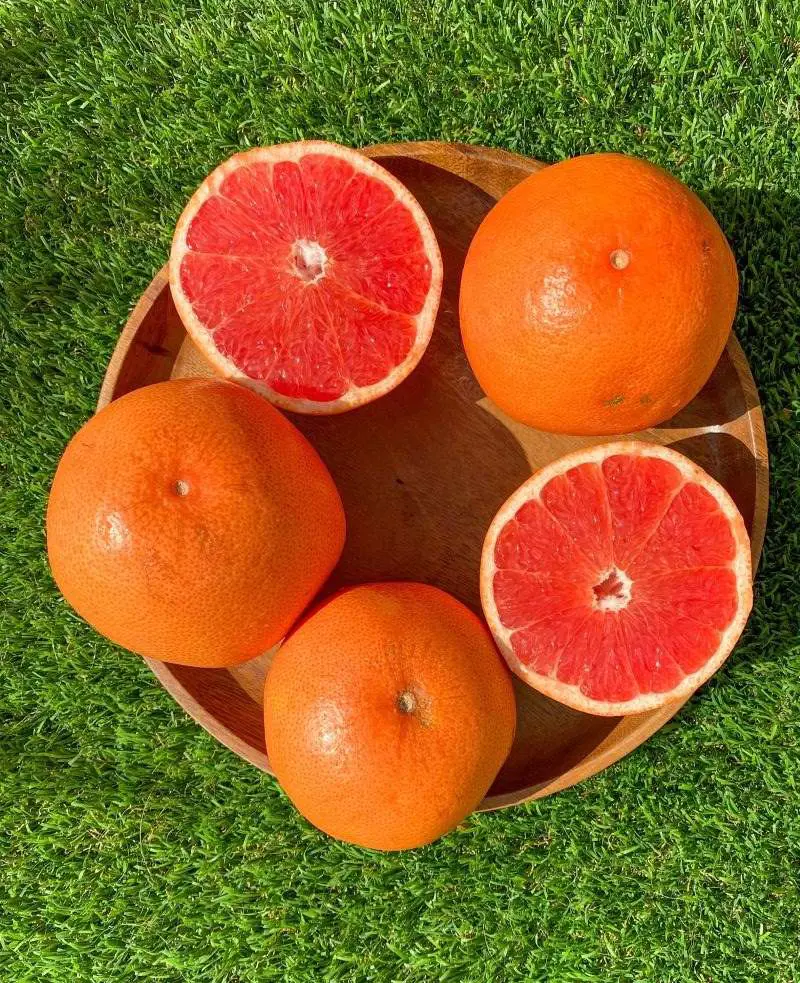
- Serving size: 1 cup sections, with juice (230 g)
- Fiber content: 3.7 g
- DV: 14%
Grapefruit is a tropical citrus fruit with a sweet yet tart taste, loaded with nutrients, antioxidants, and fiber. Recognized for its relatively large size, it offers a flavor profile ranging from sour to semi-sweet, with a touch of bitterness.
The rosy pink flesh and the sweet yet sharply acidic flavor of grapefruits easily bring a burst of fresh, zesty tang to salads, main courses, and desserts. If they taste a bit too tangy, a sprinkle of sugar will help make them sweeter.
19. Papaya
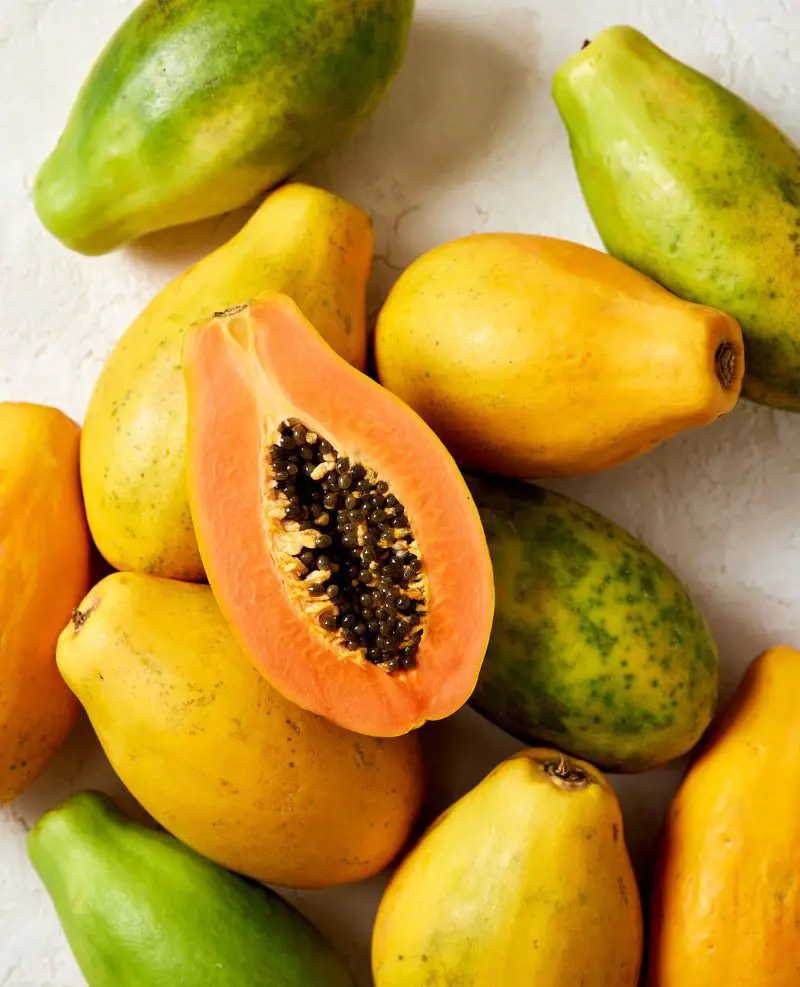
- Serving size: 1 cup, pieces (145 g)
- Fiber content: 2.46 g
- DV: 9%
Papaya, a healthy tropical fruit, is packed with vitamin C and antioxidants. Some compounds present in papayas might have anticancer properties and enhance heart health, among other benefits.
When ripe, papaya is good to go for raw consumption. But if it's unripe, it's a good idea to cook it before eating, especially during pregnancy. Unripe papaya has a high latex content that can stimulate contractions.
20. Jackfruit
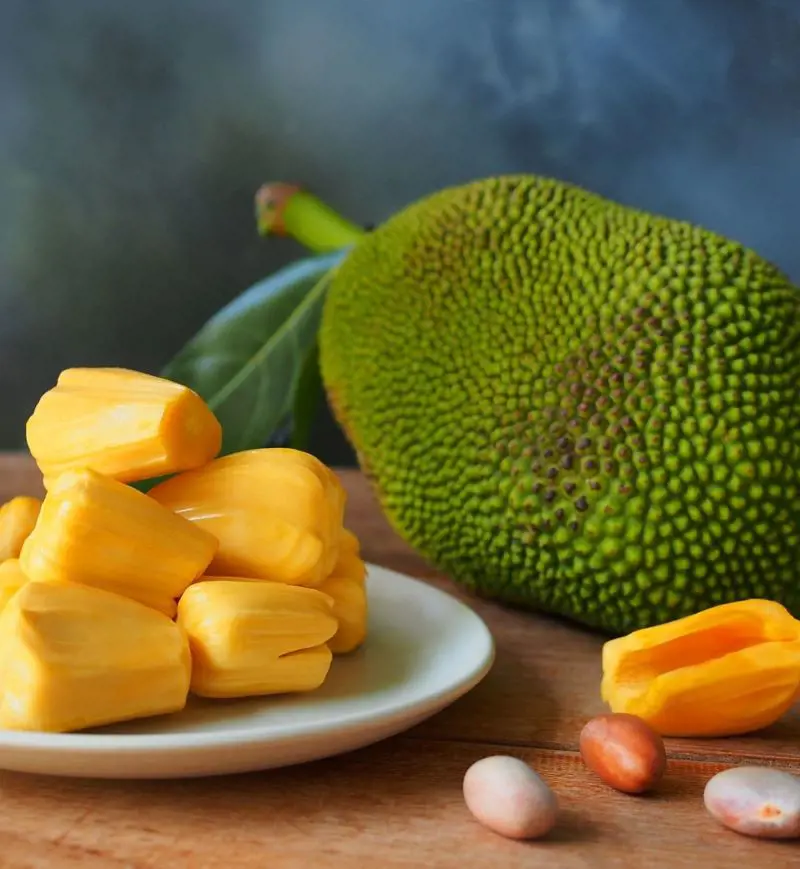
- Serving size: 1 cup, sliced (165 g)
- Fiber content: 2.48 g
- DV: 9%
Native to South India, Jackfruit is an exotic fruit cultivated in tropical regions globally. With a modest 155 calories per one-cup serving, it's a nutritional powerhouse, boasting almost every essential vitamin and mineral, plus a decent amount of fiber.
As the world's largest tree fruit, jackfruit can weigh up to a whopping 80 pounds (35 kg). Whether enjoyed fresh or incorporated into culinary creations like custards and cakes, it never fails to delight the taste buds with a flavor resembling a blend of pineapples, mangoes, bananas, and apples.
Recent posts
Nutrition
Nutrition
Can You Eat Squash Skin? Health Benefits and Cooking Tips
Squash is a versatile vegetable that comes in many shapes, sizes, and colors. From butternut squash to acorn squash and zucchini, it’s a staple in many kitchens. The answer depends on the type of squash, its maturity, and how it’s prepare...
Nutrition
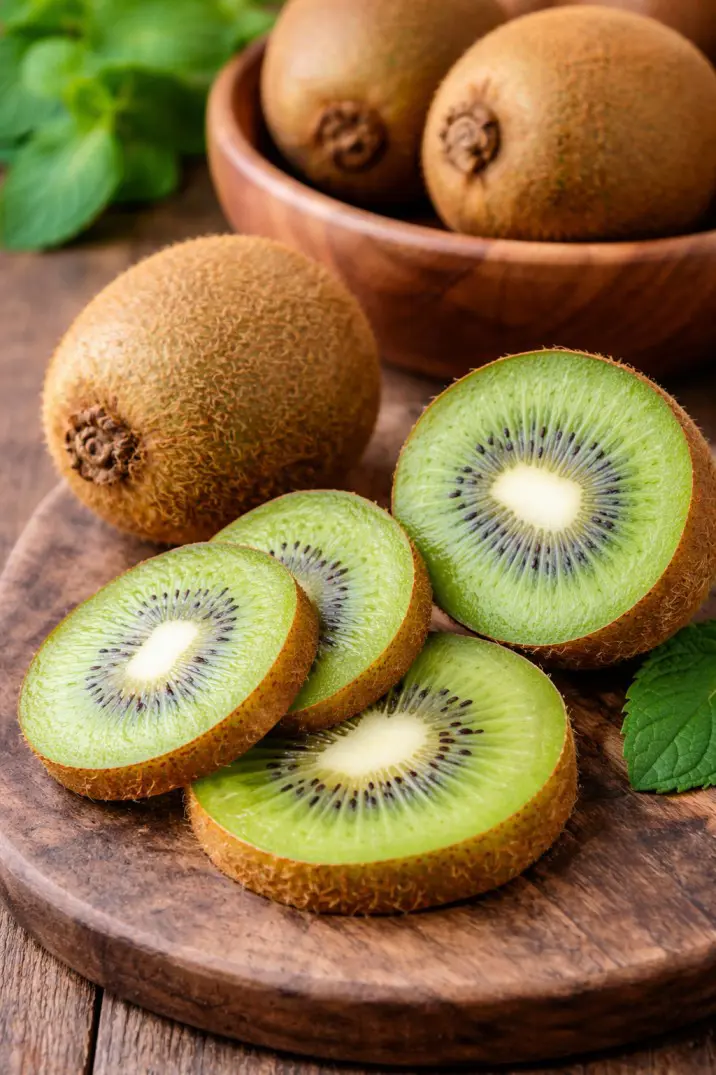
Can You Eat Kiwi Skin? Benefits, Risks, and Tips
The kiwi fruit, with its vibrant green flesh and tiny black seeds, is a favorite in fruit salads, smoothies, and desserts. But many people peel it before eating, leaving behind its fuzzy brown skin. The question arises: can you eat kiwi skin? Wh...
Nutrition
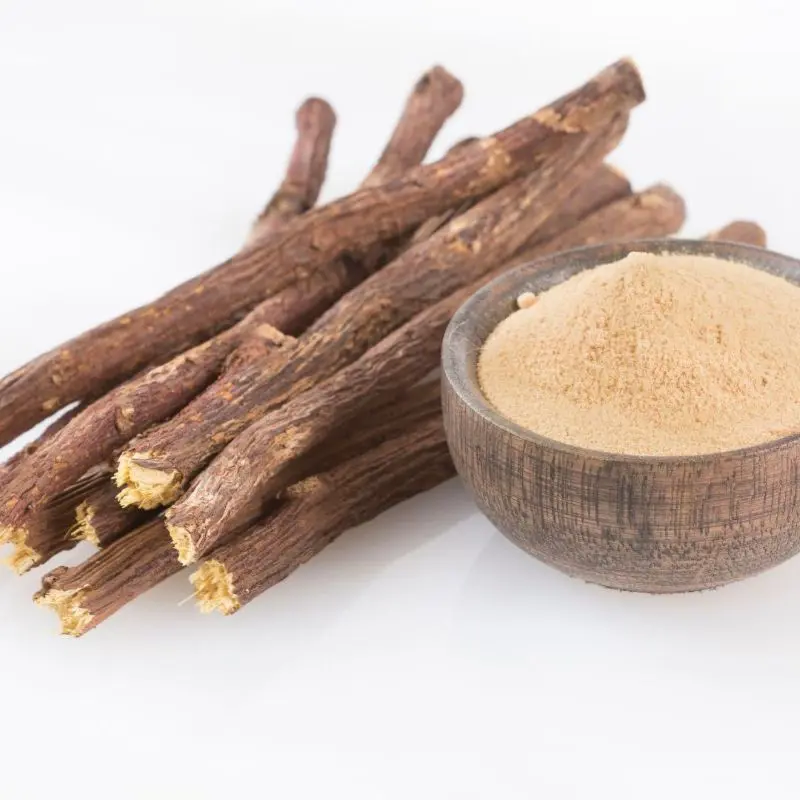
Licorice Root: Benefits And Uses
You can spell it liquorice or licorice; this herb or root has been in use for centuries in most medicinal applications, as a natural sweetener and to enhance flavors. Regarding its origins, it comes from the root of the "Glycyrrhiza galbre" plant and...
Nutrition
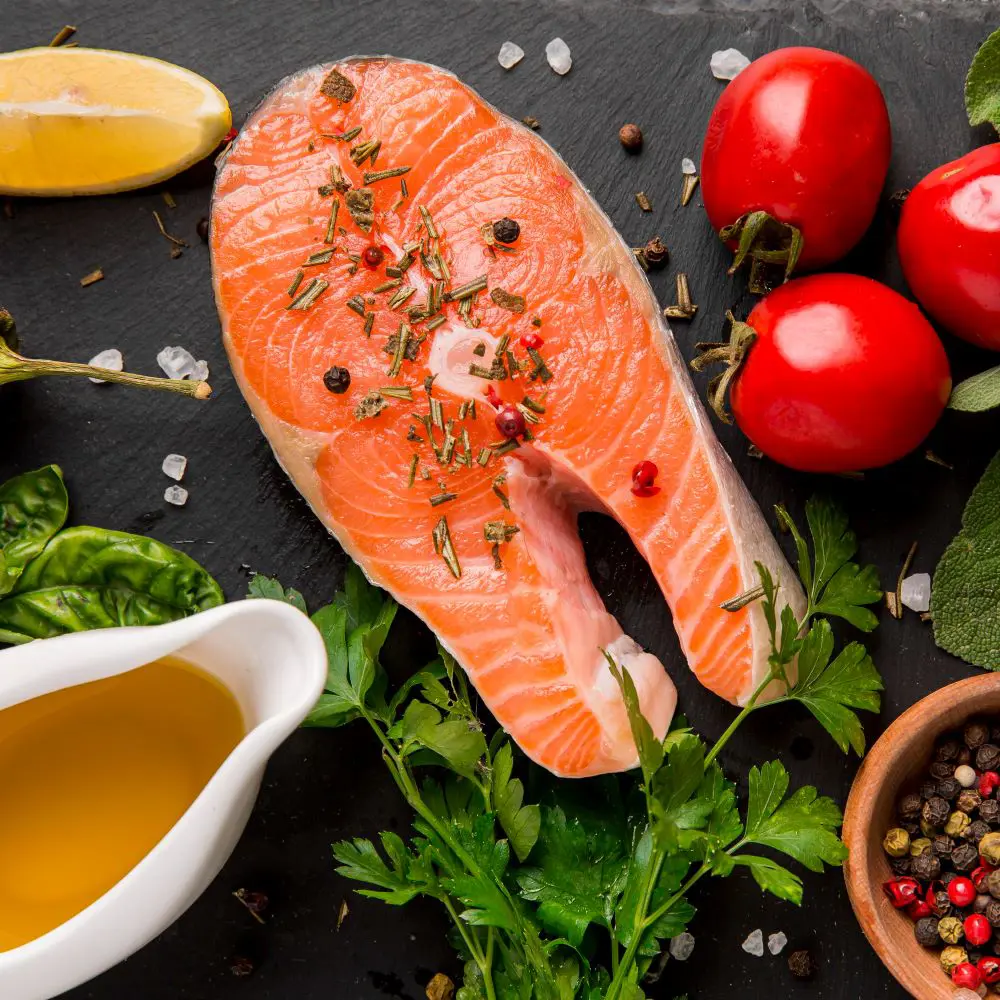
Is Salmon Good For You? Nutritional Facts and Benefits
Salmon fish is a staple diet throughout the world, popular as a super food for its nutrients. Whether savored in sushi, poached, grilled, roasted, or pan-fried, salmon offers minerals and vitamins that contribute to healthy bodily functions. In addit...

Nutrition
25 Smoked Salmon Recipes That You Will Enjoy
Salmon is a silver-colored fish that is loaded with many nutrients, vitamins, and omega-3 fatty acids. Smoked Salmon is better for improving your health and reducing the risk of cancer, heart-related diseases, fights inflammation, reduces anxiety and...

Nutrition
Are Sausages Healthy? Nutrition And Health Benefits
Sausages are tasty in an addictive way, making them one of the most popular foods worldwide. You may have enjoyed this convenient food often, whether on a bun with mustard or grilled on a barbecue, the simple preparation methods are what makes its co...