14 High Histamine Foods To Avoid In Your Diet

Histamine is a chemical created in the body that is responsible for allergic symptoms. It is discharged by the white blood cells into the bloodstream when the body is fighting allergens like pollen, cats, and certain foods. Histamine is an essential amino acid that contributes to several body systems, including the immune, gut, and nervous systems.
However, high histamine levels in some people might trigger health issues, including diarrhea, headaches, and dizziness. Apart from body sources, we get histamine from fermented, aged, and processed foods. Here is a list of 14 histamine-rich foods to avoid in your diet.
1. Yogurt
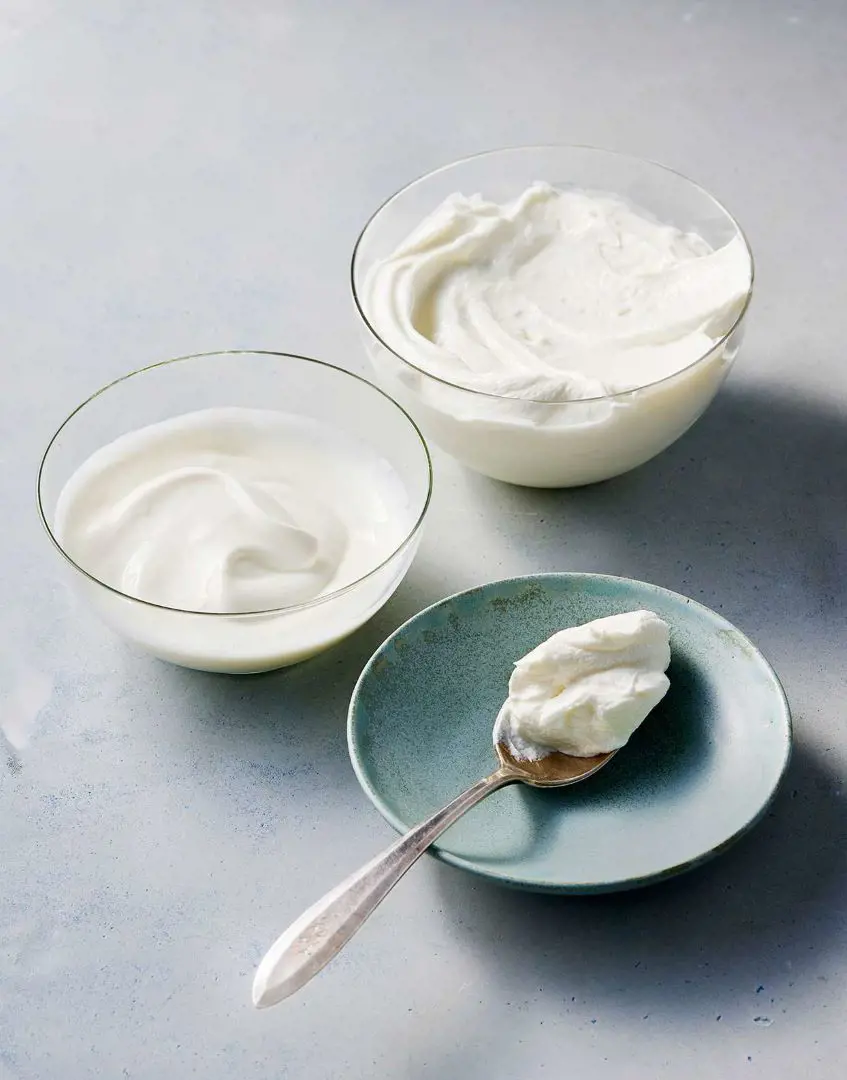
Many yogurts contain probiotic strains that are responsible for raising histamine. Probiotic strains such as Lactobacillus casei and Lactobacillus are said to increase the level of histamine in the body. Some people might feel allergic after consuming yogurt. A stuffy nose and watery eyes are the body's reaction to the availability of histamine in yogurt.
Yogurt goes through the process of fermentation, where the food is prepared with the help of bacteria, yeast, fungi, and their enzymes. Fermentation raises histamine levels in foods. Cheese, sour cream, buttermilk, and kefir are other fermented dairy products that are high in histamine.
2. Fermented Vegetables
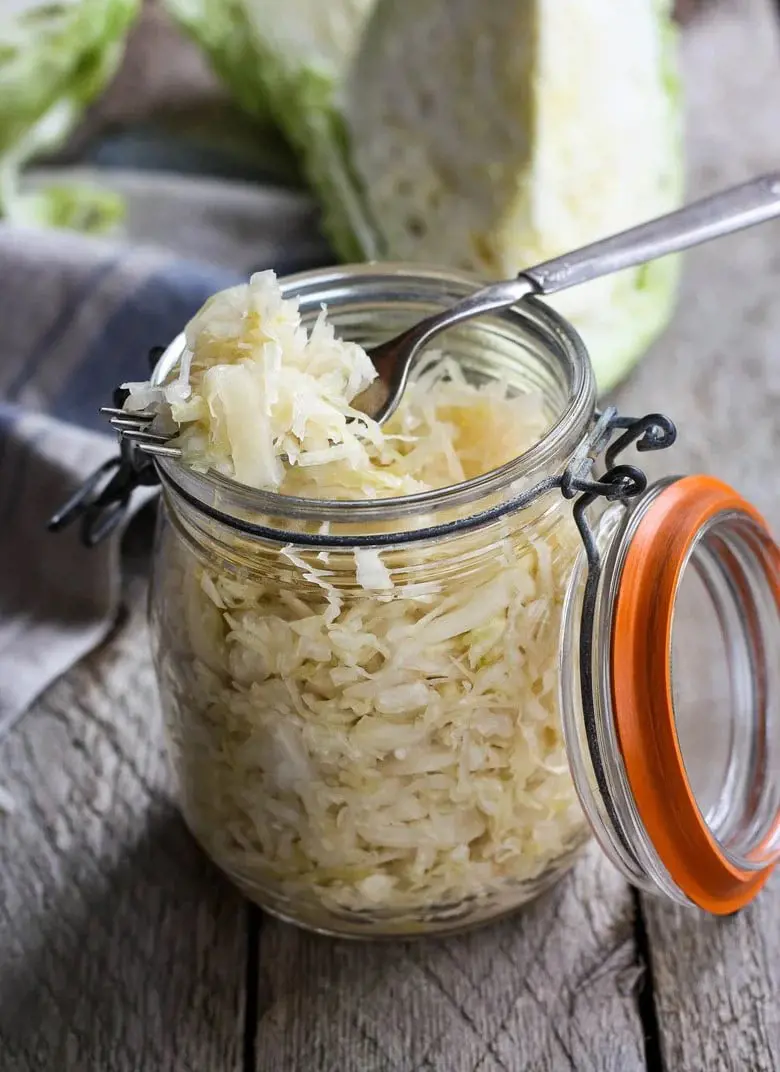
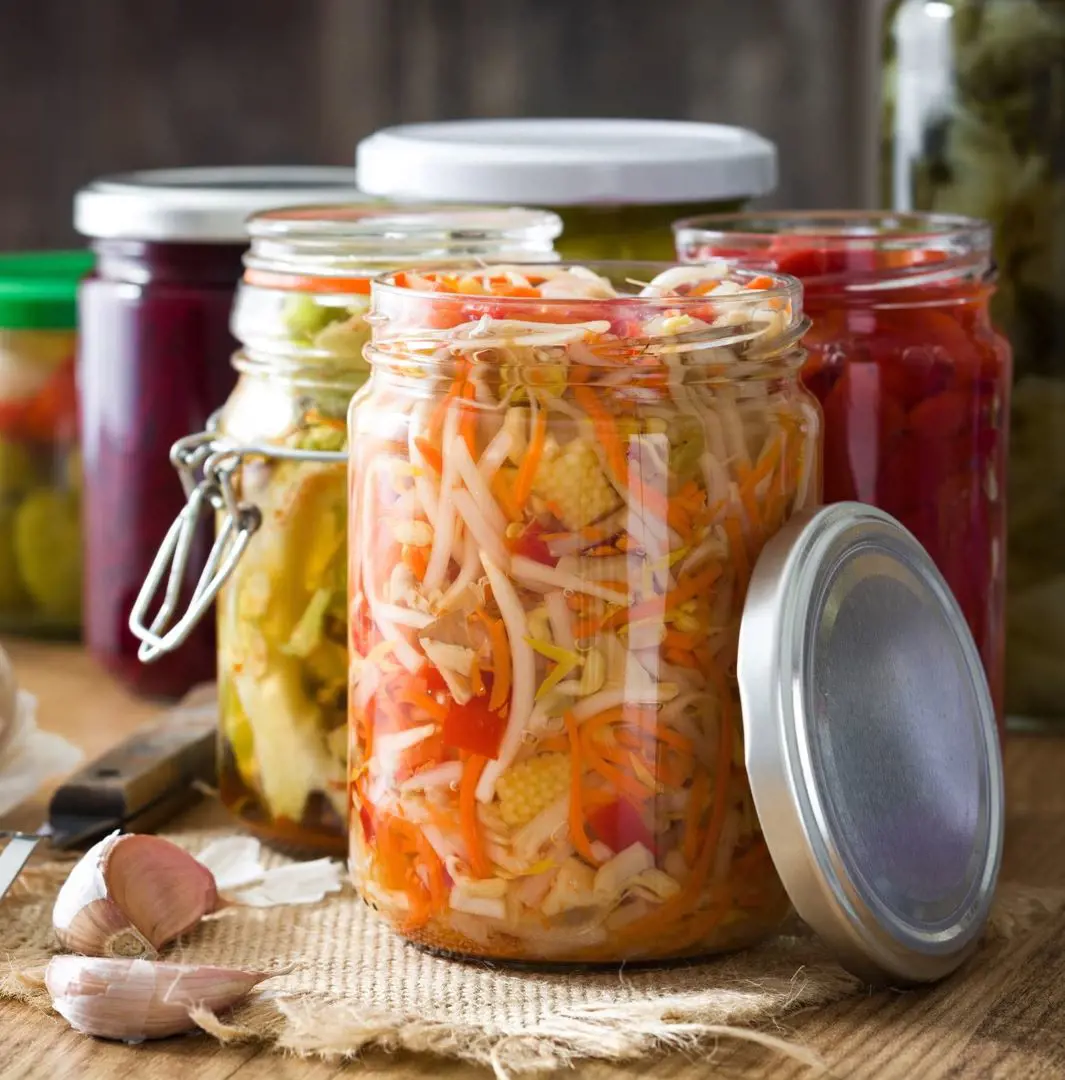
Fermented foods are high in histamine. The ingredients used, the procedure followed, the amount of salt used, the temperature, and the duration during which it was fermented all impact the levels of biogenic amines in fermented foods. Sauerkraut is said to contain a high level of histamine due to fermentation.
People who are sensitive to histamine might develop an allergy after consuming sauerkraut. This food also includes DAO, an enzyme that influences amine breakdown. It is better to avoid sauerkraut if you are on a low-amine diet. Similarly, due to fermentation, kimchi also contains high levels of histamine.
3. Kombucha
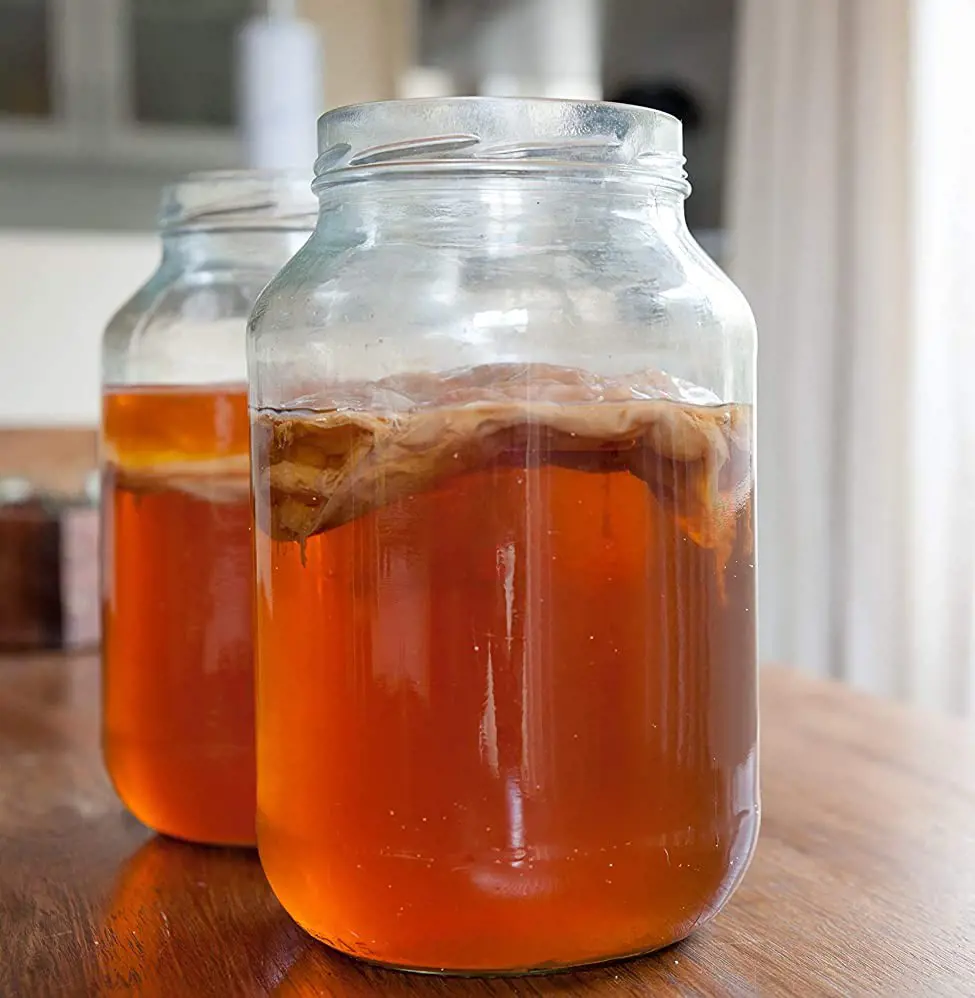
Kombucha is a fermented drink rich in probiotics that support gut health. It is prepared using several bacteria and yeasts. Kombucha is native to China, but today it is consumed in different parts of the world. The symbiotic fermentation process using sugared tea makes kombucha high in histamine.
The body's natural stability of histamine N-methyltransferase (HMT) and diamine oxidase (DAO) is disturbed by high-histamine foods. Disturbances of these enzymes are responsible for headaches, rashes, hives, and many other allergic reactions. However, people have different tolerance levels, and kombucha might not trigger histamine in some people.
4. Unhealthy Beverages
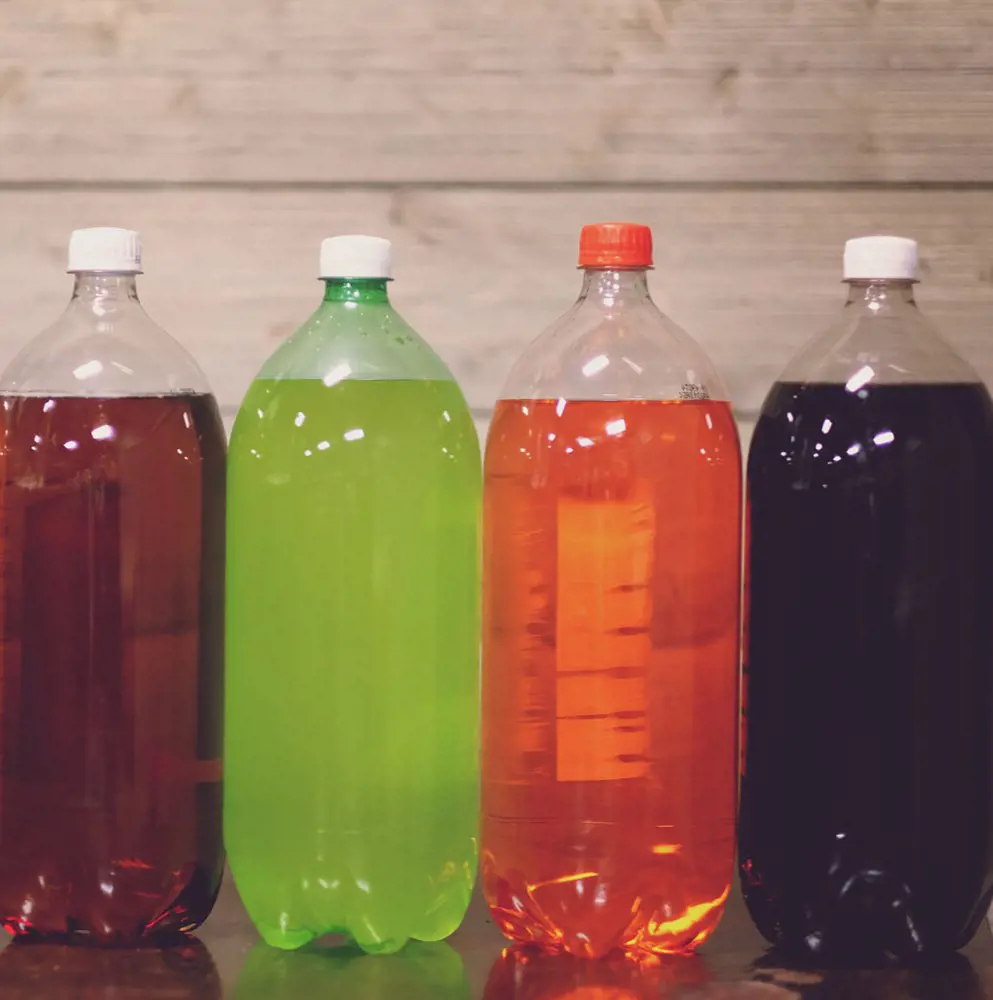
Unhealthy beverages are naturally high in histamine. Some of the highest histamine-contributing beverages include red wine, beer, scotch, whiskey, and soft drinks like Coca-Cola, lemonade, and fizzy soda. Some might develop histamine intolerance due to the alcohol, while for others, the specific grains used for making alcohol might be the cause of intolerance.
Migraine is one of the most prevalent symptoms linked to a response to alcohol due to histamine. In order not to overflow the body with histamine and cause health ailments, it is best to avoid all kinds of alcoholic beverages and limit soft drink consumption.
5. Highly Processed Meat

To increase shelf life or preservation length, most of the meats are highly processed. Such processes follow salted, fermented, smoked, cured, or several other methods. The nutrition components in the meat are altered, causing histamine intolerance in most people. Some examples of processed meat high in histamine are ham, sausages, hot dogs, beef jerky, and packed meat.
People with histamine intolerance may opt for fresh meat instead of canned and preserved meats. Studies have found that the level of histamine in meat might alter based on the process of cooking. Boiling reduces the level, while grilling increases it.
6. Leftover Foods

Germs producing histamine tend to develop in warm atmospheres. Minimal cooking time decreases the risk of histamine development. An air fryer or instant pot cooking method reduces cooking time. Besides the cooking method, one should pay attention to the eating schedule. While leftovers are an easy and viable option, they might not be the correct choice for people with histamine intolerance.
Reheating leftover foods increases the chance of histamine buildup. Food should be consumed as early as possible after cooking. Heating or cooling the food might retain the nutrients only for a few days. Still, the chances of histamine-producing bacteria is high.
7. Matured Cheese
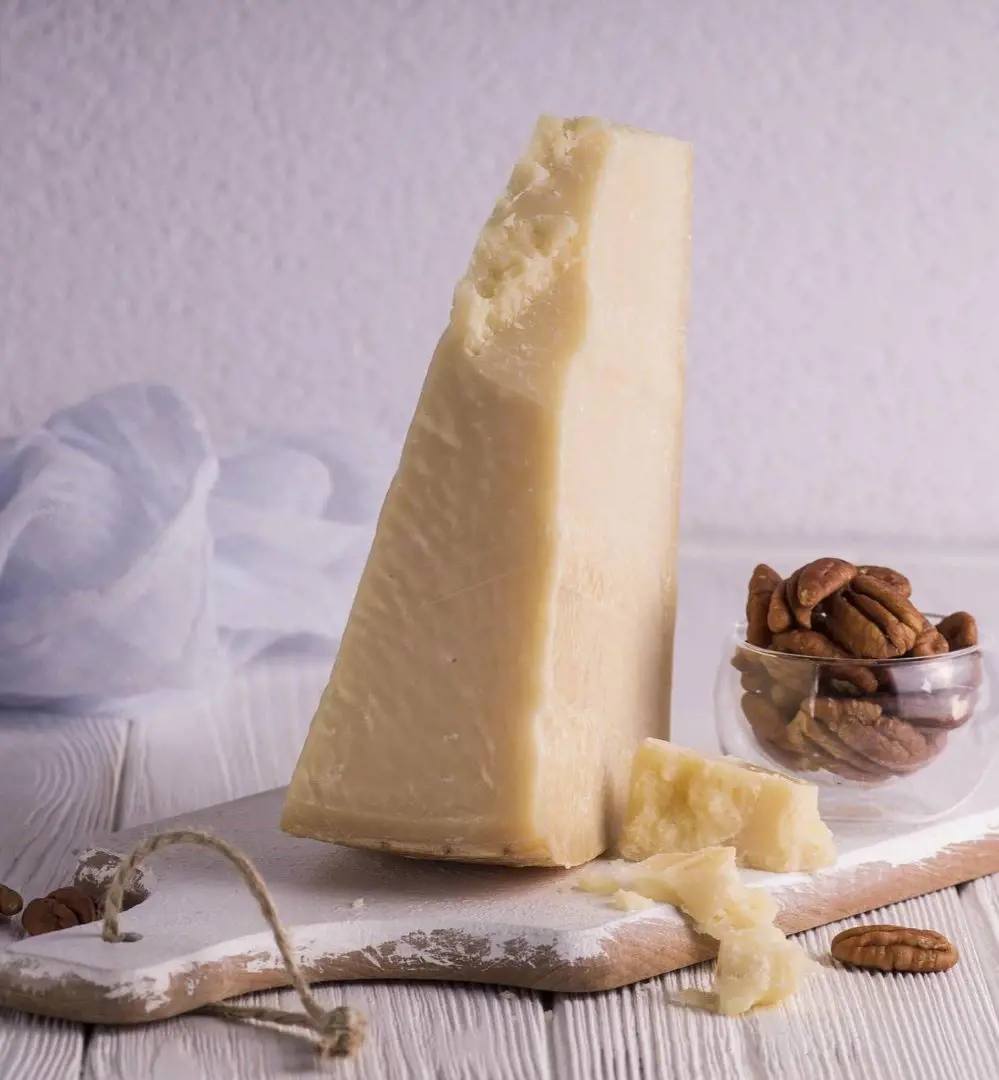
The duration of the cheese and the temperature at which the cheese is placed might influence the histamine levels. Other than that, pH level, salt level, and bacterial starter culture are a few other factors that contribute to the impact of histamine in different types of cheese.
Matured or aged cheese contains an increased level of histamine. It is because, during the process of aging, several proteins in the cheese break down into histamine. Matured cheese includes hard cheese such as romano, cheddar, and parmesan; aged blue cheese with bacteria, like gorgonzola; and smelly cheese matured with bacteria, like Limburger.
8. Frozen or Canned Fish
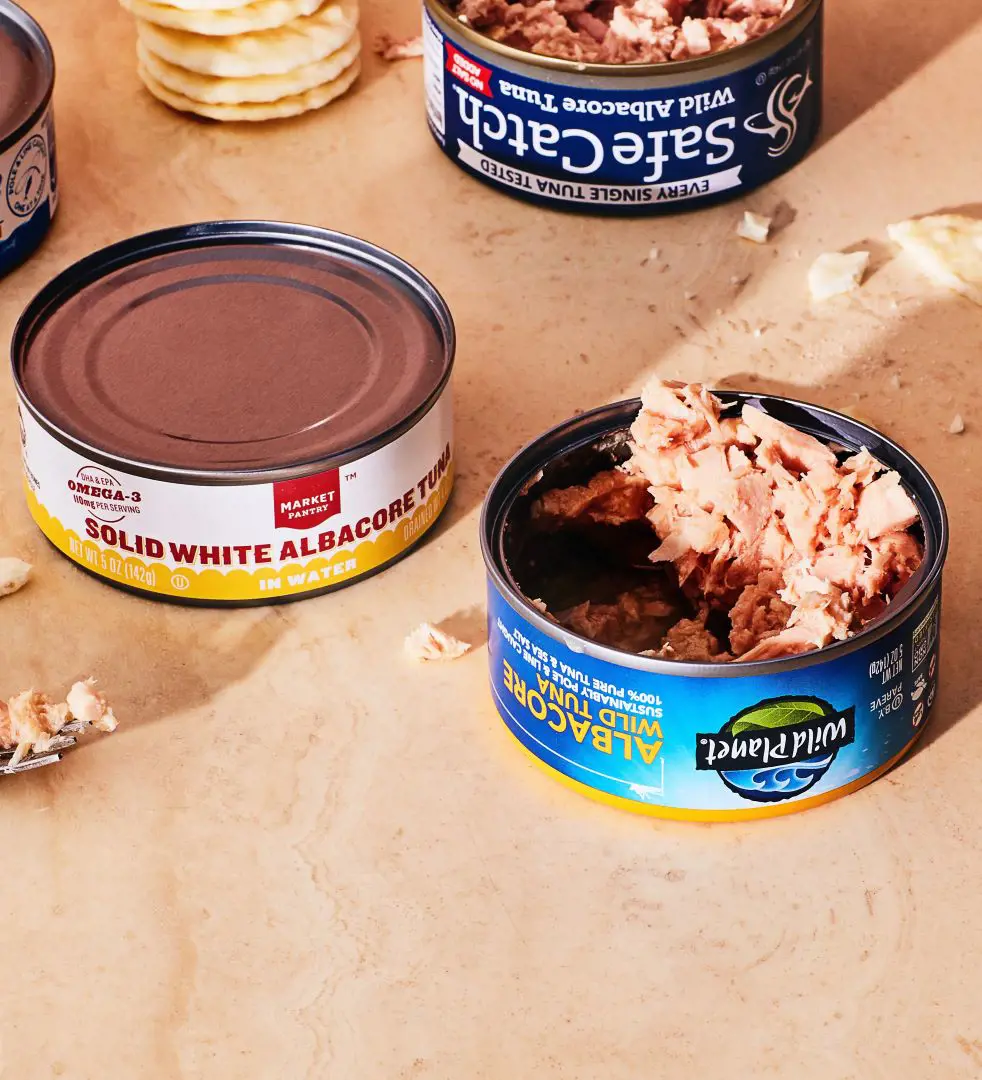
Fish are considered omega-3-rich foods. They carry many health benefits. Nevertheless, if you have histamine intolerance, you need to be careful before consuming canned fish and seafood. Fresh fish are low in histamine. The level rises during the process of storage and handling.
There is a high chance of food poisoning for people with histamine after consuming canned fish. These fish contain high levels of the amino acid histidine, which is converted into histamine by the bacteria. Tuna, Mackerel, Mahi-mahi, anchovy, herring, amberjack, and marlin are a few fish that contain a high level of histamine.
9. Tomato
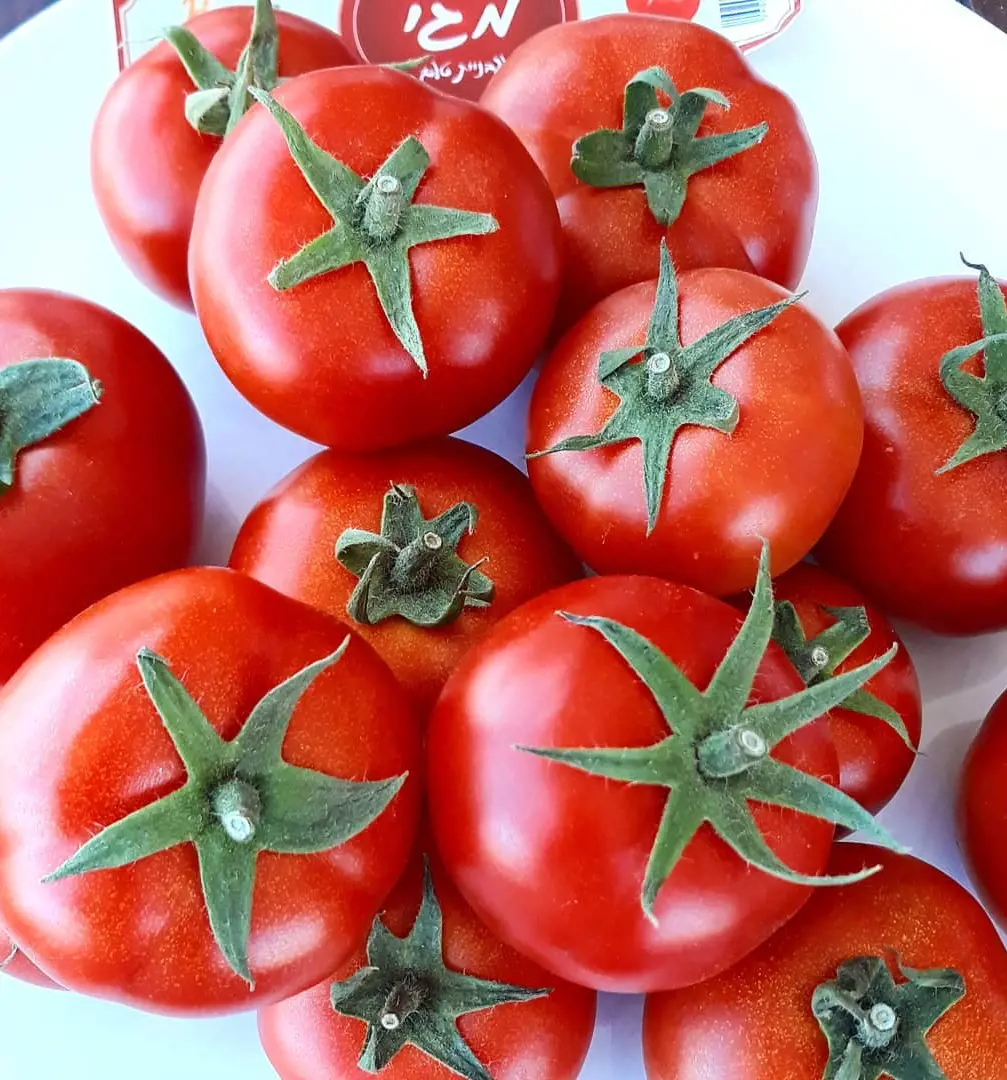
It is believed that most fresh fruits and vegetables contain a low amount of histamine. Tomatoes, on the other hand, are naturally high in histamine. They play the role of histamine liberators and activate the discharge of the body's existing histamine.
As compared to other histamine-rich foods, tomatoes have a slightly low histamine content. The level may be affected by various factors, including ripening, storage situation, and method of processing. Fully ripe tomatoes tend to have a significantly higher level of histamine as compared to unripe ones. Higher temperatures also increase histamine levels. Thus, include fresh tomatoes in diet.
10. Spinach
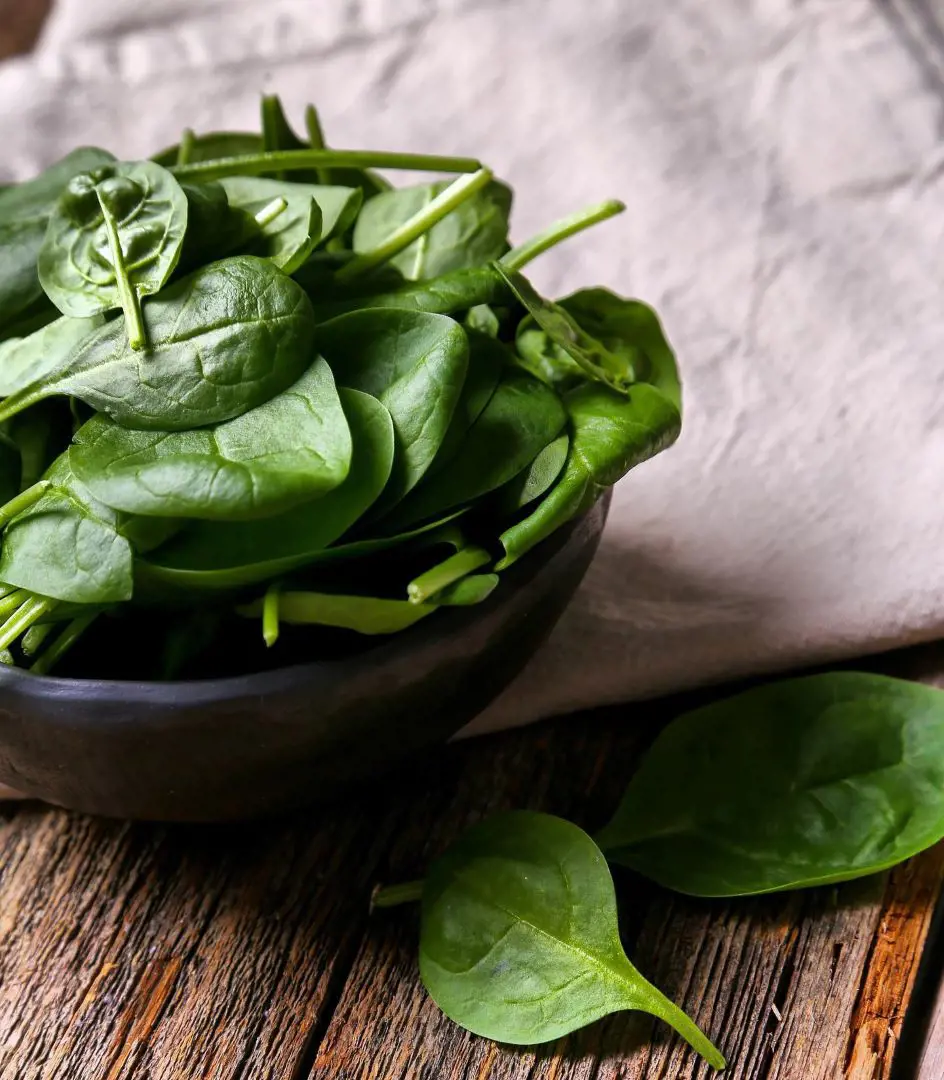
Spinach is a healthy leafy green rich in fiber, minerals, and vitamins, offering many health benefits. Sadly, this nutritious vegetable is also naturally high in histamine. Spinach contains 37.5 mg per deciliter (dl) of histamine, which is enough to cause pseudoallergic reactions, but reports of spinach allergies are quite rare.
However, some people might notice allergic reactions after consuming spinach, such as gastrointestinal, respiratory, skin, or nasal issues. There are plenty of other leafy greens for people who are allergic to histamines. Kale, collard greens, lettuce, and cabbage are a few options.
11. Avocados
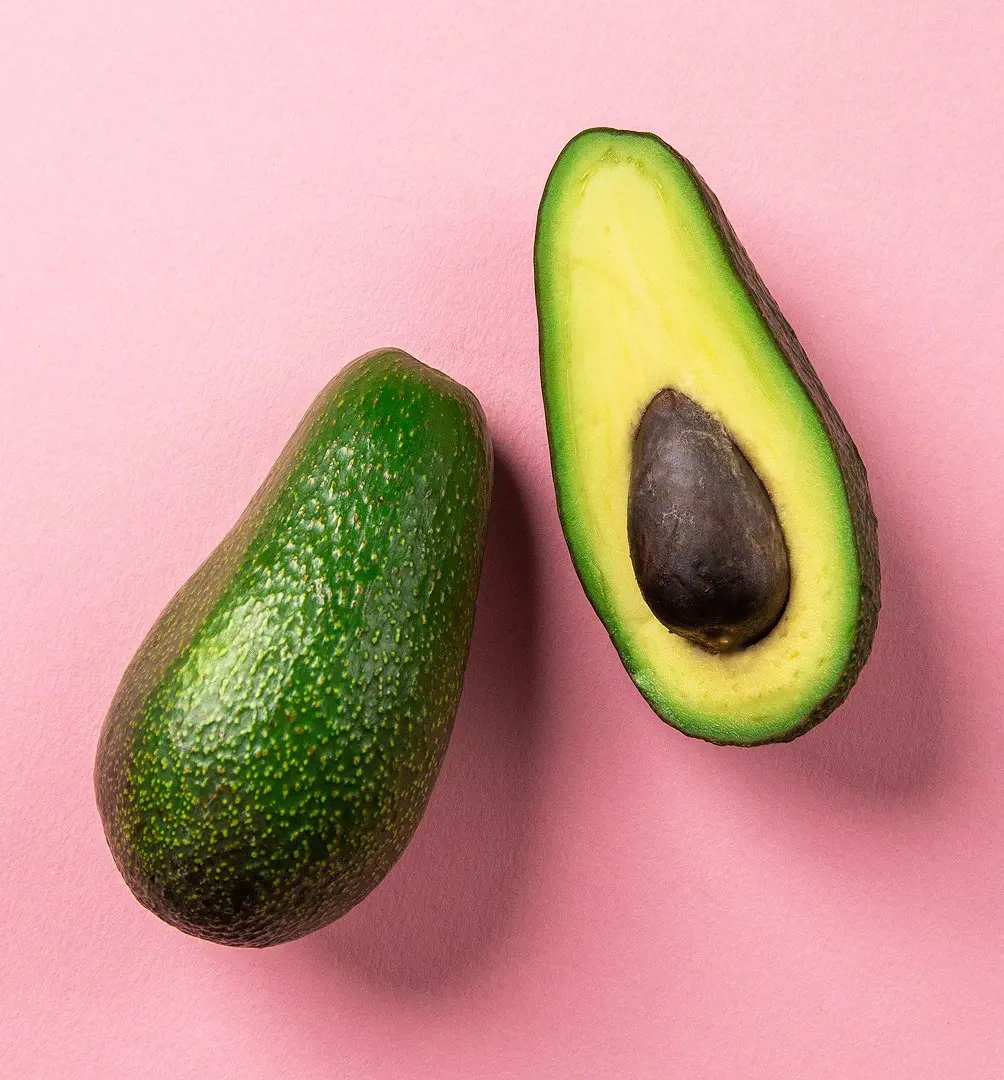
Avocados are an excellent source of fats, fiber, antioxidants, and minerals. In addition to several health benefits, they are also high in histamine. Similarly, they also act as histamine liberators. These liberators can influence the histamine-developing cells to discharge histamine in the body.
Ripeness also influences the level of histamine in an avocado. People with allergic reactions to histamine must avoid ripe avocados, particularly overripe ones. Symptoms include an itchy mouth, lips, throat, sneezing, and others. For people with histamine intolerance, you could try almond butter, tahini, or another creamy spread for your sandwich.
12. Peanut and Other Legumes
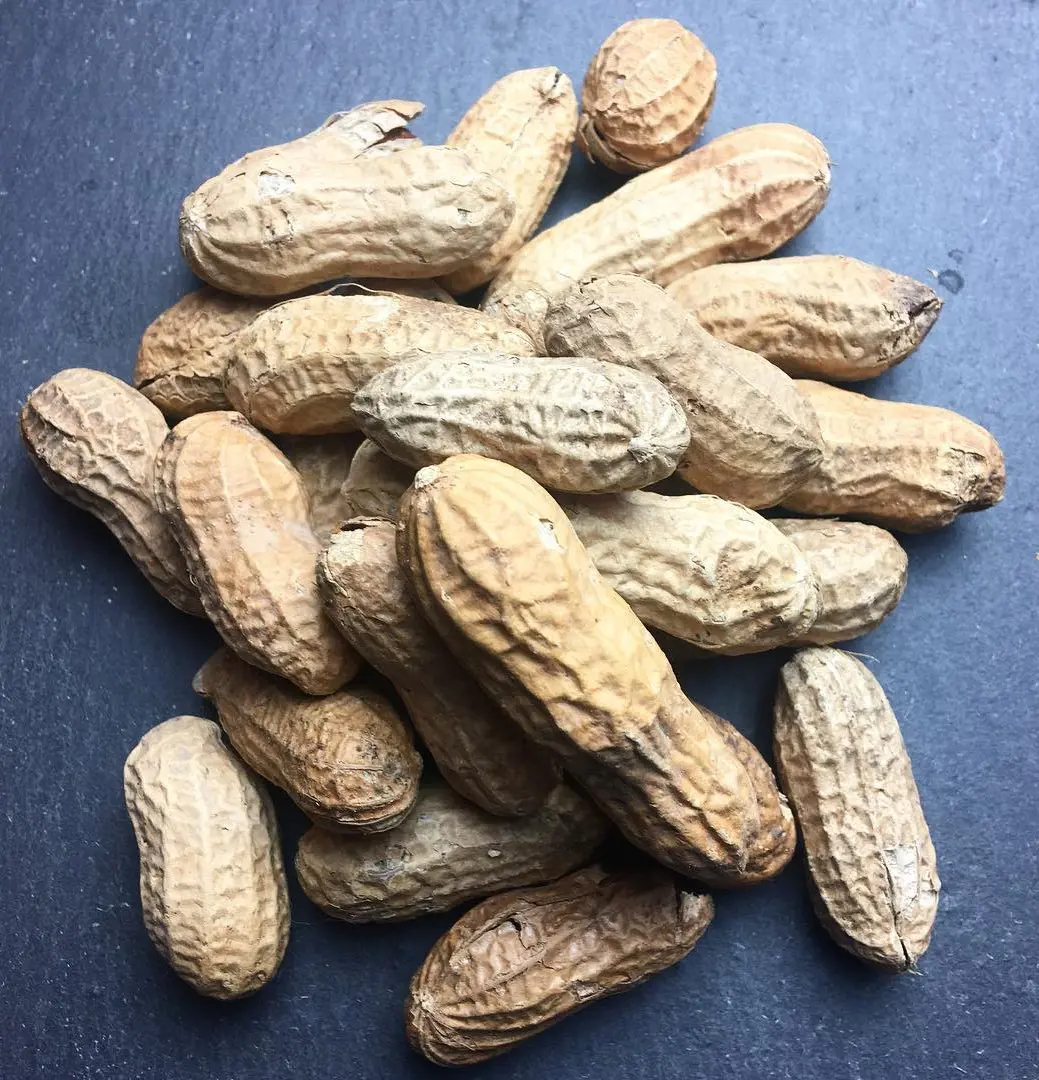
Peanuts and a few other legumes are relatively high in histamine, including soybeans, peas, kidney beans, chickpeas, and green beans. Since food intolerance varies among people, some people might not find legumes allergic, while for others it may be devastating. Moreover, legumes also act as histamine liberators.
The process of cooking also impacts the rise in histamine levels. It is best to pressure-cook legumes for better digestion. Peanut allergies are common and devastating as well. The skin turns pale, and there is a sudden drop in blood pressure, swelling in the throat, and dizziness.
13. Liquid Condiments
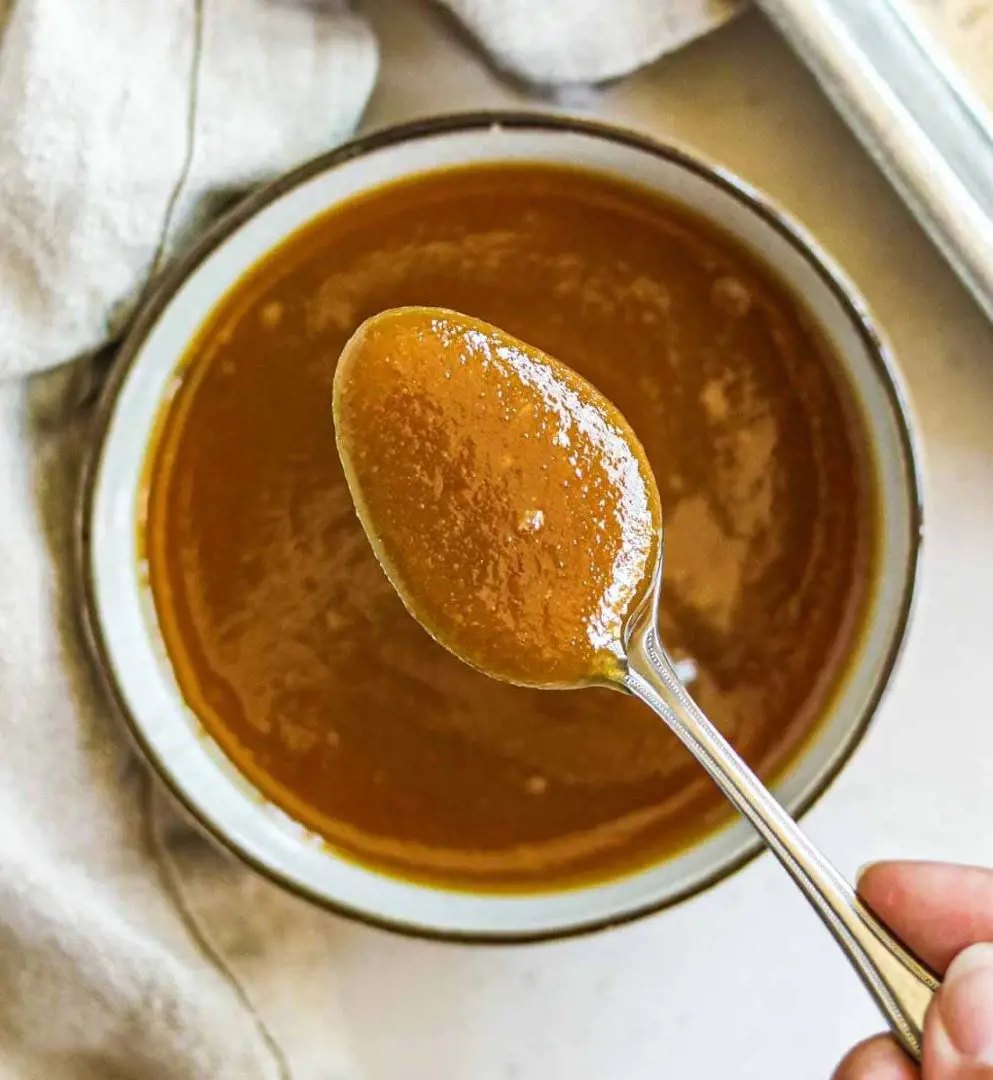
Liquid condiments add extra flavors and texture to the food. We use them in cooking, while making pickles, and as salad dressing. Miso, vinegar, soy sauce, and fish sauce, however, are high in histamine. It is because these condiments follow a two-stage fermentation process.
Especially balsamic vinegar and wine are high in histamine. Miso, apart from being high in histamine, also works as a histamine liberator. You may opt for low-histamine condiments, including cauliflower hummus, carrot ketchup, basil pesto, cottage cheese tzatziki, and more.
14. Tempeh
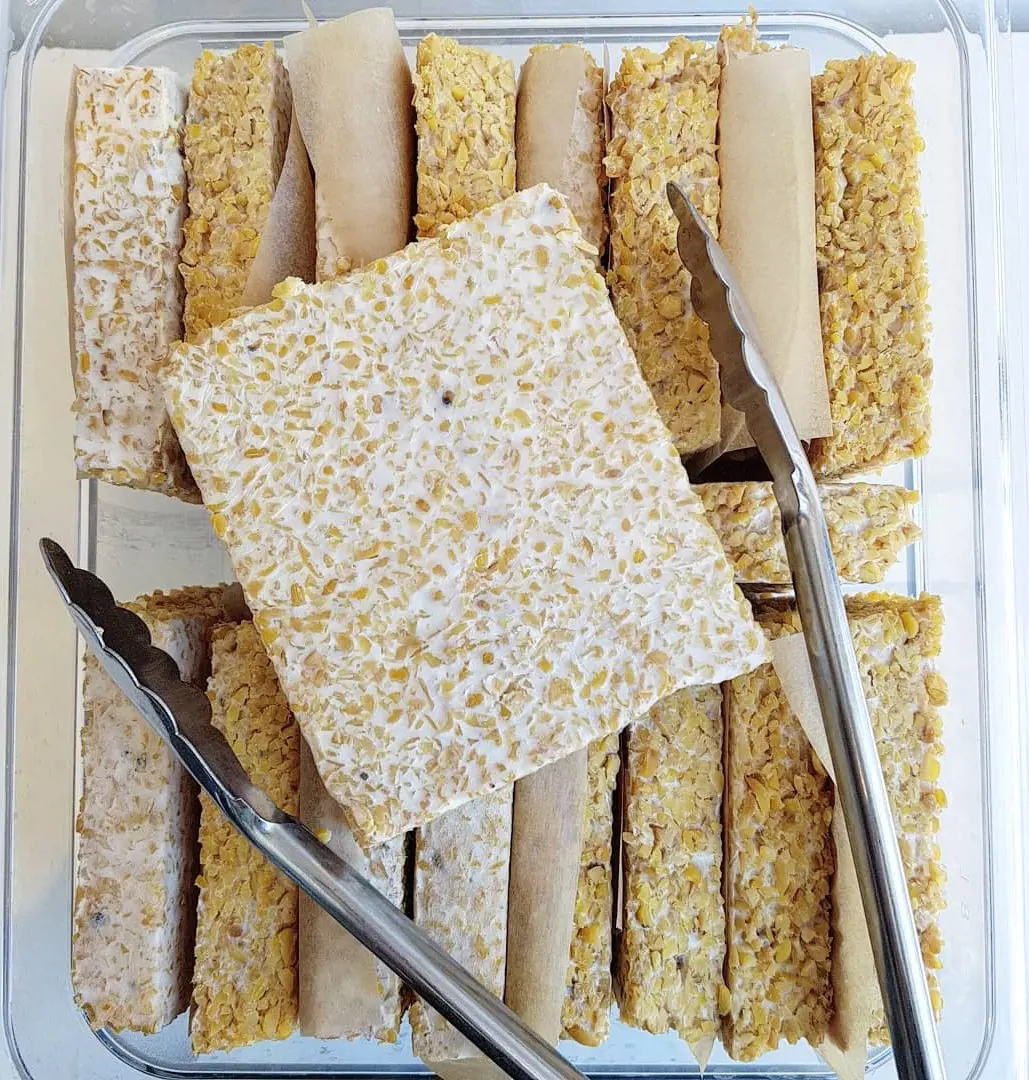
Tempeh is a popular Indonesian food prepared using fermented soybeans. It is similar to tofu but different in terms of preparation. Tofu is made from soy milk, and tempeh is made from whole soybeans. Since tempeh is high in vitamin B12 and contains whole protein, it is considered a meat alternative for vegans and vegetarians.
Fermentation makes them high in histamine. People with histamine intolerance should avoid this food. The bacteria involved in the fermentation process could act as histamine producers, encouraging the body to produce more histamine. Tofu might be less problematic, as it is not fermented.
Histamine Intolerance: Symptoms

Also known as food histaminosis and hypersensitivity to food, histamine intolerance is not an actual medical disorder and is hard to diagnose. Histamine is released to protect the body against allergens. It serves many functions, from sending signals to the brain to promoting healthy digestion. Problems arise when you have an extra amount of it.
Symptoms Of Histamine Intolerance
Some symptoms faced by people with histamine intolerance include:
- Anxiety
- Fatigue
- Dizziness
- Stuffy Nose
- Asthma attacks
- Allergic reactions
- Irregular heartbeat
- Blood Pressure Fluctuation
- Headaches and migraines
- Dermatitis and several rashes
- Bloating, diarrhea, and other gut issues
Recent posts
Nutrition
Nutrition
Can You Eat Squash Skin? Health Benefits and Cooking Tips
Squash is a versatile vegetable that comes in many shapes, sizes, and colors. From butternut squash to acorn squash and zucchini, it’s a staple in many kitchens. The answer depends on the type of squash, its maturity, and how it’s prepare...
Nutrition
Can You Eat Kiwi Skin? Benefits, Risks, and Tips
The kiwi fruit, with its vibrant green flesh and tiny black seeds, is a favorite in fruit salads, smoothies, and desserts. But many people peel it before eating, leaving behind its fuzzy brown skin. The question arises: can you eat kiwi skin? Wh...
Nutrition
Licorice Root: Benefits And Uses
You can spell it liquorice or licorice; this herb or root has been in use for centuries in most medicinal applications, as a natural sweetener and to enhance flavors. Regarding its origins, it comes from the root of the "Glycyrrhiza galbre" plant and...
Nutrition
Is Salmon Good For You? Nutritional Facts and Benefits
Salmon fish is a staple diet throughout the world, popular as a super food for its nutrients. Whether savored in sushi, poached, grilled, roasted, or pan-fried, salmon offers minerals and vitamins that contribute to healthy bodily functions. In addit...
Nutrition
25 Smoked Salmon Recipes That You Will Enjoy
Salmon is a silver-colored fish that is loaded with many nutrients, vitamins, and omega-3 fatty acids. Smoked Salmon is better for improving your health and reducing the risk of cancer, heart-related diseases, fights inflammation, reduces anxiety and...

Nutrition
Are Sausages Healthy? Nutrition And Health Benefits
Sausages are tasty in an addictive way, making them one of the most popular foods worldwide. You may have enjoyed this convenient food often, whether on a bun with mustard or grilled on a barbecue, the simple preparation methods are what makes its co...