Best Low Potassium Diet Foods To Keep Your Kidney And Heart Healthy

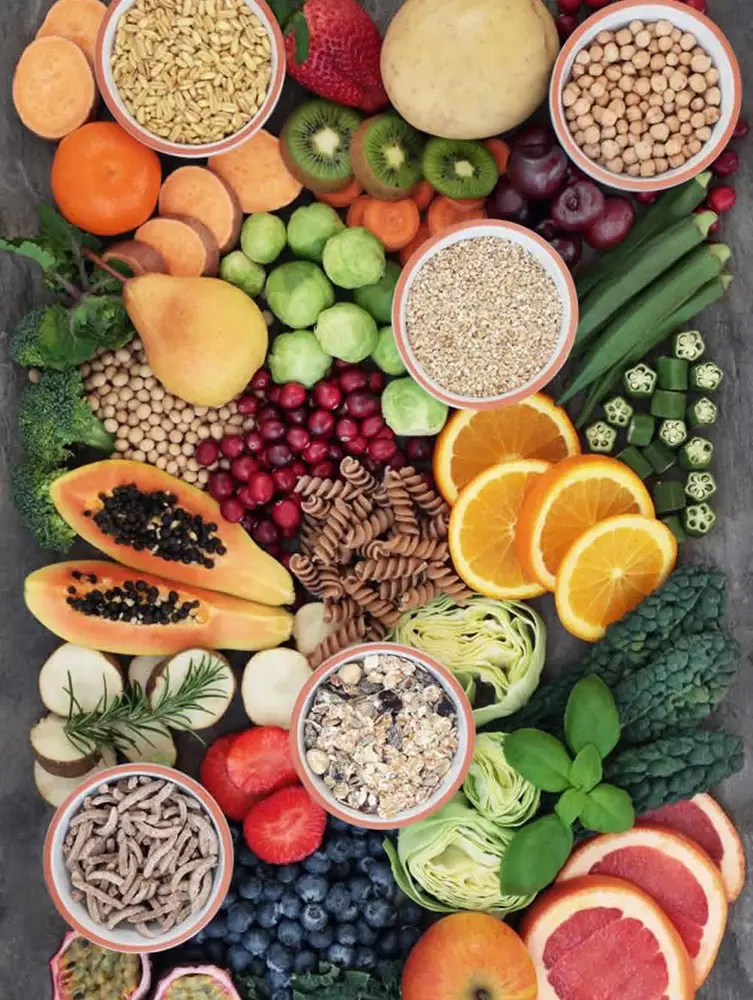
Are you looking for a way to maintain a healthy lifestyle while managing your potassium levels? Look no further!
Although potassium is an essential mineral required in your body to stay fit there are some medical condition that requires you to monitor your potassium intake or you might simply want to adopt a healthier eating habit. Incorporating these foods into your diet will help you maintain optimal potassium levels and keep you feeling your best.
In this article, we will explore the best low-potassium diet foods that are not only delicious but also beneficial for your overall well-being. So let's dive in and discover the top low potassium diet foods to keep you healthy!
1. Apple
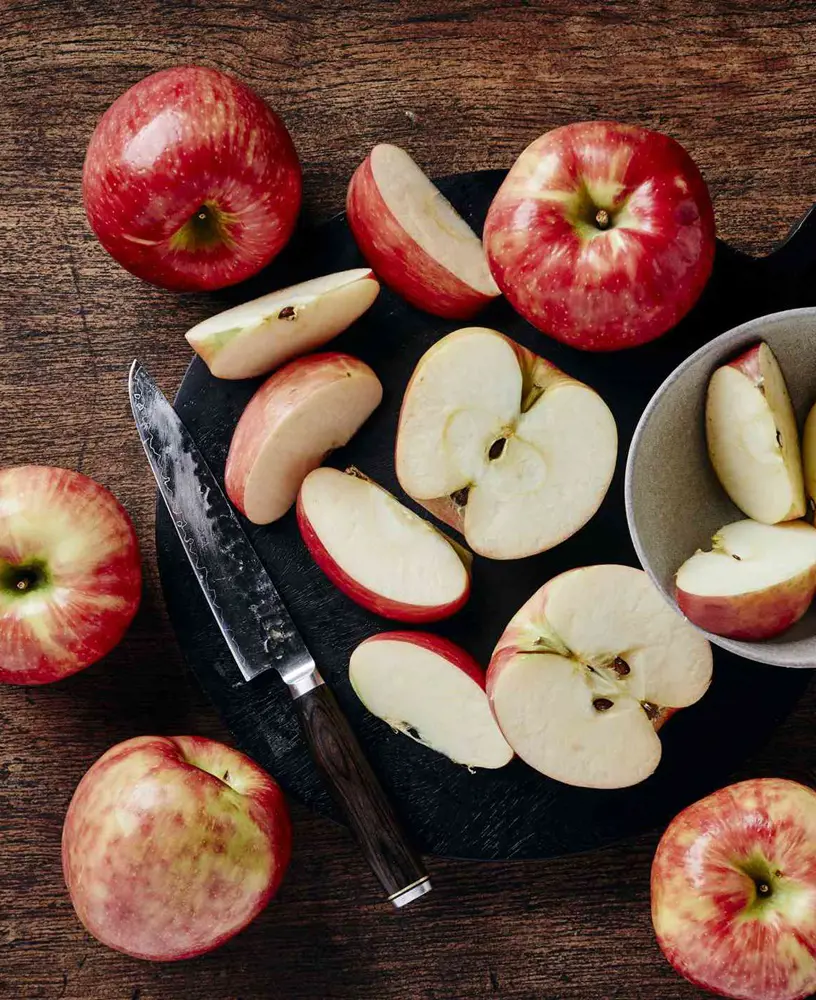
An apple, often heralded as nature's perfect snack, boasts a delightful blend of sweetness and tartness, making it a universally beloved fruit. With its low potassium content, it's an ideal choice for individuals monitoring their potassium intake.
Beyond its delicious taste, apple benefits include its rich in essential nutrients like fiber, vitamin C, and various antioxidants, promoting digestive health and bolstering the immune system. Enjoyed fresh or incorporated into salads, smoothies, or baked goods, apples offer a versatile and nutritious addition to any diet, especially for those seeking low-potassium-content foods.
2. Blueberries
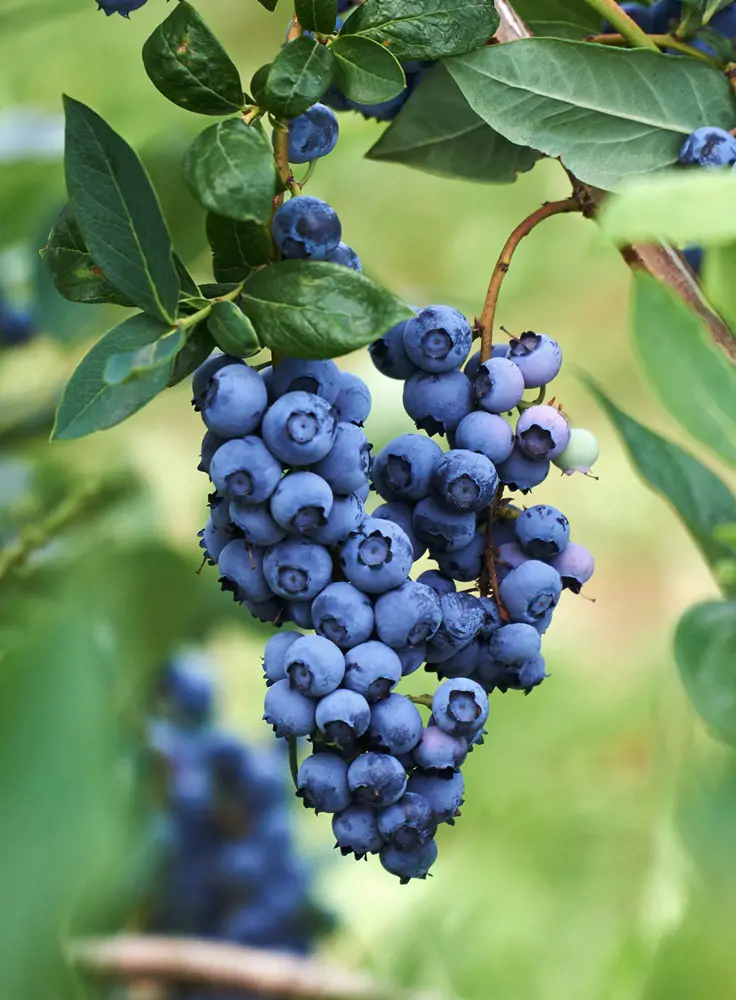
Blueberries, renowned for their sweet and tangy flavor, are not only a delicious treat but also a nutritious option low in potassium. With just 114 milligrams per cup, they fit well into a low-potassium diet.
They are among foods packed with antioxidants, fiber, and vitamins C and K, and offer numerous health benefits. Blueberries can be enjoyed fresh, added to smoothies, yogurt, or oatmeal, or baked into muffins and pies. Their versatility makes them a delightful addition to any meal or snack, especially for those seeking potassium-poor foods.
3. Grapes
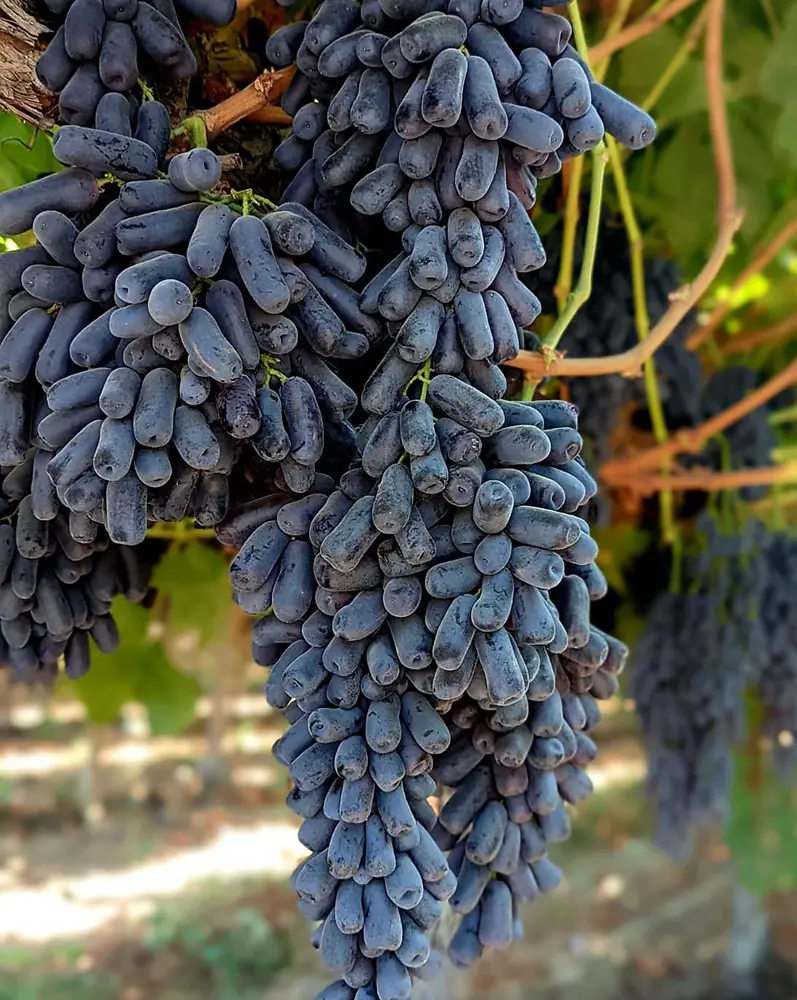
Grapes are a delectable fruit celebrated not only for their sweet taste but also as a low-potassium food, making them suitable for individuals on potassium-restricted diets. With a modest potassium content and a variety of types of grapes to choose from, they fall into the category of delicious potassium-poor foods.
Grapes are among the foods rich in antioxidants, vitamins C and K, they contribute to overall health. Their succulent flavor and portability make them an ideal snack, and they enhance salads or cheese platters. Whether red, green, or black, grapes offer a refreshing, guilt-free treat, perfect for those seeking a potassium-conscious lifestyle.
4. Pineapple
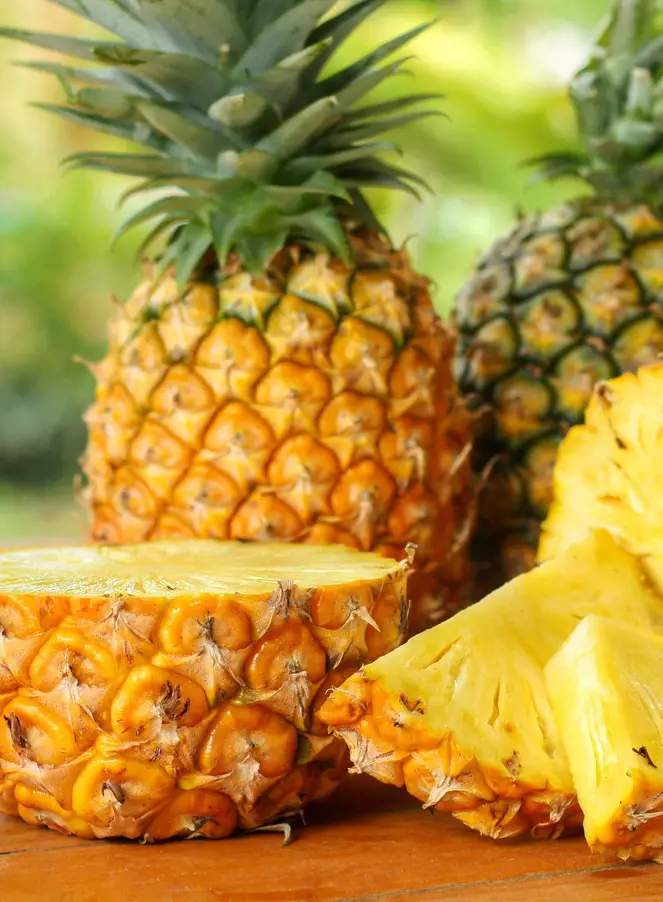
Pineapple, a tropical fruit known for its vibrant taste and juicy texture, stands out as a low-potassium food, making it an excellent choice for individuals with dietary restrictions. With its tangy sweetness and refreshing flavor profile, pineapple offers a burst of tropical goodness.
They are rich in vitamin C, manganese, and bromelain, it boast notable health benefits. Whether enjoyed fresh, grilled, or blended into smoothies, pineapple serves as a delightful addition to salads, desserts, and savory dishes, providing a flavorful twist to any meal, especially for those seeking foods low in potassium.
5. Asparagus
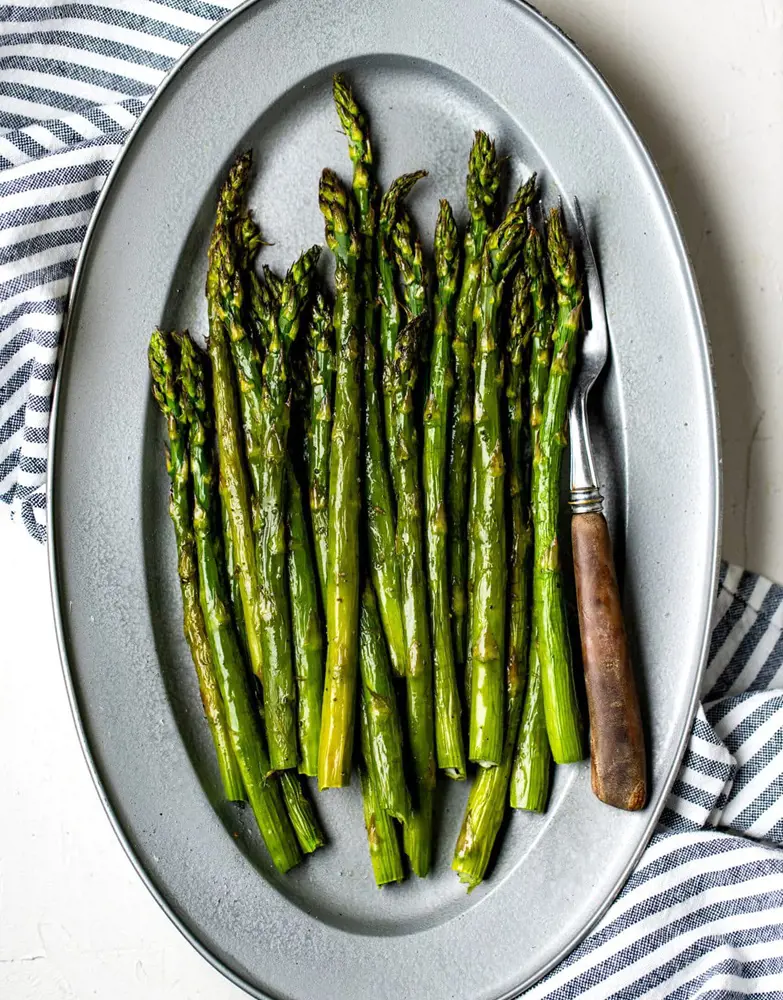
Asparagus offers a delightful combination of flavors, ranging from mildly sweet to slightly earthy, making it a versatile addition to various dishes. This slender veggie boasts a low potassium content, making it suitable for individuals on restricted diets.
Asparagus benefits are unmatched and they have an abundance of essential nutrients like vitamins A, C, and K, as well as folate and fiber, asparagus promotes overall health. Enjoy it steamed, roasted, or grilled to retain its crisp texture and enhance its natural taste. Incorporating veggies with low potassium like asparagus into your meals can diversify your diet while supporting your nutritional needs.
6. Broccoli
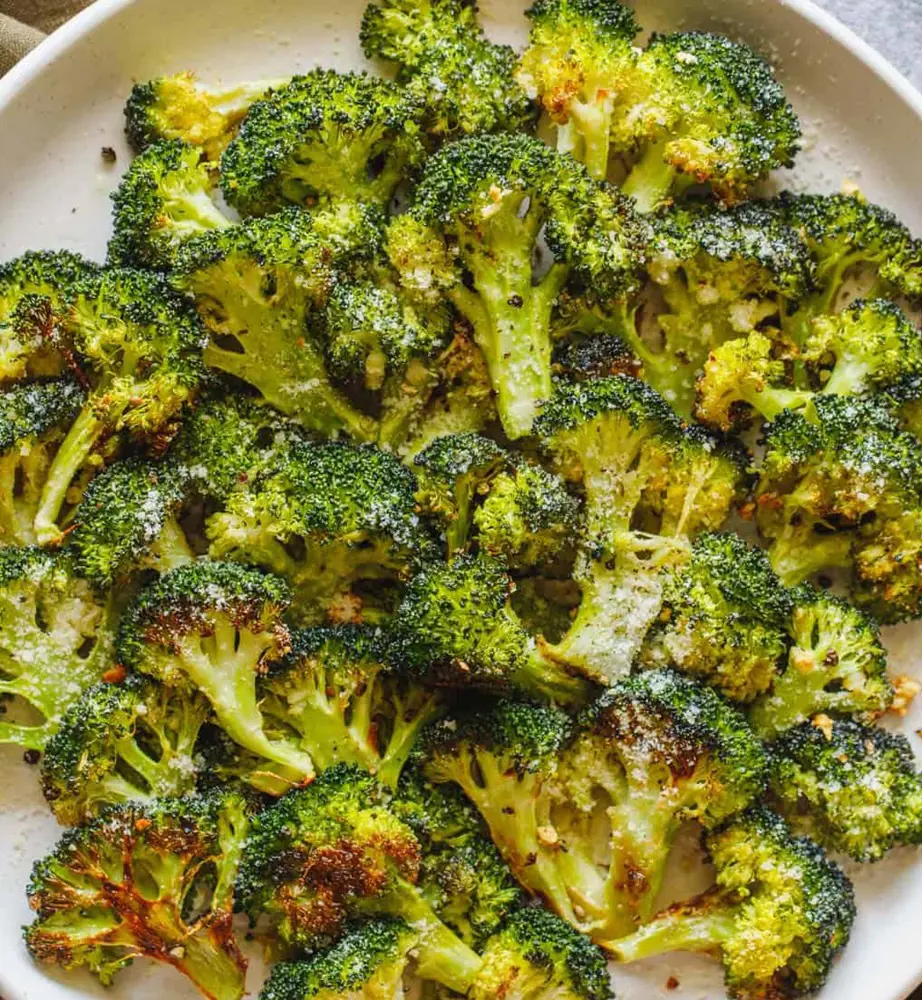
Broccoli may not immediately jump to mind as a low-potassium veggie, but it's a surprisingly accommodating choice. While a cooked serving packs a moderate dose, raw or frozen florets drop the levels significantly, making them perfect for folks needing to watch their intake.
Don't be fooled by its unassuming nature, though. Broccoli bursts with vitamin C, fiber, and even calcium, acting as a mini powerhouse on your plate. The best part? It's incredibly versatile! Roast it for nutty sweetness, steam it for a light crunch, or even toss it raw into salads for a peppery pop.
7. Cucumber
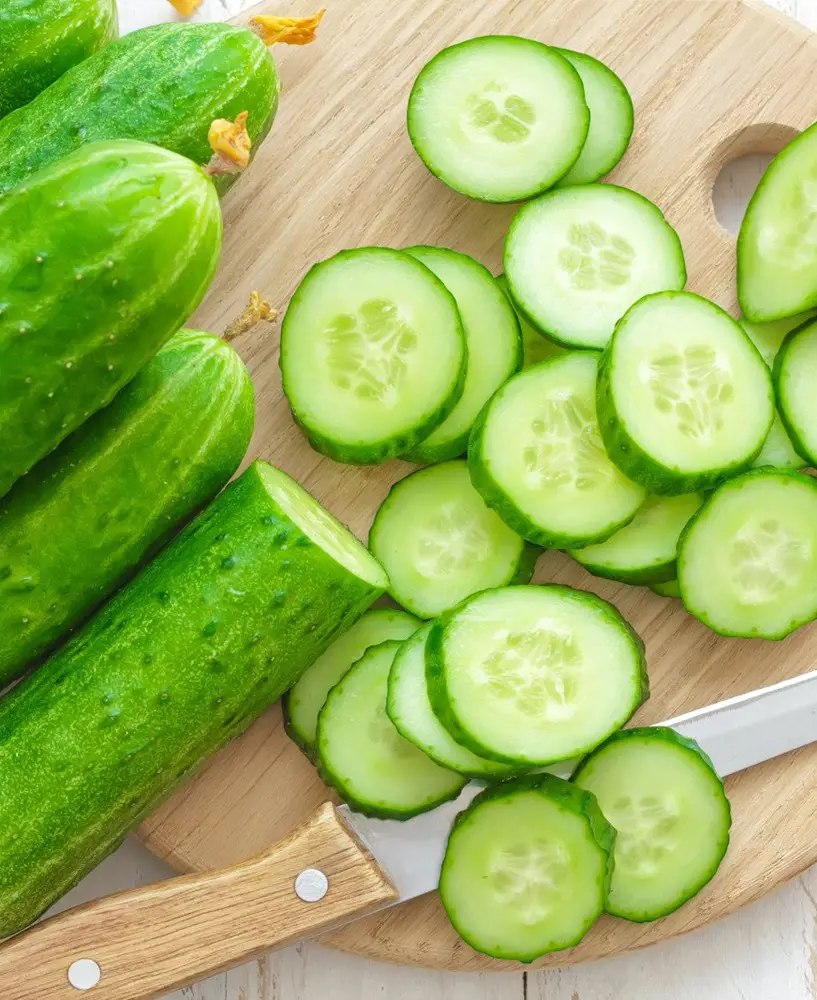
Cucumber, a cool, refreshing summer staple, is a nutritional delight masquerading as a simple salad staple. While its mild, slightly sweet flavor and crisp, watery texture might not scream "nutrient powerhouse," a cup of cucumber slices boasts essential vitamins like K and C, along with bone-building silica.
What truly makes cucumber stand out is its low potassium content. With only 76 milligrams per cup, it's a perfect choice for those following a food that is low in potassium diet, like individuals with kidney disease. So, how to best enjoy this versatile veggie? Dice it for a refreshing salsa, blend it into a cool gazpacho, or simply slice it into ribbons for a light and healthy snack.
8. Eggplant
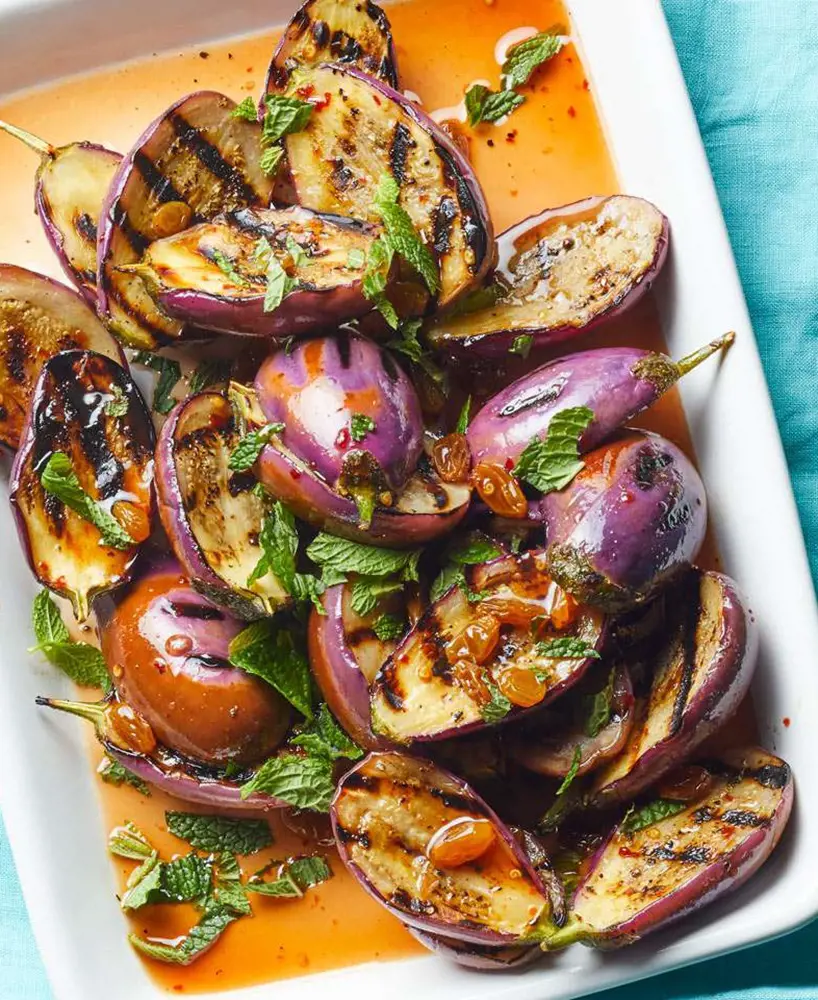
Eggplant is a versatile vegetable known for its mild, earthy flavor and prized for its low potassium content, making it suitable for those with dietary restrictions. With just 6% of the recommended daily intake per cup, it's a wise choice for managing potassium levels.
Apart from its low potassium content, eggplant is packed with fiber, vitamins, and antioxidants, promoting digestive health and bolstering immunity. Whether grilled, roasted, or sautéed, it adds depth to dishes like ratatouille or eggplant parmesan, showcasing its delicious versatility among foods with low potassium content.
9. Beans
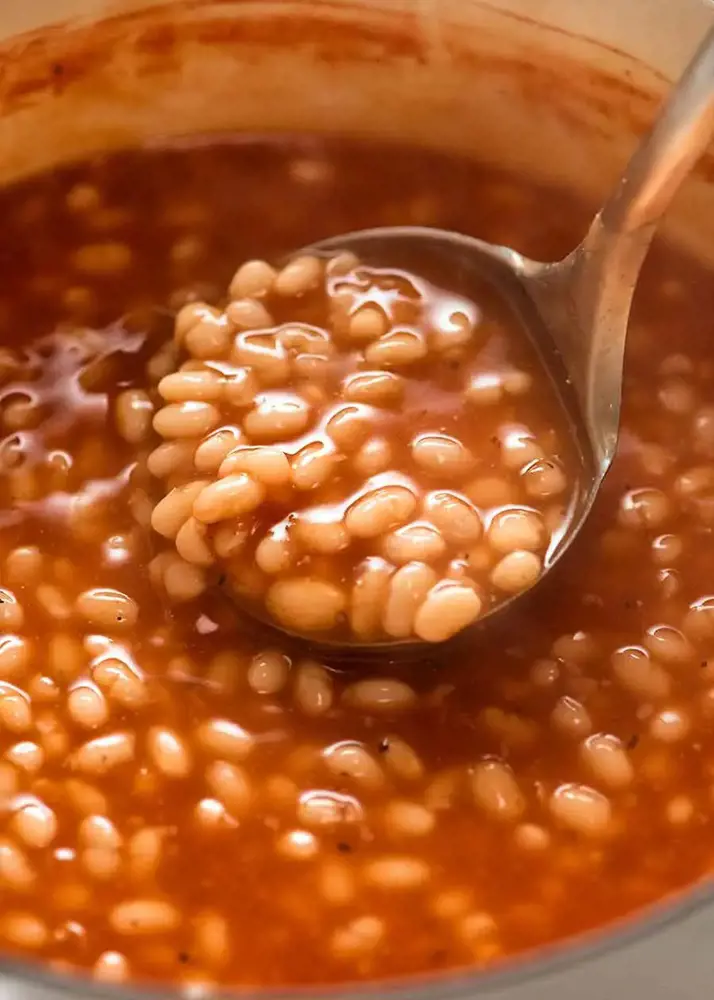
Beans are a boon for those on a low-potassium diet, offering a savory taste and versatile culinary potential. Filled with protein, fiber, and essential vitamins like folate and iron, beans are a nutritious choice. Moreover, they're a gluten-free food, making them even healthier.
Their low potassium content makes them ideal for individuals with specific dietary restrictions. Whether blended into hearty soups, tossed in salads, or mashed for dips, beans offer a satisfying texture and earthy flavor that complements various dishes, making them a staple in many cuisines emphasizing low-potassium diet foods.
10. Chicken

Chicken is a popular low-potassium food due to its relatively low potassium content compared to other meats. Its taste is mild and versatile, making it suitable for various culinary styles.
With a rich protein profile and essential nutrients like B vitamins and selenium, chicken offers nutritional benefits. Grilled, roasted, or baked, chicken can be enjoyed in countless dishes, from salads to stir-fries. Its adaptability in recipes makes it a staple choice for those seeking low-potassium foods, especially meats.
11. Eggs

Eggs, with their mild, slightly savory flavor, are a versatile low-potassium food. Each one clocks in at a mere 63mg, making them a great choice for those following a restricted potassium diet.
They're also nutritional powerhouses, boasting protein, choline, and vitamin A. Whether scrambled, poached, or boiled, eggs are a blank canvas for flavor. Pair them with low- or no-potassium vegetables like spinach or bell peppers for a satisfying and healthy meal. From fluffy omelets to decadent custards, eggs offer endless possibilities for delicious and potassium-conscious creations.
12. Fish

Most fish, while a healthy protein source, don't hold a candle to fruits or vegetables when it comes to potassium. In fact, many varieties fall into the category of low or no-potassium foods, making them a great option for those needing to watch their intake.
Salmon an excellent low-potassium option, boasts a richer, oily taste and delivers a wealth of omega-3s. Simply grilled or roasted, it's a nutritional powerhouse with only 326 mg of potassium. So, whether you prefer the subtle sweetness of halibut or the satisfying richness of salmon, know that you're getting a delicious, versatile protein that won't tip the scales on your potassium count.
13. Pasta
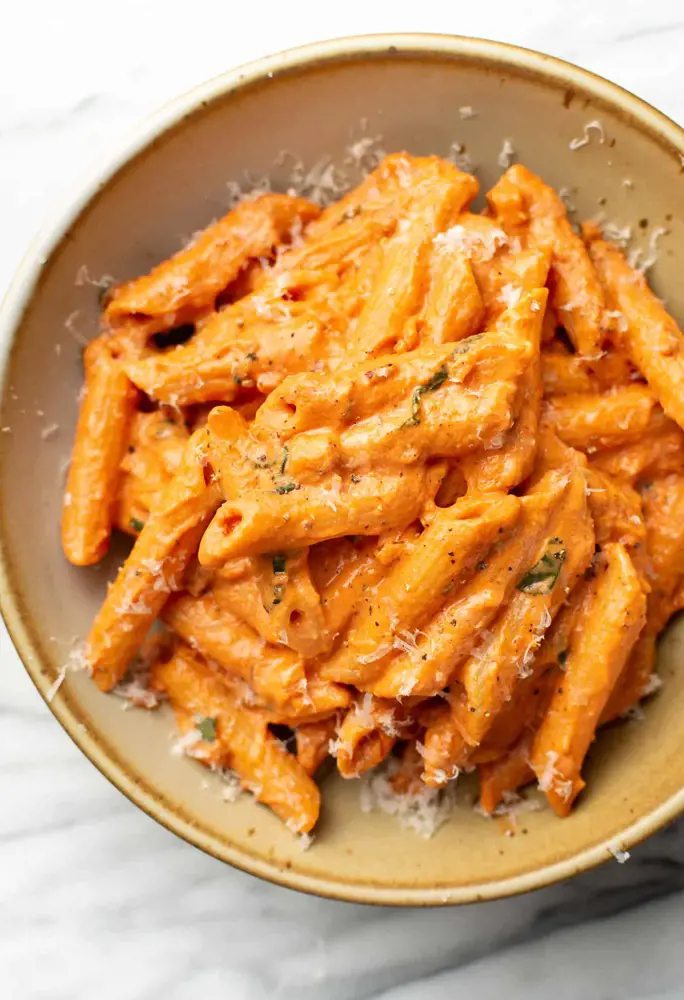
Pasta, a staple in many cuisines, is prized not only for its versatility but also for being a low-potassium food, making it suitable for individuals with dietary restrictions.
Its neutral flavor profile allows for diverse culinary interpretations with a myriad of pasta sauces ranging from simple marinara sauces to creamy Alfredo concoctions. Composed primarily of carbohydrates, pasta provides sustained energy while being relatively low in protein and fat. Best enjoyed al dente, pasta pairs effortlessly with an array of sauces, vegetables, and proteins, offering endless possibilities for satisfying meals that are low in potassium.
14. Oatmeal
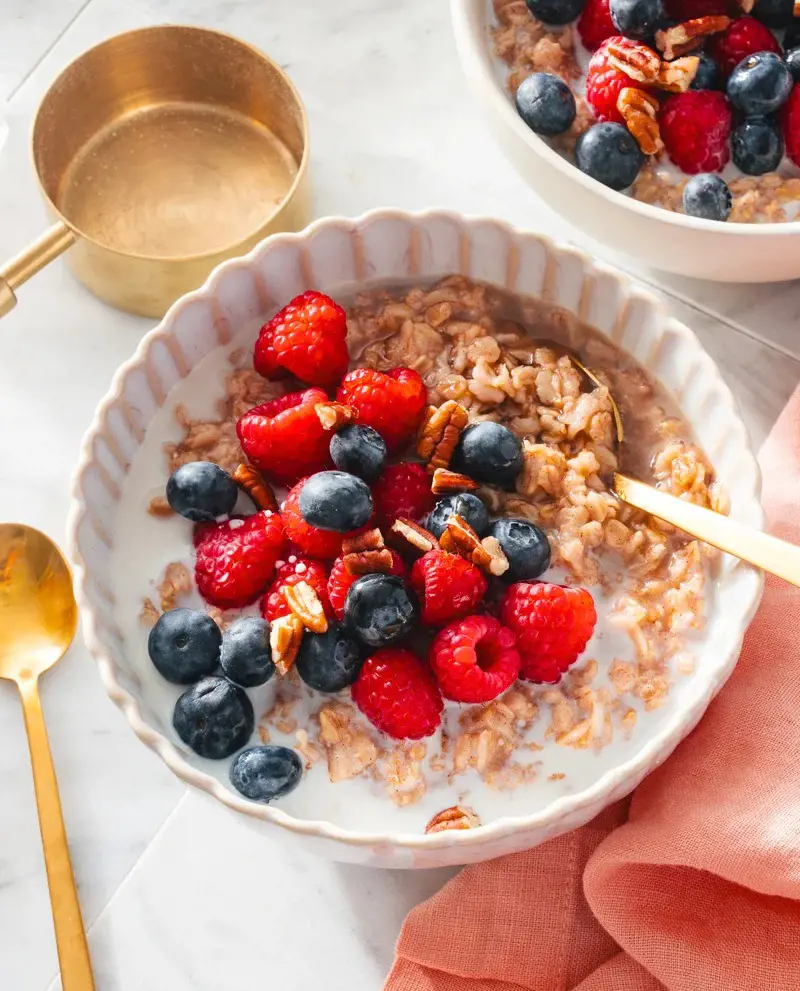
Oatmeal stands out as a low-potassium breakfast option due to its mild flavor and versatile nature. This wholesome grain provides a hearty, filling taste without compromising on health.
Its nutrient composition includes essential vitamins, minerals, and fiber, making it an ideal choice for those watching their potassium intake. To enjoy oatmeal best, consider adding fresh fruits like berries or a sprinkle of nuts for added texture. Incorporating low-potassium breakfast foods like oatmeal into your diet ensures a nutritious start to the day while catering to dietary restrictions.
15. Rice
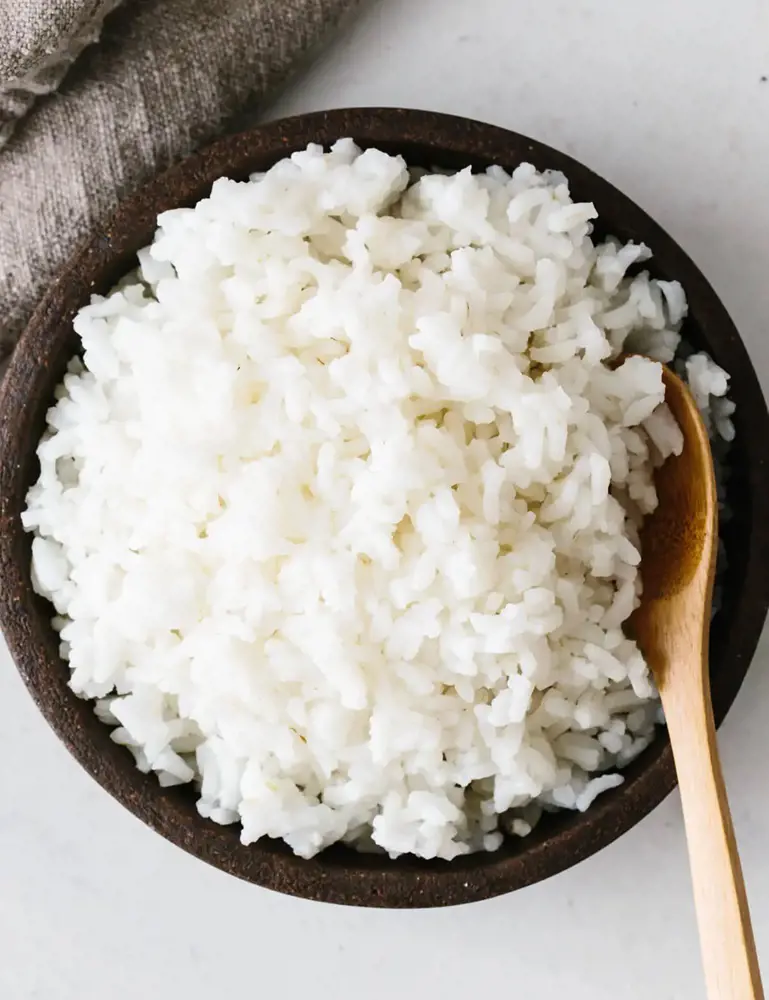
Rice serves as an excellent choice due to its neutral taste and versatility. This grain is a staple in many diets and is naturally low in potassium, making it suitable for those with specific dietary restrictions.
Its nutrient profile includes essential carbohydrates and some protein, providing sustained energy throughout the day. To best enjoy rice, consider pairing it with grilled vegetables or lean proteins for a balanced and satisfying meal. Including rice in your low-potassium diet meals ensures a wholesome and adaptable foundation for various culinary creations.
16. Fresh-Brewed Coffee

Fresh-brewed coffee emerges as a viable option for those keeping their potassium intake in check, boasting a simple yet robust flavor profile. While being naturally low in potassium, it offers a satisfying caffeine boost and contains essential antioxidants.
Coffee benefits include a boost in mood and brain health among others, it is best enjoyed piping hot or over ice, and coffee lends itself to various preparations, from a classic black cup to creamy lattes or flavorful cold brews. Incorporating fresh-brewed coffee into your routine ensures a stimulating start to the day, aligning with the requirements of a low-potassium diet.
17. Fresh-Brewed Tea

Fresh-brewed tea's brilliance for low-potassium diet meals lies in its simplicity. With a modest dose of potassium (around 90mg per cup), it's a refreshing counterpoint to the potassium-heavy staples common on such plans.
Black tea offers a smooth malty depth, while green tea whispers grassy notes. Herbal blends like chamomile and peppermint bring floral and cooling sensations. These naturally low-potassium brews can be savored hot or iced, with a squeeze of lemon or a touch of honey to enhance their subtle flavors. For a delightful midday break or calming evening ritual, let a steaming cup of tea elevate your low-potassium diet meals, one sip at a time.
18. Fresh-Squeezed Lemonade

Made simply with lemons, water, and a touch of sweetness, fresh lemonade packs a delightful tartness without the mineral punch of potassium-heavy fruits. A cup yields a mere 20 milligrams, a whisper compared to oranges or bananas.
Beyond its potassium-friendliness, it's a calorie-conscious treat, boasting negligible fat and protein while offering a sweet-citrusy burst. Sip it chilled on a hot day, add a sprig of mint for a touch of coolness, or blend it with frozen berries for a vibrant smoothie – all ways to savor its sunshine-in-a-glass goodness while supporting your dietary needs.
19. Tofu
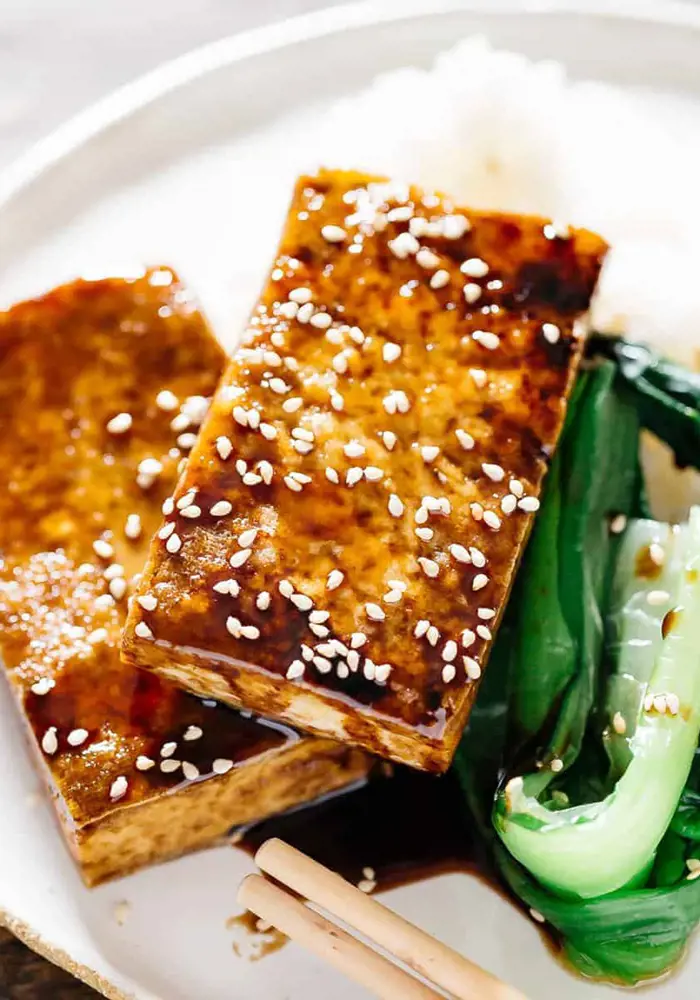
While technically not a potassium powerhouse, tofu shines for its low levels compared to other protein sources. With around 186 mg per half-cup serving, with so many types of tofu to choose from, it is a friendly option for folks on hyperkalemia diets.
Don't let its mild nature fool you, though! Tofu readily soaks up the flavors it's cooked with, transforming into a chameleon of deliciousness. Pan-fry it for crispy bites, braise it for melt-in-your-mouth richness, or blend it into creamy sauces. With a little creativity, tofu becomes a blank canvas for culinary adventures, all while keeping your potassium in check. So, go ahead and explore its versatility - your taste buds and kidneys will thank you!
20. Lentils
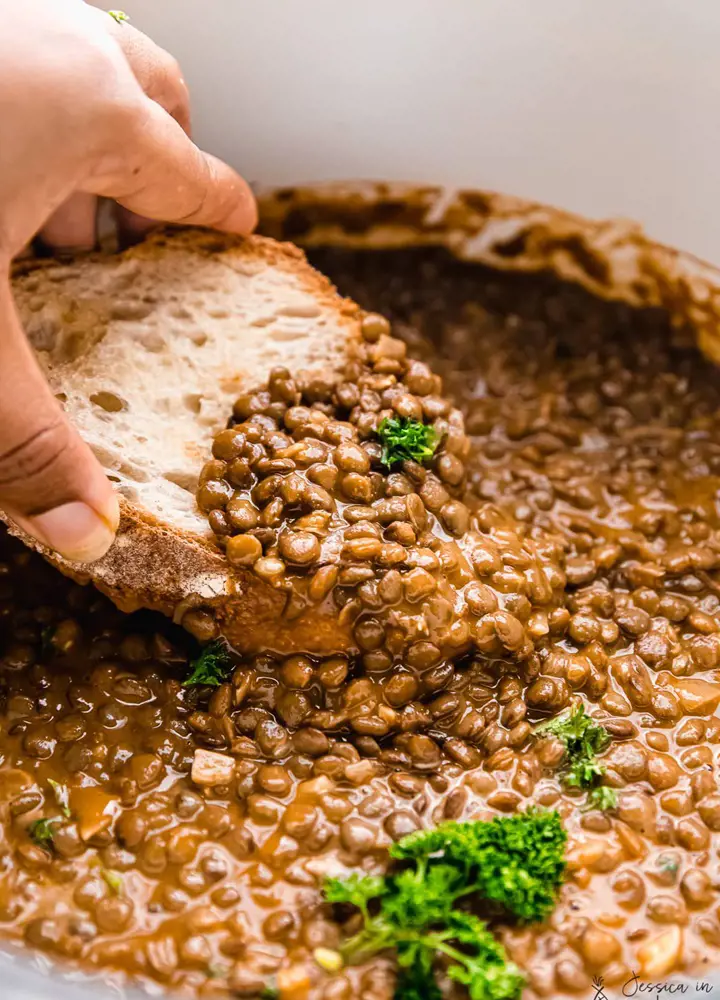
While lentils boast an impressive array of nutrients, including protein, fiber, and iron, potassium is one they don't hold in excess. Compared to other legumes, lentils rank lower on the potassium scale, making them a friendly option for those needing to monitor their intake.
This doesn't compromise on flavor, though! Their earthy sweetness dances with subtle nutty notes, and they readily absorb the aromatics of spices and herbs. Best enjoyed simmered in stews, soups, or curries, lentils lend a satisfying heartiness and creamy texture, turning humble dishes into delicious and nourishing feasts.
Recent posts
Nutrition
Nutrition
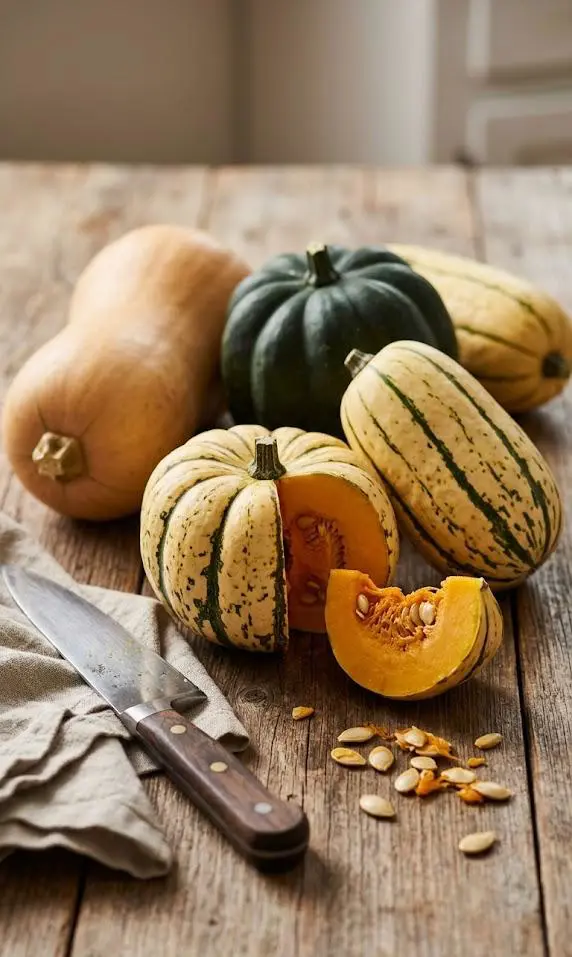
Can You Eat Squash Skin? Health Benefits and Cooking Tips
Squash is a versatile vegetable that comes in many shapes, sizes, and colors. From butternut squash to acorn squash and zucchini, it’s a staple in many kitchens. The answer depends on the type of squash, its maturity, and how it’s prepare...
Nutrition
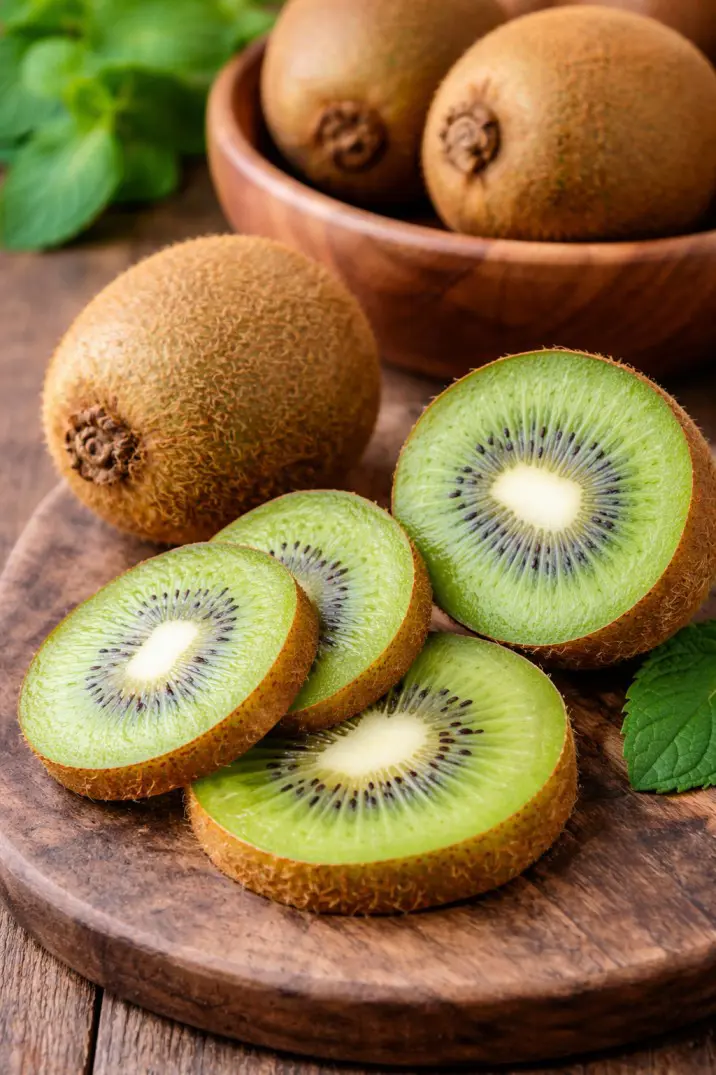
Can You Eat Kiwi Skin? Benefits, Risks, and Tips
The kiwi fruit, with its vibrant green flesh and tiny black seeds, is a favorite in fruit salads, smoothies, and desserts. But many people peel it before eating, leaving behind its fuzzy brown skin. The question arises: can you eat kiwi skin? Wh...
Nutrition
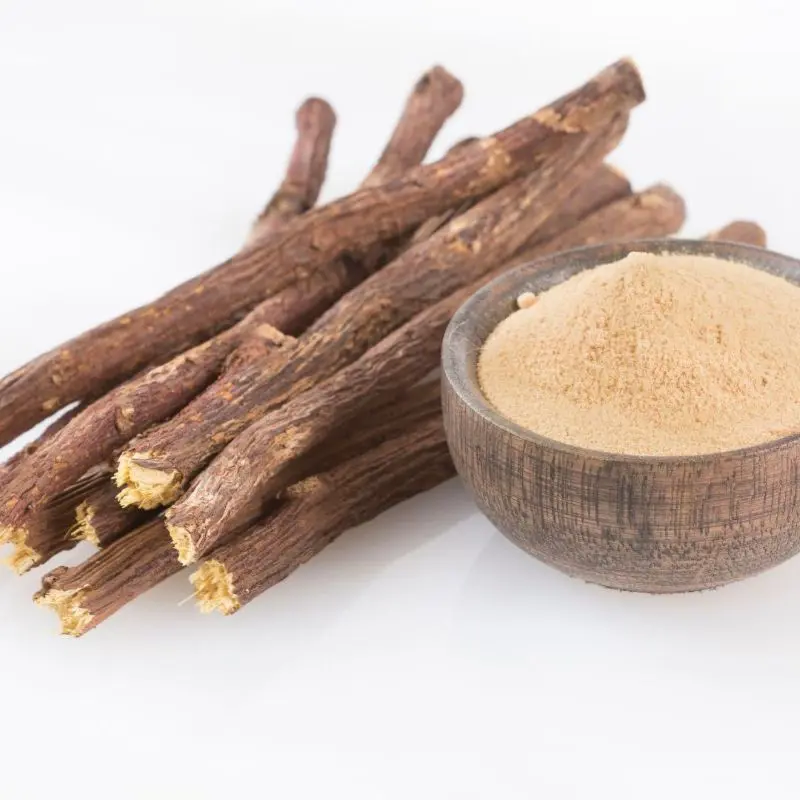
Licorice Root: Benefits And Uses
You can spell it liquorice or licorice; this herb or root has been in use for centuries in most medicinal applications, as a natural sweetener and to enhance flavors. Regarding its origins, it comes from the root of the "Glycyrrhiza galbre" plant and...
Nutrition
Is Salmon Good For You? Nutritional Facts and Benefits
Salmon fish is a staple diet throughout the world, popular as a super food for its nutrients. Whether savored in sushi, poached, grilled, roasted, or pan-fried, salmon offers minerals and vitamins that contribute to healthy bodily functions. In addit...
Nutrition
25 Smoked Salmon Recipes That You Will Enjoy
Salmon is a silver-colored fish that is loaded with many nutrients, vitamins, and omega-3 fatty acids. Smoked Salmon is better for improving your health and reducing the risk of cancer, heart-related diseases, fights inflammation, reduces anxiety and...

Nutrition
Are Sausages Healthy? Nutrition And Health Benefits
Sausages are tasty in an addictive way, making them one of the most popular foods worldwide. You may have enjoyed this convenient food often, whether on a bun with mustard or grilled on a barbecue, the simple preparation methods are what makes its co...