16 Mullein Tea Benefits For Your Health

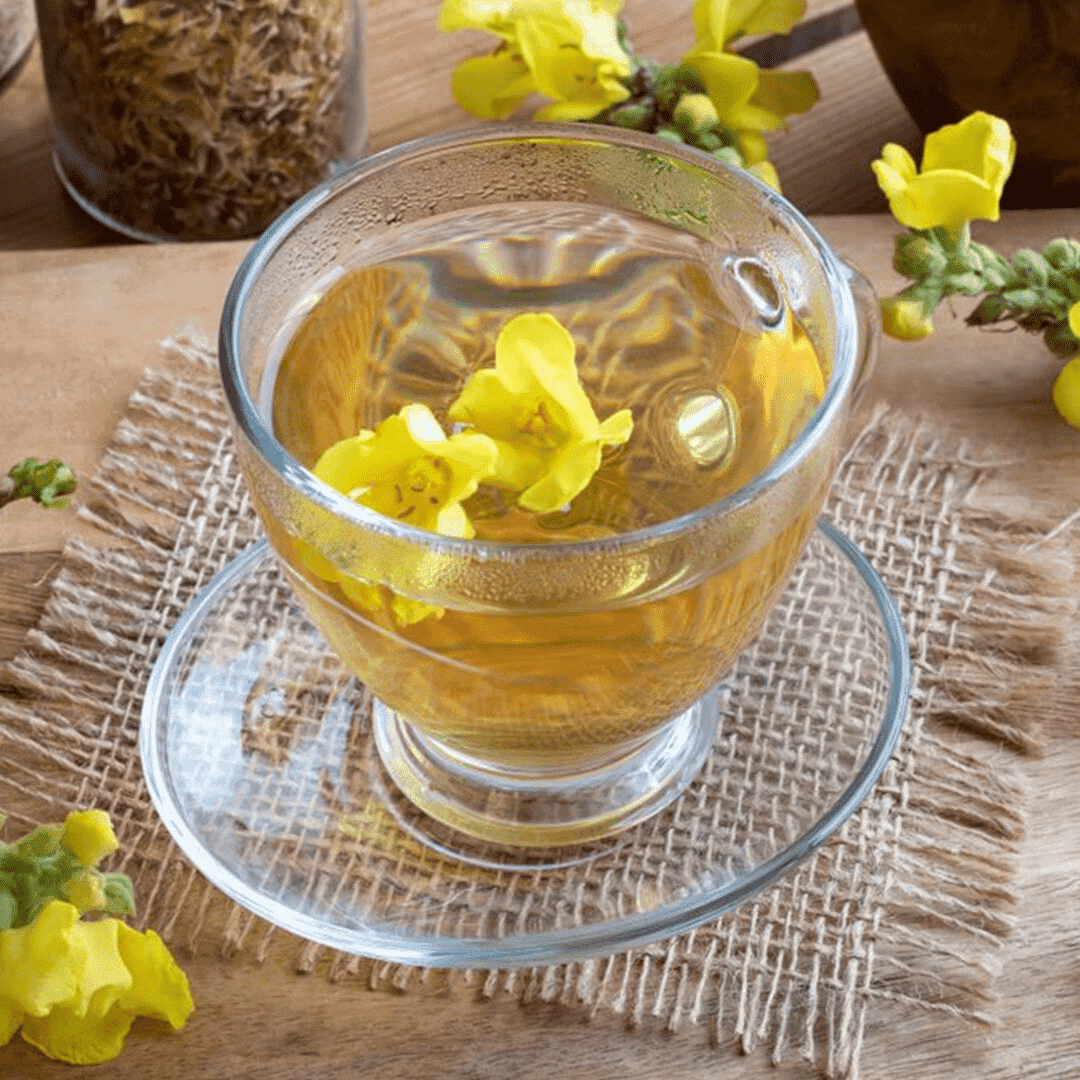
Mullein tea, made from the leaves and flowers of the Verbascum thapsus plant, has been used for centuries in traditional medicine for its myriad health benefits.
Mullein, a biennial plant native to Europe, Asia, and North Africa, is now found across the globe. Its tall, flowering stalks and large, velvety leaves make it a recognizable and valuable herb. The following are 16 key benefits of mullein tea, supported by scientific research and historical usage.
1. Respiratory Health
Mullein tea is renowned for its ability to support respiratory health. It acts as an expectorant, helping to expel mucus from the lungs and clear the respiratory tract.
This makes it particularly beneficial for individuals suffering from coughs, bronchitis, and other respiratory conditions. The saponins in mullein help to break down mucus, making it easier to expel, while the mucilage soothes irritated mucous membranes.
2. Anti-Inflammatory Properties
The anti-inflammatory properties of mullein tea can help reduce inflammation in the body. This is particularly useful for conditions like arthritis and other inflammatory diseases.
The plant contains compounds such as verbascoside and aucubin, which have been shown to reduce inflammation and promote healing.
3. Antiviral and Antibacterial Effects
Mullein tea has antiviral and antibacterial properties, which can help fight infections. It has been used traditionally to combat the common cold, flu, and other viral infections.
Modern studies have shown that mullein extracts can inhibit the growth of certain bacteria, including Staphylococcus aureus and E. coli, further supporting its use in fighting infections.
4. Pain Relief

Mullein tea can act as a natural pain reliever. The anti-inflammatory compounds not only reduce swelling but also alleviate pain. This makes it a useful remedy for headaches, joint pain, and muscle aches.
Historical use includes applying mullein poultices to wounds and painful areas for relief.
5. Improving Digestive Health
Drinking mullein tea can support digestive health. It can help soothe the digestive tract, reduce inflammation, and improve overall digestive function. Mullein has been used traditionally to treat diarrhea, constipation, and other digestive issues.
The mucilage in mullein provides a protective coating, which can ease discomfort from gastritis and ulcers.
6. Skin Health
Mullein tea, when applied topically, can improve skin health. It has been used to treat various skin conditions such as eczema, wounds, burns, and rashes. The anti-inflammatory and antimicrobial properties help reduce infection and promote healing.
Applying cooled mullein tea or using it in a compress can provide soothing relief for irritated skin.
7. Boosting Immune System
Regular consumption of mullein tea can help boost the immune system. The antioxidants and other immune-supporting compounds in mullein can help strengthen the body’s natural defenses.
This makes it a great addition to a regular health regimen, particularly during cold and flu season.
8. Easing Ear Infections
Mullein oil, often derived from flowers, is commonly used to treat ear infections. The antibacterial and anti-inflammatory properties make it effective in reducing pain and infection in the ear.
A few drops of mullein oil in the affected ear can provide relief and promote healing.
9. Detoxifying the Body
Mullein tea has detoxifying properties that can help cleanse the body. It supports liver function and aids in the elimination of toxins.
Drinking mullein tea regularly can help improve overall health by promoting the body’s natural detoxification processes.
10. Relieving Insomnia

Mullein tea has a calming effect that can help promote better sleep. It can be used to relieve insomnia and improve sleep quality. The mild sedative properties of mullein make it an excellent herbal remedy for those struggling with sleep disturbances.
11. Reducing Stress and Anxiety
The calming effects of mullein tea can also help reduce stress and anxiety. Drinking a cup of mullein tea can provide a sense of relaxation and help alleviate the symptoms of stress and anxiety. This makes it a valuable herb for maintaining mental health and well-being.
12. Supporting Cardiovascular Health
Mullein tea can support cardiovascular health by improving circulation and reducing inflammation in blood vessels. The anti-inflammatory properties can help prevent the buildup of plaque in arteries, reducing the risk of heart disease.
Additionally, the antioxidants in mullein can help protect the heart from oxidative stress.
13. Anti-Cancer Potential

Some studies suggest that mullein may have anti-cancer properties. The antioxidants and anti-inflammatory compounds in mullein have shown promise in inhibiting the growth of certain cancer cells.
While more research is needed, these preliminary findings highlight the potential of mullein as a complementary treatment for cancer.
14. Supporting Kidney Health
Mullein tea can support kidney health by promoting diuresis, which helps in flushing out toxins from the body. This can help prevent kidney stones and support overall kidney function.
The anti-inflammatory properties also help reduce inflammation in the kidneys.
15. Treating Hemorrhoids
The anti-inflammatory and soothing properties of mullein tea can help treat hemorrhoids. Drinking mullein tea can reduce internal inflammation, while topical application of mullein compresses can provide relief from pain and swelling associated with hemorrhoids.
16. Improving Oral Health

Mullein tea can improve oral health by reducing inflammation and infection in the mouth. It has been used traditionally as a mouthwash to treat oral infections, gingivitis, and sore throats.
The antibacterial properties help eliminate harmful bacteria in the mouth, promoting overall oral hygiene.
Mullein Tea Nutritional Facts
While mullein tea is primarily valued for its medicinal properties rather than its nutritional content, it still contains some essential nutrients and compounds that contribute to its health benefits.
Here are the approximate nutritional facts for mullein tea per 1-cup (240ml) serving:
-
Calories: Mullein tea is very low in calories, typically providing less than 5 calories per serving.
-
Carbohydrates: Mullein tea contains minimal carbohydrates, with less than 1 gram per serving.
-
Protein: Like carbohydrates, mullein tea contains minimal protein, typically less than 1 gram per serving.
-
Fat: Mullein tea is virtually fat-free, with negligible amounts of fat per serving.
-
Vitamins: While mullein tea is not a significant source of vitamins, it may contain small amounts of vitamin C and vitamin A, as well as trace amounts of vitamin E and vitamin K.
-
Minerals: Mullein tea contains trace amounts of minerals, including calcium, magnesium, potassium, and iron.
-
Other Compounds: The health benefits of mullein tea are primarily attributed to its bioactive compounds, including saponins, flavonoids, tannins, mucilage, and essential oils. These compounds contribute to mullein tea's antioxidant, anti-inflammatory, antimicrobial, and expectorant properties.
While mullein tea may not be rich in traditional nutrients like vitamins and minerals, its medicinal properties make it a valuable addition to a healthy lifestyle.
By harnessing the bioactive compounds found in mullein, you can enjoy its numerous health benefits, ranging from respiratory support to immune system enhancement.
Potential Side Effects of Mullein Tea
While mullein tea is generally considered safe for most people, there are potential side effects and precautions to be aware of. As with any herbal remedy, it’s essential to understand both its benefits and its possible risks.
Below are some potential side effects of mullein tea:
1. Allergic Reactions
Some individuals may experience allergic reactions to mullein. Symptoms can include:
- Skin rashes
- Itching
- Swelling
- Difficulty breathing
If you experience any of these symptoms after consuming mullein tea, discontinue use immediately and seek medical attention.
2. Gastrointestinal Issues
Excessive consumption of mullein tea can lead to gastrointestinal problems such as:
- Nausea
- Vomiting
- Diarrhea
To avoid these issues, it’s important to consume mullein tea in moderation and follow recommended dosages.
3. Contact Dermatitis
Handling mullein leaves can sometimes cause contact dermatitis, leading to skin irritation. If you are preparing your own tea from fresh mullein leaves, wear gloves to protect your skin.
4. Interaction with Medications
Mullein tea may interact with certain medications. Specifically:
- Diuretics: Mullein has diuretic properties, which can enhance the effects of prescribed diuretic medications, potentially leading to dehydration or electrolyte imbalance.
- Blood Pressure Medications: The diuretic effect can also influence blood pressure, possibly interfering with blood pressure medications.
- Sedatives: Mullein has mild sedative effects, which can enhance the effects of sedative medications or other substances that cause drowsiness.
If you are taking any medications, consult your healthcare provider before adding mullein tea to your regimen.
5. Pregnancy and Breastfeeding
The safety of mullein tea during pregnancy and breastfeeding is not well-documented. Therefore, pregnant and breastfeeding women should consult a healthcare provider before consuming mullein tea to avoid any potential risks to themselves or their baby.
6. Potential Contaminants
If mullein plants are grown in contaminated soil or exposed to pesticides, these harmful substances can be present in the tea. Always ensure you source high-quality, organic mullein to minimize the risk of contamination.
7. Overconsumption
Like many herbal remedies, overconsumption of mullein tea can lead to adverse effects. Stick to recommended dosages and avoid excessive intake.
Recommendations for Safe Use
To enjoy the benefits of mullein tea while minimizing the risk of side effects, consider the following recommendations:
-
Start with Small Amounts: If you are new to mullein tea, start with small amounts to see how your body reacts. Gradually increase the dosage if no adverse effects occur.
-
Consult a Healthcare Provider: If you have any pre-existing health conditions or are taking medications, consult your healthcare provider before adding mullein tea to your diet.
-
Choose High-Quality Products: Purchase mullein tea from reputable sources that guarantee the quality and purity of their products. Organic options are preferable to avoid contaminants.
-
Moderation: Even natural remedies can cause harm if taken in excess. Stick to recommended doses and avoid prolonged use without breaks.
-
Monitor for Side Effects: Be vigilant about any changes in your health after consuming mullein tea. If you notice any adverse effects, stop using it and consult a healthcare professional.
How to Make Mullein Tea

Making mullein tea is simple and can be done using dried or fresh mullein leaves and flowers. Here is a basic recipe:
-
Ingredients:
- 1-2 teaspoons of dried mullein leaves/flowers (or a small handful of fresh mullein)
- 1 cup of boiling water
- Honey or lemon (optional, for taste)
-
Instructions:
- Place the mullein leaves or flowers in a tea infuser or directly into a teapot.
- Pour boiling water over the mullein and let it steep for 10-15 minutes.
- Strain the tea to remove any plant material.
- Add honey or lemon if desired, and enjoy your cup of mullein tea.
Incorporating mullein tea into your daily routine can help promote overall health and well-being. However, it is always important to consult with a healthcare provider before starting any new herbal remedy, especially if you have underlying health conditions or are taking other medications.
By harnessing the natural benefits of mullein, you can enhance your health and enjoy the therapeutic effects of this remarkable plant. Whether you are seeking relief from a specific condition or looking to support your general wellness, mullein tea is a valuable addition to any herbal medicine cabinet.
Recent posts
Nutrition

Nutrition
Can You Eat Squash Skin? Health Benefits and Cooking Tips
Squash is a versatile vegetable that comes in many shapes, sizes, and colors. From butternut squash to acorn squash and zucchini, it’s a staple in many kitchens. The answer depends on the type of squash, its maturity, and how it’s prepare...
Nutrition
Can You Eat Kiwi Skin? Benefits, Risks, and Tips
The kiwi fruit, with its vibrant green flesh and tiny black seeds, is a favorite in fruit salads, smoothies, and desserts. But many people peel it before eating, leaving behind its fuzzy brown skin. The question arises: can you eat kiwi skin? Wh...
Nutrition
Licorice Root: Benefits And Uses
You can spell it liquorice or licorice; this herb or root has been in use for centuries in most medicinal applications, as a natural sweetener and to enhance flavors. Regarding its origins, it comes from the root of the "Glycyrrhiza galbre" plant and...

Nutrition
Is Salmon Good For You? Nutritional Facts and Benefits
Salmon fish is a staple diet throughout the world, popular as a super food for its nutrients. Whether savored in sushi, poached, grilled, roasted, or pan-fried, salmon offers minerals and vitamins that contribute to healthy bodily functions. In addit...

Nutrition
25 Smoked Salmon Recipes That You Will Enjoy
Salmon is a silver-colored fish that is loaded with many nutrients, vitamins, and omega-3 fatty acids. Smoked Salmon is better for improving your health and reducing the risk of cancer, heart-related diseases, fights inflammation, reduces anxiety and...

Nutrition
Are Sausages Healthy? Nutrition And Health Benefits
Sausages are tasty in an addictive way, making them one of the most popular foods worldwide. You may have enjoyed this convenient food often, whether on a bun with mustard or grilled on a barbecue, the simple preparation methods are what makes its co...