20 Soft Foods That Are Perfect For A Recovery Diet

Soft foods are foods used to reduce the amount of work the digestive tract does including chewing, swallowing and digestion.
These foods are generally recommended to patients with medical conditions such as pre-surgery patients, post-surgery patients and patients with stomach illness and abdominal pain due to cancer therapy.
Here, we talk about 20 foods that can be a part of your soft diet plan from breakfast to dinner.
1. Breakfast Cereal
Cereals are carbohydrate sources that can be added to your soft diet plan. Refined cooked or ready-to-eat cereals can be used to make a porridge. Fine oatmeal can be chosen for a smoother texture.
For preparation, soak these cereals in milk for a while or serve with hot milk to make the breakfast cereal soft. Porridge made with full-fat milk is highly recommended.
Avoid the use of mixed-consistency cereals like muesli and granola, high fiber-containing whole grain cereals like bran cereals, cereal added with nuts and cereal bars.
2. Bread
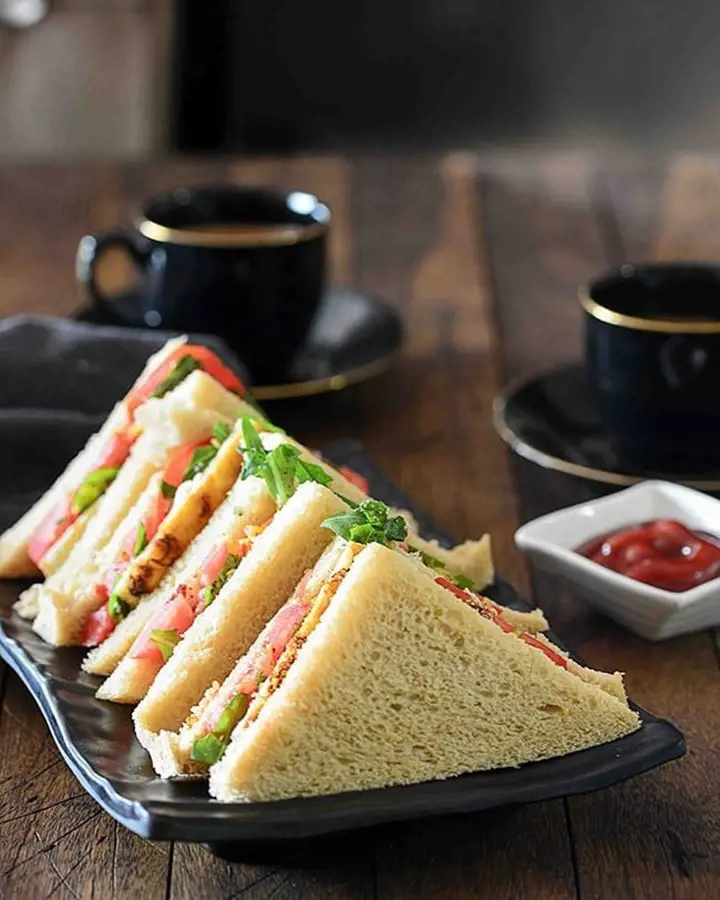
Bread can be another carbohydrate source on your soft diet plan. Refined white, wheat or rye bread is recommended for use as they are soft and fluffy. The crusts of the bread can be removed while making soft sandwiches.
For preparation, add soft fillings such as margarine, butter, mayonnaise, hummus, tinned fish, bolognese and mash, cream cheese or soft cheese in the mash. Seedless jam or marmalade can also be added to the bread. Avoid whole-grain breads to prevent the consumption of excess fibers. Also avoid breads with coconut, raisins, nuts or seeds.
3. Pasta and Noodles
Pastas and noodles are also carbohydrate sources. Boiled pasta and boiled noodles made with refined flour or white flour should be used in the soft diet. These foods must be cooked to a soft consistency before preparing any kind of dish.
You can prepare dishes like noodle soup, macaroni cheese, spaghetti bolognese, pasta casserole, ravioli and lasagne. Avoid any kind of uncooked pasta, whole-grain pasta and pasta salads.
4. Pancakes and Waffles

Pancakes and waffles both are perfect soft foods for anyone undergoing oral surgery. These soft foods are porous surfaced batter breads that can be made thin and fluffy. If the patient can not tolerate the freshly prepared pancake/ waffle, you can puree it in a processor.
A simple pancake/waffle needs a mixture of flour, sugar, salt, milk and butter. You can also add eggs to your pancake to make it more nutritious. Garnish with any syrup and serve. Try these popular pancake recipes for breakfast.
5. Soups
A completely smooth soup is a staple soft food for recovery. Mildly seasoned broth soups and cream soups can be prepared with vegetables, meats, bones and noodles.
Avoid bean, split pea, gumbo or onion soup. Also, avoid chunky soups or chowders. These vegetarian soup recipes are great for recovery and slow digestion.
6. Eggs
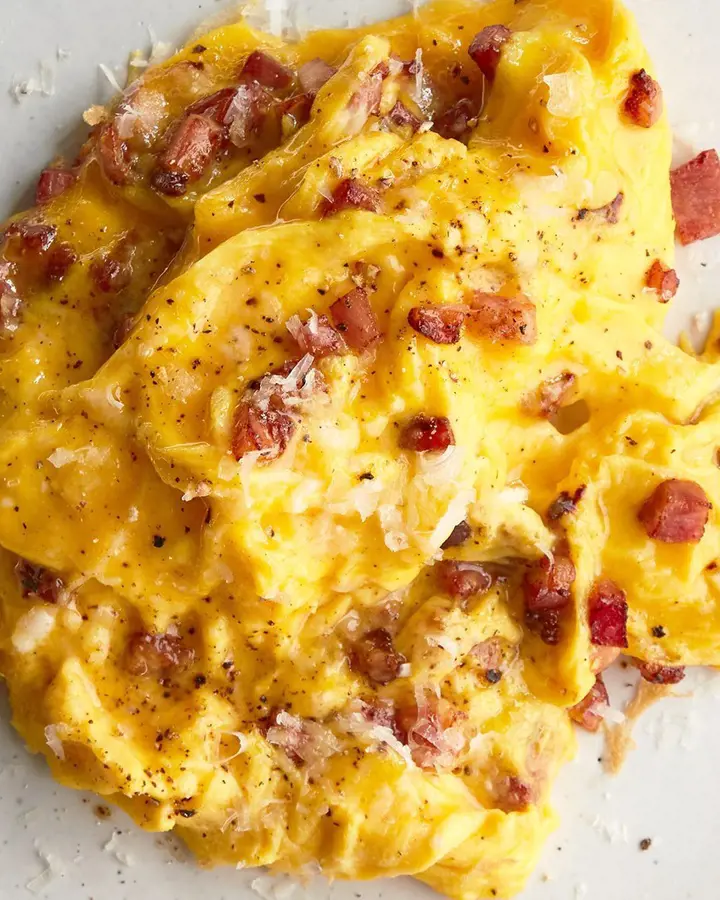
Eggs are a good source of protein and fat. Eggs can be soft boiled, poached, scrambled or made into a soft plain omelet. To make the egg extra-softer, you can add extra butter, margarine or milk to it.
For making an even softer dish using eggs, you can grate or mash boiled eggs with butter and mayonnaise. Avoid fried and hard-boiled eggs.
7. Minced Meats
Meats are an excellent source of protein. Finely minced meats or diced meats not exceeding 15mm can be included in the soft diet plan. These meats cooked until soft and tender are a good source of protein. You can choose any meat including chicken, beef, lamb, turkey and pork.
Meats minced or diced can be served with smooth sauce or gravy. Avoid skin, bones, fried/roasted meats, sausages, spare ribs and all tough meat.
8. Fishes
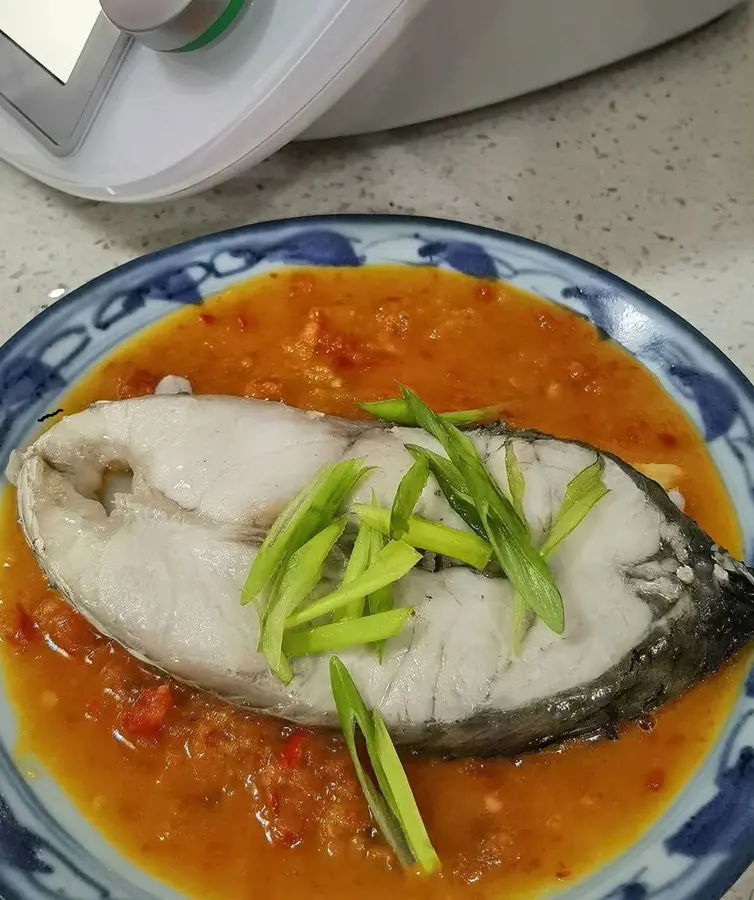
Tinned, fresh or frozen fish can be used to make soft food delight. You can include fish pie, fish paste or cooked fish into your soft food diet. The cooked fish should be tender enough to break into pieces with a fork.
You can steam, bake or microwave boneless fish and serve it with a smooth and thick sauce. Avoid fish skin, bones, fried fish, shellfish and battered/breaded fish.
9. Vegetables
Well-cooked and canned vegetables are another soft food for recovery. Potatoes are pure comfort food which when mashed is perfect for any kind of patient.
Fresh, frozen or tinned vegetables can be cooked and served with margarine, butter or tomato white sauce. For patients who can not tolerate well-cooked vegetables, try mashing them with margarine or butter and add grated cheese. Avoid raw vegetables, gas-forming vegetables such as cabbage and cauliflower and fried vegetables.
10. Fruits
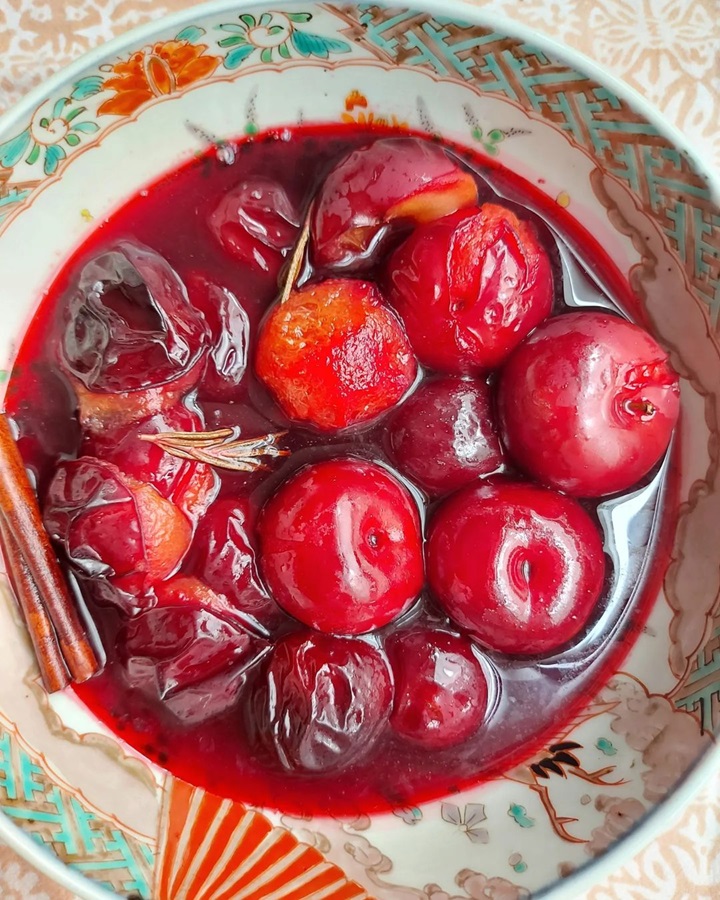
Overripe fruits that are soft and cut up are best for recovery patients. Bananas, avocados, peaches, and pears are some fruits that can be included in a soft food diet.
Avocados are among the most popular for recovering patients. So, choose from these types of avocados.
Any fruit can be stewed or mashed and served with ice cream, yogurt, custard, condensed or evaporated milk. Fruit cocktails, applesauce and fruit smoothies can also be prepared out of fruits.
11. Tofu
Tofu is made from condensed soy milk. It has a soft and smooth texture and is a great source of plant protein. It can be diced to small pieces, steamed grated or mashed for consumption by recovery patients.
Tofu can be used to prepare steamed dishes such as soups and tofu scrambles. Avoid fried tofus.
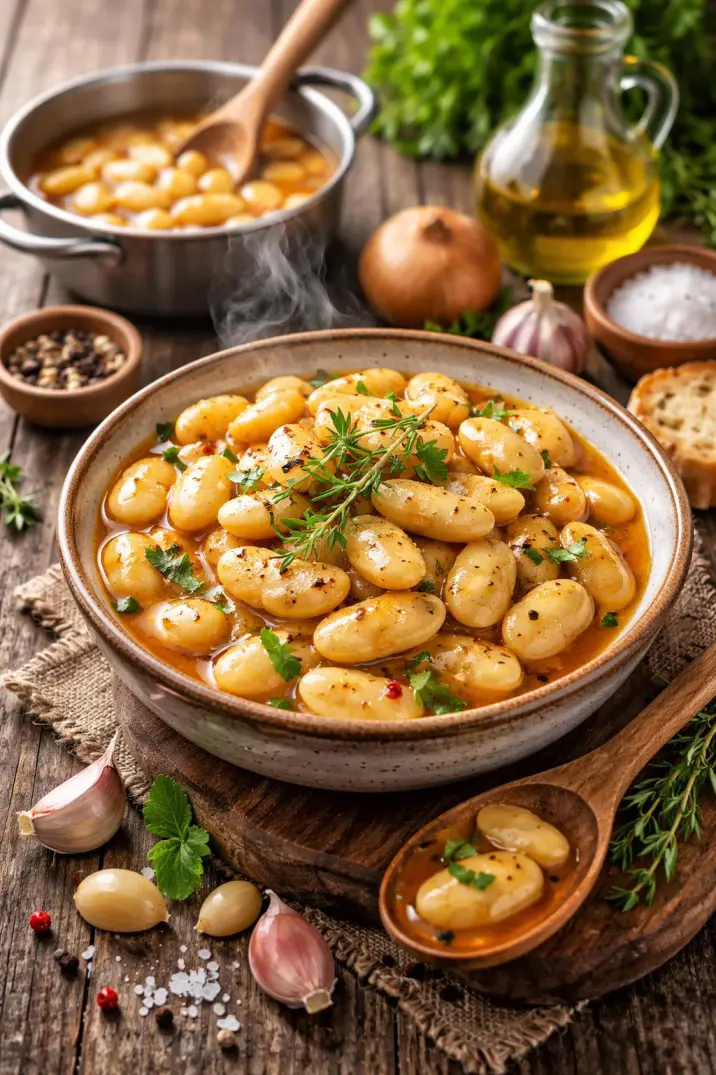
12. Baked Beans
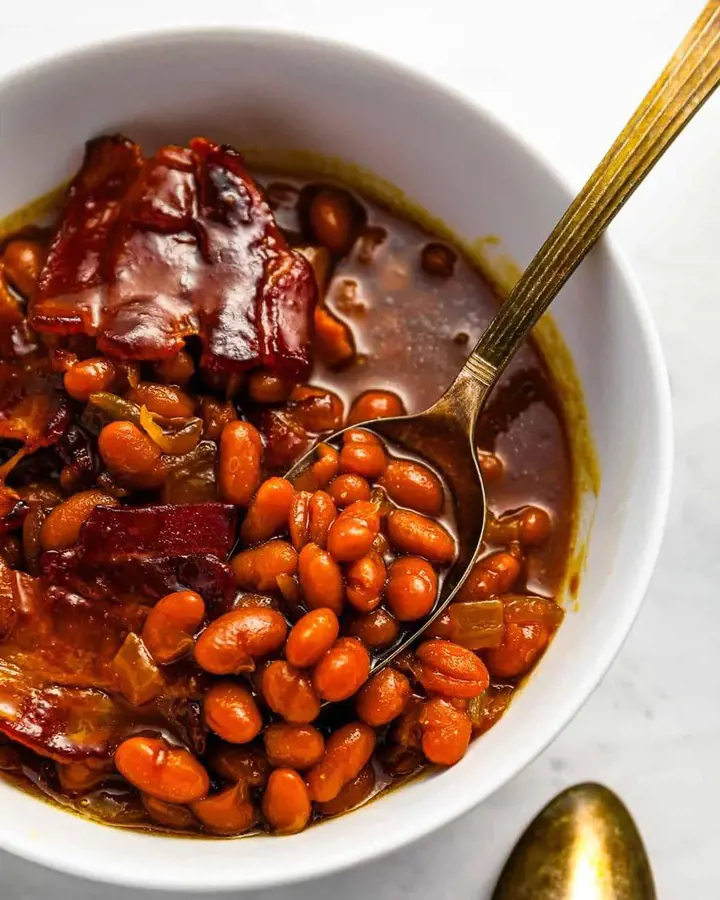
Baked beans are dishes that are partially boiled and then baked in a sauce for a long time. The lengthy process of cooking makes them soft. These are low-fat foods and good sources of proteins.
These softly cooked beans with soft skins can be eaten fresh or can be mashed for patients who can not tolerate whole beans.
13. Beans And Pulses
Some varieties of beans and lentils can be used as soft foods. Tinned or dried soft beans with soft skin and peas can be used to make a variety of well-cooked recipes.
The beans can be mashed if the patient can not tolerate it when consumed whole. Hummus can also be prepared from chickpeas which are favorable for recovery.
Avoid red kidney beans and tough skin beans.
14. Milk
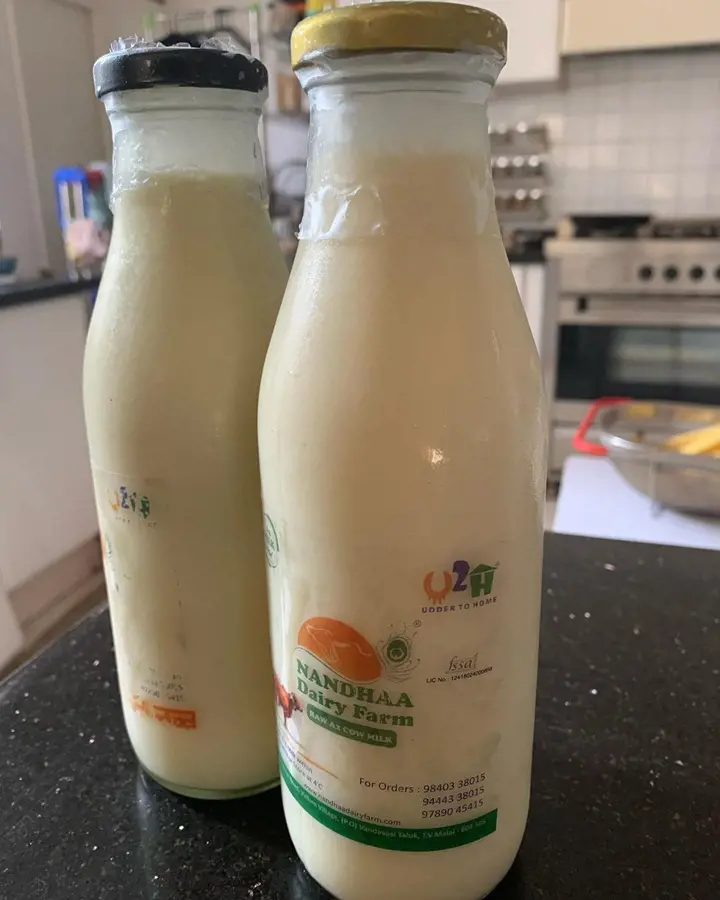
Milk is another source of protein for recovery patients. Cream or full-fat milk can be used in various kinds of recipes. Powdered milk and evaporated forms of milk can be added to recipes as well.
Additionally, milk can also be used to make drinks such as milkshakes. Kefir, a fermented milk can also be included in the soft diet plan.
Any milk product including unpeeled fruits and runny milk should be avoided.
15. Yogurt
Smooth yogurt can be included in a soft diet plan. Thick yogurt with no bits can provide added benefits as yogurt works as a probiotic by adding beneficial gut microbiota in the digestive tract.
Avoid yogurt with larger bites, seeds and nuts.
16. Cheese
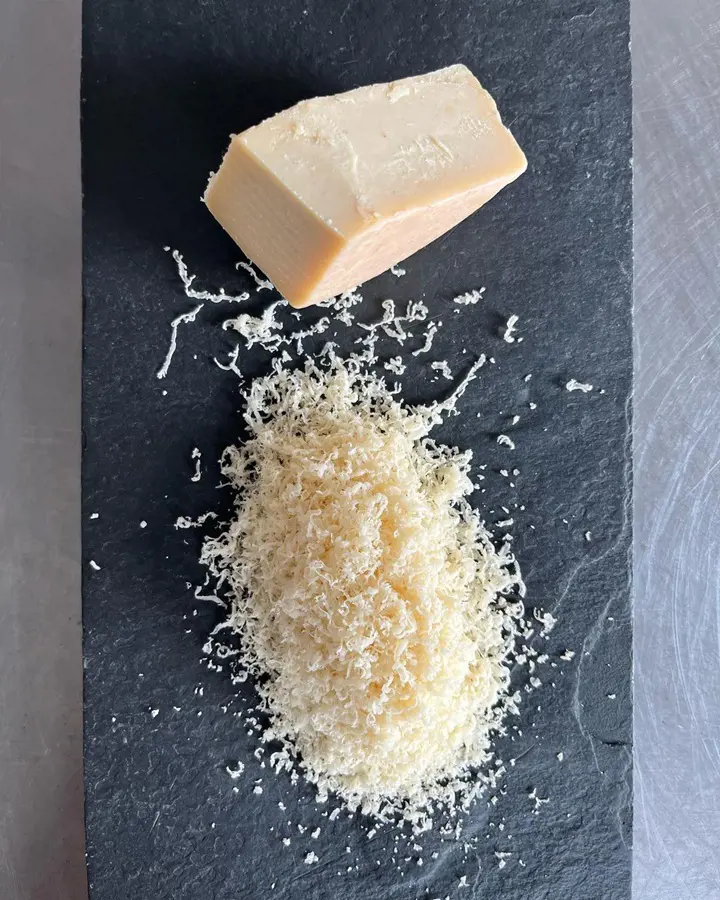
Cheese is a dairy product that can be included in a soft diet plan. Finely grated most varieties of cheese can be eaten by recovery patients. Mild flavored cheese such as cottage cheese is much preferred in soft dish recipes.
Cheese sauce, soft cheese and cheese spreads can also be used in dishes. Avoid cheese chunks, sharp or strong cheeses, cheeses with whole seeds and spices and cheese that gets stringy on cooking such as Mozzarella cheese. Choose your pick from these different types of cheeses.
17. Fats
Fat-containing food is also necessary in any kind of diet. For recovery patients, you can add varieties of fats such as vegetable oil, mayonnaise, gravies, creams, butter, margarine, mild salad dressing, sour cream and cream substitute.
Avoid fried foods.
18. Beverages
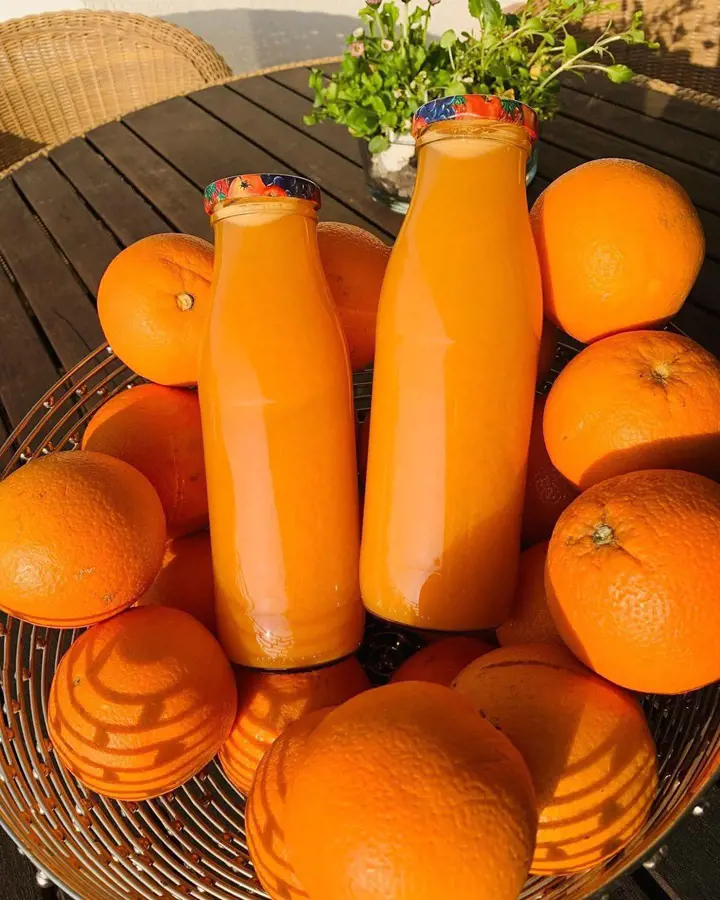
Beverages are liquid products so there is not much restriction on what to have and what not to have. Apart from water, milk and fruit juices add decaffeinated coffee. tea, lemonade, nutrition supplement drinks and sports drinks to your soft food diet.
However, you should avoid carbonated drinks, alcohol, caffeine, fruit juice with pulp and prune juice.
19. Seasonings
Soft foods do not require to be dull and bland. You can use a variety of seasonings to make your soft food flavor-packed. Seasonings that can be included in a soft diet include soy sauce, mustard, chopped or ground leaf herbs, tomato or white sauces and ketchup.
Avoid the use of garlic, chili powder, whole or seed herbs and spices, barbeque or Cajun seasonings and Worcestershire sauce.
20. Puddings And Desserts

Homemade, tinned and packet puddings all can be included in a soft food diet. Puddings can be used as a dessert or snack between meals.
Rice, semolina, sago and tapioca can be used to prepare pudding. Avoid dry cakes, pastries and desserts made with dried fruits, candied fruits, peanut brittle, nuts and coconut.
Some of the desserts that you can include in your soft diet include:
- Tapioca
- Stewed fruit with custard
- Mousses
- Blancmange
- Fromage Frais
- Ice cream
- Condensed milk
- Cakes moistened all over with cream
Recent posts
Nutrition
Nutrition
Can You Eat Squash Skin? Health Benefits and Cooking Tips
Squash is a versatile vegetable that comes in many shapes, sizes, and colors. From butternut squash to acorn squash and zucchini, it’s a staple in many kitchens. The answer depends on the type of squash, its maturity, and how it’s prepare...
Nutrition
Can You Eat Kiwi Skin? Benefits, Risks, and Tips
The kiwi fruit, with its vibrant green flesh and tiny black seeds, is a favorite in fruit salads, smoothies, and desserts. But many people peel it before eating, leaving behind its fuzzy brown skin. The question arises: can you eat kiwi skin? Wh...
Nutrition
Licorice Root: Benefits And Uses
You can spell it liquorice or licorice; this herb or root has been in use for centuries in most medicinal applications, as a natural sweetener and to enhance flavors. Regarding its origins, it comes from the root of the "Glycyrrhiza galbre" plant and...
Nutrition
Is Salmon Good For You? Nutritional Facts and Benefits
Salmon fish is a staple diet throughout the world, popular as a super food for its nutrients. Whether savored in sushi, poached, grilled, roasted, or pan-fried, salmon offers minerals and vitamins that contribute to healthy bodily functions. In addit...
Nutrition
25 Smoked Salmon Recipes That You Will Enjoy
Salmon is a silver-colored fish that is loaded with many nutrients, vitamins, and omega-3 fatty acids. Smoked Salmon is better for improving your health and reducing the risk of cancer, heart-related diseases, fights inflammation, reduces anxiety and...

Nutrition
Are Sausages Healthy? Nutrition And Health Benefits
Sausages are tasty in an addictive way, making them one of the most popular foods worldwide. You may have enjoyed this convenient food often, whether on a bun with mustard or grilled on a barbecue, the simple preparation methods are what makes its co...