21 Foods High In Vitamin K You Should Know About

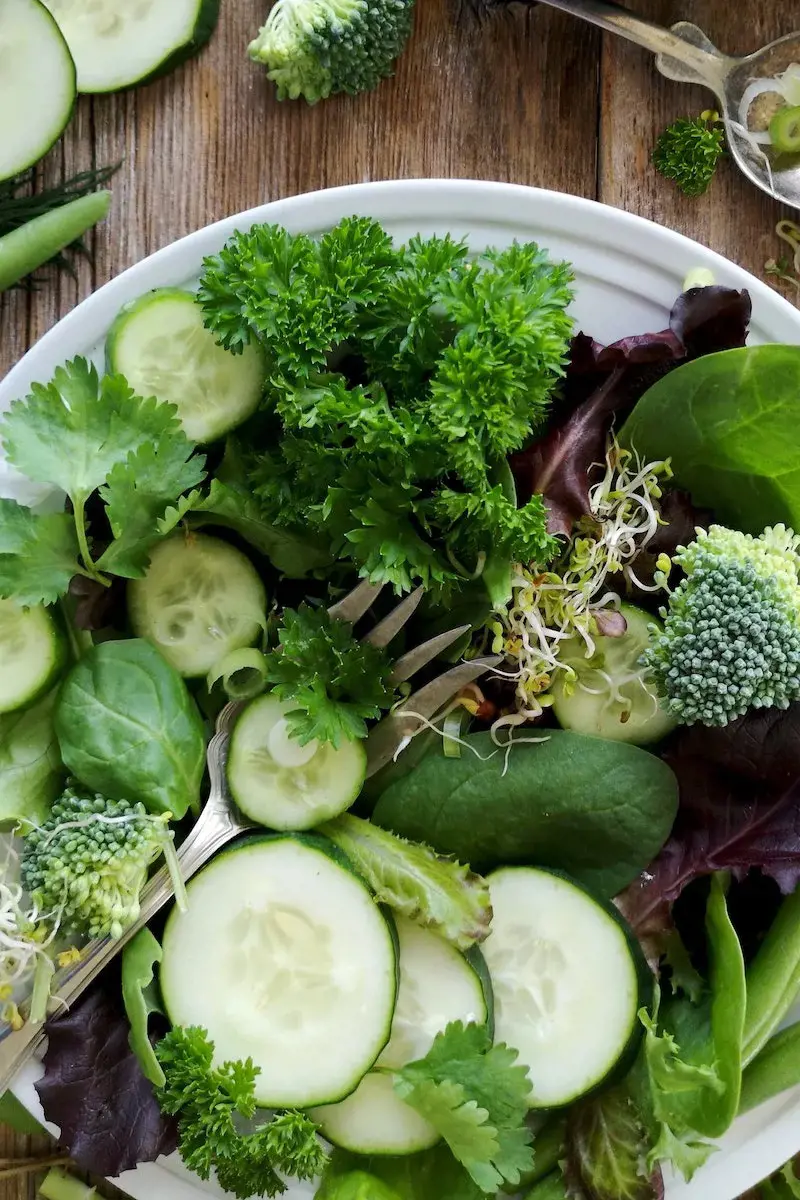
We have all heard of vitamins A, B, and C, but rarely does anyone talk about vitamin K. Vitamin K is equally important as these other vitamins. It is responsible for building strong bones and making various proteins needed for blood clotting.
According to the NHS (National Health Service) in the UK, adults need roughly one microgram a day of vitamin K for each kilogram of their body weight. So if someone weighs 50kg, they need 50 micrograms a day. With that, here are 21 foods high in vitamin K.
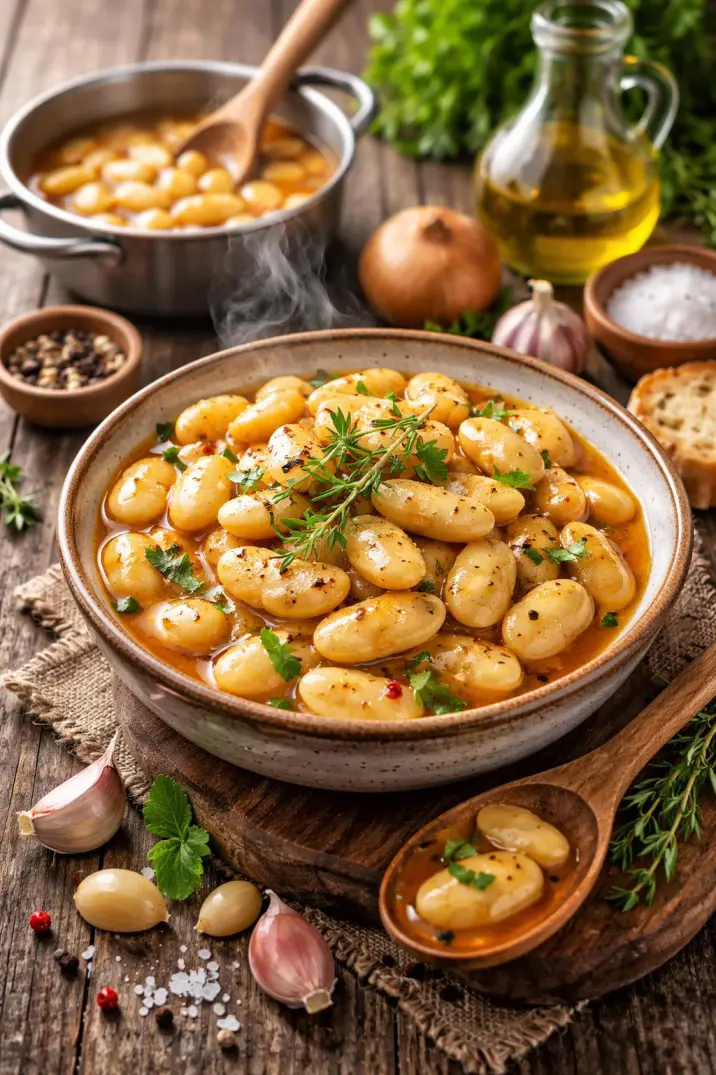
1. Natto

Natto is a traditional Japanese fermented soybean made with the bacterium Bacillus subtilis. It often gets a bad rep for its unpleasantly strong smell and slimy texture. The Japanese reckon that the fermented beans do not taste as strong as they smell and have a mild fermented flavor with a slightly bitter, earthy undertone.
Despite the taste and smell, many people consume natto for its health benefits. One tablespoon of natto contains 150 mcg of vitamin K. Consumption of natto is linked to reduced blood pressure and improved cognition.
2. Kale
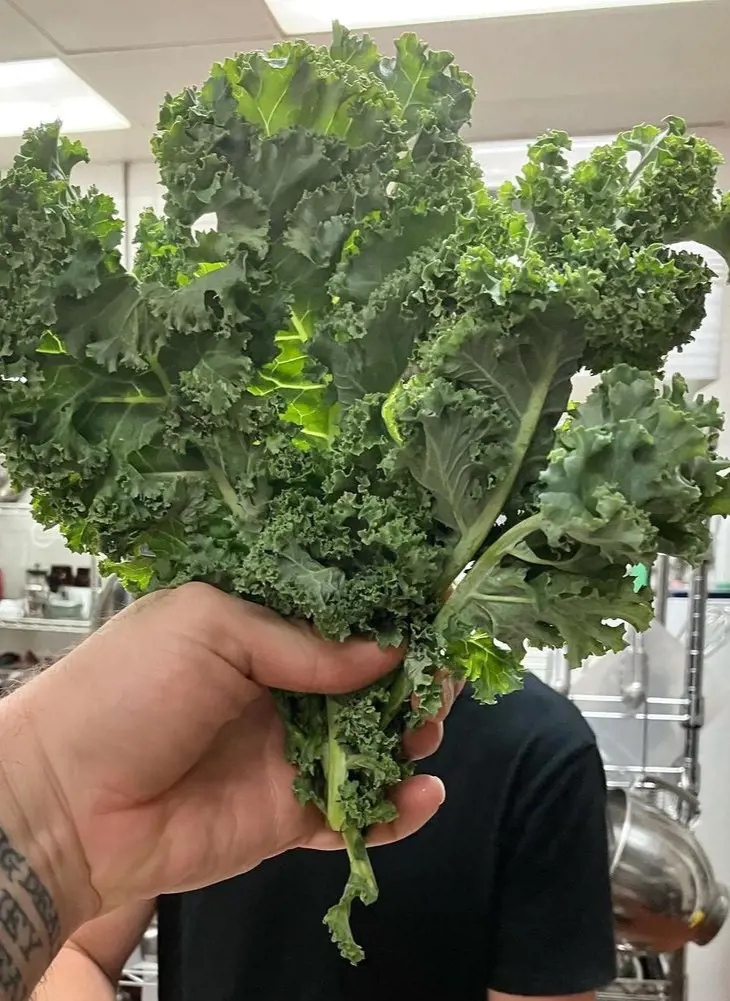
Kale is a leafy green vegetable that belongs to the same family as broccoli, Brussels sprouts, and cabbage. It contains an active compound called glucosinolates, which is a potent antioxidant. Glucosinolates may reduce inflammation and stress, boost metabolism, and have direct antimicrobial properties.
A cup of cooked kale contains over 100% of the Daily Value (DV) of vitamin K. Like most leafy greens, you can eat kale raw. Raw kale has an earthy but bitter taste, which is why most recipes recommend adding salt and squeezing lemon. You can also add spicy or sweet flavors to tone down the bitterness.
3. Swiss Chard
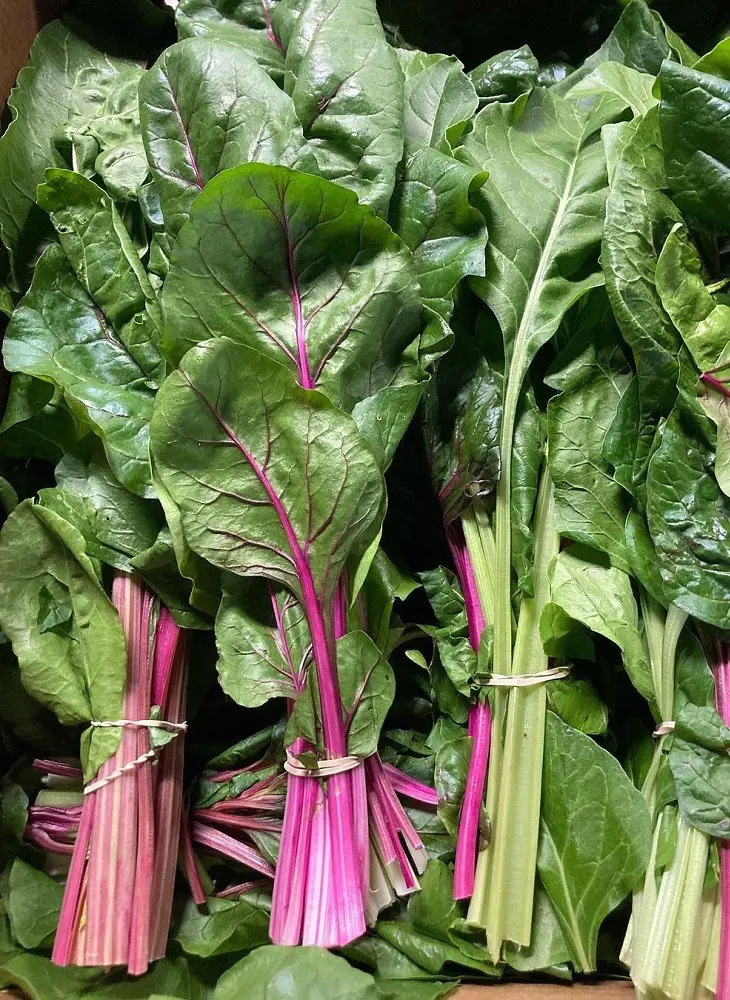
Chard or Swiss chard is a leafy green vegetable belonging to the same family as beets, spinach, and quinoa. They are slightly bitter but not as much as kale. They can be eaten raw, but if you want to tone down the bitterness, cooking them is better. Cooked Swiss chard has a milder and sweeter flavor and tender texture.
A 100-gram of uncooked Swiss chard has 830 mcg of vitamin K. It also contains flavonoids and polyphenols, which give it its healthful properties. This leafy green may maintain eye health, boost cognitive function, and destroy cancer cells.
4. Collard Greens
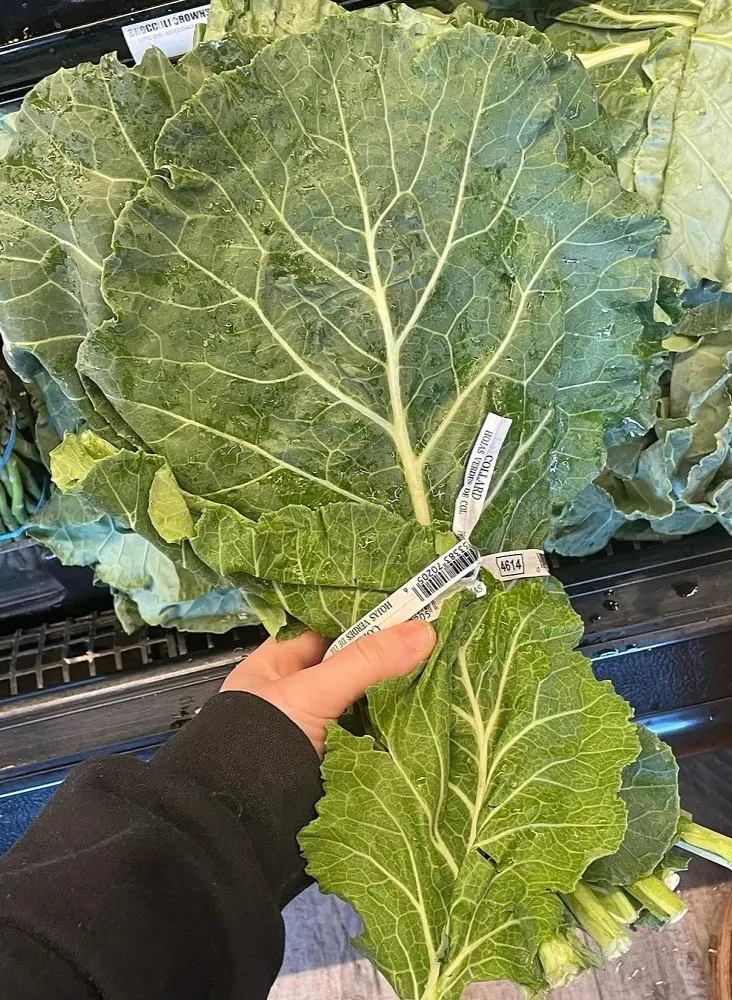
Like kale, collard greens are leafy green vegetables that belong to the Brassica oleracea family. A 100-gram cooked collard greens has 407 mcg of vitamin K. People usually cook collard greens, but they can also be enjoyed raw. The leafy greens have a mild flavor with slight bitterness.
They also have a tough stem and center rib that is usually removed before eating. If you want to make a salad or smoothie with collard greens, it is better to mix the leaves in with lots of milder greens, like spinach. They are easier to enjoy that way.
5. Asparagus
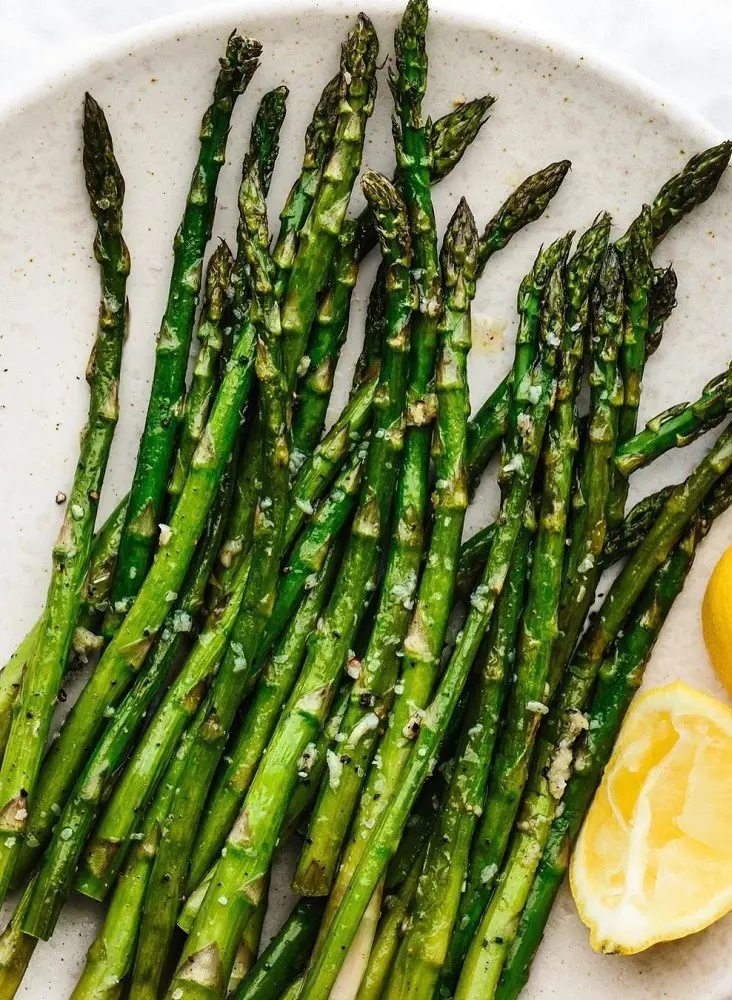
Asparagus belongs to the Asparagaceae family and is mainly cultivated for its young, edible shoots. 100 grams of cooked asparagus provides almost 60 mcg of vitamin K and other Asparagus benefits are also limitless. It contains a bitter-tasting compound known as saponin.
This compound may help decrease bad cholesterol and triglycerides, reduce cancer risk, and regulate blood sugar levels. It is also effective in the treatment of acute lead poisoning and hypercalciuria. Hypercalciuria is a condition whereby individuals have excess calcium in their urine. This condition affects the gut, brain, muscles, bones and kidneys.
6. Pork Chops

Pork chops come from the loin of a pig and are the most popular cut of pork. They can be pan-seared, grilled, baked, or braised. A 100-gram pork chop has 69 mcg of vitamin K, which is more than half the daily recommended value.
Pork chops can be part of a healthy diet. They are lower in calories and fat compared to other cuts of pork, like the belly, used to make short ribs and bacon. They are high in protein, with a four-ounce serving containing 23 grams. The daily recommended value of protein is 50 grams.
7.Broccoli
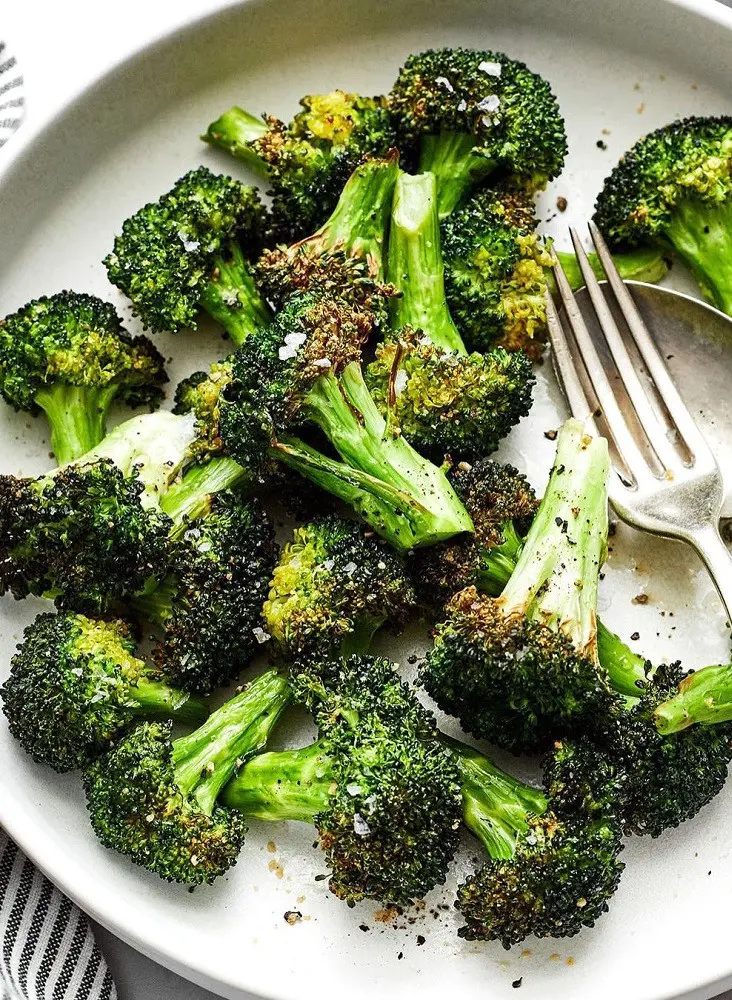
Broccoli is a cruciferous vegetable like cabbage, kale, and Brussels sprouts. Raw broccoli is crunchy with an earthy, slightly bitter and sweet flavor. However, cooked broccoli is often sweeter. Half a cup of cooked broccoli contains 110 micrograms of vitamin K or 92% of the recommended daily value.
Broccoli is rich in antioxidant and anticarcinogenic compounds, such as selenium. Selenium plays a vital role in thyroid function. It protects the thyroid against oxidative damage and helps produce essential thyroid hormones.
8. Brussels Sprouts

Brussels sprouts often get mistaken for cabbage because they look like a smaller version of it. These vegetables are not the same but belong to the same Brassica oleracea family. According to the USDA, one cup of Brussels sprouts contains 177 micrograms of vitamin K.
Brussel sprouts do not contain antinutrients like spinach but are rich in glucosinolates. Glucosinolates regulate oxidative stress, which can cause cancer. In a 2012 study by Annals of Oncology journal, it was reported that the regular intake of cruciferous foods reduced the risk of colorectal, breast, kidney, mouth, and throat cancer by 17% to 23%.
9. Beef Liver

A cow's liver works like the human liver. It contains several essential vitamins and nutrients to ensure the liver functions efficiently. Thus, consuming the liver comes with a lot of health benefits including a rich content of Folate. Experts claim the liver is better for humans than traditional muscle meats found in burgers and steaks.
A 100-gram of cooked beef liver has more than 106 mcg of vitamin K. It also contains other nutrients like iron and protein. Iron makes red blood cells that carry oxygenated blood throughout the body. Meanwhile, protein helps build, repair, and maintain muscle tissues.
10. Spinach
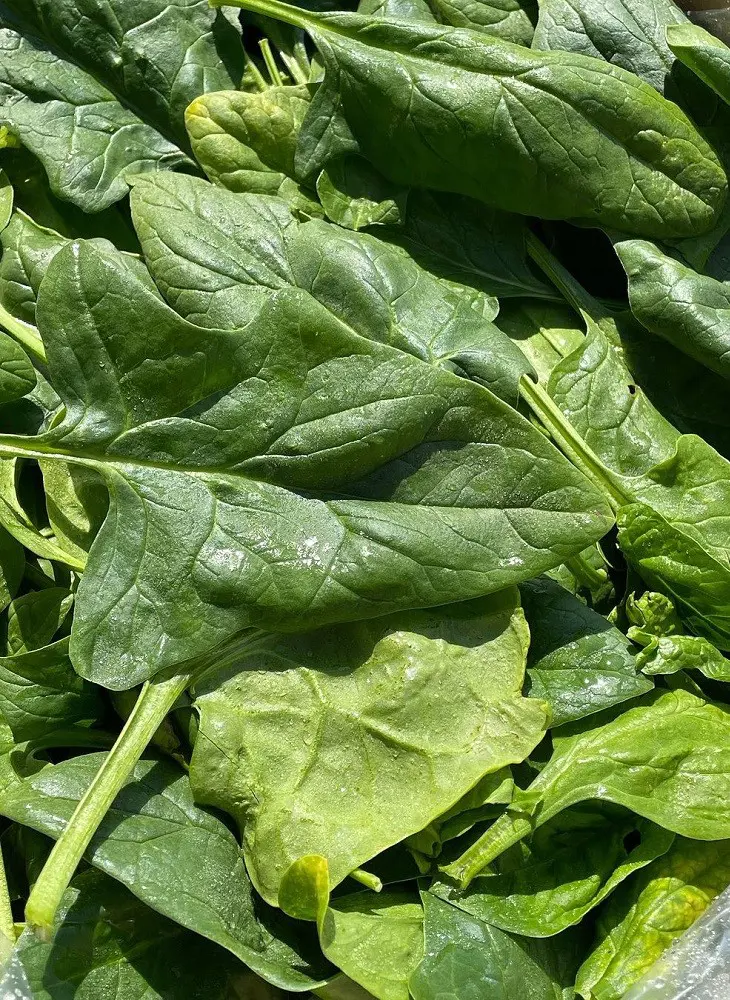
Spinach is one of the most common and popular leafy vegetables in the world. Raw spinach has a mild, slightly sweet, and refreshing taste with a crispy texture, hence its popularity. A 100-gram of raw spinach has 483 mcg of vitamin K. Experts recommend eating spinach raw because cooking causes loss of nutrients.
Although Spinach's benefits are unmatched, it might not get absorbed due to the oxalic acid present in the vegetables. Oxalates inhibit the body from absorbing and making use of these nutrients.
11. Chicken

Another protein that contains vitamin K is chicken. The most popular cut is the chicken breast, and according to the USDA, 140 grams of cooked chicken breast contains 0.42 mcg of vitamin K.
Like pork chops, chicken is a good source of protein. 85 grams of cooked, boneless, and skinless chicken breast contains 26 grams of protein. Protein is essential for maintaining cell health as well as its growth and development.
12. Goose Liver Paste

Foie Gras or goose liver paste is a French delicacy made from the fattened liver of a goose. One tablespoon of goose liver paste has 48 mcg of vitamin K. It is also rich in other nutrients, but unfortunately, it is banned in many countries because of the cruelty involved when making it.
Farmers force-feed the geese by shoving tubes down the throat several times a day to feed the geese. This feeding method causes their liver to grow ten times larger. Thankfully, there are other alternatives for this liver paste that do not involve force-feeding.
13. Green Beans
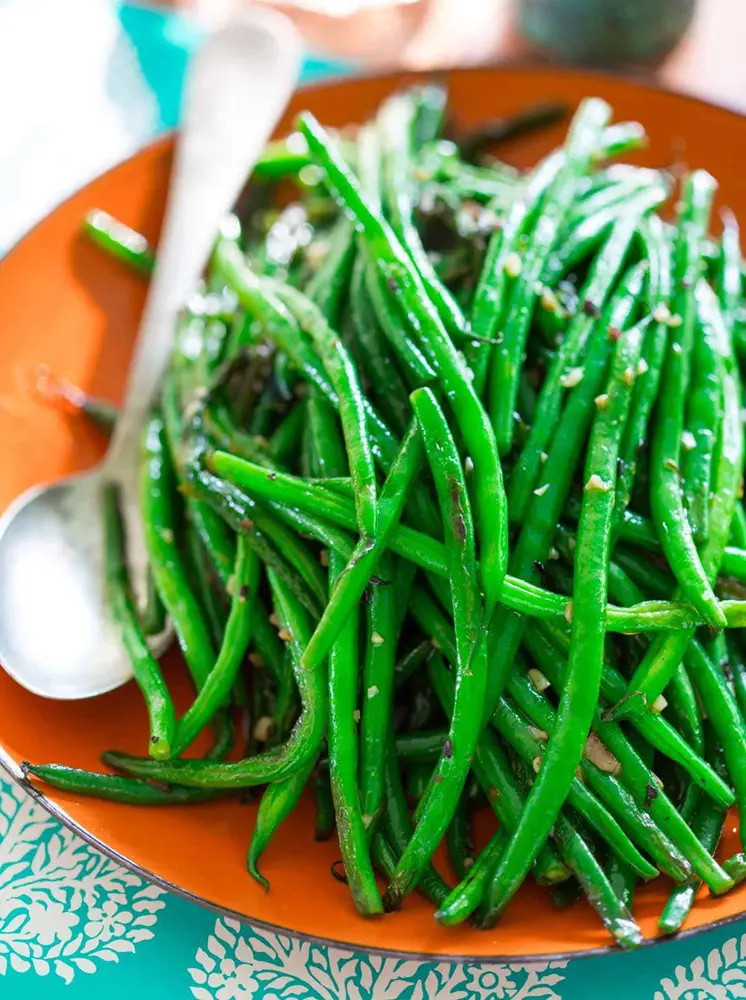
Green beans, also known as string beans or snap beans, have slender pods with green beans inside. Farmers harvest the beans before they mature. Unlike most vegetables, they cannot be eaten raw. They are fibrous and crunchy, with an earthy and slightly bitter flavor. The bitterness is reduced when they are boiled until tender.
A 100-gram of cooked green beans has 48 mcg of vitamin K. They contain a high amount of chlorophyll. Chlorophyll has antioxidant properties and may provide certain health benefits, like reducing cancer risk. However, research on the potential health benefits of chlorophyll is ongoing. Green Beans benefits extend beyond Vitamin K as well.
14. Prunes
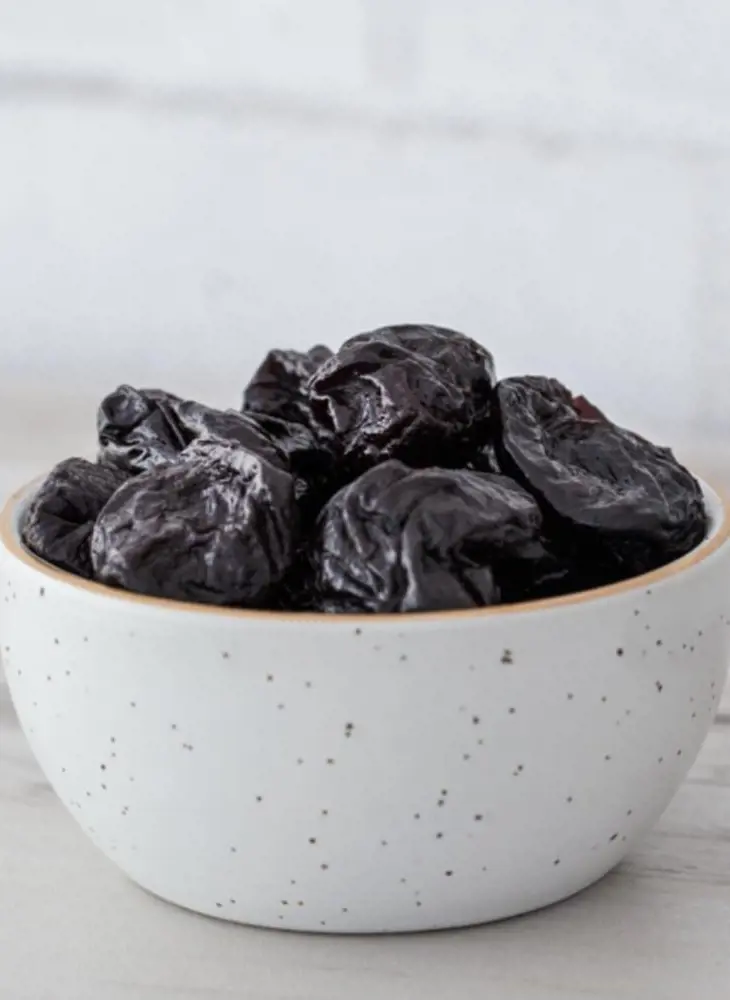
Prunes are dried plums that are often eaten as a snack or incorporated in baking recipes. They are also used as sweeteners because they have a naturally sweet flavor. Unlike fresh plums, prunes will last 6 to 12 months at room temperature. One cup of pitted prunes has 104 mcg of vitamin K.
Prunes and prune juices are mostly used to alleviate digestive problems. This is due to the high fiber content. Fiber adds bulk to your stool and speeds up excretion. It also helps prevent constipation.
15. Kiwi
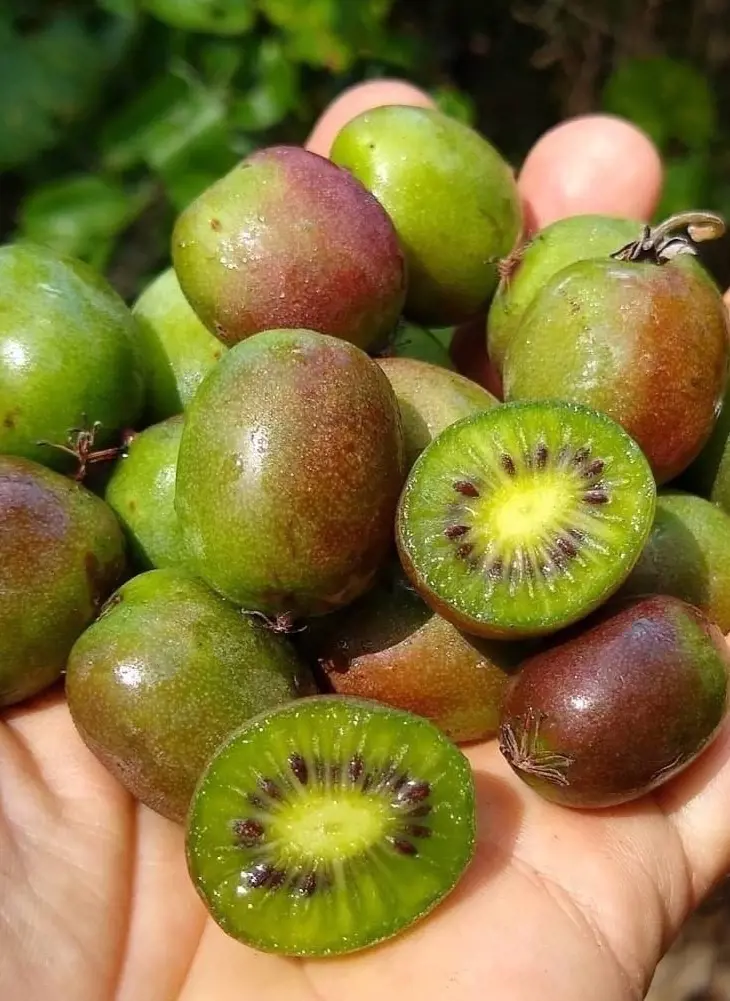
Kiwi, also known as Chinese gooseberry, is an edible berry native to Southwest China. They have furry brown skin and green or golden flesh with tiny black edible seeds. The entire kiwi is edible, even though most people only consume the flesh. The flesh is tender with a sweet and slightly tart flavor.
A 100-gram of kiwi has 40 mcg of vitamin K. It is also high in vitamin C, with 100 grams providing over 90 mcg. This is over 80% of the average daily vitamin C needs. Vitamin C is a powerful antioxidant with impressive health benefits like boosting immunity and reducing heart disease.
16. Soya Bean Oil
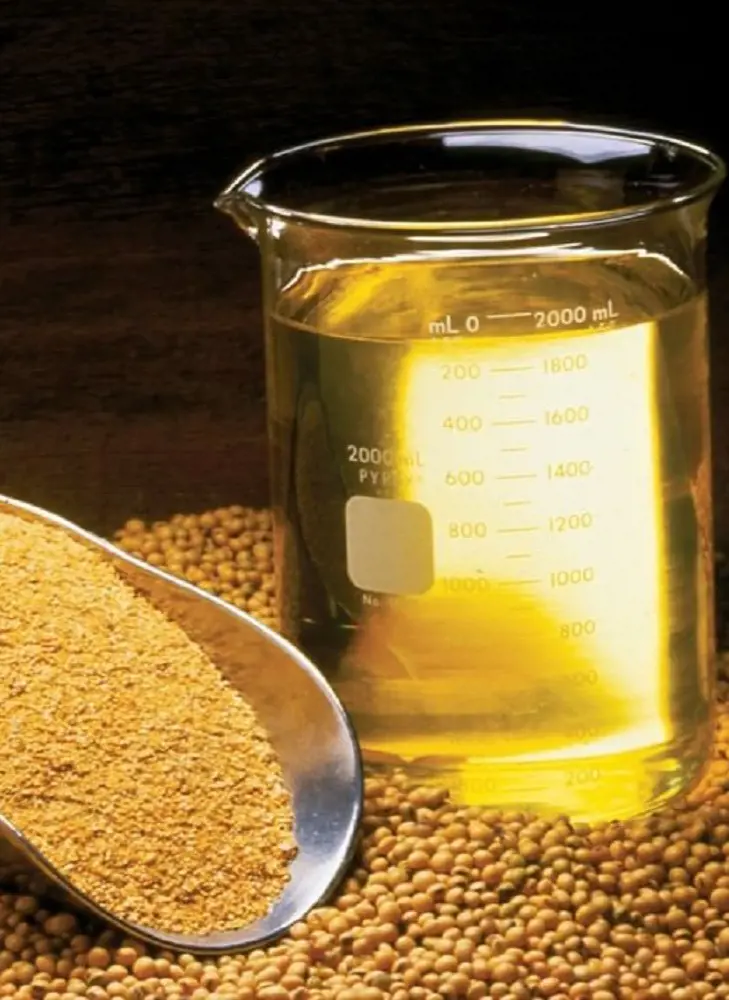
Soya bean oil is a type of vegetable oil derived from soya beans. Soya bean oil is most commonly used as a cooking oil because of its convenience and affordability. It also has a neutral flavor that can enhance the taste of the food it is cooked with. One tablespoon of soya bean oil has 25 mcg of vitamin K.
Soya bean oil is rich in polyunsaturated fat, a type of healthy fat that offers several benefits. These healthy fats can reduce low-density lipoprotein (LDL/ bad cholesterol) in the blood. High LDL cholesterol levels are linked to heart disease and stroke.
17. Hard Cheese
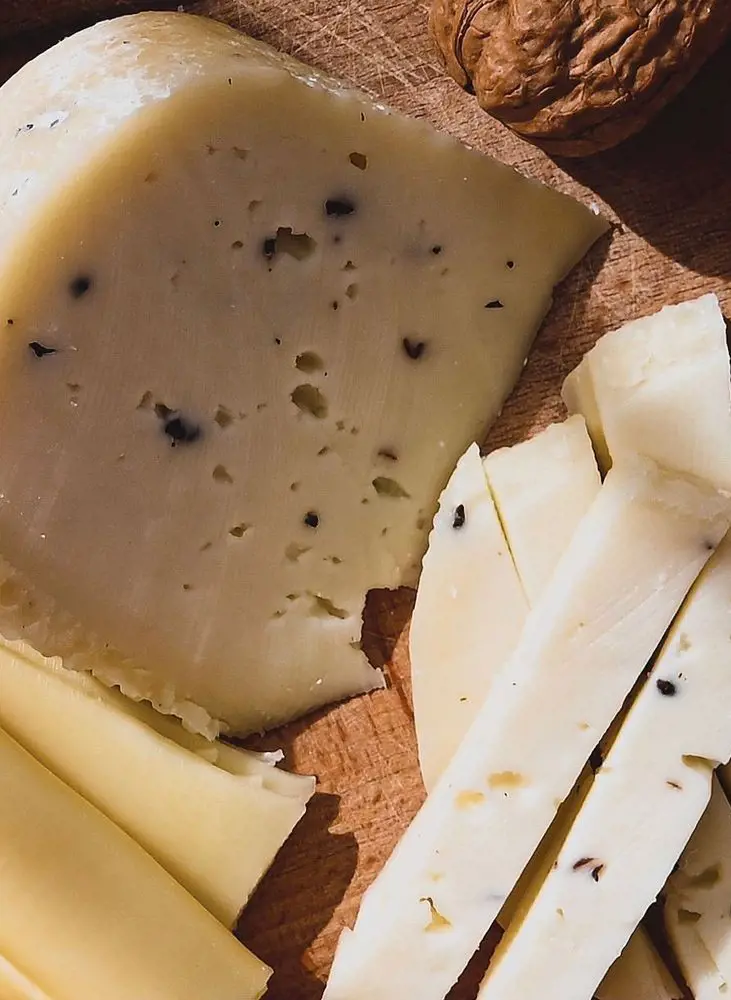
As the name suggests, hard cheese is firm due to its lack of moisture. The cheese is cooked at high temperatures to remove the whey before the curd is soaked in brine and left to mature. It is savory with distinct, concentrated flavors. Some types of cheese that are hard include parmesan, cheddar, gouda, asiago, pecorino romano, and gruyère.
A 100-gram of hard cheese has 87 mcg of vitamin K. It also contains calcium and vitamin D. Our body needs calcium and vitamin D to maintain strong and healthy bones. It also plays an important role in supporting immune and brain health.
18. Avocado
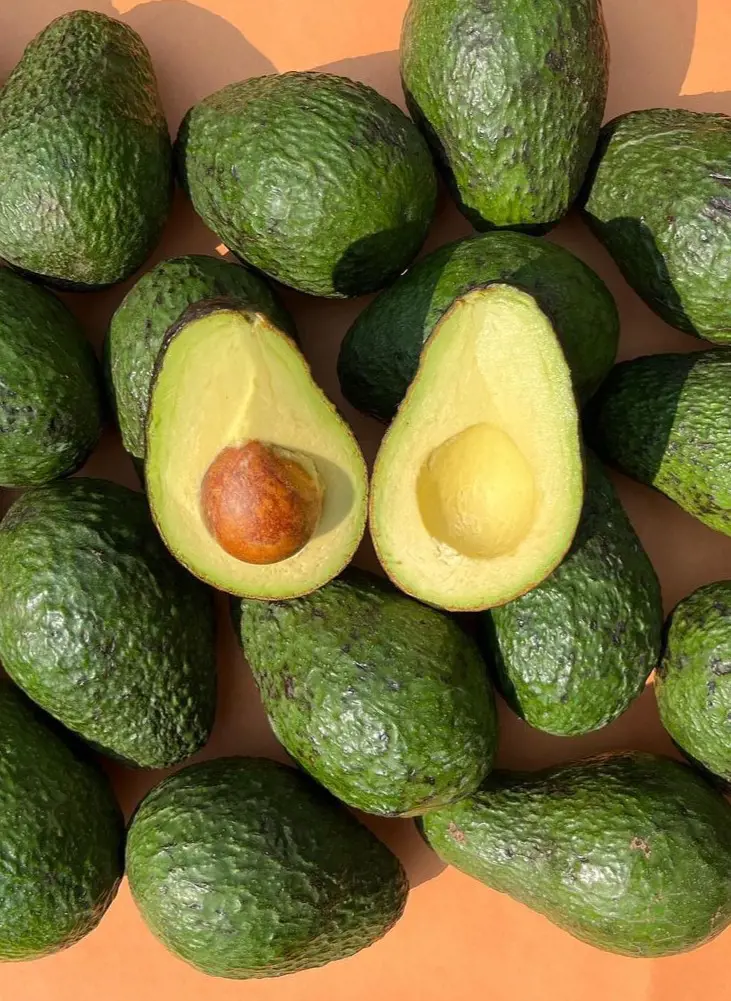
Avocado is a popular superfood for various reasons. It not only tastes great, but it is also rich in nutrients essential for the body. It has vitamin K, whereas a cup of sliced avocado has 50 micrograms. It is a good source of fiber, which is effective in weight management. Fiber suppresses appetite by keeping you full longer.
Avocados also contain beta-sitosterol, a compound that helps reduce cholesterol levels by limiting the amount of cholesterol absorbed into the blood. This, in turn, benefits our cardiovascular health by reducing the risk of heart disease.
19. Green Peas
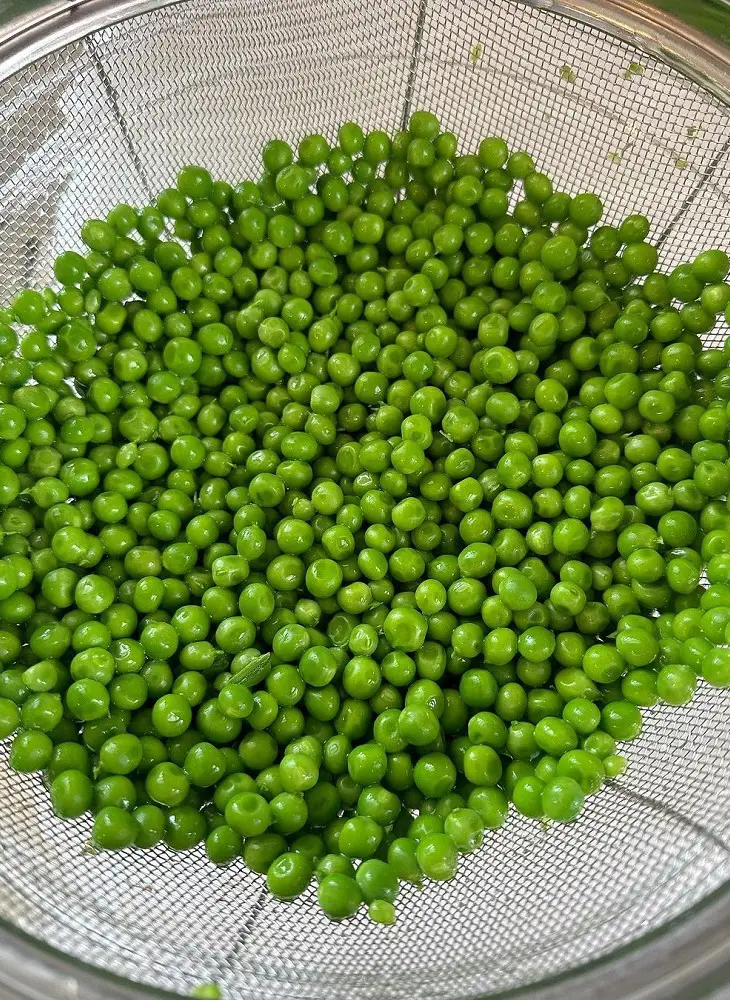
Green peas or garden peas are tiny, round seeds that belong to the legume family. They taste amazing raw, especially if you eat them before they overmature. They have a sweet and savory flavor that many find palatable. You can also cook them any way you like, from steaming and boiling to sautéing and roasting.
A 100-gram of cooked green peas has 22 mcg of vitamin K. They are low in calories and contain essential vitamins, minerals, and antioxidants like carotenoids and flavonols. These compounds support cardiovascular function and reduce the risk of chronic diseases like diabetes.
20. Eggs

Eggs are one of the healthiest foods you can include in your diet. It was initially considered terrible for health because of its high cholesterol levels. But later, researchers realized eggs contain good cholesterol essential for heart health.
Apart from good cholesterol, eggs contain vitamin K, with a single egg yolk containing anywhere between 67 to 192 micrograms. Eggs are also rich in the two potent antioxidants, lutein and zeaxanthin. These antioxidants protect the eyes against harmful UV rays and reduce the risk of eye diseases like macular degeneration and cataracts.
21. Parsley
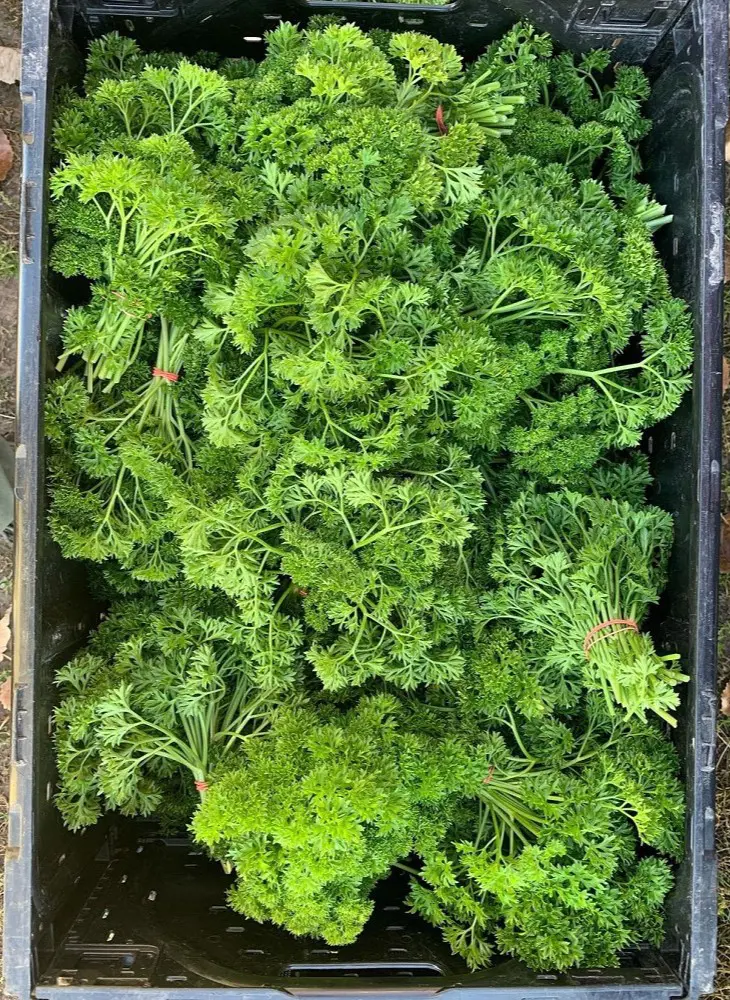
Parsley is a popular and flavourful cooking herb native to Greece and Morocco. The herb has a slightly bitter and peppery taste with a touch of earthiness. However, some people reckon it tastes like soap. It is used in many dishes to add freshness and flavor.
Aside from its culinary uses, parsley possesses many health benefits. Parsley is rich in vitamin K, with 100-grams providing 1640 mcg. It also has a high amount of vitamin A and potassium. Vitamin A is important for eye health, while potassium helps maintain normal fluid levels in our body.
Recent posts
Nutrition
Nutrition
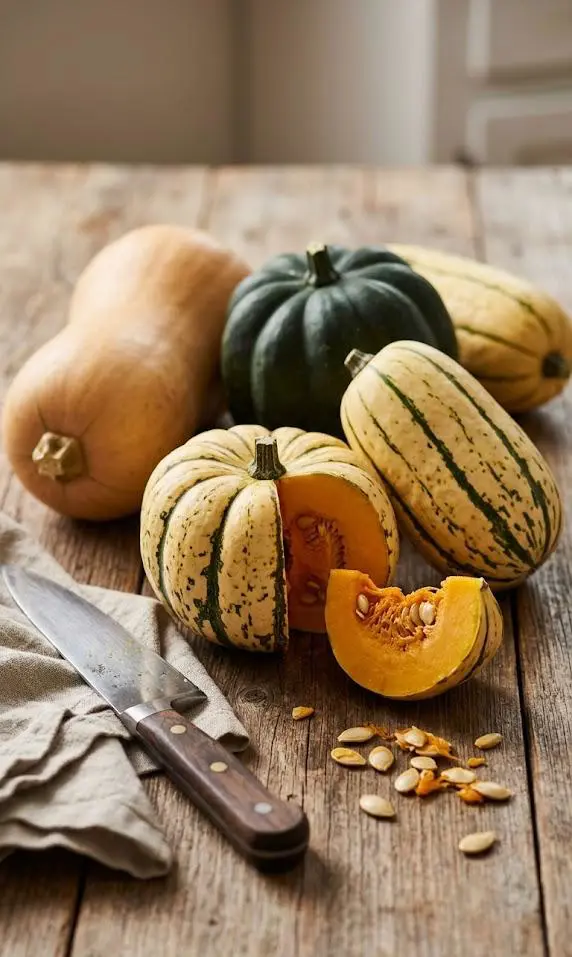
Can You Eat Squash Skin? Health Benefits and Cooking Tips
Squash is a versatile vegetable that comes in many shapes, sizes, and colors. From butternut squash to acorn squash and zucchini, it’s a staple in many kitchens. The answer depends on the type of squash, its maturity, and how it’s prepare...
Nutrition
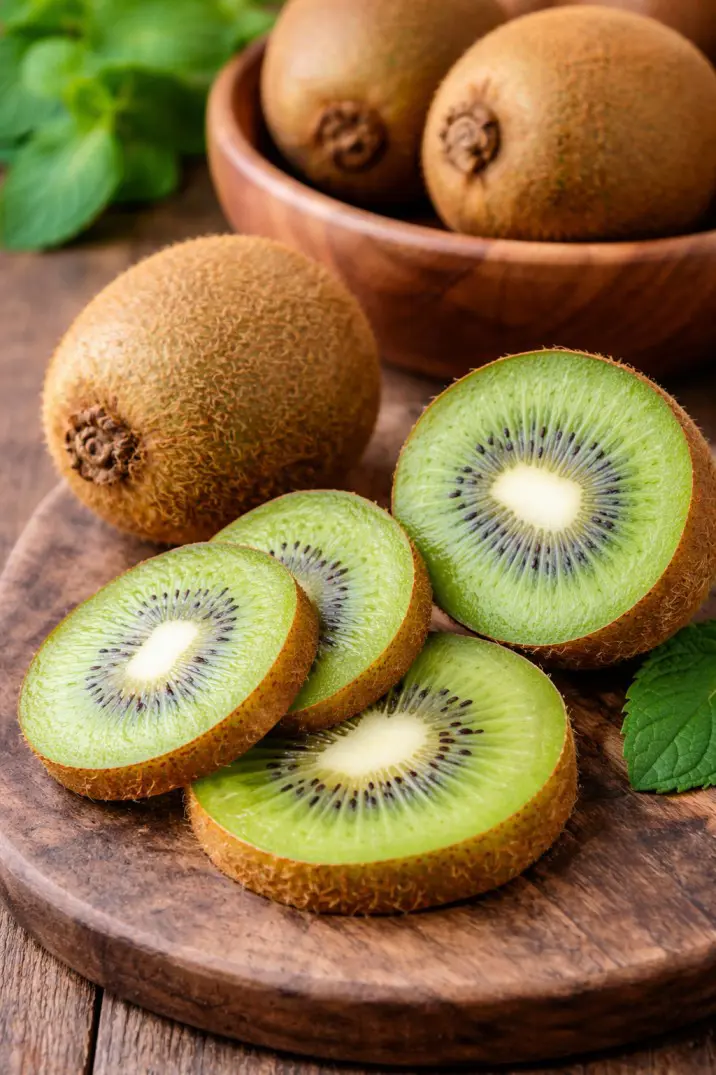
Can You Eat Kiwi Skin? Benefits, Risks, and Tips
The kiwi fruit, with its vibrant green flesh and tiny black seeds, is a favorite in fruit salads, smoothies, and desserts. But many people peel it before eating, leaving behind its fuzzy brown skin. The question arises: can you eat kiwi skin? Wh...
Nutrition
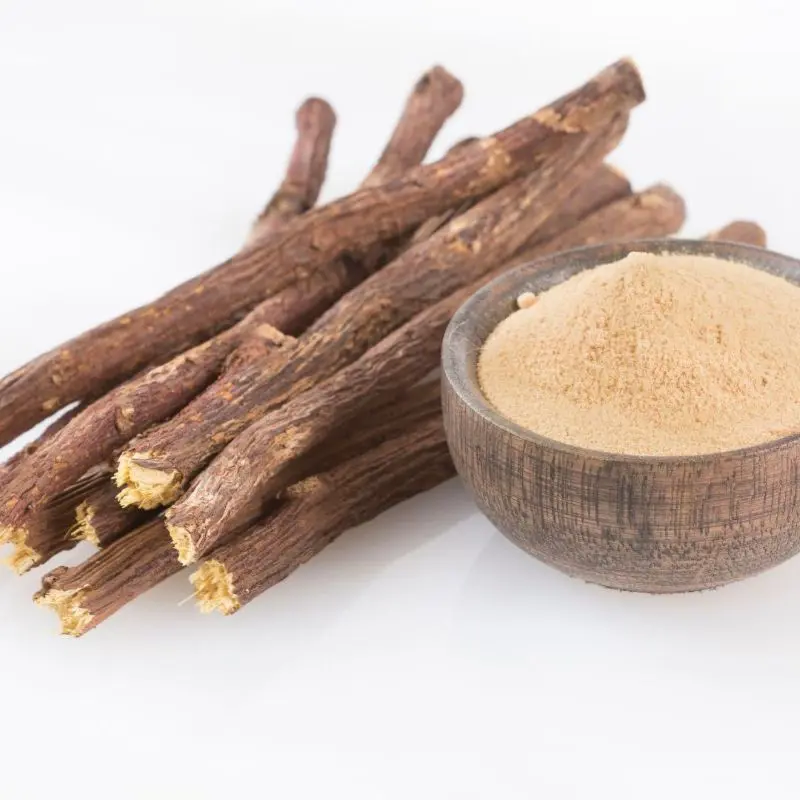
Licorice Root: Benefits And Uses
You can spell it liquorice or licorice; this herb or root has been in use for centuries in most medicinal applications, as a natural sweetener and to enhance flavors. Regarding its origins, it comes from the root of the "Glycyrrhiza galbre" plant and...
Nutrition
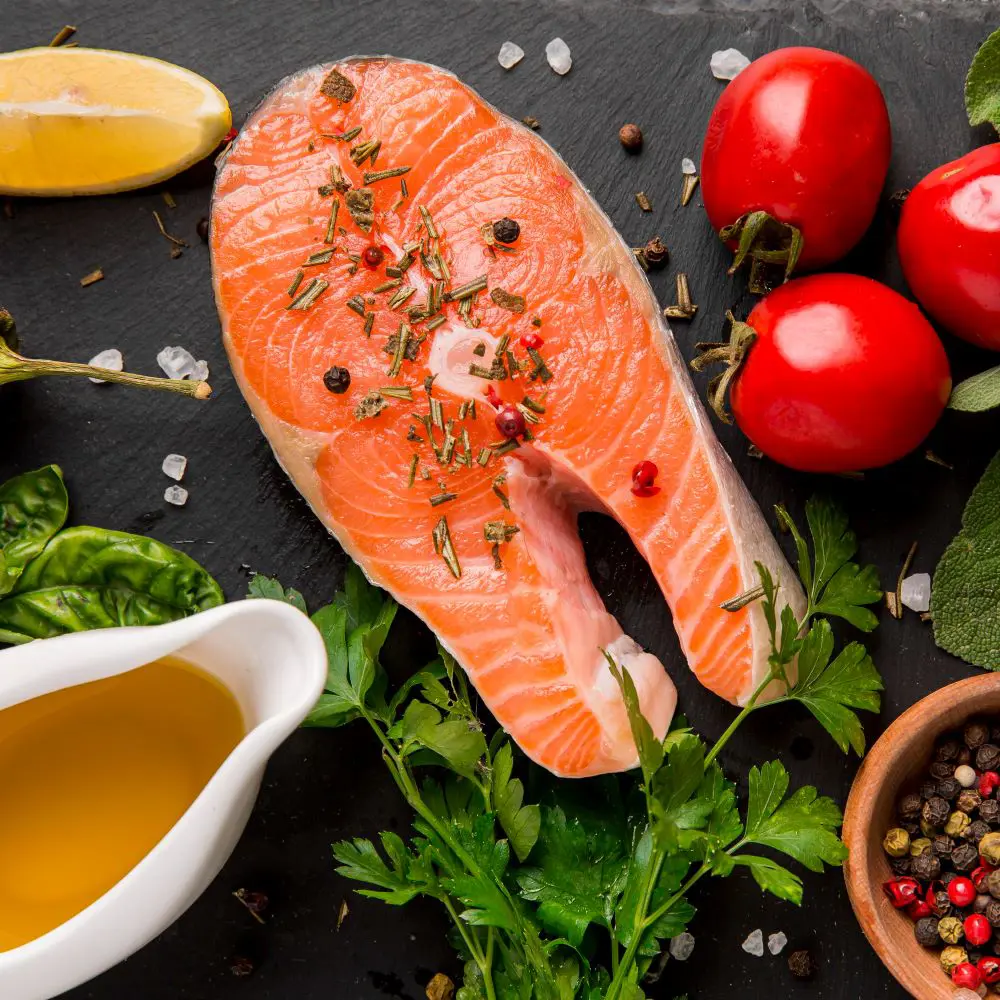
Is Salmon Good For You? Nutritional Facts and Benefits
Salmon fish is a staple diet throughout the world, popular as a super food for its nutrients. Whether savored in sushi, poached, grilled, roasted, or pan-fried, salmon offers minerals and vitamins that contribute to healthy bodily functions. In addit...
Nutrition
25 Smoked Salmon Recipes That You Will Enjoy
Salmon is a silver-colored fish that is loaded with many nutrients, vitamins, and omega-3 fatty acids. Smoked Salmon is better for improving your health and reducing the risk of cancer, heart-related diseases, fights inflammation, reduces anxiety and...

Nutrition
Are Sausages Healthy? Nutrition And Health Benefits
Sausages are tasty in an addictive way, making them one of the most popular foods worldwide. You may have enjoyed this convenient food often, whether on a bun with mustard or grilled on a barbecue, the simple preparation methods are what makes its co...