19 Chicory Root Health Benefits
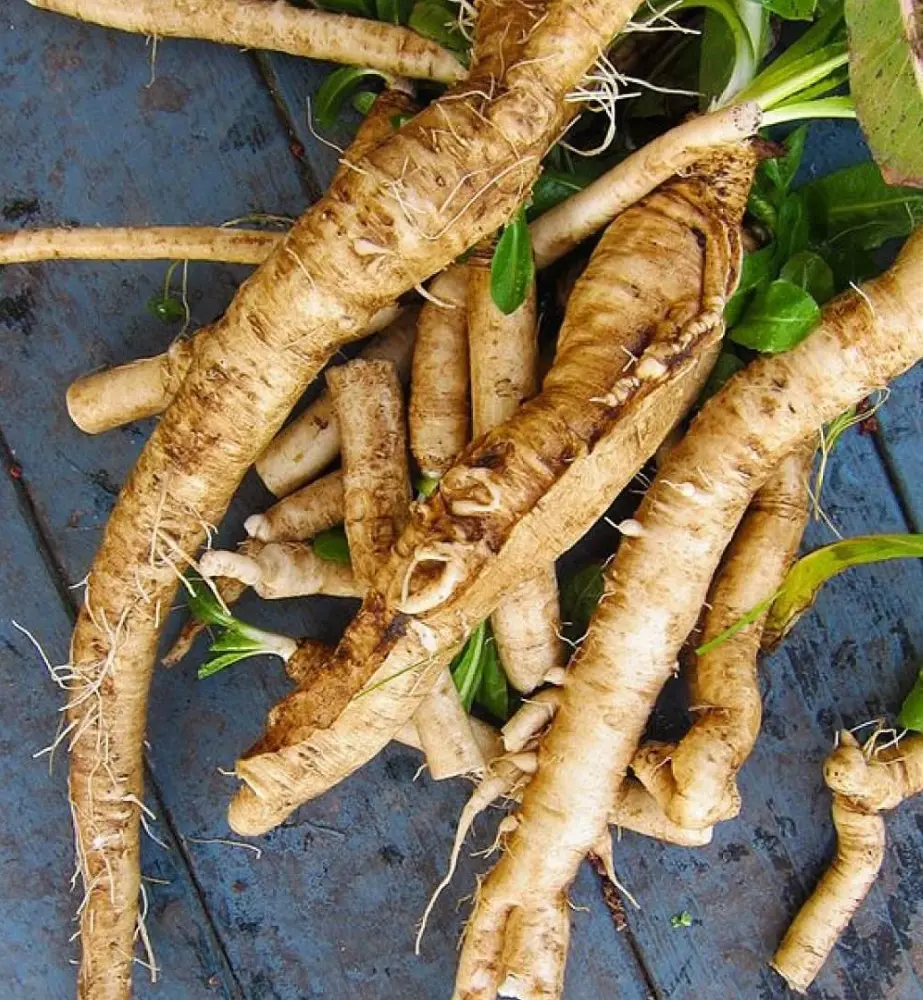
Chicory root, a plant commonly known for its vibrant blue flowers, offers a wealth of health benefits that have garnered attention in recent years. Renowned for its rich content of inulin, a prebiotic fiber, chicory root aids in digestion, supports gut health, and promotes the growth of beneficial gut bacteria.
Additionally, it is packed with vitamins and minerals such as vitamin C, vitamin B6, manganese, and potassium. Whether used as a coffee substitute, a dietary supplement, or a food ingredient, chicory benefits are diverse and well-supported by scientific research.
What is Chicory Root?
Chicory root comes from the chicory plant (Cichorium intybus), a perennial herbaceous plant that is notable for its bright blue flowers. The root itself is typically long, thick, and somewhat gnarled, resembling a parsnip or carrot but with a brownish exterior.
The root is often dried, roasted, and ground to create a coffee substitute or processed into a dietary supplement in extract form. Both the roots and leaves of the chicory plant are edible, offering culinary and medicinal uses.
The root has a slightly bitter taste, reminiscent of coffee but with a unique earthy undertone, and appears as a long, brown, tapering root similar to a pale carrot.
There are several types of chicory, including radicchio, Belgian endive, and curly endive, with the latter being the most popular due to its widespread use in salads and as a garnish.
Chicory Root Benefits
The chicory medicinal uses are derived from its high inulin content, which acts as a prebiotic to support gut health, enhance digestion, and improve bowel function. Additionally, it possesses anti-inflammatory, antioxidant, and liver-protective properties, making it a beneficial supplement for overall wellness.
Here are the 19 benefits of chicory root:
1. Relieves Constipation

Chicory root is known to relieve constipation due to its high content of inulin, a type of fiber that acts as a prebiotic. Inulin is a soluble fiber that is not digested in the small intestine and instead passes into the large intestine, where it is fermented by beneficial gut bacteria.
This fermentation process produces short-chain fatty acids (SCFAs), which help to soften stool and increase bowel movement frequency. Studies have consistently shown that chicory root fiber can effectively relieve constipation by increasing stool frequency and softening stool.
2. May Help with Menstrual Cramps
Chicory plant benefits for menstrual cramps have been used traditionally, particularly in women who suffer from premenstrual syndrome (PMS). The root's bitter and liver-tonic properties are believed to help maintain hormone balance and reduce symptoms of PMS, such as cramps, bloating, and mood swings.
Chicory root's ability to stimulate digestion and improve liver function can also help reduce the severity of menstrual cramps by promoting the elimination of toxins and improving blood circulation. You can consume chicory root tea or supplements regularly for less severe and more manageable periods.
3. Enhanced Cognitive Function
This benefit is primarily attributed to the presence of antioxidants in chicory root, which protect brain cells from oxidative stress and inflammation. Oxidative stress and inflammation are implicated in the development and progression of neurodegenerative diseases such as Alzheimer's and Parkinson's.
The antioxidants found in chicory root, including polyphenols and flavonoids, help neutralize free radicals and reduce inflammation in the brain. By doing so, they protect neurons from damage and support overall brain health.
4. Improves Insulin Sensitivity

Chicory root has been found to improve insulin sensitivity, which is essential for maintaining healthy blood sugar levels. The root contains inulin, a type of prebiotic fiber that helps regulate blood sugar levels by slowing down the absorption of glucose into the bloodstream.
This is achieved by inhibiting the activity of α-glucosidase, an enzyme that breaks down carbohydrates into simple sugars. Additionally, chicory root has been shown to increase the production of adiponectin, a hormone that improves insulin sensitivity and glucose metabolism.
5. Supports Healthy Bone Growth and Density
Chicory root contributes to healthy bone growth and density through its rich mineral content, including calcium, magnesium, and phosphorus. These minerals are essential for bone formation, strength, and density.
Additionally, the prebiotic fiber in chicory root enhances mineral absorption, ensuring that these nutrients are effectively utilized by the body. By supporting optimal bone health, chicory root helps reduce the risk of osteoporosis and fractures, promoting long-term skeletal strength and resilience.
6. May Help with Eczema

Chicory root extract has been traditionally used to alleviate symptoms of eczema. The root contains anti-inflammatory compounds that can help reduce inflammation and itching associated with eczema.
Additionally, chicory root's prebiotic properties can help maintain a healthy gut microbiome, which is essential for overall skin health. To use chicory root for eczema, you can consume it as a supplement or add it to your diet in the form of tea or capsules.
For example, you can make tea by steeping dried chicory root in hot water and drinking it three times a day. You can also add chicory root powder to your smoothies or oatmeal for added nutrition.
7. May Help with Hemorrhoids
Hemorrhoids, or swollen veins in the rectum or anus, often result from straining during bowel movements or increased pressure in the pelvic area. The fiber in chicory root promotes regular bowel movements, reducing the need for straining and easing the discomfort associated with hemorrhoids.
Furthermore, its anti-inflammatory compounds help reduce swelling and irritation in the affected area, providing relief from pain and discomfort. By supporting digestive health and reducing inflammation, chicory root may offer a natural and gentle remedy for managing hemorrhoids, improving overall comfort and well-being.
8. Contains Anti-Cancer Properties
Chicory root has shown promise for reducing the risk of colon cancer. The fiber in chicory root promotes regular bowel movements, which can decrease the time potential carcinogens spend in the colon, thus reducing the risk of colon cancer.
Additionally, chicory root's anti-inflammatory properties may help lower the risk of chronic inflammation in the colon, which is associated with an increased risk of colon cancer development.
9. Good for the Liver
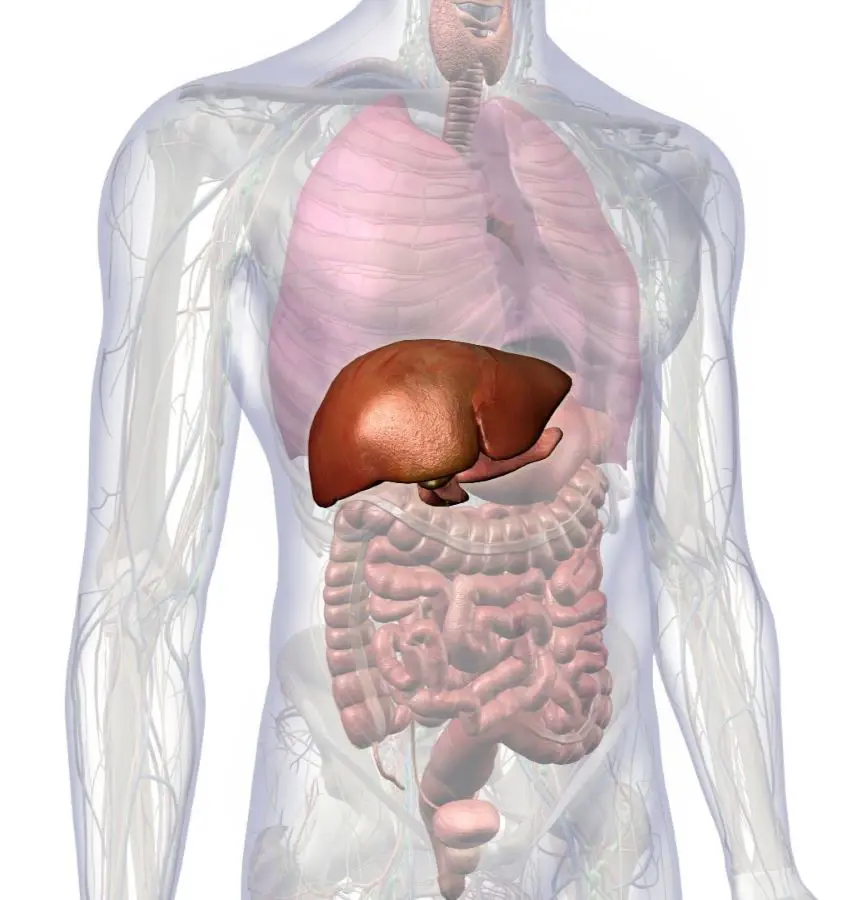
Chicory root is beneficial for liver health due to its hepatoprotective properties. The liver plays a crucial role in detoxification, metabolism, and nutrient storage, and maintaining its health is essential for overall well-being. This root contains compounds like inulin, flavonoids, and phenolic acids, which contribute to its liver-protective effects.
Inulin, a prebiotic fiber found abundantly in chicory root, promotes the growth of beneficial gut bacteria. This supports overall digestive health and helps reduce the absorption of toxins in the intestines, thereby lessening the burden on the liver.
10. Can Reduce Anxiety and Ease the Mind
The root helps good bacteria grow in the gut, like Bifidobacterium and Lactobacillus. This boosts the production of mood-regulating chemicals such as serotonin and dopamine, which can help calm anxiety.
Also, chicory root's antioxidants and anti-inflammatory properties lessen brain stress and swelling, which adds to its anxiety-relieving effects. Altogether, this shows that chicory root is a natural and helpful way to lower anxiety and relax, which is good for overall health.
11. Contributes to Healthier and Radiant Skin
Chicory root contributes to healthier and more radiant skin primarily through its antioxidant and anti-inflammatory properties. The antioxidants in chicory root help combat oxidative stress caused by environmental factors like pollution and UV radiation, reducing the damage to skin cells and slowing down the aging process.
Additionally, chicory root's anti-inflammatory properties help calm inflammation in the skin, reducing redness, irritation, and conditions like acne and eczema.
12. Supports Healthy Blood Pressure
The high potassium content in chicory root helps balance sodium levels in the body, which is essential for maintaining healthy blood pressure. Potassium acts as a vasodilator, relaxing the blood vessels and reducing tension in the arterial walls, thereby lowering blood pressure.
Additionally, chicory root contains compounds such as inulin and polyphenols, which have been shown to have vasodilatory and anti-inflammatory effects. These compounds help improve blood flow and reduce inflammation in the blood vessels, further contributing to lower blood pressure.
13. Promotes Healthy Hair and Nails

The root's high concentration of vitamins A, C, and E, as well as minerals like calcium, magnesium, and zinc, help nourish the hair and nails, promoting healthy growth and strength. Additionally, chicory root's antioxidant properties help protect the hair and nails from damage caused by free radicals, which can lead to premature aging and brittleness.
The root's anti-inflammatory properties also help reduce inflammation in the scalp and nails, which can contribute to conditions like dandruff and nail fungus.
14. Guarantees Healthy Immune Function
Chicory root guarantees healthy immune function through its prebiotic fiber content, which nourishes beneficial gut bacteria essential for immune system regulation. A well-balanced gut microbiome is crucial for optimal immune function, as it helps modulate the body's immune response to pathogens.
Additionally, chicory root's antioxidant properties help reduce oxidative stress and inflammation, further supporting immune health by protecting against cellular damage and enhancing immune system efficiency.
15. Improves Heart Health

In addition to its positive effects on digestion, inulin has been found to lower LDL cholesterol levels, commonly referred to as "bad cholesterol," in the body. Elevated LDL cholesterol is a significant factor in conditions like atherosclerosis and hypertension, as it obstructs blood flow by adhering to arteries and veins.
This buildup can increase the risk of heart attacks and strokes. Remarkably, the mechanism by which inulin reduces LDL cholesterol levels is typically inactive unless an individual consumes a high-carbohydrate diet, limiting the scope of this benefit somewhat.
16. Manages Weight Loss
Chicory root is known to support weight loss by reducing appetite and curbing calorie intake. The root's inulin content acts as a prebiotic, feeding beneficial gut bacteria that play a crucial role in regulating metabolism and appetite. Studies have shown that chicory root fiber can help reduce body weight by decreasing overall calorie intake and increasing feelings of fullness.
For optimal weight loss benefits, it is recommended to consume chicory root fiber in moderation, ideally 1-2 teaspoons per day. This can be achieved by adding chicory root powder to yogurt, smoothies, or other foods, or by incorporating it into a low-carb diet.
17. Improves Mineral Absorption
Chicory root, specifically its inulin component, has been demonstrated to notably enhance the intake of minerals, particularly calcium, iron, and magnesium. Inulin's prebiotic characteristics foster the proliferation of helpful gut bacteria, consequently amplifying the large intestine's ability to absorb minerals.
Furthermore, the fermentation process of inulin by these gut bacteria decreases the pH levels in the colon, establishing a conducive environment for mineral absorption.
18. Best Coffee Alternative
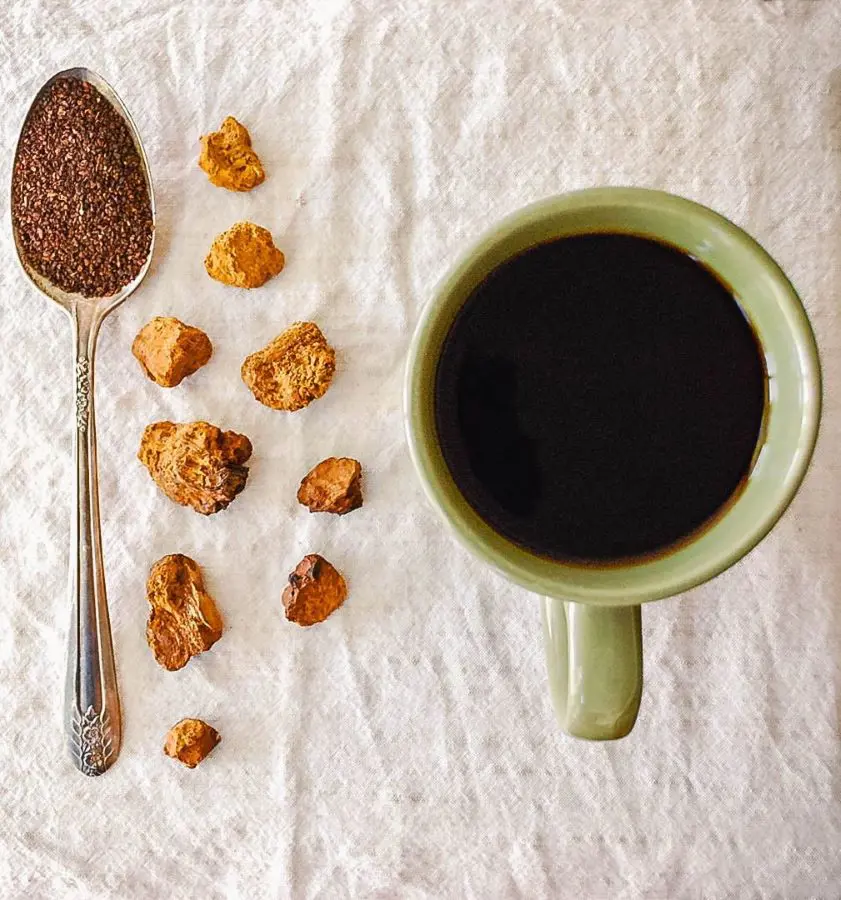
Chicory root serves as an excellent coffee substitute, offering a flavorful alternative without the potential drawbacks associated with excessive coffee consumption. While coffee can provide a quick energy boost and contains antioxidants, excessive intake may lead to issues such as increased heart rate, anxiety, insomnia, and gastrointestinal discomfort for some individuals.
Moreover, the acidity in coffee can exacerbate digestive issues and enamel erosion in susceptible individuals. Chicory root presents a compelling alternative due to its rich, earthy flavor and similar aroma to coffee, making it an ideal substitute for those seeking a caffeine-free option.
19. May Assist in Kidney Disease
Chicory root may offer some benefits for individuals with kidney disease, primarily due to its natural diuretic properties. Diuretics help increase urine production, which can assist in flushing out toxins and waste products from the kidneys, potentially easing the workload on these organs.
Additionally, chicory root's anti-inflammatory properties may help reduce inflammation in the kidneys, which is beneficial for managing conditions like kidney disease. However, it's essential to note that chicory root should not be used as a standalone treatment for kidney disease.
Chicory Root Side Effects
Despite its numerous benefits, chicory root may have some side effects, particularly for certain individuals:
- Gastrointestinal discomfort: Excessive consumption of chicory root, especially inulin-rich extracts, may cause bloating, gas, diarrhea, or stomach cramps in some people, particularly those with irritable bowel syndrome (IBS) or sensitive digestive systems.
- Allergic reactions: Some individuals may be allergic to chicory root or its components, leading to symptoms such as itching, swelling, or difficulty breathing. People with known allergies to plants in the Asteraceae family, such as ragweed or daisies, may be at higher risk of experiencing allergic reactions to chicory.
- Pregnancy and breastfeeding: While chicory root is generally considered safe when consumed in moderate amounts as part of a balanced diet, pregnant and breastfeeding women should exercise caution and consult with their healthcare provider before using chicory root supplements or extracts.
- Kidney stones: In rare cases, excessive consumption of chicory root may contribute to the formation of kidney stones, particularly in individuals prone to this condition or those with a history of kidney stones.
It's important to consume chicory root in moderation and be mindful of potential side effects, particularly for individuals with underlying health conditions or sensitivities.
Recent posts
Nutrition
Nutrition
Licorice Root: Benefits And Uses
You can spell it liquorice or licorice; this herb or root has been in use for centuries in most medicinal applications, as a natural sweetener and to enhance flavors. Regarding its origins, it comes from the root of the "Glycyrrhiza galbre" plant and...
Nutrition
Is Salmon Good For You? Nutritional Facts and Benefits
Salmon fish is a staple diet throughout the world, popular as a super food for its nutrients. Whether savored in sushi, poached, grilled, roasted, or pan-fried, salmon offers minerals and vitamins that contribute to healthy bodily functions. In addit...

Nutrition
25 Smoked Salmon Recipes That You Will Enjoy
Salmon is a silver-colored fish that is loaded with many nutrients, vitamins, and omega-3 fatty acids. Smoked Salmon is better for improving your health and reducing the risk of cancer, heart-related diseases, fights inflammation, reduces anxiety and...

Nutrition
Are Sausages Healthy? Nutrition And Health Benefits
Sausages are tasty in an addictive way, making them one of the most popular foods worldwide. You may have enjoyed this convenient food often, whether on a bun with mustard or grilled on a barbecue, the simple preparation methods are what makes its co...
Nutrition
20 Vegetables That Are Rich In Iron
Iron is essential for our bodies to function well. When we don't get enough iron, we often feel weak and tired. It's important to address iron deficiency early by eating the right foods. Fortunately, many vegetables are rich in iron and can help prev...
Nutrition
15 Cauliflower Nutrition Facts And Health Benefits
Cauliflower, a cruciferous vegetable, resembles a white variation of its relative, broccoli. Like broccoli, it has closely bunched florets attached to a thick core, often surrounded by a few leaves. While white is the most common color, cauliflower i...