How To Pickle Cucumbers At Home
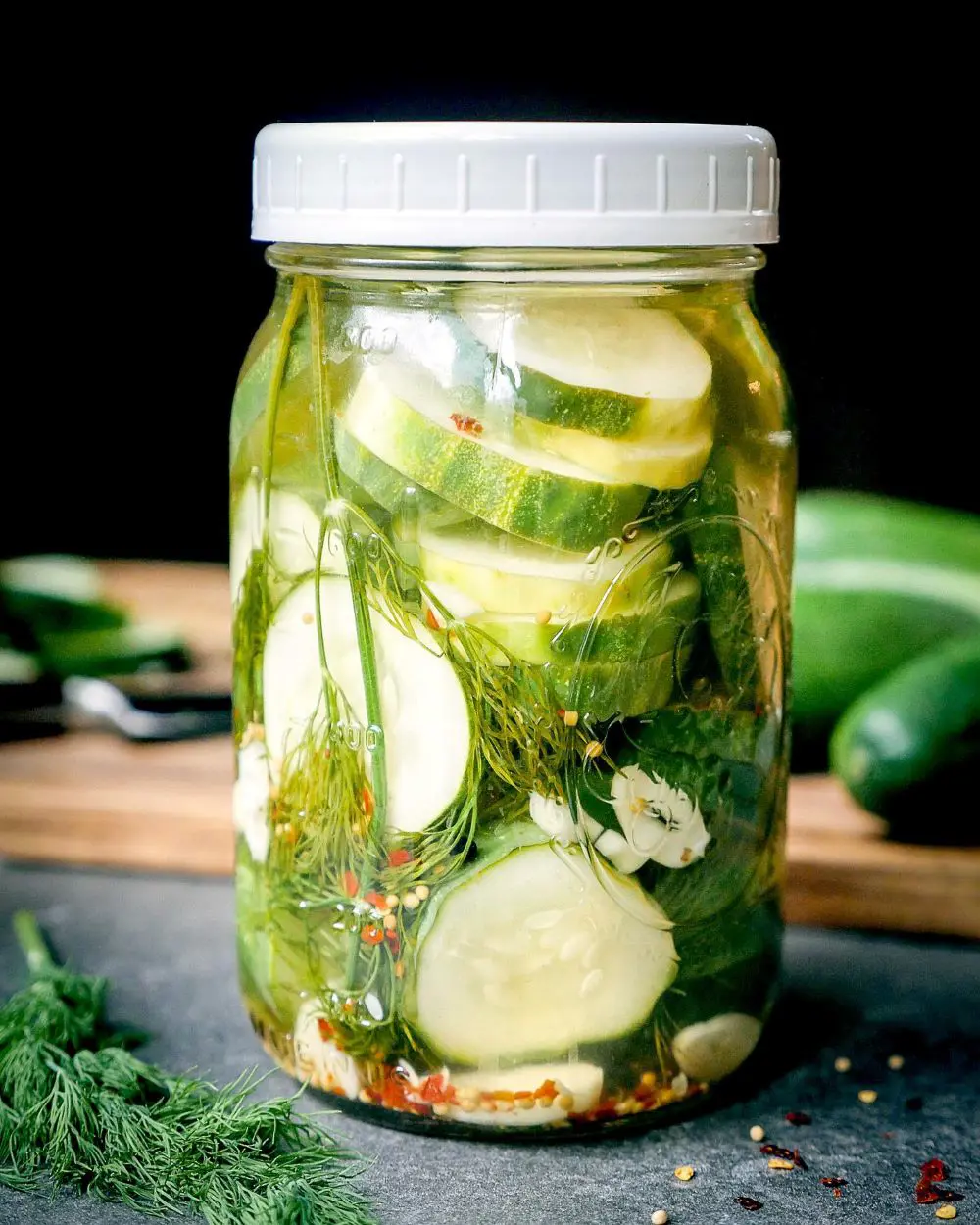
Picked cucumbers are a popular snack. They taste good on their own but some creativity can be opted to make these simple snacks more interesting. Have you tried making this pickle at home? It’s way easier than you think!
One can customize the flavors in homemade pickles. Indeed they taste fresh and vibrant than those store-bought ones. Why not give homemade ones a try?
So, read the complete guide below and learn how to pickle cucumbers at home.
Ingredients For Pickle Cucumbers
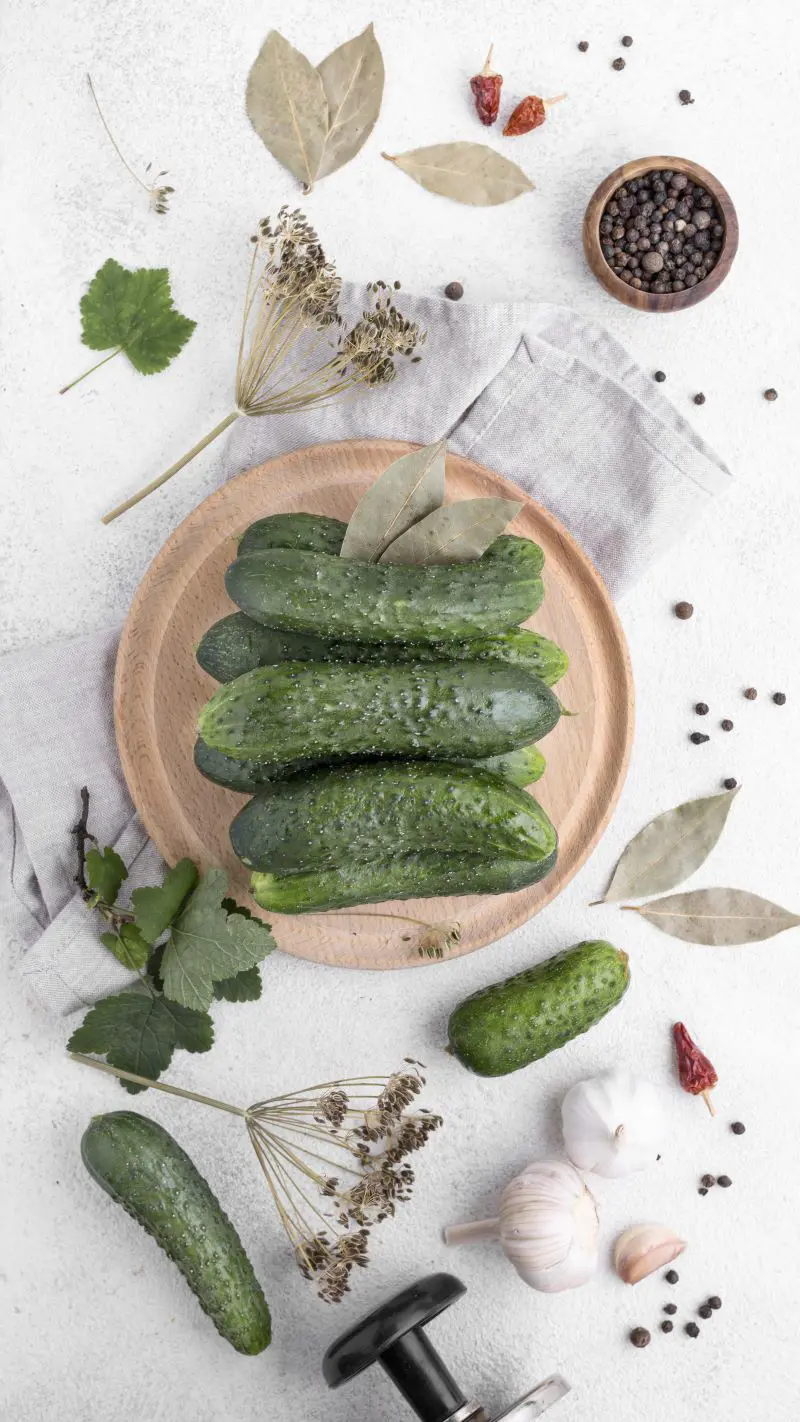
A pickled cucumber recipe is possible from a combination of ingredients. So, take a look at those ingredients and gather them accordingly.
- Cucumbers: It’s a base for pickles. Choose small and firm pickling cucumbers (such as Kirby cucumbers). These give the best texture and flavor. Most importantly, the base ingredient should be fresh enough with not a single trace of blemishes. And it’s a key to crisp and crunchy pickles.
- White Vinegar (5%): It has an acidic content. When used for brining, it pierces the cucumbers and allows the seasonings to blend evenly. A sharp and tangy flavor is what you get from this.
- Water: It dilutes the vinegar. That way you can achieve the right balance of tanginess and strong flavor.
- Kosher Salt: Salt is the ultimate flavor enhancer in the pickles. It softens the cucumbers by drawing out excess moisture. As a result, the texture gets better.
- Sugar (Optional): Sugar adds sweetness to pickles. It also balances the acidity of vinegar. Skip this ingredient, if a slightly sweet pickle is not what you plan for.
- Garlic: An aromatic and depth flavor is what you get from the garlic. It goes as a whole clove to the pickle. That way brine infuses into the garlic and results in a robust flavor.
- Mustard Seeds: It’s a common pickling spice with a slightly tangy and spicy kick. Using it in the pickles lets you experience a subtle heat and sharpness.
- Black Pepper: This one gives a mid-spicy heat. Adjust this ingredient to feel the warmth and a deep aromatic flavor in pickles.
- Bay Leaves: Bay leaves add a pleasing fragrance. Use these to further elevate the flavors and taste of pickles.
- Dill Springs or Dried Dill Seeds: Dill is a fresh herb with an aromatic smell. Use fresh dill or dried ones according to convenience as both do magic to the pickles.
- Red Pepper Flakes (Optional): This one is for spicy cravers. Adjust the spiciness in the pickle with red pepper flakes. You can skip this if don’t like spicy ones.
Tools Needed
- Mason Jars or Glass Jars
- Lids and Bands
- Knife and Cutting Board
- Large Pot
- Pot or Kettle for Boiling Water
- Funnel (optional)
- Ladle
- Paper Towels or Clean Clothes
How To Pickle Cucumbers
I'm not lying but a pickled cucumber recipe is easy. The only thing that takes a bit more time is its preparation. In the end, the effort is worth the wait. So, let’s learn to make cucumber pickles with easy steps:
Ingredient Measurements
- 1 to 1.5 lbs, fresh and firm cucumbers
- 3 cups vinegar (5% acidity, white or apple cider vinegar)
- 3 cups water
- 2-3 tablespoons kosher salt or pickling salt
- 2-3 tablespoons sugar (optional, for sweetness)
- 4-5 cloves garlic, peeled and halved
- 2-3 teaspoons mustard seeds
- 1-2 teaspoons whole peppercorns
- 1-2 bay leaves
- Fresh dill sprigs or dried dill seeds to your liking
- Optional: red pepper flakes, coriander seeds, or any other preferred spices to your liking
Step 1: Prepare the Cucumbers
Unpack the freshly bought cucumbers and put them in a large dish for rinsing. There might be some impurities or dirt on the outer layer of cucumbers. So, wash them properly with water.
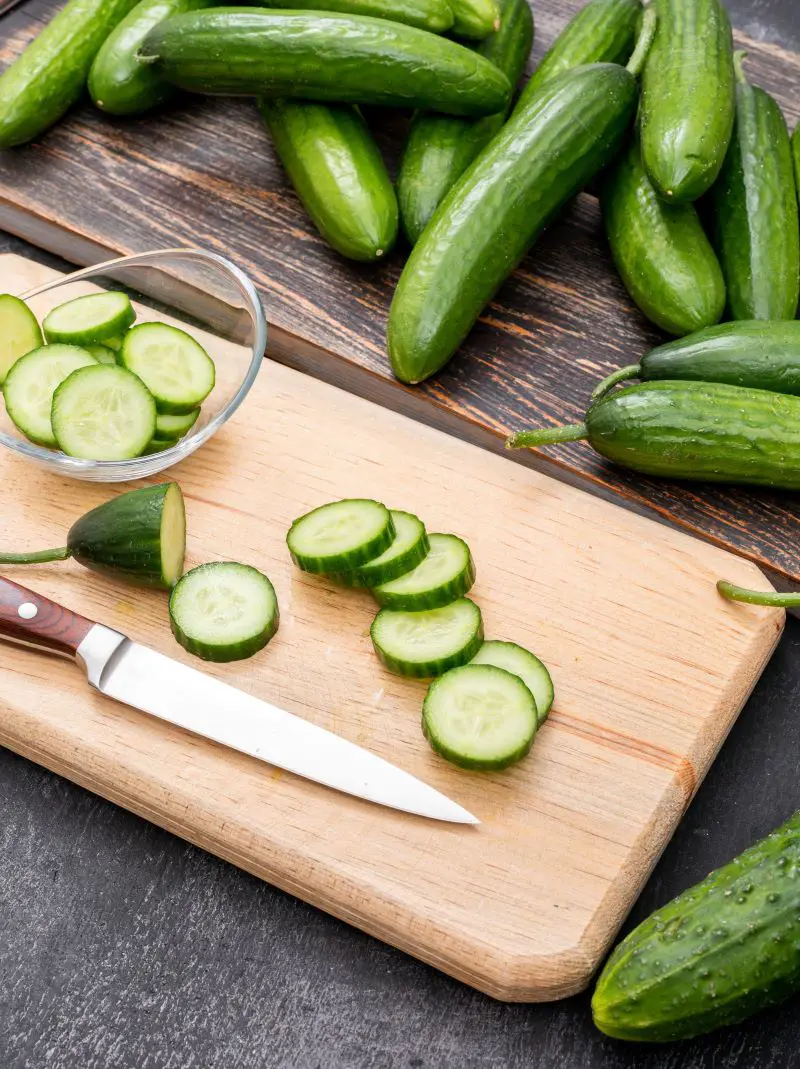
Cut off the blossom end of the cucumber (the side opposite of the stem). This prevents bitterness and ensures a crisp texture. A common way to chop cucumbers is to slice them off. But you can cut them into spears or use them whole, the choice is yours!
To make the pickle extra crunch, keep the chopped cucumbers with ice cubes. This might require an extra 30 minutes. So do this if there is no rush.
Step 2: Prepare the Jars
Here comes cleaning the jars for hygiene purposes. Boil the jars along with lids in water for 10 minutes. This step makes the jars free from harmful bacteria. Instead of boiling, you can also wash jars with soapy water. Follow any.
Step 3: Make the Brine
Proceed to make the brine. Here's how:
How to make brine
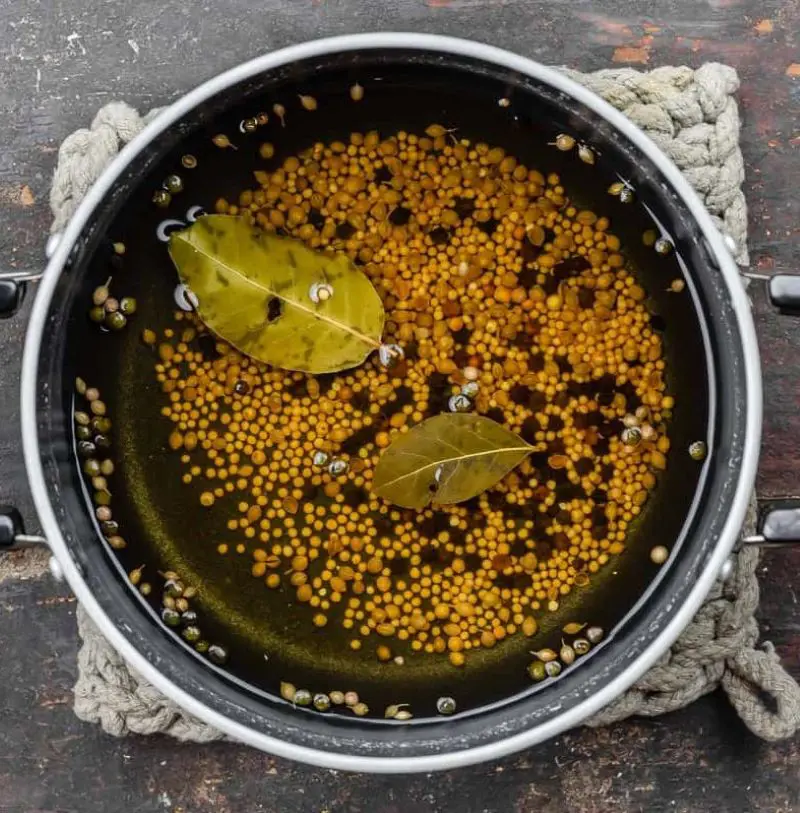
- Bring a large pot and add water, vinegar, salt, and sugar (if using) into that pot. The combined ingredients need to be mixed well. So, stir until salt and sugar are dissolved nicely. Here, you are free to adjust the vinegar-to-water ratio.
- Once stirred well, place the pot on the stove. We have a few more ingredients left to combine. Include mustard seed, black pepper, and bay leaves into the pot.
- Now, keep the heat to medium flame and allow the brine to boil. Medium heat allows a proper extraction of flavors from the ingredients.
- When boiled for a few minutes, reduce the heat to low flame for simmering. This further ensures the full incorporation of ingredients.
- Stir the brine in between this process. Don’t over-simmer the brine, 10 minutes should be enough.
- Then turn off the stove and cool the brine.
Step 4: Add Cucumbers in Jars
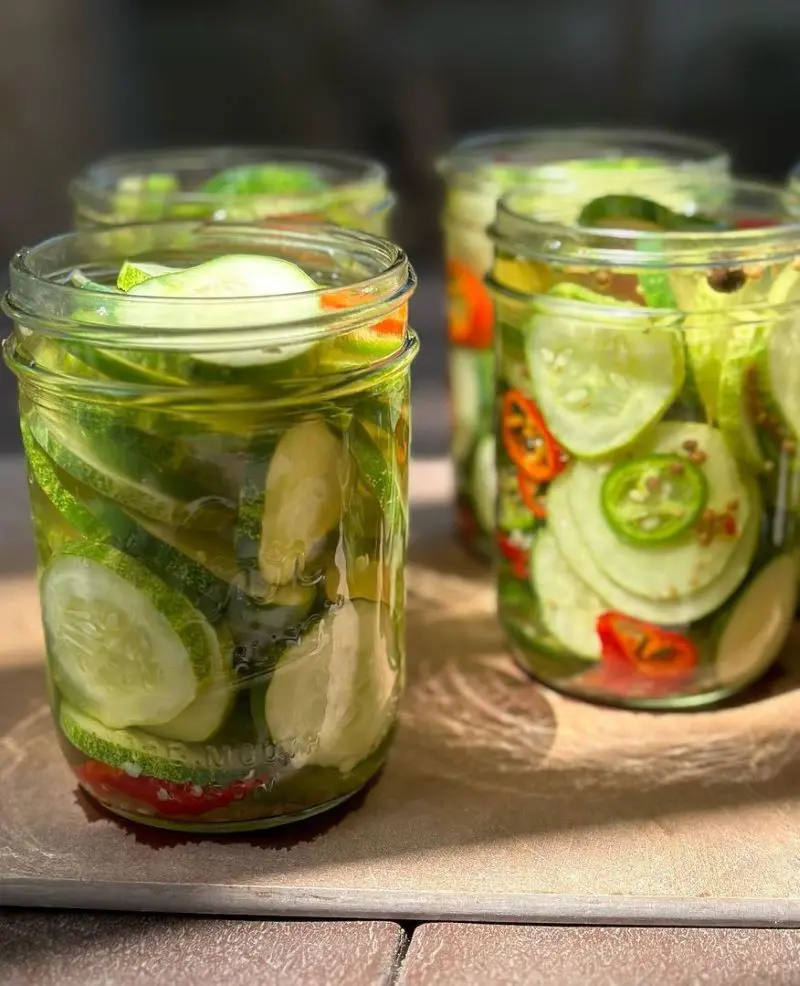
It is time to pack the jars with solid ingredients. First, place a few garlic halves, red pepper flakes (if using), and dill sprigs at the bottom of each jar.
Next move towards cucumbers. Don’t fill the cucumbers till the end of the jars. Leave an inch of space to avoid leaking.
Step 5: Fill the Jars with Brine
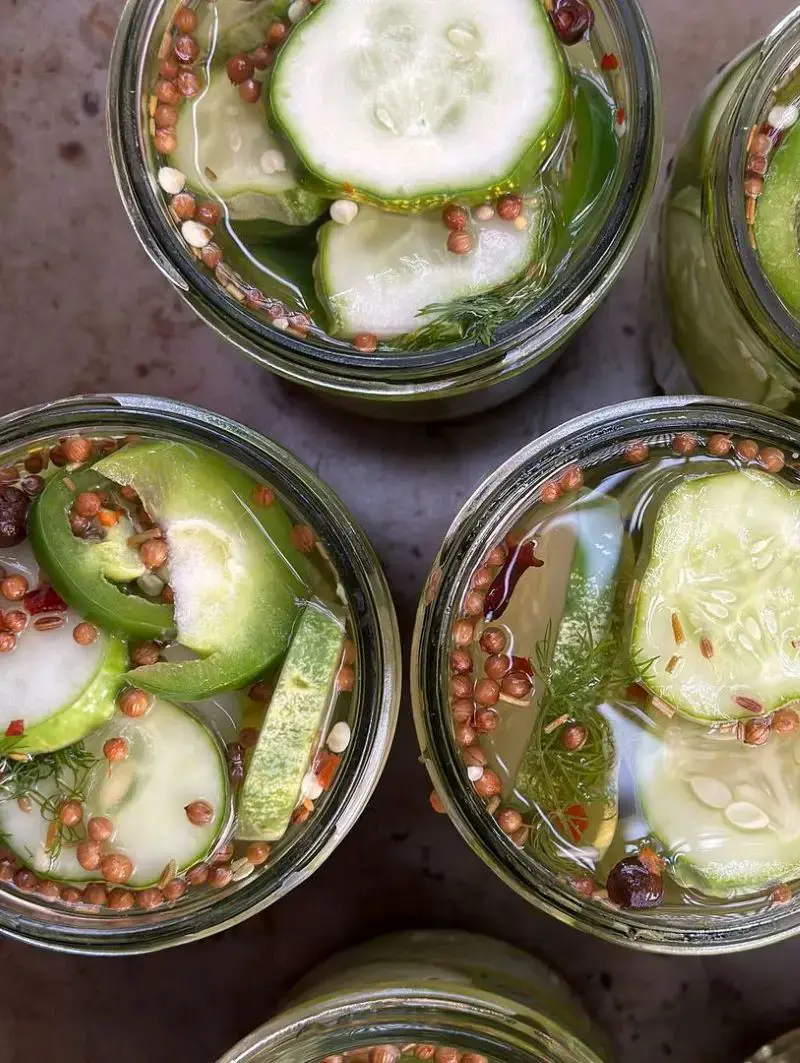
Carefully pour the hot brine into the jars. The brine should cover the cucumbers completely. That way the seasonings get infused well into cucumbers. Use a funnel if needed. It will prevent the spilling.
One should leave about 1/2 inch of space at the top. Slightly with care tap the jars on the counter. You might see some air bubbles. Use a utensil to remove any air bubbles.
Step 6: Seal the Jars
The jars need to be sealed tightly. This prevents any cross-contamination in the pickles. Wipe out the top edges of the jars using a clean and damp cloth. Then, secure the jar with its lid. But make sure not overly tight (just enough to secure the lids in place).
Step 7: Process the Jars (Optional for Long-Term Storage)
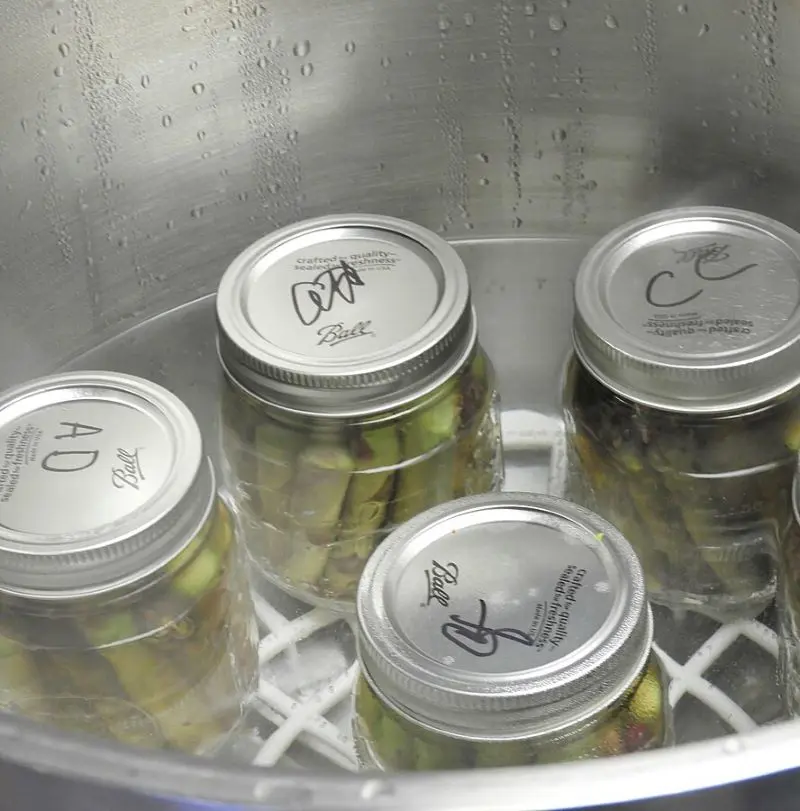
If one has planned to store the pickles for a long period at room temperature, process the jars in a water bath canner. Submerge the jars in boiling water. They should be fully covered. Leave jars to process for about 10 minutes.
Step 8: Cool and Store
Remove jars from the water bath (if processed) and then place them on a cooling rack. Let them cool with no disturbance for 12-24 hours.
Once cooled, check the seals by pressing down on the center of each lid. If it doesn’t pop back, the jar is sealed. If it does pop, refrigerate and use those pickles first.
Label the jars with the date and contents. Store sealed jars in a cool, dark place. Unsealed jars should be refrigerated.
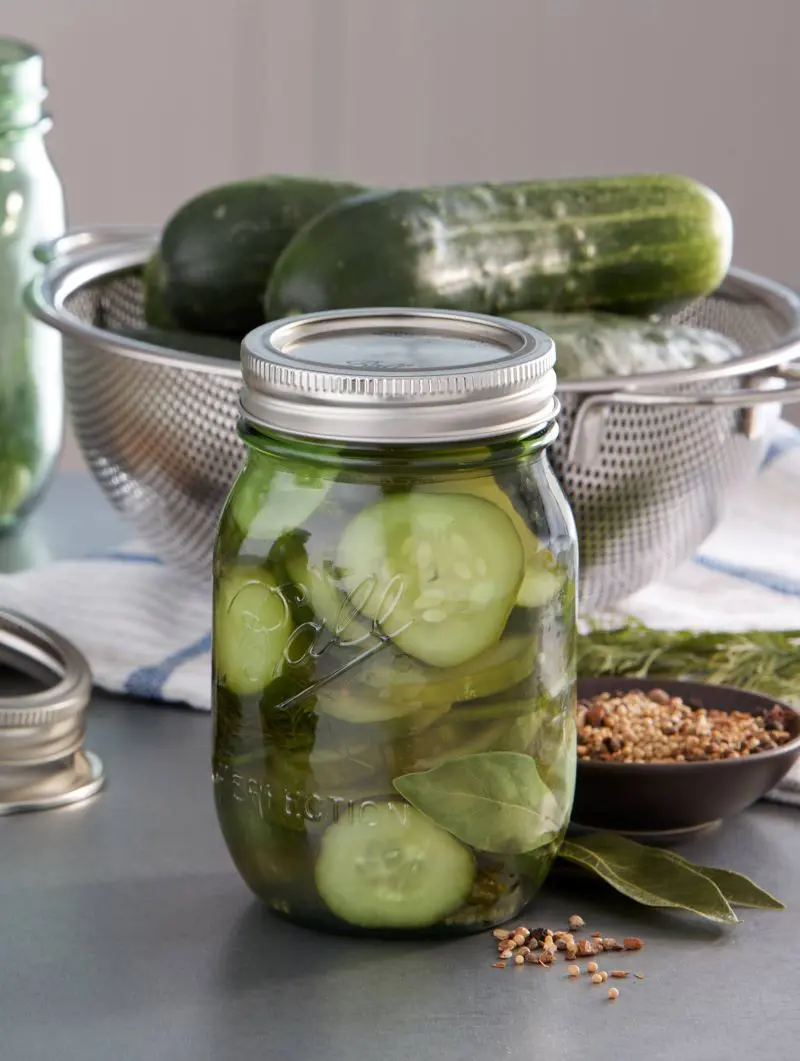
Step 9: Wait and Enjoy
Before jumping to the enjoyment part, the pickle should be left alone for some time. However, the pickle might not meet your expectations in case of the wrong waiting time.
How long to pickle cucumbers?
For pickles made with hot brine, let them sit for at least 24 to 48 hours. By that time, the flavors start to develop.
But, for enhanced taste, wait at least a week before using. This allows the cucumbers to fully absorb the brine and flavors. As a result, you can feel the more intense flavors. So, mostly It depends on the kind of flavor you prefer.
As for the pickle with cool brine, the same pickling period applies as that of hot brine. The longer the days better the flavors. Once the pickle is ready to eat, pair the homemade cucumber pickle with your favorite dish. Now enjoy a good blend of ingredients!
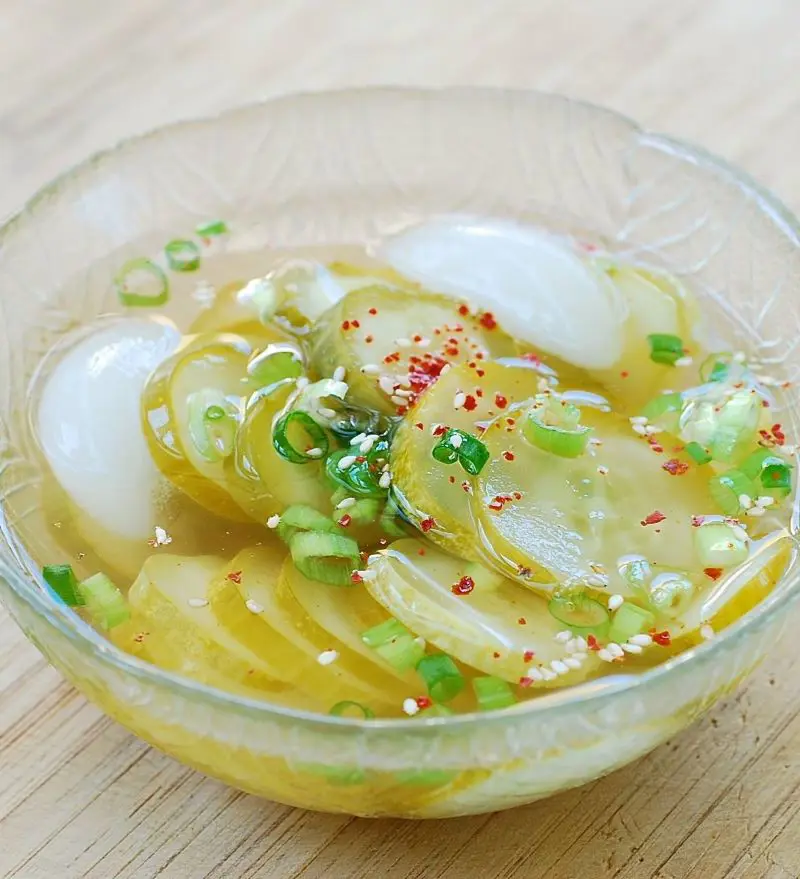
How To Store Pickle
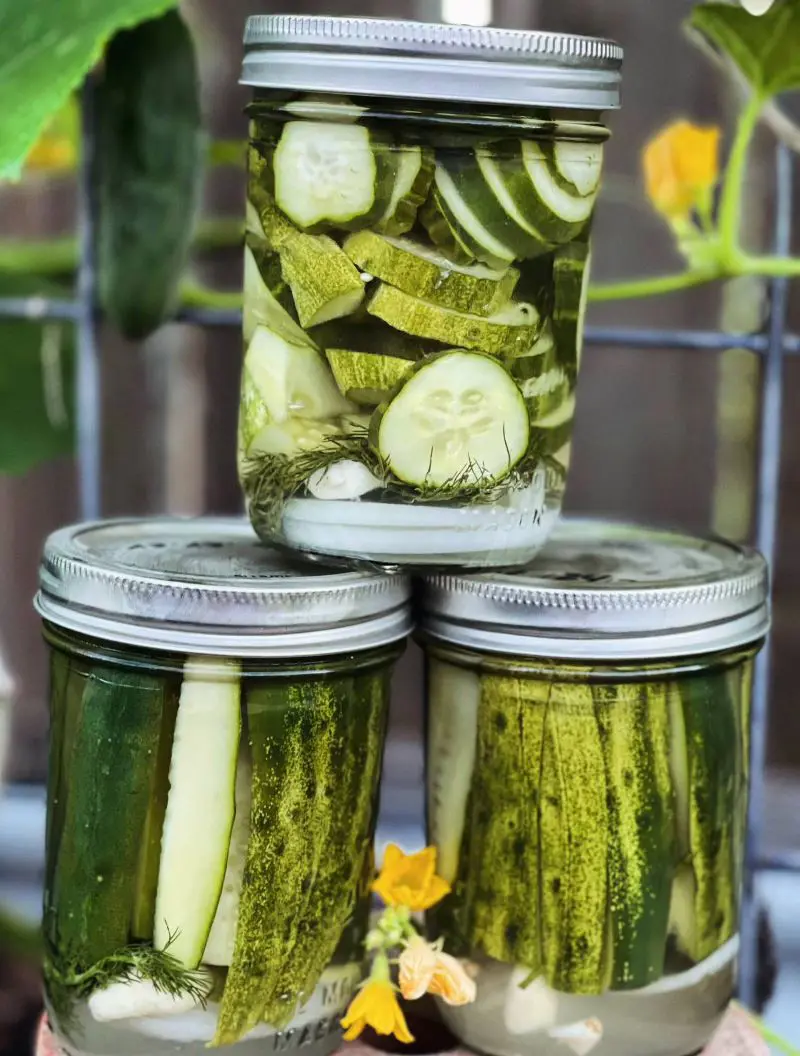
Refrigerated Pickles
As this type of pickles is not made for long-term purposes, it’s best to store them in the refrigerator. That way the quality stays the same. A place to avoid pickles is close to the fridge’s door. The temperature gets influenced quickly around that area. As a result, pickles go bad in the fridge.
One has to make sure the lid is secured well to prevent spoilage or any contamination. Refrigerator pickles can last for up to 2-3 months. But during that period keep an eye on the wellness of pickles.
Canned Pickles
Canned pickles are easy to store. An ideal place to keep them is a cool and dark place, mostly a pantry or cupboard. This way the pickle lasts for up to 1 year. The lid should not pop up and down when pressed.
In case it moves, know that the jar is not sealed properly. The first thing to do with such jars is to refrigerate and use them. Don’t try to store opened canned pickles. It will only lead to a waste of pickles.
Ways To Serve Pickled Cucumbers
One can eat this nutritious pickle as it is, but pairing it with some other dishes makes it more flavorful. Let’s look at some examples:
- On salad: Plain green salads receive a more diverse taste than ever when served with pickled cucumbers.
- In rice: A comforting food turns out to be more nurturing as one includes some portions of pickled cucumbers.
- Mix in wrap: Along with other stuffings, mix in a few slices of pickled cucumbers to let your tastebuds be delightful.
- In Homemade Shushi: Give this deliciously good sushi a slightly tangy and sweet flavor with the inclusion of cucumber pickles.
- In Sandwich: Fill the inside of your sandwich with freshly made cucumber pickles, as one can experience a taste of both soft and chewy all at once.
Should the Brine Be Hot or Cold When Pouring
It's not like there’s harm in allowing the brine to cool before using, but hot brine is mostly recommended. Here is why:
- Improved Sterilization: Pouring hot brine into the jars helps to further sterilize the cucumbers and spices. It reduces the risk of spoilage.
- Better Flavor Penetration: Hot brine helps the flavors penetrate the cucumbers more quickly and thoroughly.
- Softer Texture: Hot brine softens the cucumber. As a result, the pickle tastes more tender.
- Longer Shelf Life: The pickle lasts longer when made with hot brine. This also helps to ferment the pickles and flavors turn out to be more intense.
- Safety in Canning: In the case of a water bath canning method, hot brine creates a vacuum seal as the jars cool. It ensures the lids seal properly.
Here is a case. If the crunchier texture is what you want in pickles, then definitely pouring cool brine is a good idea. But with this, the pickle is ideal to consume for a short-term period. Before use, simply allow the brine to cool to room temperature. Or you can use an ice bath for quick cooling.
Can You Use This Technique to Pickle Other Vegetables
Yes! The same pickling technique is also useful for various vegetables. The only difference could be in the amount of ingredients used. You might need to adjust the seasonings or even add extra ingredients. Otherwise, the whole pickle-making process is the same.
Here are some vegetables to pickle them with this technique:
- Carrots
- Bell Peppers
- Green Beans
- Cauliflower
- Radishes
Recent posts
Kitchen Tips
Kitchen Tips
Best Ways To Reheat Salmon
Salmon is a delightful fish that is consumed by many people. The reason is its flavors and nutritional benefits. Whether be it a normal dinner night or any occasion, you will find salmon on the plate. Having leftover salmon makes you think how ...
Kitchen Tips
3 Methods To Defrost Salmon Without Ruining It
Salmon makes everyone delighted at dinnertime, and it's easy to see why. While fresh salmon from the store tastes wonderful, sometimes life gets too busy for shopping trips. That's when frozen salmon becomes your kitchen hero! With the right defrosti...
Kitchen Tips
Sardines vs Anchovies: What Sets These Pungent Fish Apart?
Sardines and anchovies are both types of small, oily fish that are widely used in food around the world. Both sardines and anchovies are marine or saltwater fish. They are commonly found in coastal waters and are part of the vast array of species tha...
Kitchen Tips
14 Heavy Cream Substitutes For Cooking
Heavy cream, also known as heavy whipping cream, is a luxurious dairy product celebrated for its rich and velvety texture. The cream is made by skimming the fat content from fresh cow's milk with about 36-40% milk fat. However, there are severa...
Kitchen Tips
20 Best Italian Herbs And Seasoning Spices
Italian cuisine is known for its simplicity and the use of locally produced, high-quality, fresh ingredients. One of the reasons behind this is the skillful use of herbs and spices to enhance flavors and create diverse taste profiles. Depending on wh...
Kitchen Tips
15 Butter Replacement Products When You Run Out Of It
Butter makes everything better. It is a kitchen staple that can be found in pretty much everyone's pantry. From baking to sauteeing, we use this ingredient in the kitchen pretty much every day. So, it is natural for us to look for alternatives for da...