How To Steep Tea And For How Long? Brewing and Serving Tea Guide
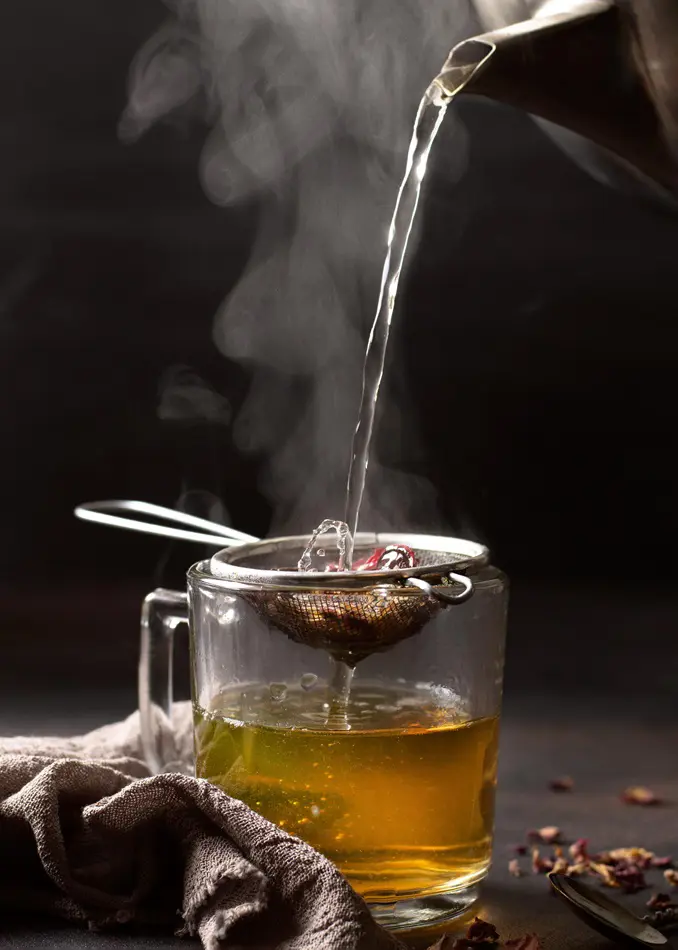
Tea is celebrated globally for its excellent blend of taste, attracting odor and health aids, making it more than just a drink. A tasty cup of tea can drive away the winter coldness and energize you throughout the day.
However, it is very important to know the technique of steeping, which unlocks the full potential of tea. This article will explore everything you need to know about steeping tea properly, the ideal steeping times for different types of tea, brewing methods, and serving tips.
Understanding Tea Types
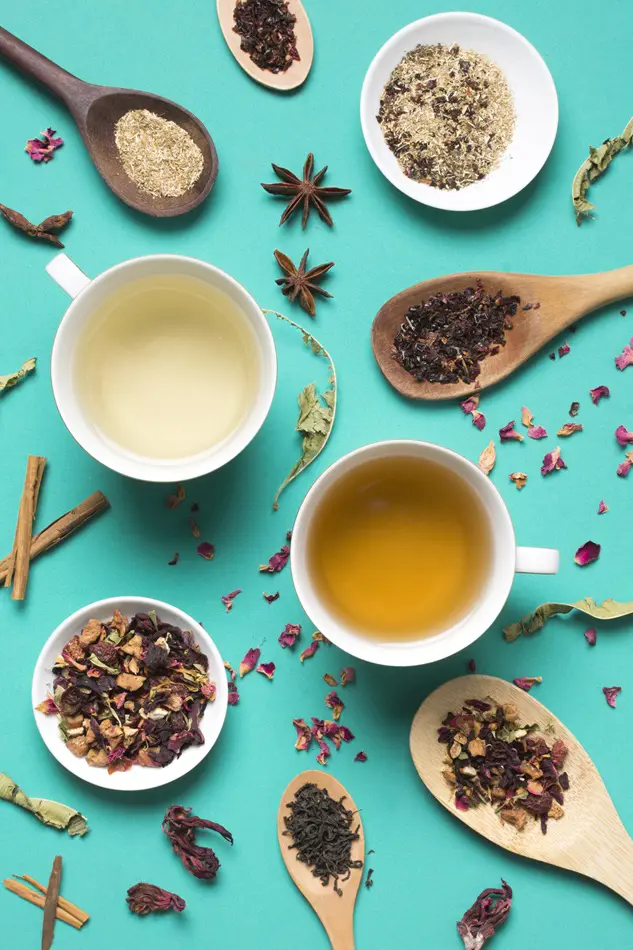
Before knowing the steeping technique, it is very necessary to understand that different tea types require different steeping methodologies, times, and temperatures. Some of the main categories of tea are:
Black Tea
Made from the leaves of the tea plant, which goes through complete oxidation, developing a robust taste and dark color. One of the most popular teas in the country and all around the globe, offers numerous health benefits too.
White Tea
Prepared from the young tea leaves and buds, this tea is the least processed type of tea, which gives a delicious flavor. It generally has the lowest caffeine content among all teas, which generates a light energy push without overstimulation. The rich antioxidant properties of this tea also support skin health and may reduce the risk of chronic disorders in the body.
Green Tea
With lower oxidation, green tea keeps hold of its green color and fresh taste. Prepared from inoxidized tea leaves, this tea is rich in antioxidants, particularly catechins like EGCG, that fight oxidative stress in the body. The taste however ranges from grassy to sweet and vegetal.
Herbal Tea
This tea is not prepared from tea plants but from herbs, flowers, fruit, and spices. Chamomile, eucalypt, and rose mallow are some of the common types of herbs used in making this tea.
Oolong Tea
It is a traditional Chinese tea, that lies between green and black tea in terms of oxidation, which gives it a distinctive taste that is planty and earthy. A light amount of caffeine present in this tea gives a gentle energy boost and also serves numerous health aids.
Iced Tea
One of the most popularly consumed tea kinds in the country is typically made by fermenting black, green, or herbal tea and cooling it with ice. It develops a refreshing and hydrating alternative to sugary sodas. Some varieties like unsweetened iced green tea, are low in calories and can aid in managing weight.
Science Behind Steeping Tea
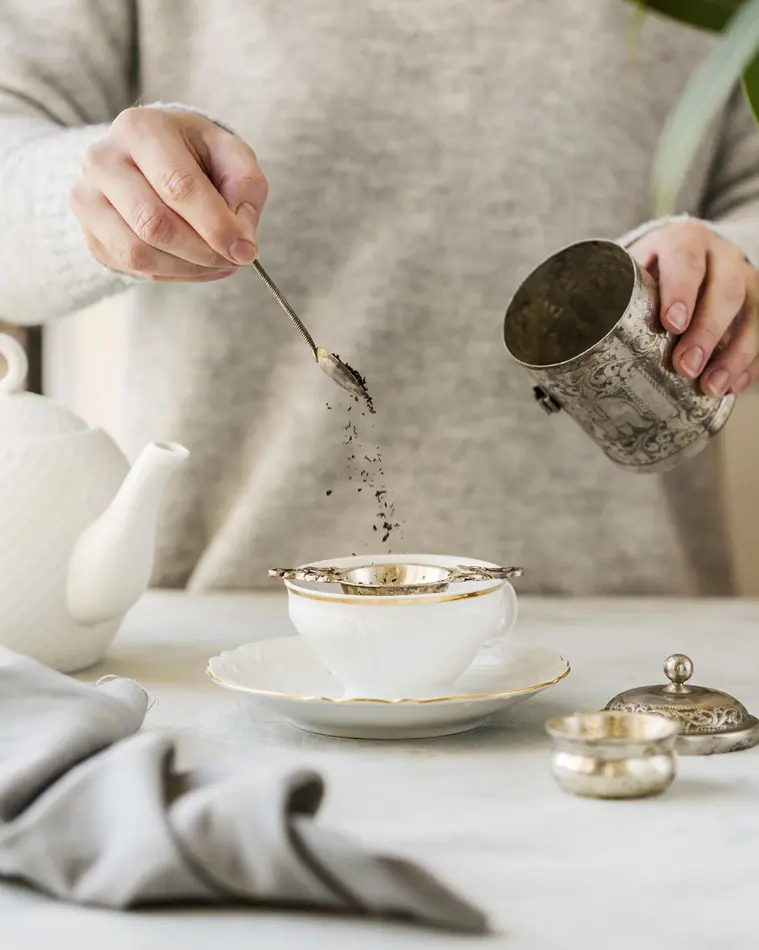
Steeping tea is both an art and science, which involves the careful withdrawal of flavors, nutrients, and essential oils from tea leaves into water. Various critical factors are involved in this process that decide the final taste, odor, and health benefits of this tea. Understanding these factors can help you achieve the perfect cup, customized to your preference.
Temperature
The water temperature is very important as it controls which compounds are to be extracted from tea leaves. For example, delicate teas like white and green tea require slightly lower temperatures to prevent the burning of leaves, which can result in a bitter taste. In comparison, black or oolong tea can resist a higher temperature assists in releasing its rich and complex flavors and higher caffeine content.
Also, too cold, and the tea can not extract adequate beneficial compounds, like tannins catechins, and caffeine, leading to a weak blend.
Time
The steeping time is also equally important. Sometimes, under-steeping can lead to a dull tea that hasn't fully developed its flavor profile, while over-steeping can cause the tea to become more bitter due to the excessive release of tannins. Basically, depending on the types of tea used the time needed for steeping also should be regulated to draw out the full benefits of herbs.
Tea-to-Water Ratio
The proportion of tea leaves to water is another vital aspect of steeping. Not using many leaves can result in a weak and palling cup, while too many leaves can result in an overpowering and overly intense blend.
A standard ratio is about 1 teaspoon of loose tea leaves per 8 ounces(240 ml) of water, though it can fluctuate based on personal taste. The density and surface area of leaves also play an important role as finely cut teas may require less steeping time compared to whole leaf types.
Quality And Type Of Water
In addition to the mentioned factors, the quality of water used can impact the steeping process. Fresh, filtered water that is generally low in minerals is recommended as hard water can hamper the tea's flavor and clarity. The pH level of water also plays an important role: neutral or slightly acidic is ideal for most teas.
General Guidelines For Steeping Different Types Of Tea
Discover the secrets to brewing the perfect cup with these ideal steeping times, temperatures, and amounts for every type of tea!
Key Comparisons:
Temperature: White and green teas require lower temperatures to preserve their delicate flavors. Oolong and black teas can handle higher temperatures, especially for stronger kinds. Herbal teas can resist the highest temperatures.
Steeping Time: White and green teas have shorter steeping times to avoid bitterness. Oolong and black teas have a bit longer steeping times. Herbal teas can be steeped for a longer time without becoming bitter.
Amount: All tea varieties should use one ounce of tea for every eight ounces of water, with minor variances based on preferred strength and taste.
Modern Brewing Techniques
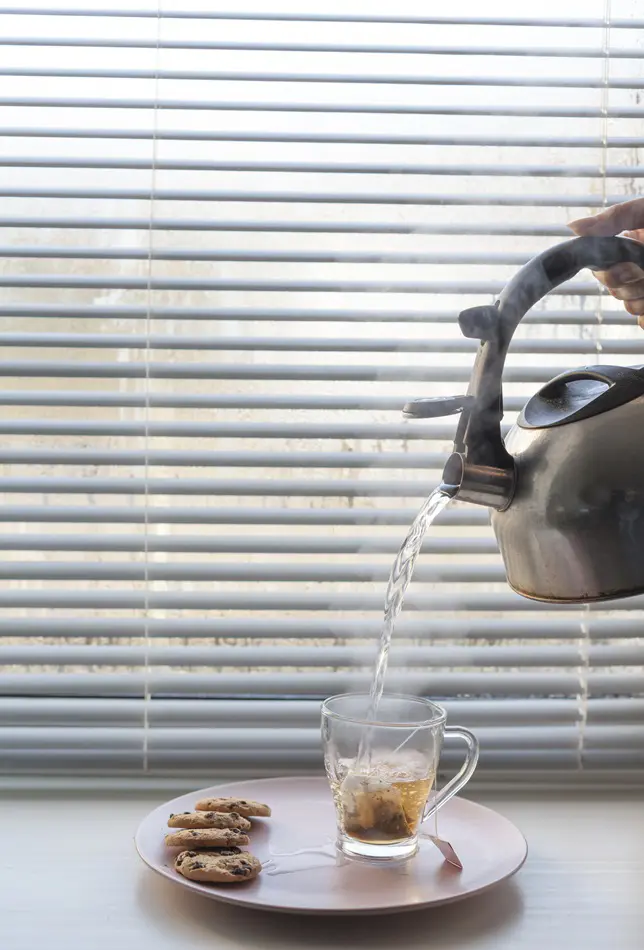
Brewing a perfect cup of tea is all about selecting the right procedure as it can heavily impact the flavor, odor, and overall experience. Tea lovers have a range of brewing techniques at their convenience. Each approach offers a unique way to savor the diverse world of tea.
Teapot With Infusers
For anyone who likes loose-leaf tea but wants trouble trouble-free experience, a teapot with a built-in infuser is the way to go. It keeps the leaves contained, which makes it easy to remove once the tea has been steeped to perfection. This is a versatile method and works very well for most of the tea types.
Tea Bags
One of the most popular and suitable methods in the modern world, tea bags offer a quick and easy way to enjoy tea.
However, it won't be a nice experience every time as they often contain lower-grade tea dust and fannings, which can result in a less flavorful brew compared to loose leaves.
French Press
Primarily linked with coffee, the French press can also be an amazing piece of equipment for tea lovers. You just have to add tea leaves, pour in hot water, let it steep, and press down the piston to separate the leaves from the brew. This method gives a strong, full-boiled cup and is also beneficiary for black and herbal teas.
Electric Tea Kettles With Temperature Control
Electric kettles with alterable temperature settings ensure the water is heated to the required degree for different types of tea. This is also perfect for green, white, and oolong teas as they require more precise temperatures.
Tips For Perfecting Your Brew
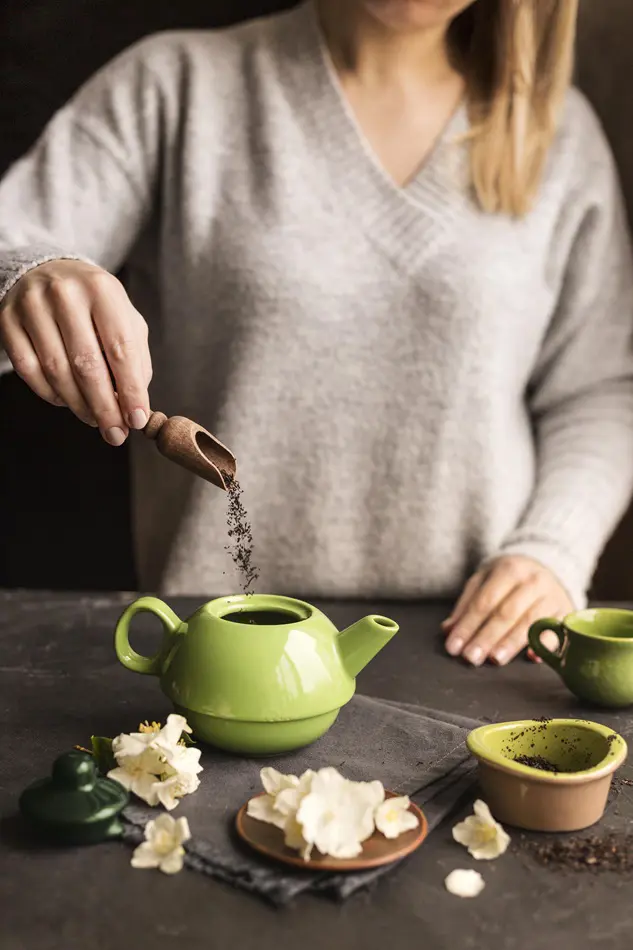
Brewing a perfect cup of tea implies more than adding leaves to hot water and requires a subtle technique of precision and personal taste. Here are some key tips to help you refine your technique and take your tea game to the next level:
Use Fresh Filtered Water
The base of best quality tea starts with the quality of water. Fresh, filtered water is perfect for brewing as it brings out the tea's true flavors without any unpleasant aftertaste. Just avoid using distilled water, as its lack of minerals can make your tea to be dull and lifeless. Go for the water that is clean but still contains natural minerals so that the flavor of the tea gets enhanced.
Preheat Your Teapot or Cup
Don't miscalculate the power of preheating! Just warming your teapot or cup before brewing helps to maintain a regular steeping temperature, which allows the tea to ingrain evenly. This simple and easy technique can make a huge difference, especially for more delicate teas like green or white, where temperature regulation is key to uncovering their full flavors.
Measure Accurately
Preparing a perfect tea cup finally comes down to the balance aspect as you have to use the perfect amount of tea leaves. Adding the right amount of tea leaves is very crucial as using more leaves makes tea overpoweringly strong while tea becomes dull and weak if used in less quantity.
Generally, it is recommended to use 1 teaspoon per 240 ml of water serving to get the perfect taste of tea, but also feel free to adjust according to your needs.
Experiment with Steeping Times
Tea brewing technique is not a universal thing and personal preference in this procedure also influences the taste of tea. You might want to consider reducing the steeping time or lowering the water temperature if your tea tastes a bit bitter. On the other hand, if you want a bold and strong flavor, try steeping a bit longer. Don’t be afraid to experiment as knowing your ideal cup is part of the fun!
Serving Suggestions And Enhancements
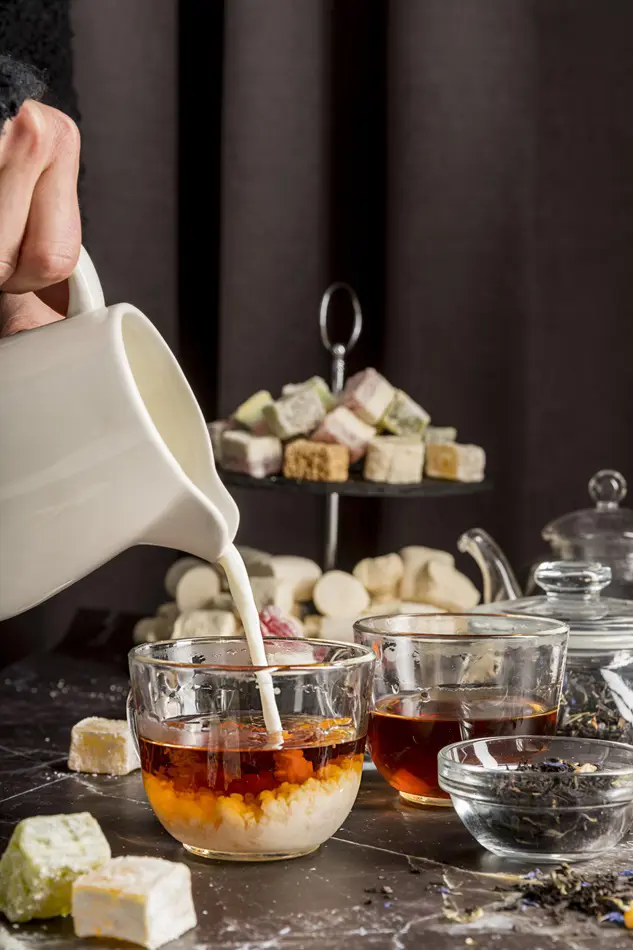
Tea is a versatile drink that can be enjoyed in its pure form or mixed with unique add-ons. Let's uncover new ways to elevate your tea experience to match your mood and taste:
Milk And Sugar
Adding milk gives your tea a rich, creamy texture, and with a touch of sugar softens the natural bitterness and increases the flavor profile. Adding milk to the tea makes the texture more smoother and appetizing.
Sugar amount can be adjusted to personal preference and makes the tea more enjoyable for those who prefer a sweeter taste, however, a small amount can make a big difference. This combination creates a comforting and full-bodied cup, perfect for starting the day or enjoying a cozy afternoon break.
Honey Or Agave
If you want to use natural sweeteners instead of sugar then go for honey or agave. These natural sweeteners pair well with white, green, or herbal teas and their slight sprinkle can add a gentle sweetness to the overall tea profile. These sweeteners do not overpower the tea's subtle flavors but can provide a soothing effect to the overall tea experience.
Herbs And Spices
You can promote the taste of your tea, with a touch of herbs or spices. Fresh mint leaves, a slice of ginger, or cinnamon can add an extra layer of flavor and depth in taste to your brew. The additions of herbs can pair well with herbal teas or spicy tea, which enhances tea's natural warmth and provides tangible delight with every sip.
Lemon Or Citrus Fruit
Mixing a slice of lemon or a splash of citrus juice can brighten up your tea. This gives your tea a refreshing turnover which makes the tea experience more vibrant and lively. This can be a great addition to black teas, and herbal teas, however, avoid mixing them with green teas as it can thicken the texture and hamper the taste. For a citrusy experience, try adding orange or lime slices to your iced teas for an extra burst of freshness.
Tea Lattes
For anyone craving a creamy, comforting drink, tea lattes are the perfect choice. Popular options include Matcha Latte, which is prepared with finely ground green tea powder and steamed milk, or Chai Latte, combining black tea with a blend of spices, milk, and sweetener. These rich, luxurious beverages are perfect for a cozy afternoon treat or can be consumed as a coffee alternative.
Iced Tea
For a refreshing change, you can try converting your favorite tea into an iced delight. You can cold-brew for a smooth, less bitter taste or brew it hot and then chill it over ice. You can also add additional supplements like fresh fruit berries, peaches, or even a touch of mint to prepare a fruity and refreshing summer drink.
Recent posts
Lifestyle
Lifestyle
20+ At Home Remedies For Nausea
Nausea can affect any of us, any time of the day. Though nausea has unexpected timing, fortunately, there are several natural and simple home remedies that are effective in healing the discomfort. From foods that help calm the stomach to breathing te...

Lifestyle
15 Home Remedies to Relieve Heartburn Naturally
Heartburn, that uncomfortable burning sensation in your chest, can be a real pain. But don't reach for antacids just yet. There are several natural remedies that can help relieve your symptoms. From simple dietary changes to soothing herbal tea...

Lifestyle
20 Natural and Home Remedies to Get Rid of Toothache Pain Fast
Dealing with tooth pain can be distressing, whether it's from decay, infection, or other dental issues. While waiting to see your dentist, simple home remedies can offer temporary relief. From applying a cold compress to rinsing with salt water or si...

Lifestyle
Expert Ways To Eat Poppy Seeds
Poppy seeds are small yet powerful because of their nutty taste and crunchy texture. Mild and gentle addition to any dish, they are a staple ingredient in cuisines around the world; you can find them in curries in India and in baked goods in Europe. ...

Lifestyle
How To Tell If Salmon Is Bad?
One of the many delicious meals out there in the world, salmon is a great choice for many. Highly rich in protein, and essential vitamins like B12 and D, salmon is a go-to meal for many kitchens. It's easy to prepare but is highly perishable. Salmon ...
Lifestyle
How To Cut and Eat Grapefruit? Most Delicious Ways
Juicy and wonderfully nutritious but with the hassle of preparation, these are what grapefruits are perceived as! The effort it seems to take to enjoy this fruit makes us even walk past it at the store. But, we got you here, with smart cutting techni...