Can You Eat Kiwi Skin? Benefits, Risks, and Tips

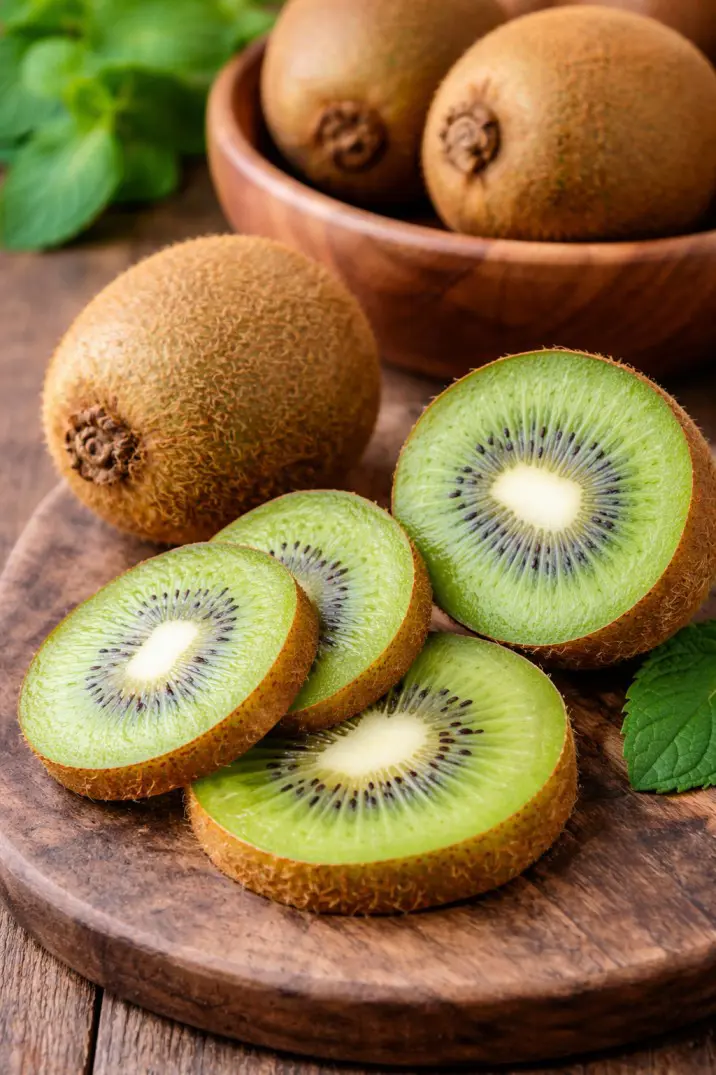
The kiwi fruit, with its vibrant green flesh and tiny black seeds, is a favorite in fruit salads, smoothies, and desserts. But many people peel it before eating, leaving behind its fuzzy brown skin.
The question arises: can you eat kiwi skin? While it might look unusual, kiwi skin is edible, nutritious, and may even enhance the fruit’s health benefits.
This guide explores whether eating kiwi skin is safe, the nutritional benefits it offers, potential side effects, and tips to enjoy it comfortably.
What Is Kiwi Skin Made Of?
Kiwi skin is thin, brown, and fuzzy. Its texture might feel off-putting at first, but it is packed with nutrients. The skin contains:
-
Fiber – Supports digestion and gut health.
-
Vitamin C – Boosts immunity and helps in collagen production.
-
Antioxidants – Helps fight free radicals in the body.
-
Folate and Vitamin E – Essential for cell repair and skin health.
Eating the skin along with the flesh can increase your fiber intake by up to 50%, making the fruit even more nutritious.
Nutritional Benefits of Eating Kiwi Skin
Eating kiwi skin isn’t just safe; it can provide extra health perks:
1. Increased Fiber Content
The fuzzy skin contains insoluble fiber that aids digestion, prevents constipation, and helps maintain a healthy gut. For people struggling to meet daily fiber needs, leaving the skin on is a simple way to boost intake.
2. Boosted Antioxidants
Kiwi skin contains antioxidants like polyphenols and flavonoids, which can help reduce oxidative stress and inflammation, protecting your body from chronic diseases.
3. Enhanced Vitamin Intake
Most of the vitamin C in a kiwi is concentrated near the skin. Eating the skin can provide a more significant portion of this immune-boosting vitamin.
4. Heart and Metabolic Benefits
The combination of fiber, antioxidants, and potassium in kiwi skin can help support heart health, regulate blood pressure, and even stabilize blood sugar levels.
Are There Any Risks in Eating Kiwi Skin?
While kiwi skin is generally safe, there are a few considerations:
1. Texture and Taste
The fuzzy exterior can feel rough in the mouth, and the taste might be slightly bitter. Washing the kiwi thoroughly can reduce fuzziness and improve palatability.
2. Allergic Reactions
Some people may be allergic to kiwi skin or proteins found in the fruit. Symptoms include itching, swelling, or a mild rash. If you are trying kiwi skin for the first time, start with a small piece.
3. Pesticide Residue
Non-organic kiwis may carry pesticide residue on the skin. Washing the fruit thoroughly with water or using a fruit brush is recommended. Choosing organic kiwis can minimize this risk.
How to Eat Kiwi Skin Comfortably
If you want to enjoy kiwi skin without the rough texture, here are some tips:
1. Wash Thoroughly
Rinse the kiwi under cold water and scrub gently with a brush to remove dirt and pesticides.
2. Slice Thinly
Cut the kiwi into thin slices or wedges. The smaller pieces make the skin less noticeable.
3. Blend in Smoothies
Blending kiwi with the skin in a smoothie masks the texture while preserving nutrients.
4. Pair with Sweet Fruits
Combining kiwi with sweeter fruits like strawberries or mangoes can balance the slight bitterness of the skin.
Fun Ways to Include Kiwi Skin in Your Diet
-
Smoothie Boost – Blend kiwi with spinach, banana, and yogurt. The skin adds fiber without affecting taste.
-
Fruit Salad Upgrade – Leave the skin on for a visually appealing green and brown contrast.
-
Kiwi Popsicles – Slice the kiwi thinly with the skin and freeze with juice or yogurt for a refreshing treat.
-
Healthy Snacks – Dice kiwi with the skin and sprinkle a pinch of salt or cinnamon for a tangy snack.
Conclusion
Eating the skin not only enhances the fruit’s nutritional value but also adds fiber, antioxidants, and vitamins. However, texture, taste, and allergies are important considerations. If you are new to eating kiwi skin, start small, wash it properly, and experiment with different ways to incorporate it into your meals.
Ultimately, whether peeled or unpeeled, kiwi remains a powerhouse of nutrients that supports digestion, immunity, and overall health. By exploring new ways to enjoy it, including its skin, you can make the most of this tropical delight.
Recent posts
Nutrition

Nutrition
Can You Eat Squash Skin? Health Benefits and Cooking Tips
Squash is a versatile vegetable that comes in many shapes, sizes, and colors. From butternut squash to acorn squash and zucchini, it’s a staple in many kitchens. The answer depends on the type of squash, its maturity, and how it’s prepare...
Nutrition
Licorice Root: Benefits And Uses
You can spell it liquorice or licorice; this herb or root has been in use for centuries in most medicinal applications, as a natural sweetener and to enhance flavors. Regarding its origins, it comes from the root of the "Glycyrrhiza galbre" plant and...
Nutrition
Is Salmon Good For You? Nutritional Facts and Benefits
Salmon fish is a staple diet throughout the world, popular as a super food for its nutrients. Whether savored in sushi, poached, grilled, roasted, or pan-fried, salmon offers minerals and vitamins that contribute to healthy bodily functions. In addit...

Nutrition
25 Smoked Salmon Recipes That You Will Enjoy
Salmon is a silver-colored fish that is loaded with many nutrients, vitamins, and omega-3 fatty acids. Smoked Salmon is better for improving your health and reducing the risk of cancer, heart-related diseases, fights inflammation, reduces anxiety and...

Nutrition
Are Sausages Healthy? Nutrition And Health Benefits
Sausages are tasty in an addictive way, making them one of the most popular foods worldwide. You may have enjoyed this convenient food often, whether on a bun with mustard or grilled on a barbecue, the simple preparation methods are what makes its co...
Nutrition
20 Vegetables That Are Rich In Iron
Iron is essential for our bodies to function well. When we don't get enough iron, we often feel weak and tired. It's important to address iron deficiency early by eating the right foods. Fortunately, many vegetables are rich in iron and can help prev...