

How to Cook Butter Beans | Easy & Flavorful Recipe

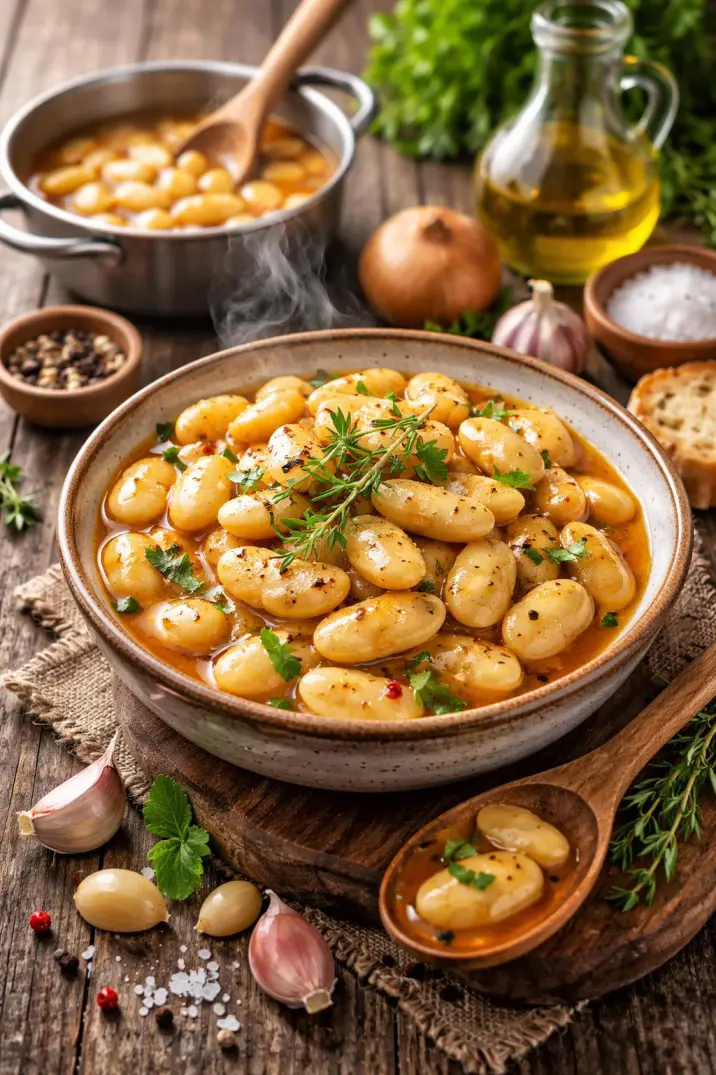
Butter beans are a comforting, nutritious staple known for their creamy texture and mild, buttery flavor. Whether you’re preparing a hearty side dish or a plant-based main course, learning how to cook butter beans properly can elevate your meals.
From soaking dried beans to enhancing them with spices and herbs, this guide walks you through everything you need to know to achieve perfectly cooked butter beans every time.
What Are Butter Beans?
Butter beans, also known as lima beans, are large, flat legumes with a soft, velvety texture when cooked. They are rich in protein, fiber, and essential nutrients, making them an excellent addition to a balanced diet. Butter beans are available both dried and canned, with dried beans offering more control over flavor and texture.
Ingredients You’ll Need
Here’s a basic list of ingredients for cooking butter beans from scratch:
-
1 cup dried butter beans
-
3–4 cups water or vegetable broth
-
1 small onion (chopped)
-
2 cloves garlic (minced)
-
1 tablespoon olive oil or butter
-
Salt and pepper (to taste)
-
Optional: bay leaf, herbs, or spices for added flavor
Step-by-Step: How to Cook Butter Beans
1. Soak the Beans
Start by rinsing the dried butter beans under cold water. Place them in a bowl and cover with water. Let them soak overnight (8–12 hours). This step helps soften the beans and reduces cooking time.
Quick soak option: Boil the beans for 2 minutes, then let them sit for 1 hour before draining.
2. Drain and Rinse
After soaking, drain the beans and rinse them thoroughly. This removes any impurities and improves their flavor.
3. Cook the Beans
Add the soaked beans to a large pot and cover with fresh water or broth. Bring to a boil, then reduce to a simmer. Cook for 45–60 minutes, or until the beans are tender.
Tip: Avoid adding salt at the beginning, as it can make the beans tough. Add it toward the end of cooking.
4. Add Flavor
In a separate pan, heat olive oil or butter and sauté the chopped onion and garlic until fragrant. Add this mixture to the cooked beans. Season with salt, pepper, and any herbs or spices you like.
5. Simmer and Serve
Let the beans simmer for another 10–15 minutes to absorb the flavors. Serve warm as a side dish or incorporate them into other recipes.
Cooking Canned Butter Beans
If you’re short on time, canned butter beans are a convenient alternative.
-
Drain and rinse the beans.
-
Heat them in a pan with olive oil, garlic, and seasoning.
-
Simmer for 10–15 minutes until heated through and flavorful.
While canned beans are quicker, they may have a softer texture compared to freshly cooked dried beans.
Flavor Variations to Try
Creamy Garlic Butter Beans
Add a splash of cream or coconut milk along with extra garlic for a rich, indulgent dish.
Tomato-Based Butter Beans
Simmer the beans in a tomato sauce with herbs like oregano and basil for a Mediterranean-style meal.
Spicy Butter Beans
Incorporate chili flakes, cumin, and paprika for a bold, spicy twist.
Herb-Infused Beans
Add fresh herbs such as parsley, thyme, or rosemary for a fragrant and fresh flavor profile.
Tips for Perfect Butter Beans
-
Don’t overcook: Beans should be tender but not mushy.
-
Use broth for depth: Cooking beans in vegetable or chicken broth enhances their flavor.
-
Skim foam: Remove any foam that forms while boiling for a cleaner taste.
-
Store properly: Cooked beans can be refrigerated for up to 4 days or frozen for longer storage.
Nutritional Benefits
Butter beans are not only delicious but also highly nutritious. They are a great source of plant-based protein, making them ideal for vegetarians and vegans. Their high fiber content supports digestion and helps maintain stable blood sugar levels. Additionally, they contain essential minerals like iron, magnesium, and potassium.
Serving Ideas
-
Serve as a side dish with grilled vegetables or roasted meats
-
Add to salads for extra protein and texture
-
Mash them slightly and spread on toast with herbs
-
Mix into soups and stews for added creaminess
-
Pair with rice or quinoa for a complete meal
Common Mistakes to Avoid
Skipping the Soak
Skipping soaking can lead to uneven cooking and longer preparation time.
Adding Salt Too Early
Salt can toughen the beans if added before they soften.
Using Old Beans
Older dried beans take longer to cook and may never fully soften.
Conclusion
Learning how to cook butter beans is a simple yet rewarding skill that opens the door to countless delicious dishes. With the right techniques and a bit of patience, you can transform humble beans into a creamy, flavorful delight. Whether you prefer them classic, spicy, or infused with herbs, butter beans are a versatile ingredient that deserves a spot in your kitchen.
Recent posts
Recipe

Recipe
How to Make Shrimp Scampi: A Flavorful and Easy Seafood Classic
Shrimp scampi is a timeless dish that combines tender shrimp with a rich, garlicky butter sauce, often served over pasta or with crusty bread. Known for its simplicity and bold flavor, this dish is perfect for both quick weeknight dinners and elegant...
Recipe
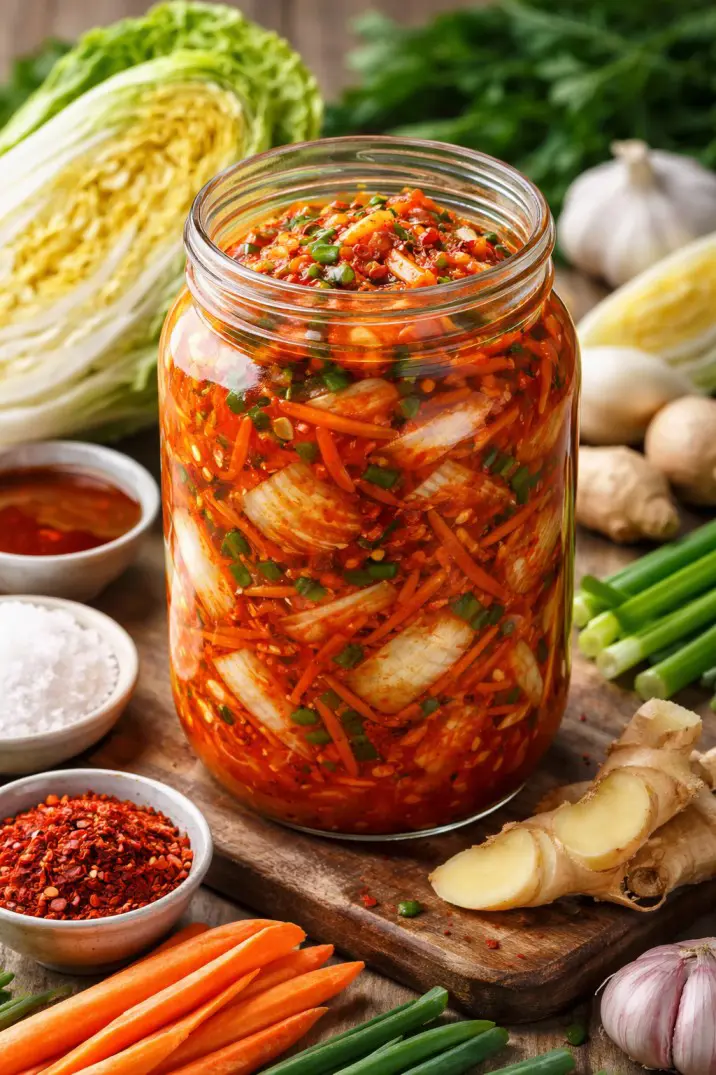
How to Make Kimchi at Home
Kimchi, the iconic Korean fermented dish, is celebrated for its spicy, tangy, and umami-rich flavor. It is not just a side dish but a cultural staple, packed with vitamins, probiotics, and health benefits. Making kimchi at home may seem intimidating,...
Recipe
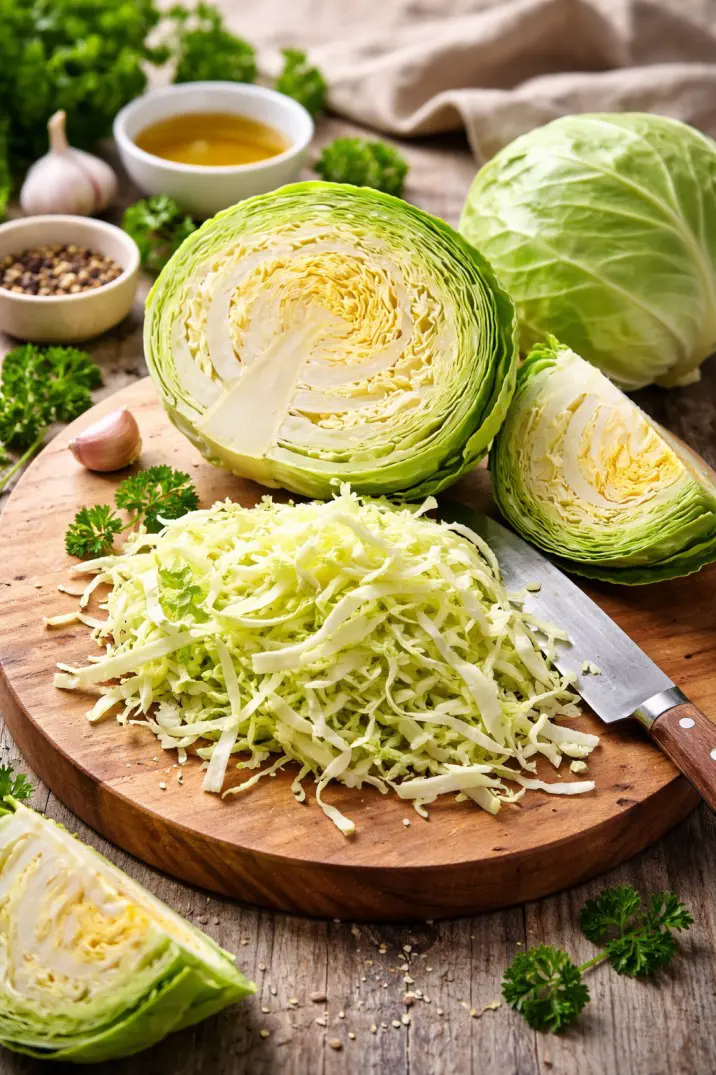
How to Cook Cabbage: Easy, Delicious, and Healthy Recipes
Cabbage is a versatile, nutritious, and affordable vegetable loved in kitchens worldwide. Whether you enjoy it as a side dish, in soups, or as a main ingredient in salads, learning how to cook cabbage properly can elevate its taste and preserve its n...
Recipe
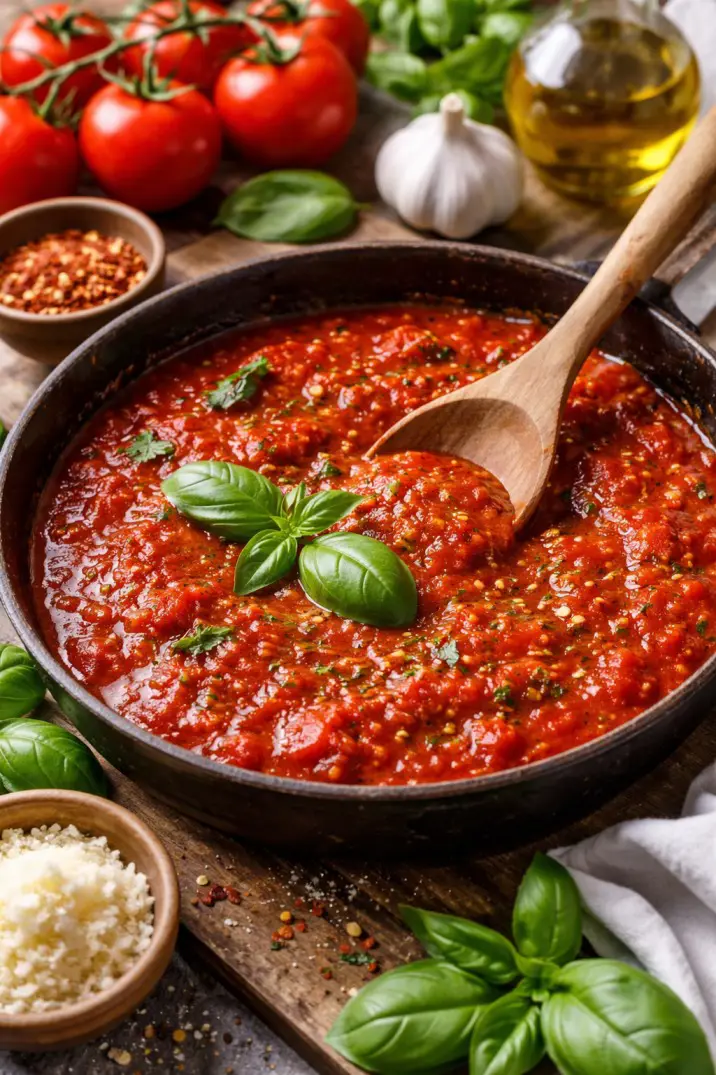
Easy Homemade Pasta Sauce Recipe
Nothing beats the taste and aroma of a fresh, homemade pasta sauce. While store-bought jars are convenient, making your own sauce lets you control the ingredients, flavor, and consistency. Homemade pasta sauce is not only healthier - free from preser...

Recipe
Homemade Hamburger Helper Recipe: A Creamy One-Pan Comfort Meal
If you’re looking for a quick, hearty, and family-friendly dinner, a homemade hamburger helper recipe is the perfect solution. This classic comfort dish combines ground beef, pasta, creamy sauce, and savory seasonings into one satisfying skille...

Recipe
How to Make Stromboli At Home | Easy Recipe
If you love cheesy, savory baked dishes that are both comforting and easy to prepare, stromboli is a recipe you should definitely try at home. This delicious rolled bread filled with cheese, meats, and flavorful seasonings is a favorite in many house...