

How to Cook Cabbage: Easy, Delicious, and Healthy Recipes

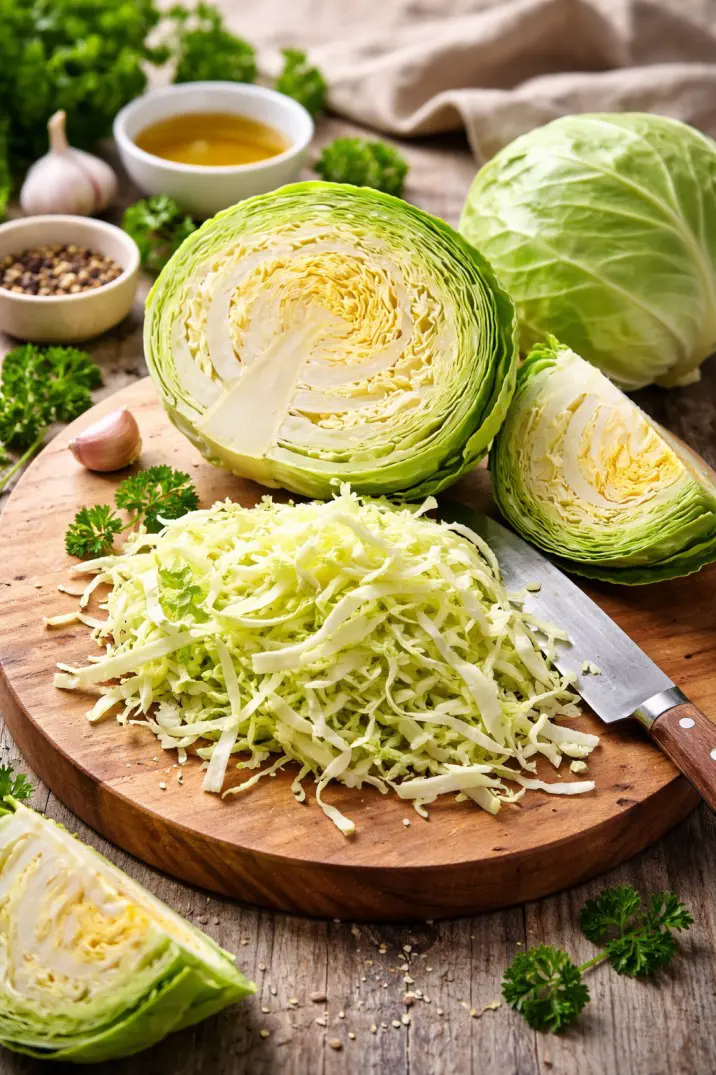
Cabbage is a versatile, nutritious, and affordable vegetable loved in kitchens worldwide. Whether you enjoy it as a side dish, in soups, or as a main ingredient in salads, learning how to cook cabbage properly can elevate its taste and preserve its nutrients.
In this guide, we’ll explore multiple cooking methods, tips, and tricks to make cabbage a star of your meals.
Choosing the Right Cabbage
Before cooking, it’s essential to pick the right cabbage. Look for heads that are firm, dense, and heavy for their size. Fresh cabbage should have vibrant green (or purple for red cabbage) leaves with no brown spots or signs of wilting.
Different varieties of cabbage include:
-
Green cabbage – classic, mild flavor, ideal for boiling or sautéing.
-
Red cabbage – slightly sweeter, great for pickling or roasting.
-
Savoy cabbage – tender leaves, perfect for steaming or stuffing.
-
Napa cabbage – soft and mild, often used in stir-fries and Asian dishes.
Choosing the right cabbage variety will help match the cooking method to the flavor and texture you desire.
Preparing Cabbage for Cooking
Preparation is key to getting the best flavor. Follow these simple steps:
-
Remove any damaged or wilted outer leaves.
-
Rinse the cabbage thoroughly under cold water.
-
Slice or shred the cabbage depending on your recipe:
-
Shredded: Ideal for stir-fries, coleslaws, and sautés.
-
Chopped: Best for soups, stews, or braised dishes.
-
Quartered or halved: Suitable for roasting or steaming.
-
Proper preparation ensures even cooking and a better taste.
Boiling Cabbage – Simple and Quick
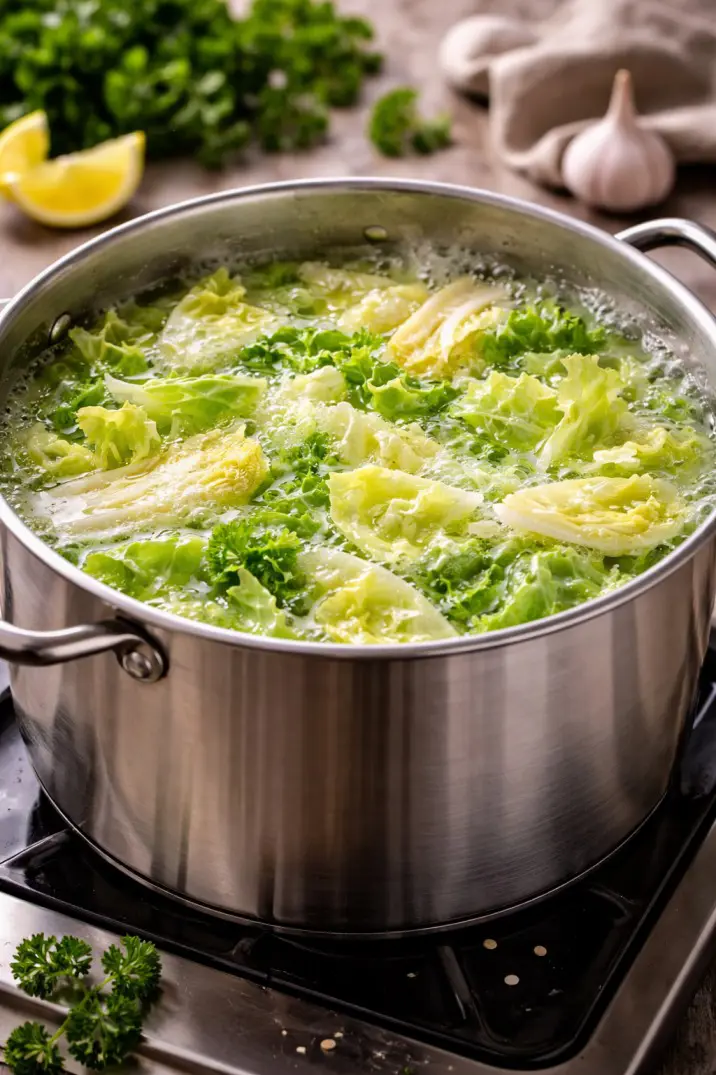
Boiling is one of the easiest ways to cook cabbage. Here’s how:
-
Bring a large pot of salted water to a boil.
-
Add chopped cabbage and reduce heat to a simmer.
-
Cook for 5–8 minutes until tender but not mushy.
-
Drain and season with salt, pepper, and a touch of butter or olive oil.
Tip: Overcooking can cause a strong odor and mushy texture. Keep the cabbage slightly firm for the best taste.
Boiled cabbage pairs well with meats, potatoes, or as a base for hearty salads.
Sautéed Cabbage – Quick and Flavorful
Sautéing cabbage brings out its natural sweetness and adds a rich, caramelized flavor.
Instructions:
-
Heat 1–2 tablespoons of olive oil or butter in a large skillet.
-
Add sliced cabbage and season with salt and pepper.
-
Cook over medium heat, stirring occasionally, for 8–10 minutes until tender.
-
Optional: Add minced garlic, onions, or a splash of vinegar for extra flavor.
Tip: For a deeper flavor, sauté cabbage until slightly golden brown. It makes an excellent side dish for roasted meats or vegetarian meals.
Roasted Cabbage – Crispy and Delicious
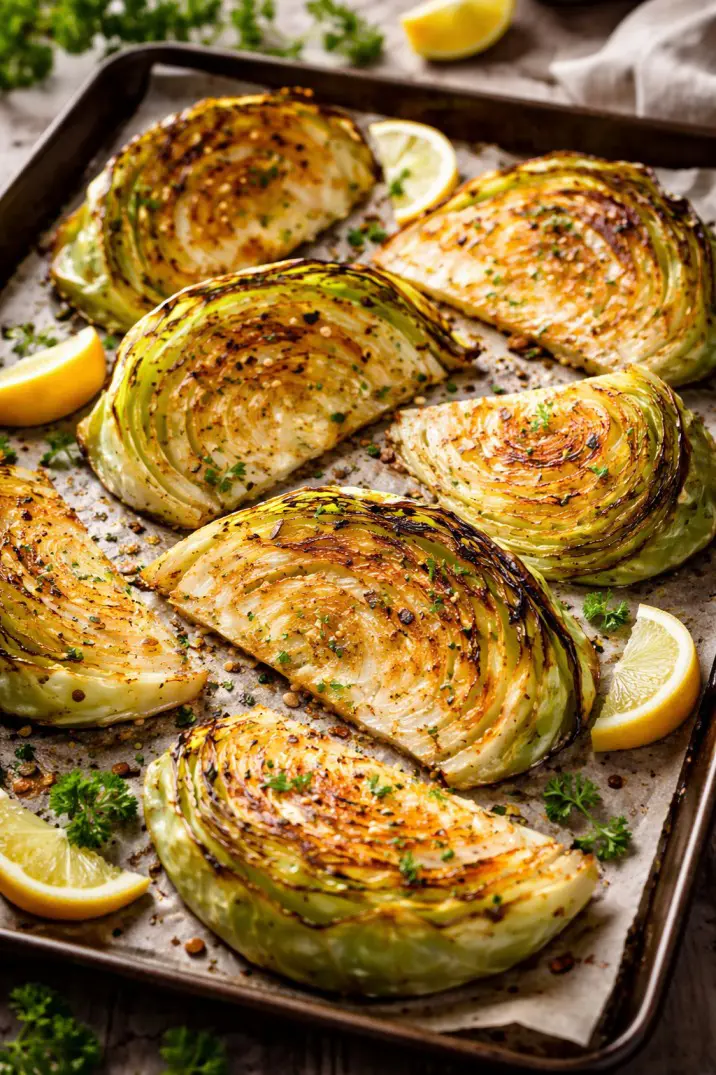
Roasting cabbage is a modern favorite for those who love texture and flavor.
Steps:
-
Preheat oven to 400°F (200°C).
-
Cut cabbage into wedges and brush lightly with olive oil.
-
Season with salt, pepper, and optional paprika or herbs.
-
Roast on a baking sheet for 25–30 minutes until edges are crispy and caramelized.
Tip: Roasted cabbage retains more nutrients than boiling and has a naturally sweet, nutty flavor. It’s perfect for a low-carb, healthy side dish.
Steamed Cabbage – Light and Nutritious
Steaming is one of the healthiest ways to cook cabbage, preserving vitamins and minerals.
Method:
-
Bring 1–2 inches of water to a boil in a pot with a steaming basket.
-
Add cabbage wedges or shredded cabbage to the basket.
-
Cover and steam for 5–10 minutes, depending on size.
-
Serve with a drizzle of olive oil, lemon juice, or soy sauce.
Tip: Steamed cabbage is soft yet vibrant, ideal for pairing with grilled fish, chicken, or as part of a balanced meal.
Stir-Fried Cabbage – A Quick Asian Twist
Stir-frying cabbage is perfect for a fast, flavorful, and colorful dish.
Instructions:
-
Heat 1–2 tablespoons of oil in a wok or large skillet.
-
Add garlic, ginger, or chili for flavor.
-
Toss in shredded cabbage and cook over high heat for 3–5 minutes.
-
Finish with soy sauce, sesame oil, or a sprinkle of sesame seeds.
Tip: Keep the heat high and stir constantly for crisp-tender cabbage. Combine with other vegetables, tofu, or meats for a complete meal.
Seasoning and Flavor Ideas
Cabbage’s mild flavor makes it adaptable to many seasonings:
-
Herbs: Dill, thyme, rosemary, or parsley.
-
Spices: Paprika, black pepper, cumin, or red chili flakes.
-
Acidic touches: Lemon juice, vinegar, or balsamic for brightness.
-
Sweet elements: Honey, brown sugar, or caramelized onions to balance bitterness.
Experiment with combinations to match your taste preferences and cuisine style.
Storing Cooked Cabbage
Cooked cabbage can last in the fridge for 3–5 days in an airtight container. Reheat gently to preserve flavor and texture. For longer storage, you can freeze cooked cabbage, but note that texture may slightly change after thawing.
Final Thoughts
Cabbage is a versatile vegetable that can be transformed into a variety of delicious dishes. From quick sautéed meals to flavorful roasted wedges, boiling, steaming, or stir-frying, there’s a cooking method for every preference. By choosing fresh cabbage, preparing it correctly, and seasoning creatively, you can enjoy a nutritious, tasty, and satisfying addition to any meal.
Learning how to cook cabbage is simple, yet it opens up a world of flavor possibilities, making it a staple in healthy home cooking.
Recent posts
Recipe
Recipe
How to Make Shrimp Scampi: A Flavorful and Easy Seafood Classic
Shrimp scampi is a timeless dish that combines tender shrimp with a rich, garlicky butter sauce, often served over pasta or with crusty bread. Known for its simplicity and bold flavor, this dish is perfect for both quick weeknight dinners and elegant...
Recipe
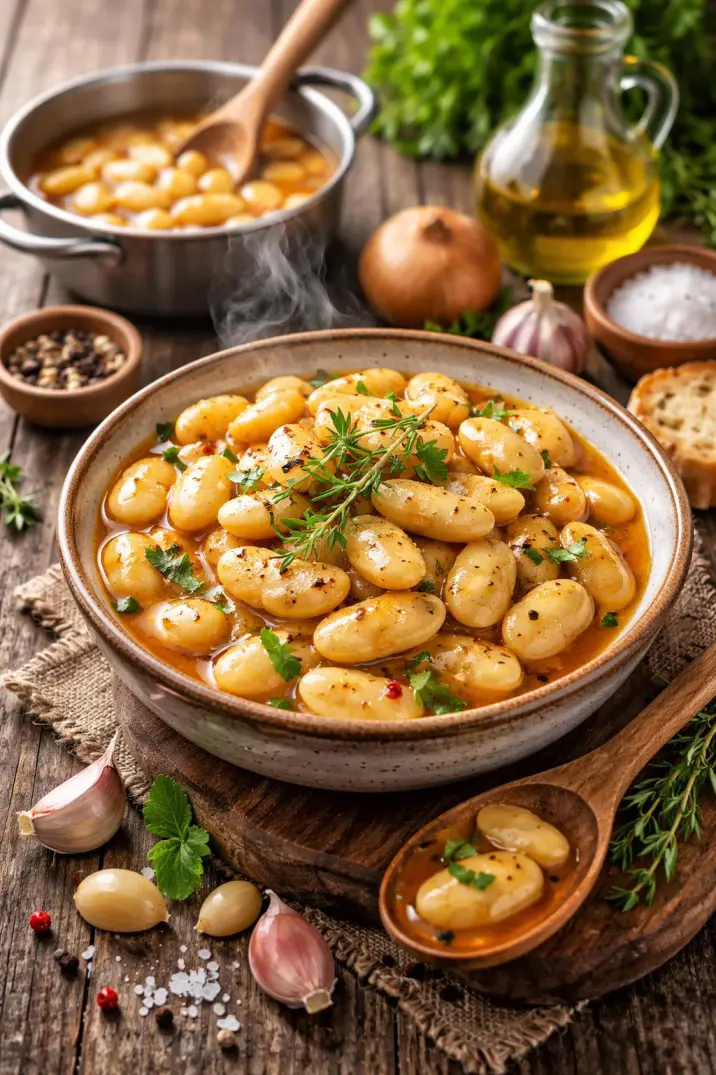
How to Cook Butter Beans | Easy & Flavorful Recipe
Butter beans are a comforting, nutritious staple known for their creamy texture and mild, buttery flavor. Whether you’re preparing a hearty side dish or a plant-based main course, learning how to cook butter beans properly can elevate your meal...
Recipe
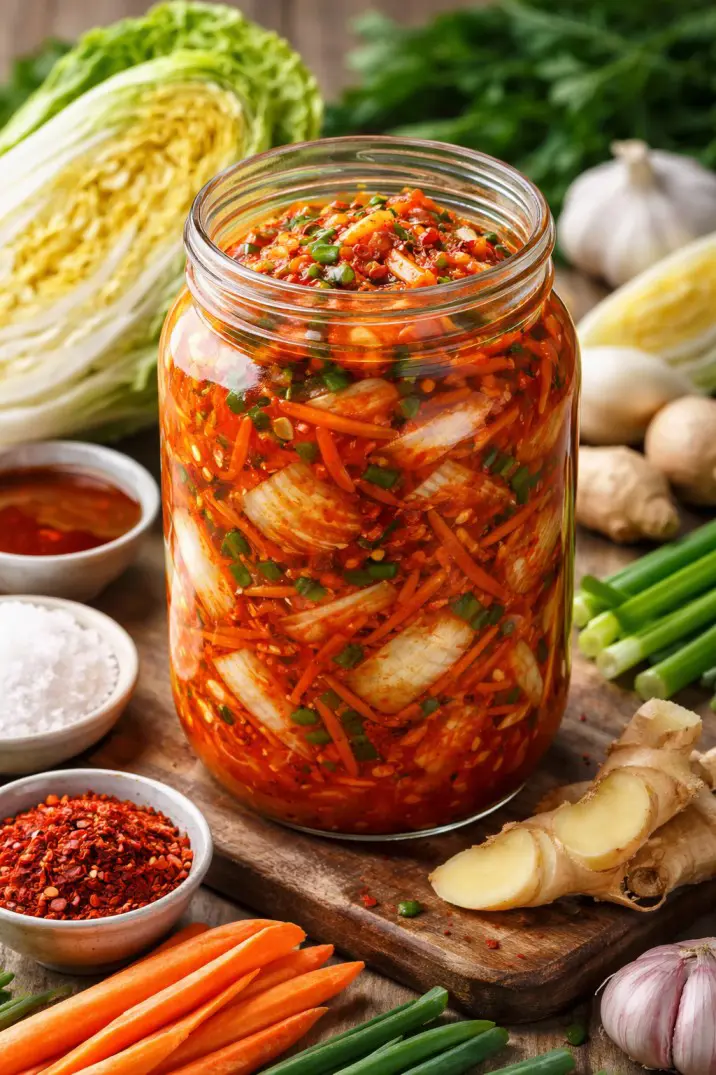
How to Make Kimchi at Home
Kimchi, the iconic Korean fermented dish, is celebrated for its spicy, tangy, and umami-rich flavor. It is not just a side dish but a cultural staple, packed with vitamins, probiotics, and health benefits. Making kimchi at home may seem intimidating,...
Recipe
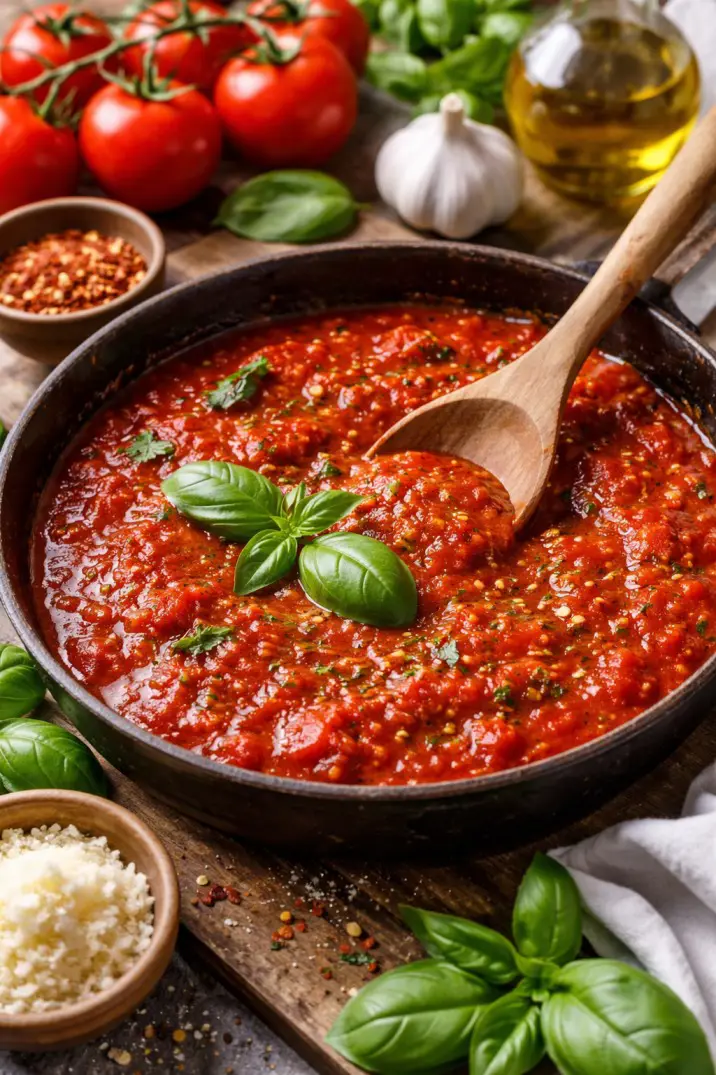
Easy Homemade Pasta Sauce Recipe
Nothing beats the taste and aroma of a fresh, homemade pasta sauce. While store-bought jars are convenient, making your own sauce lets you control the ingredients, flavor, and consistency. Homemade pasta sauce is not only healthier - free from preser...

Recipe
Homemade Hamburger Helper Recipe: A Creamy One-Pan Comfort Meal
If you’re looking for a quick, hearty, and family-friendly dinner, a homemade hamburger helper recipe is the perfect solution. This classic comfort dish combines ground beef, pasta, creamy sauce, and savory seasonings into one satisfying skille...

Recipe
How to Make Stromboli At Home | Easy Recipe
If you love cheesy, savory baked dishes that are both comforting and easy to prepare, stromboli is a recipe you should definitely try at home. This delicious rolled bread filled with cheese, meats, and flavorful seasonings is a favorite in many house...