

How to Make Kimchi at Home

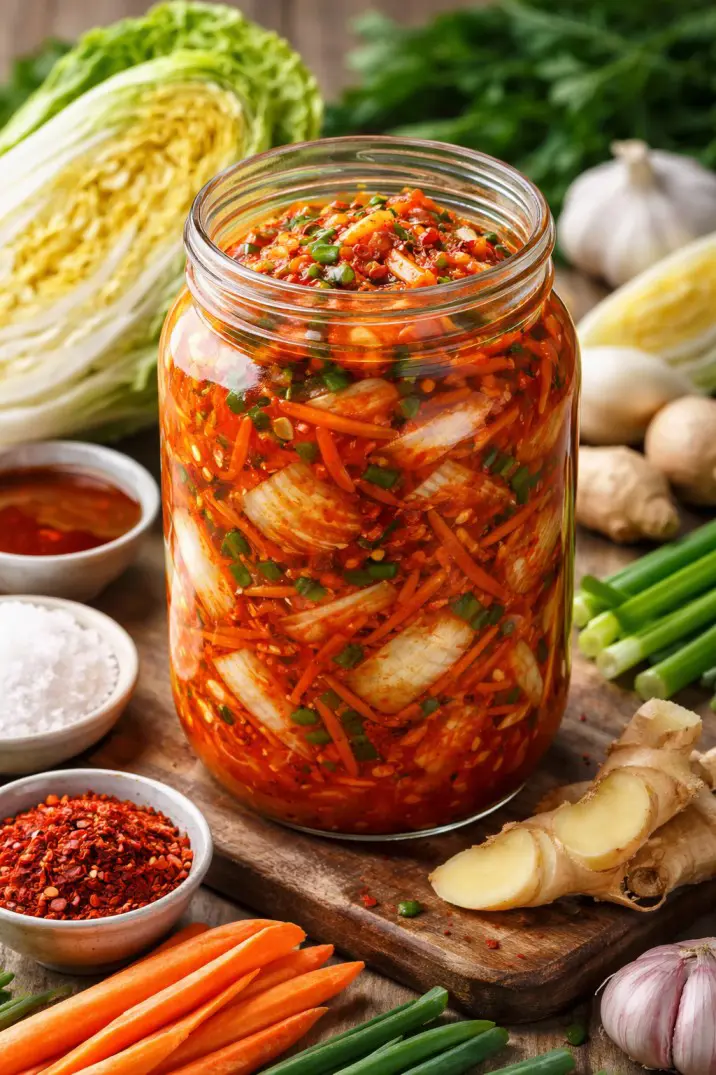
Kimchi, the iconic Korean fermented dish, is celebrated for its spicy, tangy, and umami-rich flavor. It is not just a side dish but a cultural staple, packed with vitamins, probiotics, and health benefits.
Making kimchi at home may seem intimidating, but with the right steps and ingredients, anyone can create this flavorful delight.
Ingredients You’ll Need
Creating authentic kimchi requires fresh, quality ingredients. Here's what you’ll need:
-
1 medium napa cabbage
-
¼ cup sea salt or kosher salt
-
4 cups water
-
1 tablespoon sugar
-
5-6 cloves garlic, minced
-
1 teaspoon ginger, grated
-
2 tablespoons fish sauce (optional for vegan kimchi, use soy sauce)
-
3-4 tablespoons Korean red pepper flakes (gochugaru)
-
4 green onions, chopped
-
1 medium carrot, julienned
-
1 daikon radish, julienned
Tip: Always rinse the cabbage thoroughly to remove dirt before salting.
Step by Step Methods
Step 1: Preparing the Cabbage
Start by cutting the napa cabbage into quarters lengthwise, then chop into bite-sized pieces. Soak the cabbage in a large bowl with water and salt for 2–3 hours, tossing occasionally. This process draws out moisture and softens the cabbage, which helps with fermentation.
After salting, rinse the cabbage thoroughly under cold water to remove excess salt. Drain it well and set aside.
Step 2: Making the Kimchi Paste
The paste is the heart of kimchi, providing its signature flavor. In a mixing bowl, combine garlic, ginger, sugar, and fish sauce. Gradually add Korean red pepper flakes, adjusting the spice level to your taste. Mix until it forms a thick, cohesive paste.
For added depth, you can blend the paste in a food processor to achieve a smoother texture. This ensures that every piece of cabbage gets evenly coated.
Step 3: Adding Vegetables and Mixing
Julienne the carrot and daikon radish and chop the green onions. Add these vegetables to the paste and mix thoroughly. Wearing gloves is recommended, as the red pepper can irritate your skin.
Once your paste is ready, carefully fold the cabbage into the mixture, making sure each leaf is coated evenly. This ensures a consistent flavor throughout your kimchi.
Step 4: Packing and Fermenting
Transfer the coated cabbage and vegetables into a clean glass jar or airtight container. Press down firmly to remove air pockets, which can hinder fermentation. Leave some space at the top, as kimchi expands as it ferments.
Store the jar at room temperature for 1–2 days for initial fermentation. Depending on the room temperature, bubbles and a slight sour aroma will develop.
Step 5: Storing Kimchi
After the initial fermentation, transfer the kimchi to the refrigerator. Cold storage slows down fermentation and enhances flavor over time. Traditional kimchi can last up to 3–4 weeks in the fridge, gradually developing a more complex, tangy taste.
Tip: Taste your kimchi every few days. Some prefer a fresher, less sour flavor, while others enjoy the tangy depth achieved after longer fermentation.
Tips for Perfect Kimchi Every Time
-
Use fresh cabbage: Avoid wilted or damaged leaves.
-
Adjust spice to your liking: Gochugaru can be mild or fiery, so taste as you go.
-
Keep everything clean: Proper hygiene prevents unwanted bacteria during fermentation.
-
Experiment with vegetables: Napa cabbage is traditional, but bok choy, mustard greens, or cucumbers work too.
-
Patience is key: Fermentation is a natural process—time enhances flavor.
Health Benefits of Kimchi
Kimchi is more than a delicious dish; it’s a probiotic powerhouse. The fermentation process produces lactic acid bacteria, which aid digestion, boost immunity, and improve gut health. Additionally, kimchi is low in calories but high in vitamins A, B, and C, making it a nutritious addition to any meal.
Serving Suggestions
Kimchi can be enjoyed in various ways:
-
As a side dish with rice and Korean BBQ
-
Stir-fried with noodles or fried rice
-
Added to soups and stews for extra flavor
-
As a topping for tacos, sandwiches, or wraps
Its versatility makes it a favorite in both traditional and modern dishes.
Conclusion
Making kimchi at home is a rewarding culinary adventure. With fresh ingredients, proper fermentation, and patience, you can create a delicious, probiotic-rich kimchi that rivals store-bought versions. Start small, experiment with flavors, and soon you’ll enjoy your very own homemade Korean delicacy.
Recent posts
Recipe

Recipe
How to Make Shrimp Scampi: A Flavorful and Easy Seafood Classic
Shrimp scampi is a timeless dish that combines tender shrimp with a rich, garlicky butter sauce, often served over pasta or with crusty bread. Known for its simplicity and bold flavor, this dish is perfect for both quick weeknight dinners and elegant...
Recipe
How to Cook Butter Beans | Easy & Flavorful Recipe
Butter beans are a comforting, nutritious staple known for their creamy texture and mild, buttery flavor. Whether you’re preparing a hearty side dish or a plant-based main course, learning how to cook butter beans properly can elevate your meal...
Recipe
How to Cook Cabbage: Easy, Delicious, and Healthy Recipes
Cabbage is a versatile, nutritious, and affordable vegetable loved in kitchens worldwide. Whether you enjoy it as a side dish, in soups, or as a main ingredient in salads, learning how to cook cabbage properly can elevate its taste and preserve its n...

Recipe
Easy Homemade Pasta Sauce Recipe
Nothing beats the taste and aroma of a fresh, homemade pasta sauce. While store-bought jars are convenient, making your own sauce lets you control the ingredients, flavor, and consistency. Homemade pasta sauce is not only healthier - free from preser...

Recipe
Homemade Hamburger Helper Recipe: A Creamy One-Pan Comfort Meal
If you’re looking for a quick, hearty, and family-friendly dinner, a homemade hamburger helper recipe is the perfect solution. This classic comfort dish combines ground beef, pasta, creamy sauce, and savory seasonings into one satisfying skille...

Recipe
How to Make Stromboli At Home | Easy Recipe
If you love cheesy, savory baked dishes that are both comforting and easy to prepare, stromboli is a recipe you should definitely try at home. This delicious rolled bread filled with cheese, meats, and flavorful seasonings is a favorite in many house...