Can You Eat Squash Skin? Health Benefits and Cooking Tips

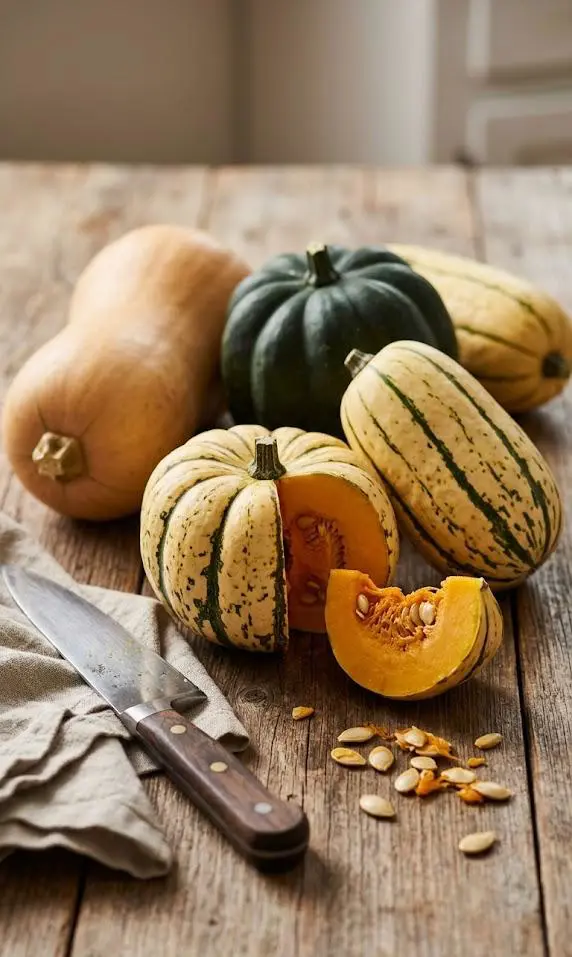
Squash is a versatile vegetable that comes in many shapes, sizes, and colors. From butternut squash to acorn squash and zucchini, it’s a staple in many kitchens.
The answer depends on the type of squash, its maturity, and how it’s prepared. Squash skin can be packed with nutrients, fiber, and flavor, but not all types are equally palatable or safe to eat. In this article, we’ll explore which squash skins are edible, their health benefits, and cooking methods to make the most of them.
Types of Squash and Their Skin Edibility
Not all squash skins are created equal. Here’s a breakdown of popular squash varieties and whether their skins are edible:
1. Zucchini
Zucchini skin is thin, tender, and completely edible. It becomes even softer when cooked, making it ideal for roasting, grilling, or steaming. You don’t need to peel zucchini unless it’s very large and mature, as older zucchinis can have tougher, bitter skin.
2. Butternut Squash
Butternut squash has a harder, thicker skin. While technically edible, it can be difficult to chew if not cooked long enough. Many prefer peeling it before cooking, but roasting whole butternut squash can soften the skin enough to eat comfortably.
3. Acorn Squash
Acorn squash has a dark green, tough skin that softens when roasted. Many recipes encourage cooking it with the skin on, especially when baking or stuffing, as it adds flavor and holds its shape well.
4. Spaghetti Squash
Spaghetti squash skin is usually not eaten, even after cooking. The fibrous strands inside are the main edible part, and the skin remains hard and chewy.
5. Pumpkin
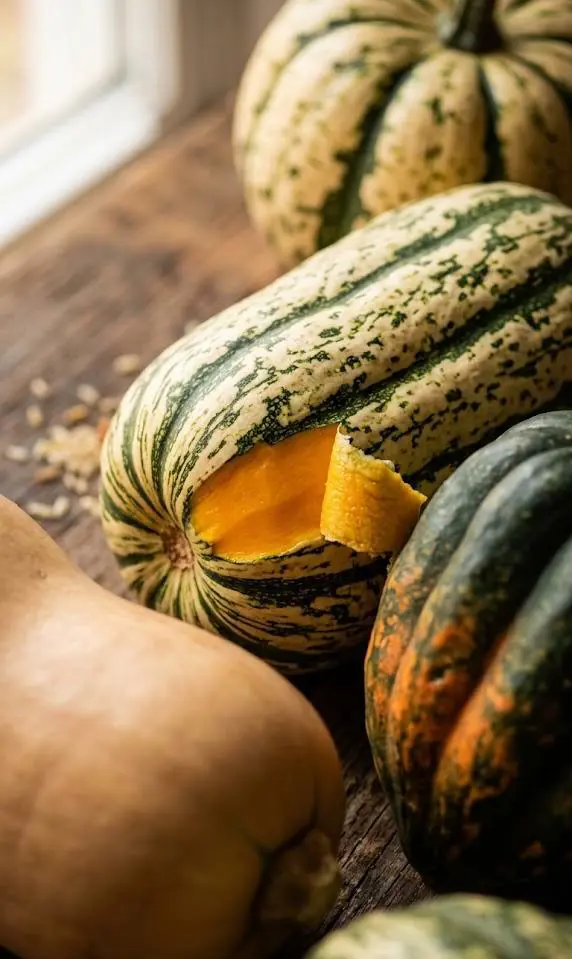
Most pumpkins have thick, hard skin that is generally not eaten. However, certain varieties like sugar pumpkins have thinner skin that can be cooked and eaten, particularly in soups or purees.
Health Benefits of Eating Squash Skin
Eating squash skin can offer several nutritional advantages:
-
High in Fiber: Squash skin contains dietary fiber that promotes healthy digestion and can help regulate blood sugar.
-
Rich in Vitamins: Squash skin is loaded with vitamins such as A, C, and K, which support immunity, vision, and bone health.
-
Antioxidants: The skin of many squash varieties contains antioxidants like beta-carotene and lutein, which protect cells from damage and inflammation.
-
Supports Weight Management: With low calories and high fiber, squash skin can help you feel full longer, aiding in weight management.
How to Prepare Squash Skin for Cooking
If you want to enjoy the nutritional benefits of squash skin, here are some tips on preparation:
1. Wash Thoroughly
Squash skin can have dirt, pesticides, or wax coatings. Scrub the skin under running water using a vegetable brush to ensure it’s clean and safe to eat.
2. Roast or Bake
Roasting squash with the skin on softens tougher varieties like acorn or butternut squash. Slice into cubes, toss with oil and seasoning, and bake at 400°F (200°C) for 25–35 minutes until tender.
3. Steaming and Sautéing
Steaming is another excellent method for softening squash skin. After steaming, the skin becomes more palatable and easier to incorporate into dishes like stir-fries or soups.
4. Blending into Soups
For squash varieties with harder skin, blending the cooked squash skin into soups or purees allows you to enjoy the nutrients without dealing with the tough texture.
Tips for Choosing Squash
Selecting the right squash can make eating the skin easier and more enjoyable:
-
Young and Small Squash: Younger squash tends to have thinner, tender skin. Examples include small zucchini and tender butternut squash.
-
Look for Firm, Smooth Skin: Avoid squash with bruises, soft spots, or wrinkled skin. Firm skin indicates freshness.
-
Color Matters: Vibrant, deep-colored squash usually has higher antioxidant content in the skin.
Common Myths About Squash Skin
Myth 1: Squash Skin is Always Bitter
While some older squash varieties may have slightly bitter skin, most are mild and palatable, especially after cooking.
Myth 2: You Must Peel All Squash
Peeling is optional and depends on the squash type and your cooking method. Many recipes benefit from leaving the skin on for texture and nutrition.
Myth 3: Squash Skin is Hard to Digest
For most people, properly cooked squash skin is easy to digest. However, individuals with sensitive digestive systems may prefer peeled squash.
Creative Ways to Eat Squash Skin
Here are some fun ways to enjoy squash skin:
-
Stuffed Squash: Leave acorn squash skin on when baking stuffed with grains, cheese, or meat.
-
Zucchini Chips: Slice zucchini thinly with skin, season, and bake into crunchy chips.
-
Soups and Purees: Blend roasted squash skin into creamy soups for extra fiber and nutrients.
-
Roasted Vegetable Medleys: Cube squash with skin on and mix with carrots, peppers, and onions for a colorful dish.
Conclusion
In most cases, squash skin is not only edible but also nutritious. While tougher skins like those on butternut or pumpkin may need extra cooking, thinner-skinned varieties such as zucchini and small acorn squash are ready to eat and delicious. By choosing fresh squash, washing it properly, and using the right cooking method, you can enjoy the added fiber, vitamins, and antioxidants that squash skin offers.
Eating squash skin is a simple way to maximize nutrition, reduce waste, and add texture and flavor to your meals. So next time you prepare squash, don’t automatically peel it—embrace the skin and enjoy all its benefits.
Recent posts
Nutrition
Nutrition
Can You Eat Kiwi Skin? Benefits, Risks, and Tips
The kiwi fruit, with its vibrant green flesh and tiny black seeds, is a favorite in fruit salads, smoothies, and desserts. But many people peel it before eating, leaving behind its fuzzy brown skin. The question arises: can you eat kiwi skin? Wh...
Nutrition
Licorice Root: Benefits And Uses
You can spell it liquorice or licorice; this herb or root has been in use for centuries in most medicinal applications, as a natural sweetener and to enhance flavors. Regarding its origins, it comes from the root of the "Glycyrrhiza galbre" plant and...
Nutrition
Is Salmon Good For You? Nutritional Facts and Benefits
Salmon fish is a staple diet throughout the world, popular as a super food for its nutrients. Whether savored in sushi, poached, grilled, roasted, or pan-fried, salmon offers minerals and vitamins that contribute to healthy bodily functions. In addit...

Nutrition
25 Smoked Salmon Recipes That You Will Enjoy
Salmon is a silver-colored fish that is loaded with many nutrients, vitamins, and omega-3 fatty acids. Smoked Salmon is better for improving your health and reducing the risk of cancer, heart-related diseases, fights inflammation, reduces anxiety and...

Nutrition
Are Sausages Healthy? Nutrition And Health Benefits
Sausages are tasty in an addictive way, making them one of the most popular foods worldwide. You may have enjoyed this convenient food often, whether on a bun with mustard or grilled on a barbecue, the simple preparation methods are what makes its co...
Nutrition
20 Vegetables That Are Rich In Iron
Iron is essential for our bodies to function well. When we don't get enough iron, we often feel weak and tired. It's important to address iron deficiency early by eating the right foods. Fortunately, many vegetables are rich in iron and can help prev...