How Long Does Garlic Last? Storage Tips for Whole, Peeled & Cooked Garlic

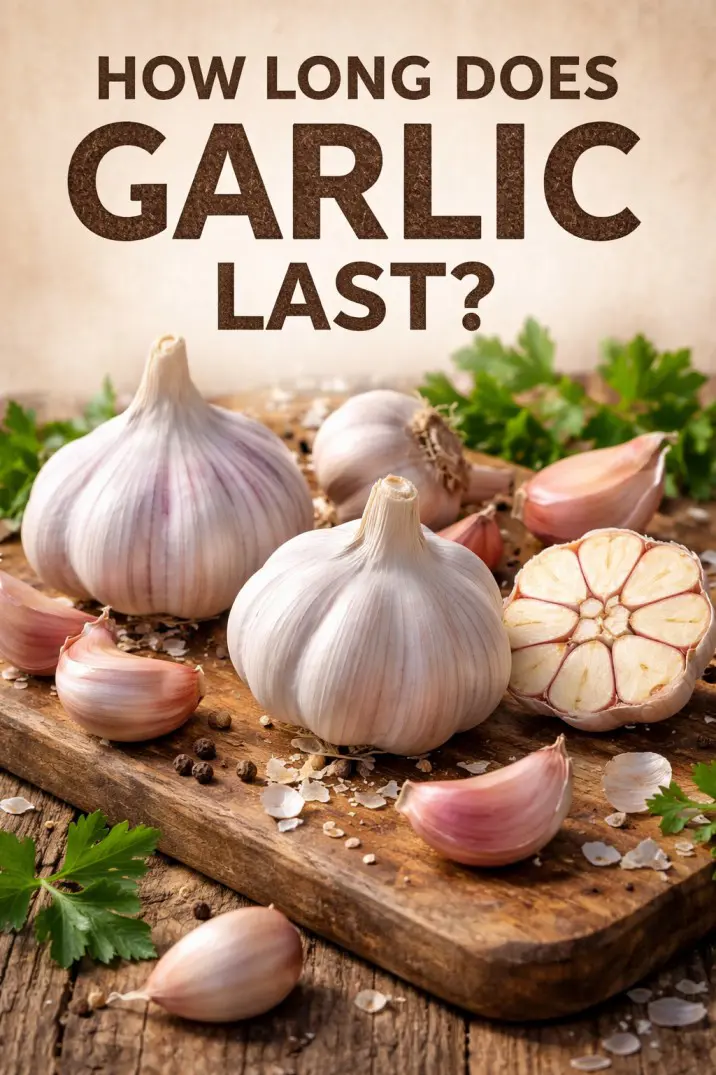
Garlic is one of the most widely used ingredients in kitchens around the world. Its bold flavor, aroma, and health benefits make it a staple for soups, sauces, stir-fries, and roasted dishes.
However, garlic doesn’t last forever. Knowing how long garlic lasts and how to store it properly helps prevent waste and ensures you always have fresh cloves ready to cook.
The shelf life of garlic depends on several factors, including whether it’s whole, peeled, chopped, or cooked. Storage conditions like temperature, humidity, and airflow also play a major role. Understanding these differences can help you extend the life of your garlic and maintain its quality.
How Long Whole Garlic Bulbs Last
Whole garlic bulbs have the longest shelf life compared to other forms. When stored properly, an entire bulb can last three to six months at room temperature.
The key to keeping whole garlic fresh is proper airflow and a cool, dry environment. Garlic bulbs should be stored in a ventilated container such as a mesh bag, basket, or garlic keeper. Avoid sealed plastic containers, as trapped moisture can cause mold and spoilage.
If stored in ideal conditions - cool temperatures and low humidity - garlic bulbs stay firm and flavorful for months. Once you break the bulb and remove individual cloves, the shelf life begins to shorten.
Shelf Life of Individual Garlic Cloves
Once a bulb is broken apart, individual garlic cloves typically last about 7 to 10 days if left unpeeled and stored at room temperature.
Although they don’t last as long as whole bulbs, unpeeled cloves still have a protective outer layer that helps slow down spoilage. Keeping them in a cool pantry or cupboard away from direct sunlight can help maintain freshness.
If you need garlic for frequent cooking, it’s best to break off only the cloves you need rather than separating the entire bulb at once.
How Long Peeled Garlic Lasts
Peeled garlic cloves have a much shorter shelf life because their protective skin has been removed.
-
In the refrigerator: Peeled cloves last about 1 week when stored in an airtight container.
-
In the freezer: Peeled garlic can last up to 10–12 months when frozen.
Refrigeration slows bacterial growth and prevents the cloves from drying out. However, garlic stored in the fridge should be used relatively quickly to preserve its flavor and texture.
Freezing peeled garlic is a great long-term storage solution. You can freeze whole cloves or mince them before freezing for easy cooking later.
How Long Chopped or Minced Garlic Lasts
Once garlic is chopped or minced, its shelf life becomes even shorter.
-
In the refrigerator: Fresh chopped garlic lasts 1–2 days in a sealed container.
-
In the freezer: Minced garlic can last several months when frozen.
Chopped garlic releases natural oils and enzymes that make it more vulnerable to spoilage. For the best flavor and safety, it’s recommended to chop garlic right before cooking rather than storing it for long periods.
If you regularly use minced garlic, freezing it in small portions—such as in ice cube trays—can be a convenient solution.
How Long Cooked Garlic Lasts
Cooked garlic typically lasts 3 to 4 days when stored in the refrigerator. Whether it’s roasted garlic, garlic sautéed in oil, or garlic added to a prepared dish, proper refrigeration is essential.
Place cooked garlic or garlic-based dishes in an airtight container and refrigerate within two hours of cooking. This helps prevent bacterial growth and keeps the flavor intact.
If you’ve made roasted garlic, it can also be frozen for up to three months. Frozen roasted garlic works well in soups, mashed potatoes, spreads, and sauces.
Signs Garlic Has Gone Bad
Even when stored correctly, garlic will eventually spoil. Recognizing the signs of bad garlic can help you avoid using cloves that are no longer safe or flavorful.
Common signs include:
-
Soft or mushy texture: Fresh garlic should feel firm.
-
Dark or brown spots: Discoloration often indicates decay.
-
Mold growth: Visible mold means the garlic should be discarded.
-
Strong sour smell: Fresh garlic has a sharp but pleasant aroma, not a rotten odor.
-
Green sprouts: Garlic that has sprouted is still edible, but the flavor may be bitter.
When in doubt, it’s best to discard garlic that looks or smells unusual.
Best Ways to Store Garlic for Maximum Freshness
Proper storage significantly extends garlic’s shelf life. Here are some effective tips:
1. Keep Garlic in a Cool, Dry Place
A pantry or kitchen cupboard away from heat sources works best.
2. Ensure Good Air Circulation
Store garlic in mesh bags, baskets, or special garlic keepers with ventilation holes.
3. Avoid Refrigerating Whole Bulbs
Refrigeration can trigger sprouting and affect the flavor of garlic bulbs.
4. Use Airtight Containers for Peeled Cloves
This prevents moisture loss and contamination.
5. Freeze for Long-Term Storage
Freezing peeled or minced garlic helps preserve it for several months.
Following these simple methods helps keep garlic fresh and ready for cooking whenever you need it.
Can Garlic Be Stored in Oil?
Some people store garlic in oil to preserve it, but this method requires caution. Garlic stored in oil at room temperature can create an environment for harmful bacteria, including those that cause botulism.
If you plan to store garlic in oil:
-
Always keep it refrigerated
-
Use it within a few days
-
Never store garlic oil mixtures at room temperature
For safer long-term storage, freezing garlic is generally the better option.
Final Thoughts
Garlic is a versatile ingredient that can last surprisingly long when stored correctly. Whole bulbs can stay fresh for three to six months, while individual cloves last about a week, and peeled or chopped garlic has a shorter lifespan.
By understanding how different forms of garlic should be stored, you can reduce food waste and ensure your dishes always benefit from garlic’s rich flavor and aroma. Whether you keep whole bulbs in your pantry or freeze peeled cloves for convenience, proper storage is the key to making garlic last as long as possible.
Recent posts
Kitchen Tips
Kitchen Tips
How Many Teaspoons in a Tablespoon? Easy Kitchen Conversion Guide
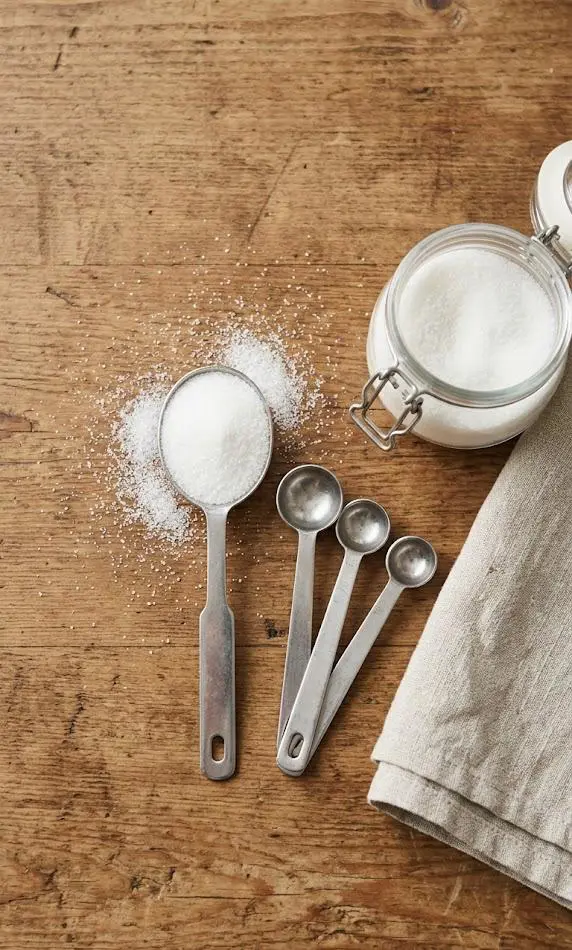
When following a recipe, accurate measurements can make the difference between a perfectly balanced dish and one that tastes off. One of the most common questions in cooking and baking is: how many teaspoons are in a tablespoon? The answer is simple:...

Kitchen Tips
How to Make Chocolate Covered Strawberries (Easy Step-by-Step Guide)
Chocolate covered strawberries are one of the easiest yet most elegant desserts you can make at home. With just a few ingredients—fresh strawberries and melted chocolate—you can create a treat that looks like it came from a gourmet chocol...
Kitchen Tips
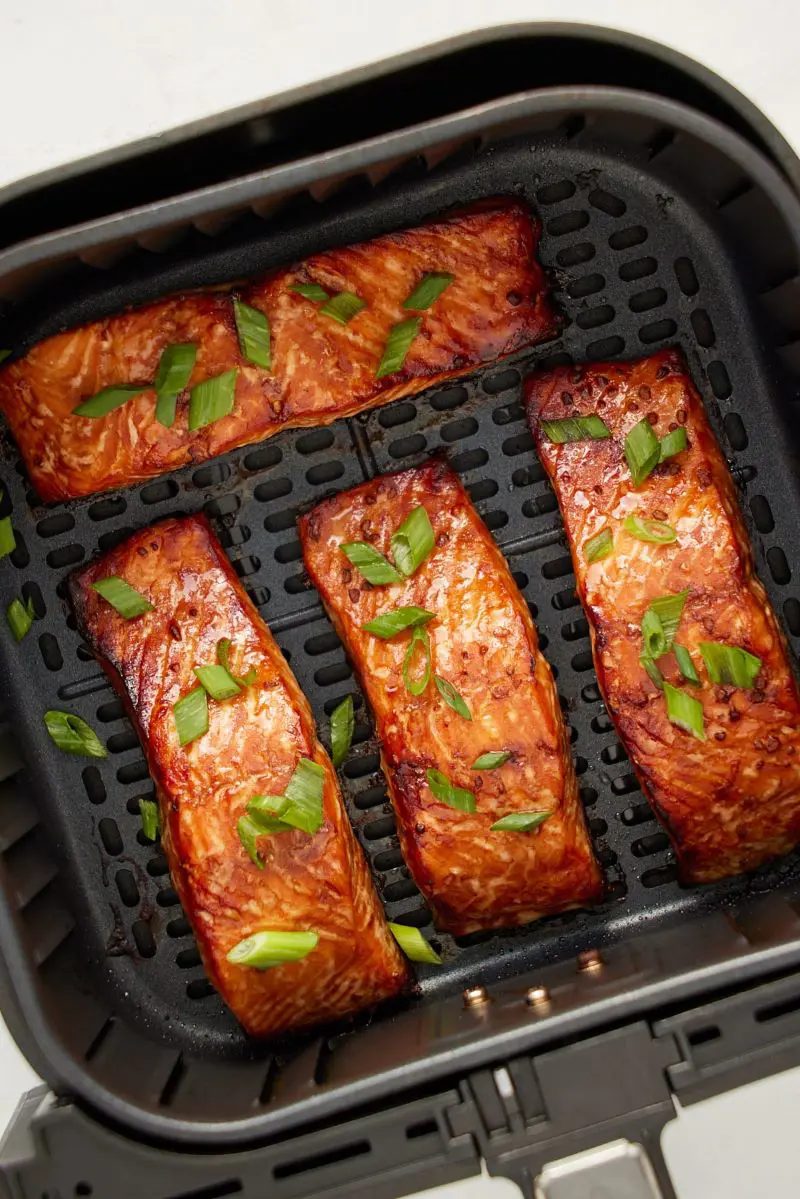
Best Ways To Reheat Salmon
Salmon is a delightful fish that is consumed by many people. The reason is its flavors and nutritional benefits. Whether be it a normal dinner night or any occasion, you will find salmon on the plate. Having leftover salmon makes you think how ...
Kitchen Tips
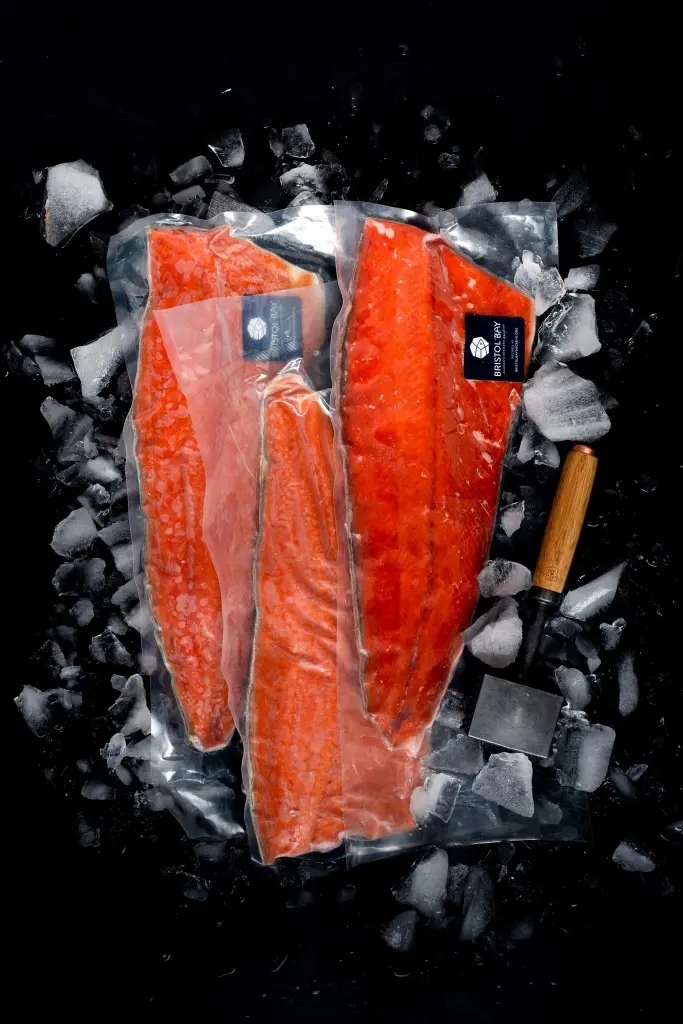
3 Methods To Defrost Salmon Without Ruining It
Salmon makes everyone delighted at dinnertime, and it's easy to see why. While fresh salmon from the store tastes wonderful, sometimes life gets too busy for shopping trips. That's when frozen salmon becomes your kitchen hero! With the right defrosti...
Kitchen Tips
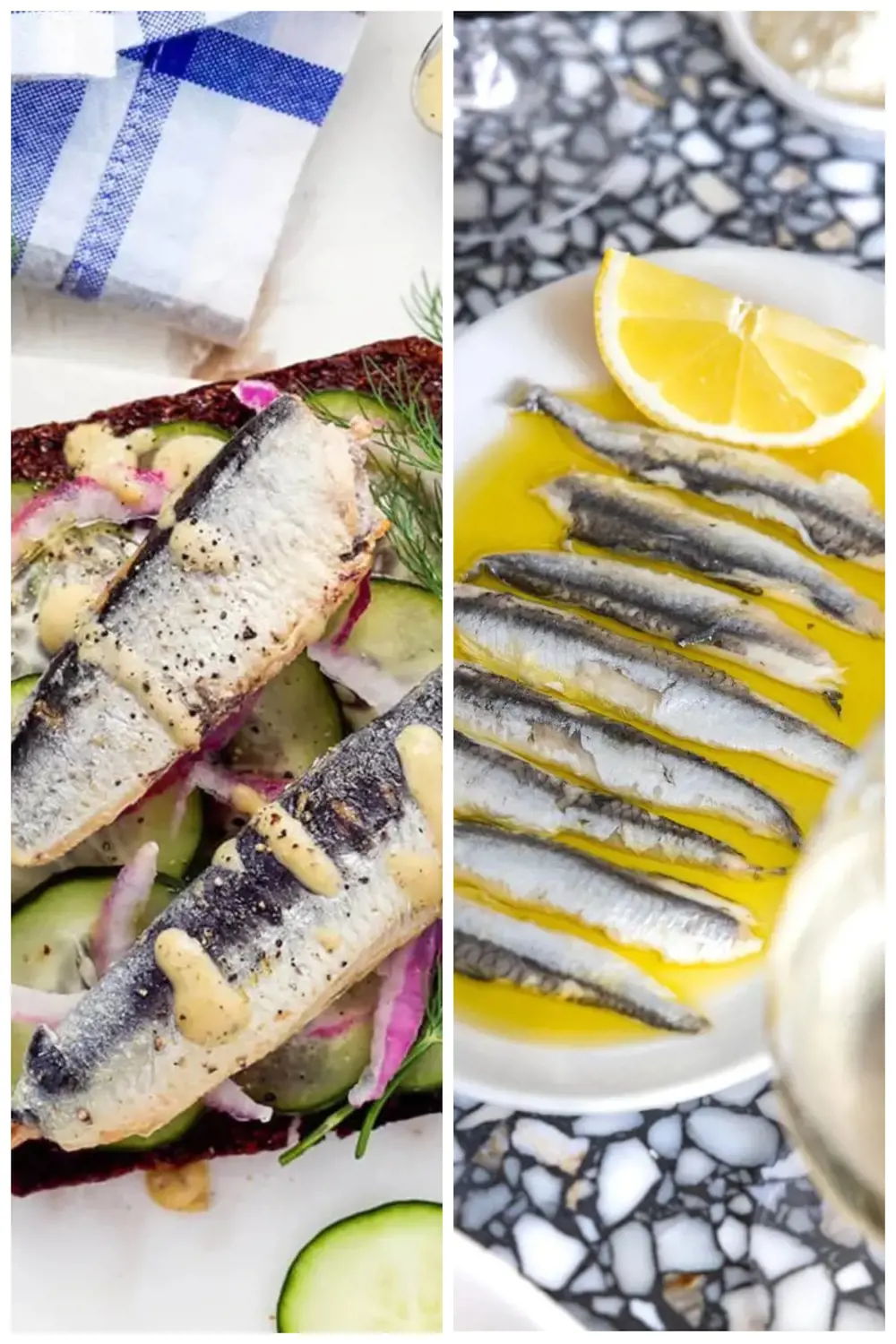
Sardines vs Anchovies: What Sets These Pungent Fish Apart?
Sardines and anchovies are both types of small, oily fish that are widely used in food around the world. Both sardines and anchovies are marine or saltwater fish. They are commonly found in coastal waters and are part of the vast array of species tha...
Kitchen Tips
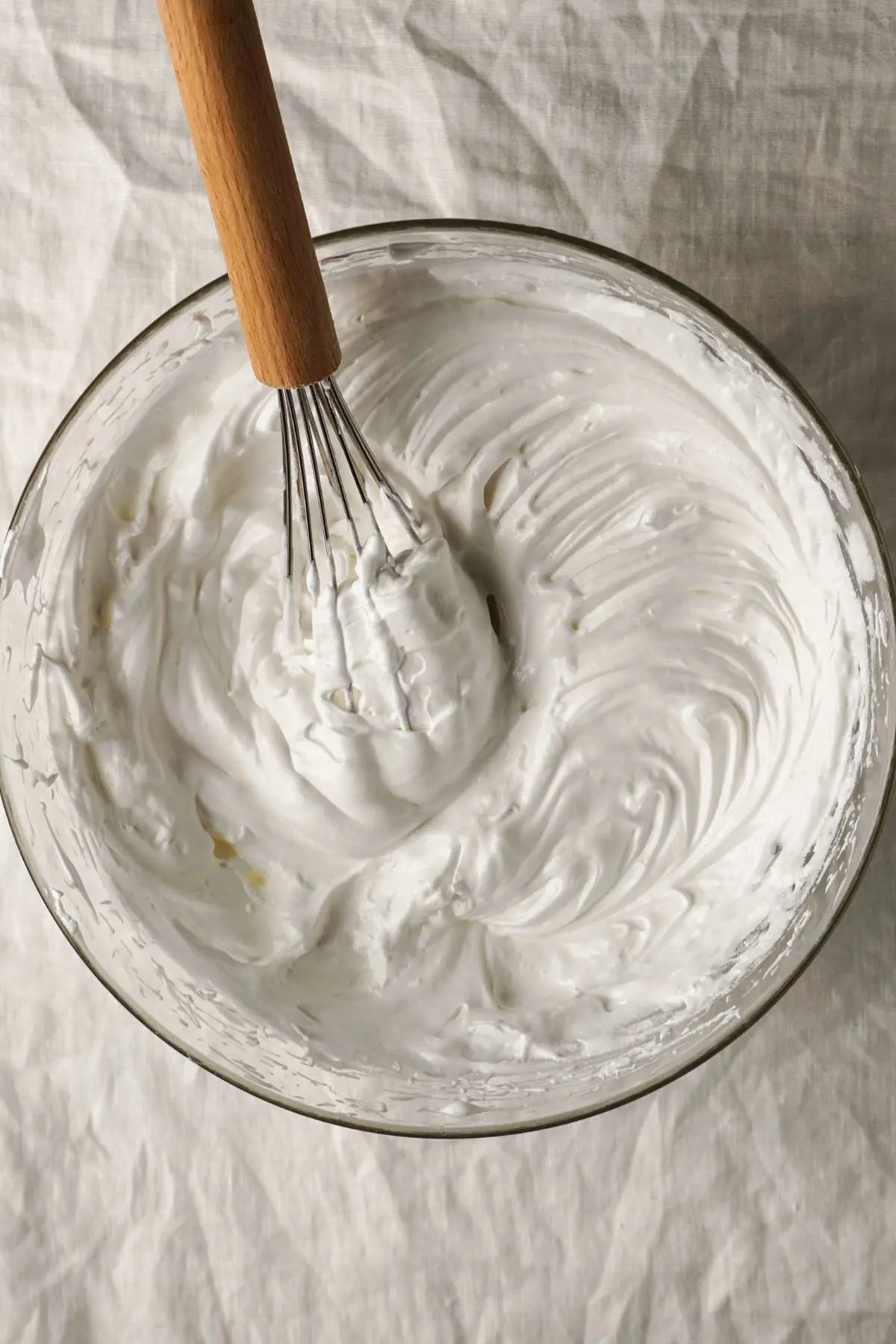
14 Heavy Cream Substitutes For Cooking
Heavy cream, also known as heavy whipping cream, is a luxurious dairy product celebrated for its rich and velvety texture. The cream is made by skimming the fat content from fresh cow's milk with about 36-40% milk fat. However, there are severa...