How Many Teaspoons in a Tablespoon? Easy Kitchen Conversion Guide

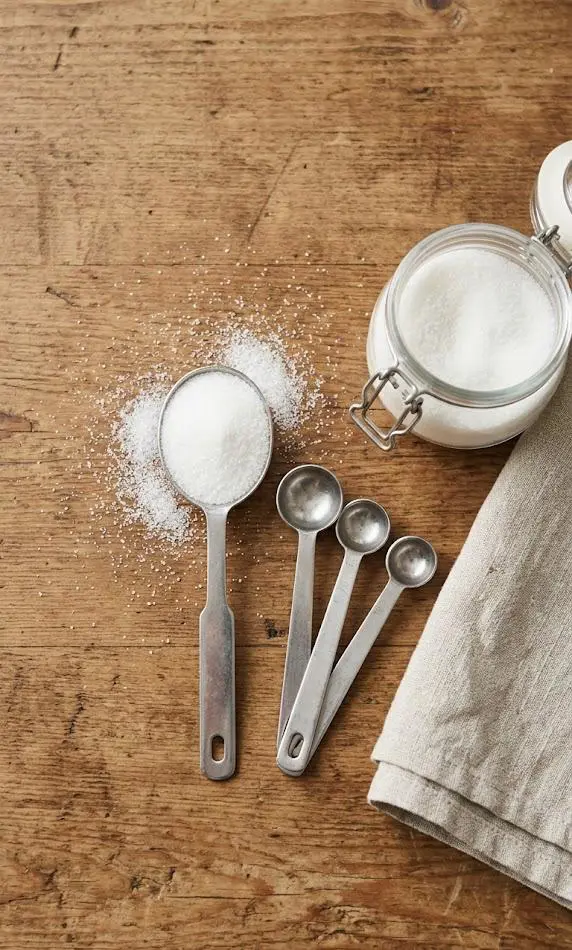
When following a recipe, accurate measurements can make the difference between a perfectly balanced dish and one that tastes off. One of the most common questions in cooking and baking is: how many teaspoons are in a tablespoon?
The answer is simple:
1 tablespoon = 3 teaspoons
This conversion is widely used in cooking measurements, especially in recipes that require small quantities of ingredients such as spices, baking powder, vanilla extract, or salt. Knowing this basic relationship can help you easily adjust recipes or measure ingredients when you don’t have the exact measuring spoon.
For example, if a recipe calls for 1 tablespoon of sugar and you only have a teaspoon measure, you can simply use 3 teaspoons instead.
Why This Conversion Matters in Cooking
Cooking is often flexible, but baking and certain recipes require precise measurements. Even small changes in ingredient amounts can affect the flavor, texture, and overall success of a dish.
Understanding the teaspoon-to-tablespoon conversion helps in several ways:
-
Substituting missing measuring spoons when you don’t have the exact tool
-
Scaling recipes up or down for different serving sizes
-
Avoiding measurement mistakes that could ruin a dish
-
Improving cooking confidence by understanding measurement basics
For instance, if a dressing recipe calls for 2 tablespoons of vinegar but you only have a teaspoon measure, you can calculate it easily:
2 tablespoons = 6 teaspoons.
The Standard Measurement Breakdown
Kitchen measurements follow a simple system that connects teaspoons, tablespoons, and cups. Understanding how they relate can make recipe conversions much easier.
Here are the most common conversions:
-
1 tablespoon = 3 teaspoons
-
2 tablespoons = 6 teaspoons
-
3 tablespoons = 9 teaspoons
-
4 tablespoons = 12 teaspoons
-
16 tablespoons = 1 cup
These conversions are especially helpful when adjusting recipes or when measuring ingredients like spices, oils, sauces, or baking ingredients.
When Recipes Use Teaspoons Instead of Tablespoons
Some recipes intentionally use teaspoons instead of tablespoons because the ingredient is strong or needs to be added in small amounts.
Common ingredients measured in teaspoons include:
-
Salt
-
Baking powder
-
Baking soda
-
Vanilla extract
-
Spices such as cinnamon or paprika
-
Soy sauce or vinegar in small quantities
Because these ingredients strongly affect flavor or chemical reactions in baking, recipes often require smaller measurements.
For example, adding an extra teaspoon of baking soda could cause baked goods to taste bitter or rise incorrectly.
Converting Tablespoons to Teaspoons Quickly
If you often cook or bake, memorizing a few simple conversions can save time in the kitchen.
Here’s a quick reference guide:
| Tablespoons | Teaspoons |
| 1 tbsp | 3 tsp |
| 2 tbsp | 6 tsp |
| 3 tbsp | 9 tsp |
| 4 tbsp | 12 tsp |
| 5 tbsp | 15 tsp |
A helpful trick is to simply multiply the number of tablespoons by 3 to get the number of teaspoons.
Example:
3 tablespoons × 3 = 9 teaspoons
This quick calculation works for nearly every recipe.
Differences Between U.S. and Metric Measurements
Most recipes follow the U.S. standard measurement system, but some international recipes may use slightly different measurement units.
In the U.S. system:
-
1 teaspoon ≈ 5 milliliters
-
1 tablespoon ≈ 15 milliliters
This still maintains the same ratio:
1 tablespoon = 3 teaspoons
Even when recipes are written in milliliters, the relationship remains consistent, making conversions simple whether you’re using measuring spoons or a kitchen scale.
Common Cooking Situations Where This Conversion Helps
Understanding this measurement is useful in everyday cooking situations. Here are a few examples where it can save time and effort:
Making sauces or dressings
Many dressings require small amounts of ingredients like mustard, vinegar, or honey. If you only have a teaspoon measure, converting from tablespoons becomes easy.
Adjusting spice levels
Some recipes suggest 1 tablespoon of a spice, but you may want to reduce the intensity. Using teaspoons allows you to add ingredients gradually.
Doubling or halving recipes
If you double a recipe calling for 1 tablespoon, you’ll need 2 tablespoons or 6 teaspoons.
Cooking without full measuring sets
Sometimes you may only have one measuring spoon available. Knowing the conversion helps you measure accurately anyway.
Tips for Measuring Teaspoons and Tablespoons Correctly
Even with the right conversion, proper measuring technique matters. Here are a few helpful tips to ensure accuracy:
Use level measurements
Always level off dry ingredients with a knife or straight edge unless the recipe says “heaping.”
Use liquid measuring spoons for liquids
When measuring liquids like oil or vanilla extract, fill the spoon completely without spilling.
Avoid estimating amounts
Small measurement errors can add up, especially in baking recipes.
Use proper measuring spoons
Regular eating spoons may not match the standard teaspoon or tablespoon size used in recipes.
Quick Memory Trick for Kitchen Conversions
A simple trick many cooks use is remembering the number 3.
-
3 teaspoons = 1 tablespoon
Since it’s such a small and consistent number, this conversion is one of the easiest kitchen measurements to memorize.
Once you know it, you can quickly adjust recipes without needing a calculator or conversion chart.
Final Thoughts
Knowing how many teaspoons are in a tablespoon is one of the most useful cooking conversions you can learn. The simple rule - 1 tablespoon equals 3 teaspoons - makes it easy to measure ingredients accurately, substitute missing measuring tools, and adjust recipes with confidence.
Whether you’re baking cookies, mixing salad dressing, or seasoning a soup, understanding this small but important conversion helps ensure your recipes turn out just right.
Once you remember this basic relationship, you’ll find that many other kitchen measurements become much easier to handle, making cooking more enjoyable and stress-free.
Recent posts
Kitchen Tips
Kitchen Tips
How to Make Chocolate Covered Strawberries (Easy Step-by-Step Guide)
Chocolate covered strawberries are one of the easiest yet most elegant desserts you can make at home. With just a few ingredients—fresh strawberries and melted chocolate—you can create a treat that looks like it came from a gourmet chocol...
Kitchen Tips
How Long Does Garlic Last? Storage Tips for Whole, Peeled & Cooked Garlic
Garlic is one of the most widely used ingredients in kitchens around the world. Its bold flavor, aroma, and health benefits make it a staple for soups, sauces, stir-fries, and roasted dishes. However, garlic doesn’t last forever. Knowing how lo...
Kitchen Tips
Best Ways To Reheat Salmon
Salmon is a delightful fish that is consumed by many people. The reason is its flavors and nutritional benefits. Whether be it a normal dinner night or any occasion, you will find salmon on the plate. Having leftover salmon makes you think how ...
Kitchen Tips
3 Methods To Defrost Salmon Without Ruining It
Salmon makes everyone delighted at dinnertime, and it's easy to see why. While fresh salmon from the store tastes wonderful, sometimes life gets too busy for shopping trips. That's when frozen salmon becomes your kitchen hero! With the right defrosti...
Kitchen Tips
Sardines vs Anchovies: What Sets These Pungent Fish Apart?
Sardines and anchovies are both types of small, oily fish that are widely used in food around the world. Both sardines and anchovies are marine or saltwater fish. They are commonly found in coastal waters and are part of the vast array of species tha...
Kitchen Tips
14 Heavy Cream Substitutes For Cooking
Heavy cream, also known as heavy whipping cream, is a luxurious dairy product celebrated for its rich and velvety texture. The cream is made by skimming the fat content from fresh cow's milk with about 36-40% milk fat. However, there are severa...