How to Make Egg Roll: Easy Homemade Recipe

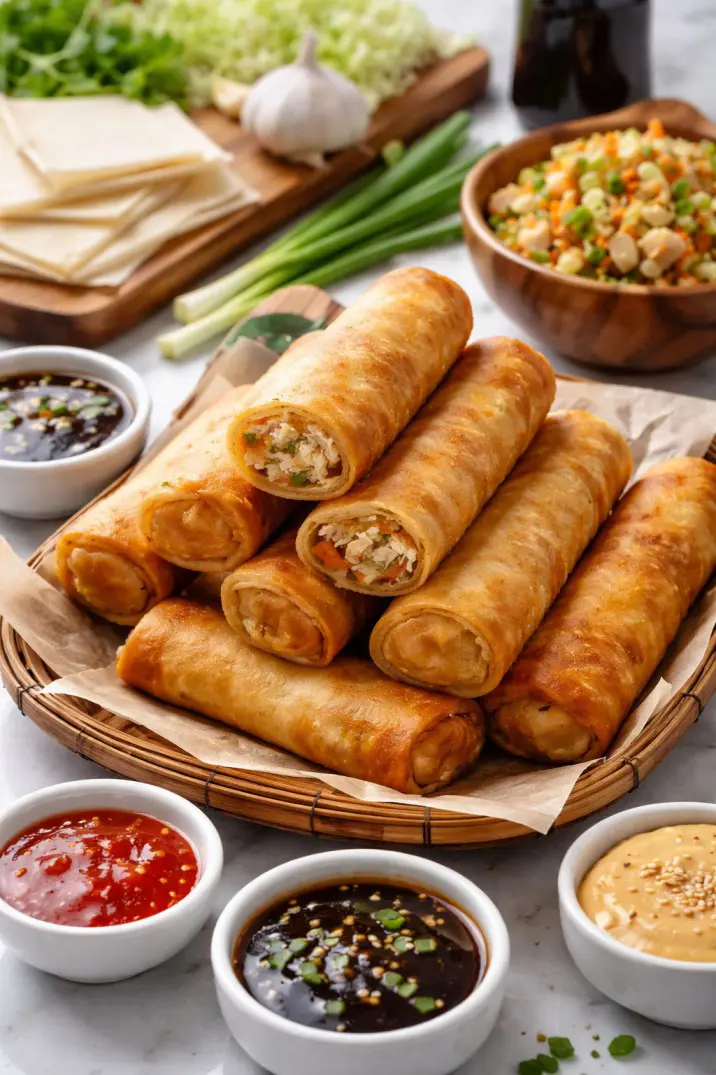
Egg rolls are a beloved snack and appetizer that combines a crispy exterior with a flavorful filling. While store-bought egg rolls are convenient, making them at home allows you to customize ingredients, experiment with flavors, and enjoy a fresher, healthier version.
Whether you love a classic pork and cabbage filling or a vegetarian alternative, this guide will show you exactly how to make egg rolls from scratch.
Ingredients: What You’ll Need
For a basic egg roll, gather the following ingredients:
For the filling:
-
1 cup shredded cabbage
-
1/2 cup shredded carrots
-
1/2 cup finely chopped green onions
-
1/2 cup cooked protein (chicken, pork, shrimp, or tofu)
-
2 cloves garlic, minced
-
1 teaspoon ginger, grated
-
2 tablespoons soy sauce
-
1 teaspoon sesame oil
-
Salt and pepper to taste
For the egg roll wrappers:
-
12 egg roll wrappers (store-bought or homemade)
-
1 egg, beaten (for sealing)
For frying:
-
Vegetable oil (enough for deep-frying)
Step by Step Methods
Step 1: Prepare the Filling
Start by preparing your filling ingredients. Heat a small pan over medium heat, add a teaspoon of oil, and sauté garlic and ginger until fragrant. Add your chosen protein and cook for 3-4 minutes. Then, stir in shredded cabbage, carrots, and green onions. Cook until vegetables are slightly softened but still retain a bit of crunch. Season with soy sauce, sesame oil, salt, and pepper. Remove from heat and allow the mixture to cool slightly before rolling.
Tip: Cooling the filling prevents the egg roll wrapper from tearing and ensures a crisp finish.
Step 2: Rolling the Egg Rolls
Lay an egg roll wrapper on a flat surface in a diamond shape. Place 2-3 tablespoons of filling near the bottom corner. Fold the bottom corner over the filling, then fold in the sides. Roll the wrapper tightly toward the top corner, brushing the edge with a little beaten egg to seal. Repeat the process for the remaining wrappers.
Step 3: Frying the Egg Rolls
Heat vegetable oil in a deep pan to 350°F (175°C). Gently add 2-3 egg rolls at a time, turning occasionally until golden brown and crisp, approximately 3-5 minutes. Remove the fried egg rolls and place them on a paper towel-lined plate to drain excess oil.
Alternative Method: For a healthier option, brush the rolls lightly with oil and bake in a preheated oven at 400°F (200°C) for 15-20 minutes, turning halfway through.
Step 4: Serving Suggestions
Egg rolls are versatile and can be served as an appetizer, snack, or even part of a main meal. Pair them with dipping sauces such as:
-
Sweet chili sauce
-
Soy sauce with a splash of rice vinegar
-
Hoisin sauce
-
Garlic mayo or sriracha mayo
Garnish with fresh herbs like cilantro or a sprinkle of sesame seeds for added flavor and presentation.
Step 5: Creative Variations
-
Vegetarian Egg Roll: Replace meat with mushrooms, tofu, or tempeh, and add bell peppers or bean sprouts.
-
Seafood Egg Roll: Use shrimp or crab meat with finely chopped water chestnuts for a crunchy texture.
-
Spicy Egg Roll: Add a dash of chili sauce or chopped jalapeños to the filling for an extra kick.
-
Mini Egg Rolls: Make smaller rolls for bite-sized snacks, perfect for parties or appetizers.
Experimenting with fillings allows you to enjoy a different egg roll flavor every time.
Step 6: Storing and Reheating
If you have leftover egg rolls, store them in an airtight container in the refrigerator for up to 3 days. To reheat, bake them in a preheated oven at 375°F (190°C) for 10-12 minutes to retain crispiness. Avoid microwaving, as it can make the wrappers soggy.
Pro Tip: You can also freeze uncooked egg rolls. Place them on a baking sheet, freeze individually, then transfer to a freezer bag. Fry directly from frozen without thawing for convenience.
Step 7: Tips for Perfect Egg Rolls Every Time
-
Use cold or room-temperature filling to prevent tearing.
-
Don’t overfill; it makes rolling difficult.
-
Fry in batches to avoid overcrowding the pan, ensuring even cooking.
-
Keep wrappers covered with a damp towel to prevent drying out.
-
For extra crunch, double-fry for 30 seconds after initial frying.
Following these tips guarantees a crispy, flavorful, and perfectly rolled egg roll every time.
Conclusion
Making egg rolls at home is simpler than it seems and infinitely customizable. From the fresh, flavorful fillings to the crispy golden wrappers, every bite is satisfying.
Whether for a family dinner, a festive gathering, or a snack on the go, homemade egg rolls are always a hit. Try different fillings, experiment with sauces, and enjoy the delicious rewards of your culinary efforts.
Recent posts
Healthy Eating
Healthy Eating
Delicious One-Pot Hamburger Soups the Whole Family Will Love
Hamburger soup is a warm and comforting option that might just be the perfect solution to the perennial question, "What's for dinner?" Whether faced with a cold, chilly day or simply seeking a quick and easy meal, this hearty soup is an excellent cho...
Healthy Eating
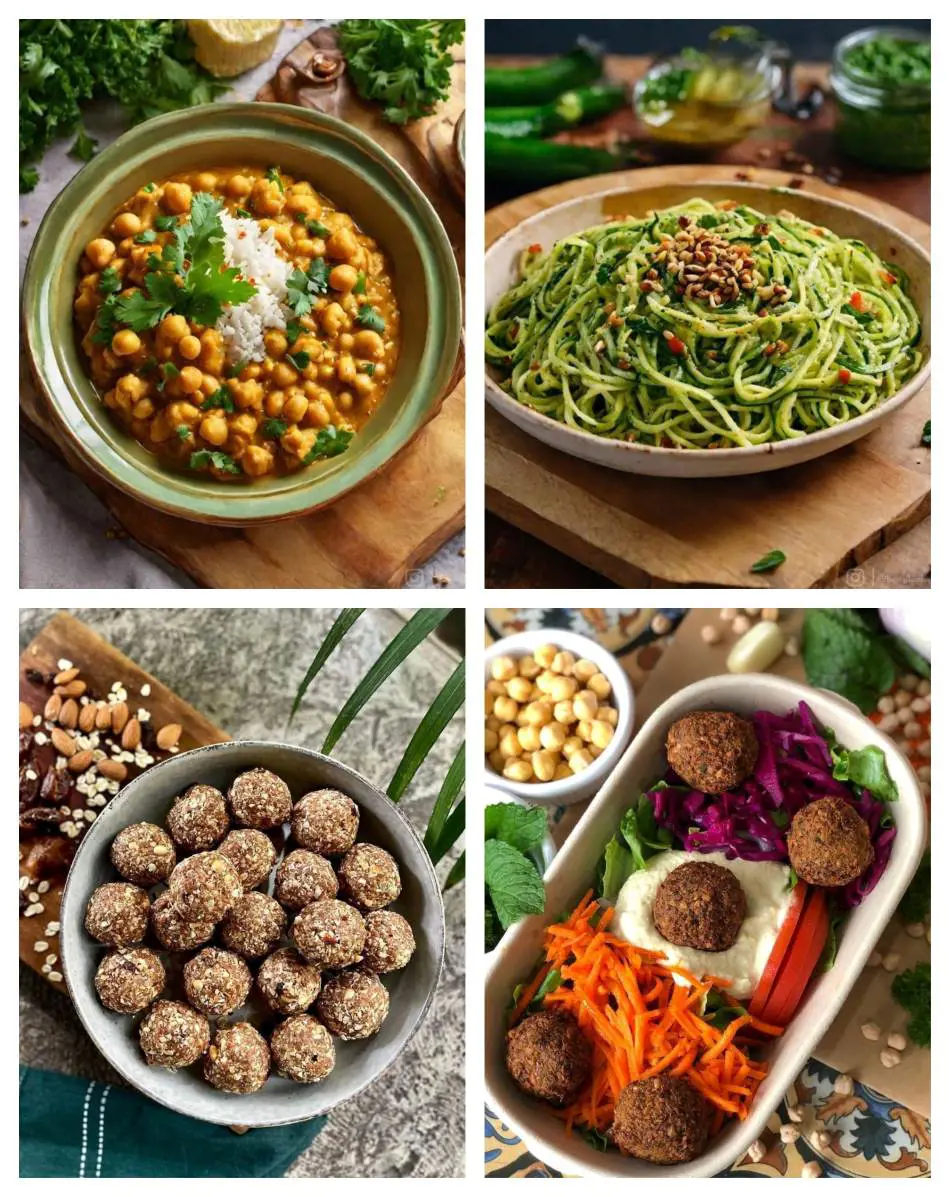
Easy To Make Daniel Fast Menu Ideas
The Daniel Fast is a Biblically inspired partial fast that essentially mirrors a vegan diet, excluding added sugars, refined carbs, caffeine, and alcohol. While it may seem restrictive, the inclusion of numerous flavorful, make-ahead dishes can signi...
Healthy Eating
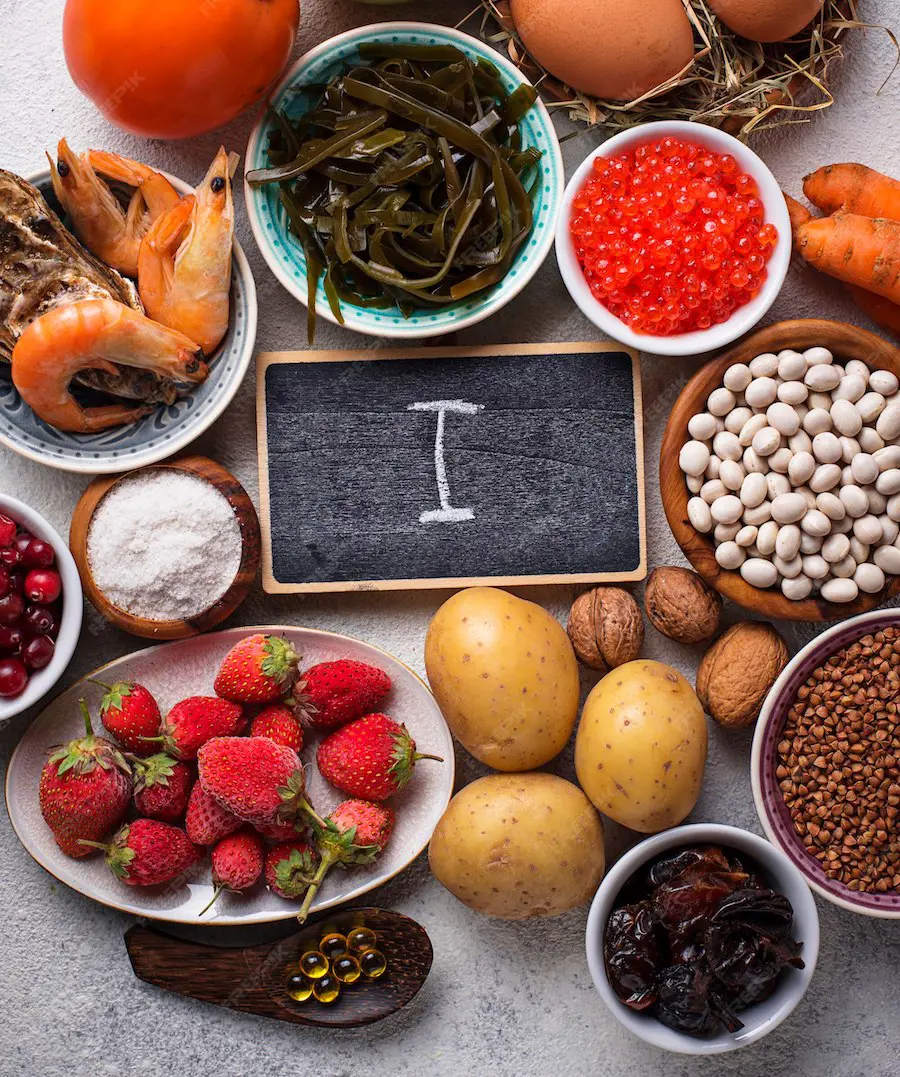
20 Iodine Rich Foods To Include In Your Diet
Iodine is a trace mineral not made in our body and thus must be obtained via food or supplements. It is an important element that is required for the proper working of the thyroid glands. In the US, the daily iodine requirement is met via food or sup...
Healthy Eating
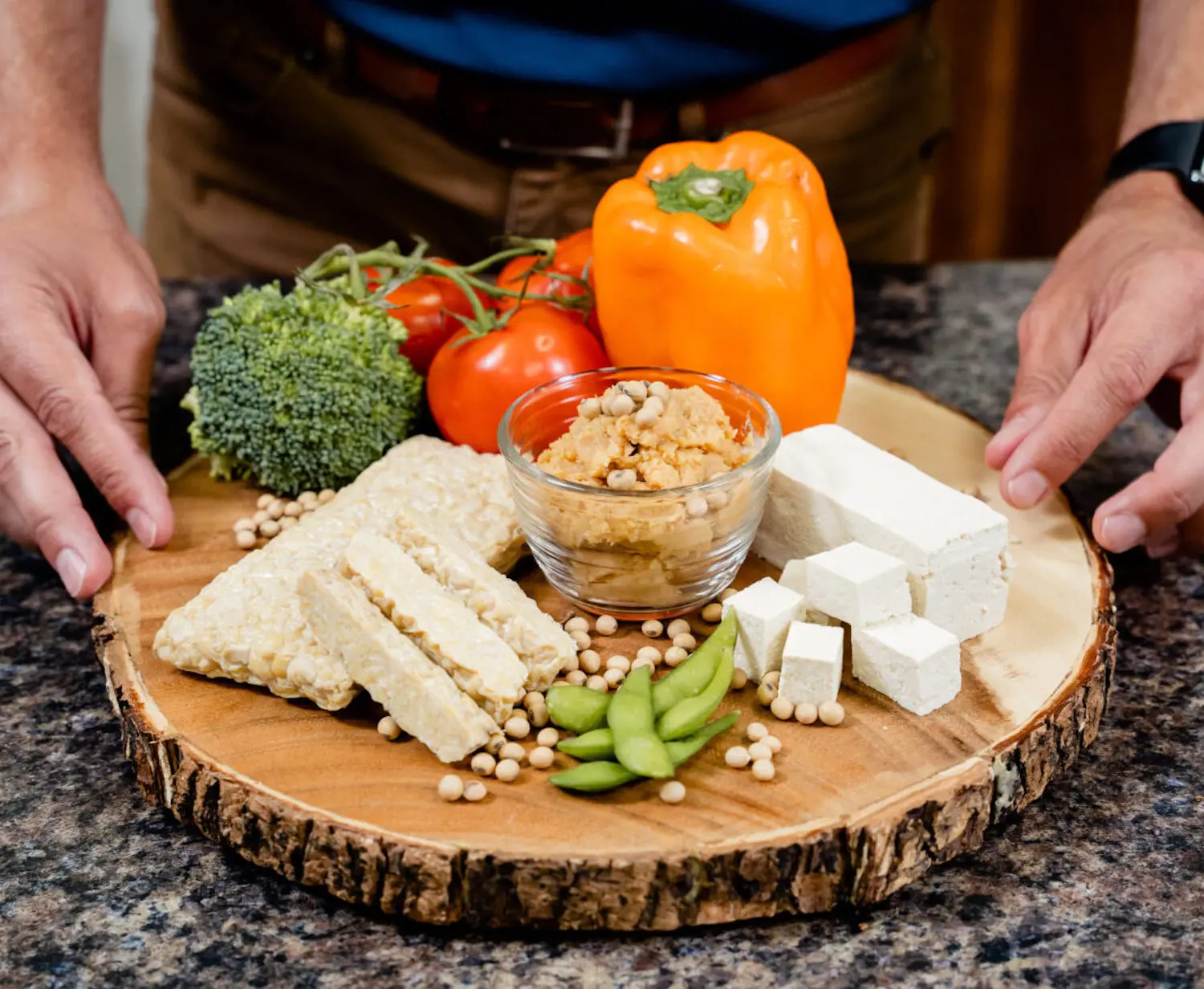
20 Foods High In Estrogen
Estrogen is a hormone primarily produced in the ovaries of females, although it is also present in smaller amounts in males. It plays a crucial role in the development and regulation of the female reproductive system and secondary sexual characterist...
Healthy Eating
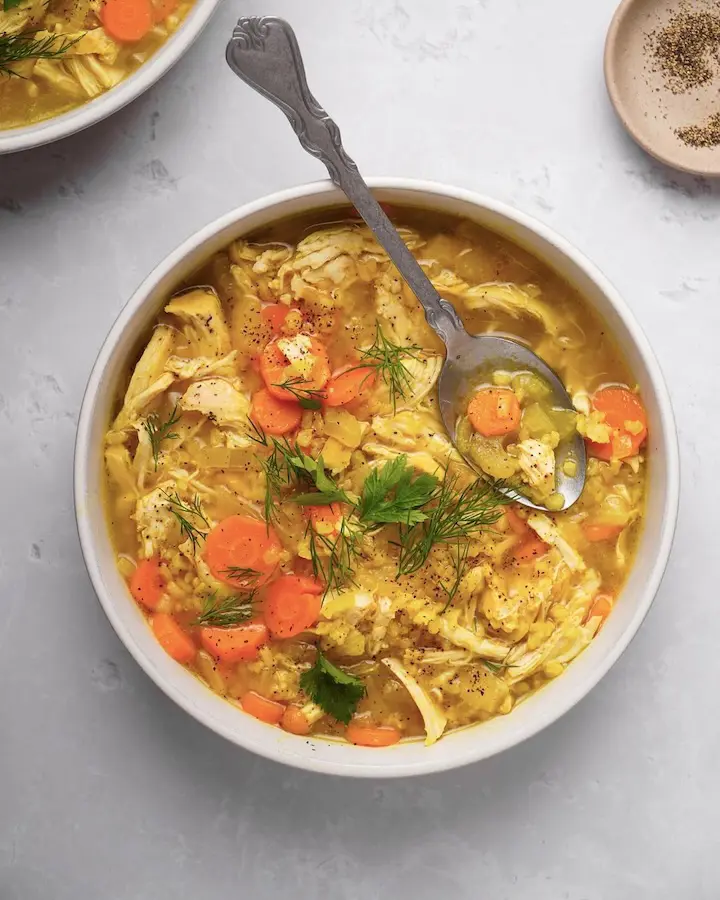
How To Make Chicken Soup
A good chicken soup has multiple purposes. Whether you’re just craving some comfort food or feeling under the weather, chicken soup will swiftly come to your rescue. Luckily, it doesn’t take much to make a good chicken soup. All you need ...
Healthy Eating
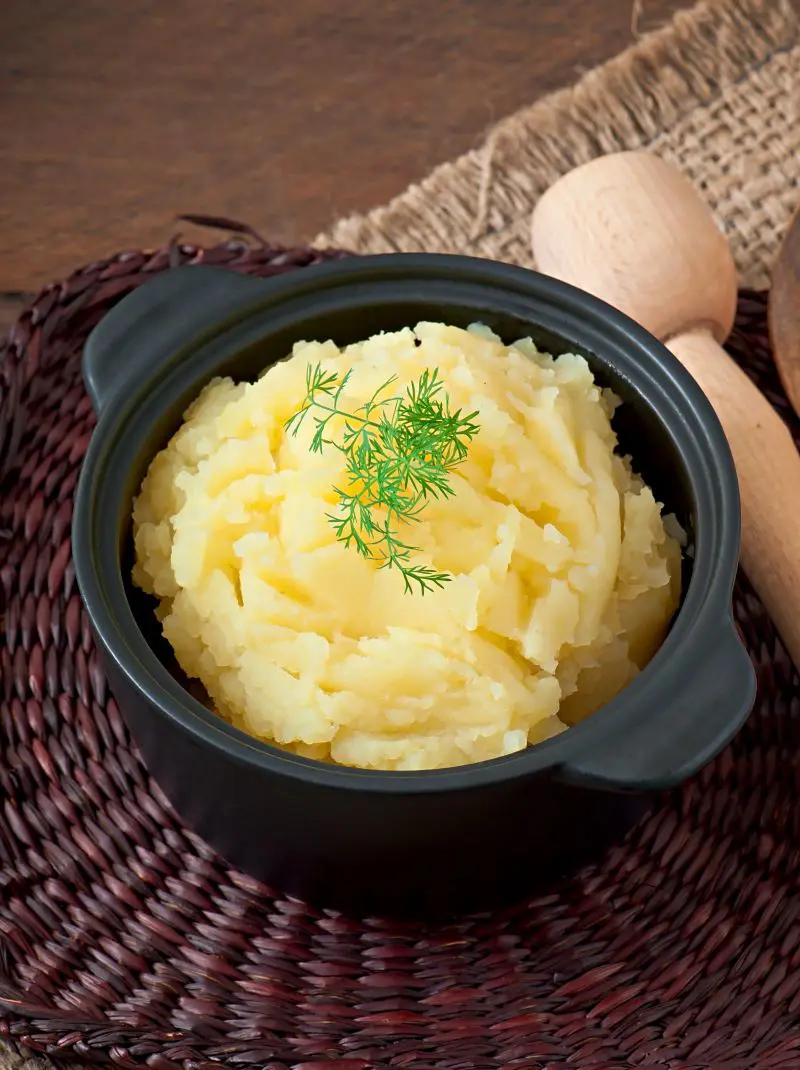
Are Mashed Potatoes Healthy? Calories And Nutrition Facts
A timeless comfy food calls for mashed potatoes. It can be consumed at any time of the day. Mainly, eating this rich staple during breakfast or lunch serves as a great source of energy. And the whole day can go without feeling like eating anything. I...