

How To Cook White Rice Perfectly Every Time

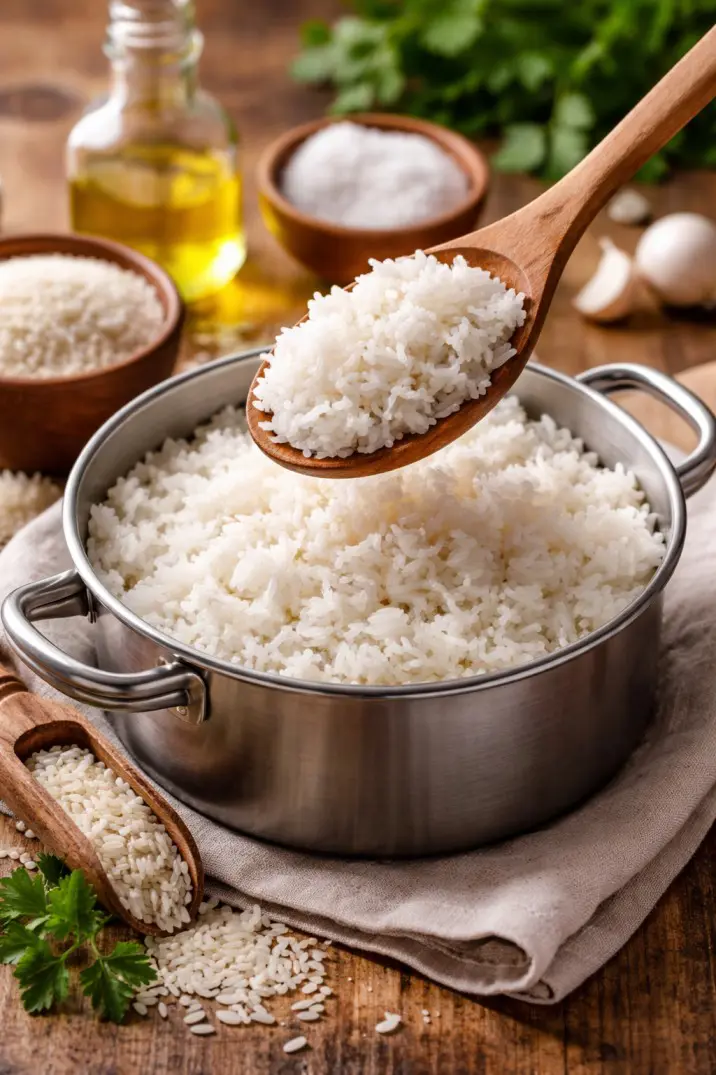
White rice is one of the most widely eaten foods around the world. It’s simple, affordable, and incredibly versatile. From stir-fries and curries to rice bowls and salads, perfectly cooked white rice acts as the foundation for countless meals.
Learning how to cook white rice properly ensures that every grain is soft, fluffy, and separate. The process is surprisingly simple once you understand the correct rice-to-water ratio, cooking method, and a few small tricks that make a big difference.
Whether you're cooking for a quick weeknight dinner or preparing a larger meal, mastering white rice will instantly elevate your cooking skills.
Understanding Different Types of White Rice
Before cooking rice, it helps to know that not all white rice is the same. Different varieties require slightly different cooking methods and water ratios.
Long-grain rice (such as basmati or jasmine) produces light, fluffy grains that remain separate after cooking. This type is great for stir-fries, curries, and rice bowls.
Medium-grain rice is slightly softer and tends to stick together more. It’s commonly used in dishes like paella or everyday table rice.
Short-grain rice is much stickier and is often used in sushi or Asian-style dishes where clumping is desirable.
Understanding your rice type helps you achieve the ideal texture and prevents overcooking.
The Ideal Rice-to-Water Ratio
One of the most important parts of cooking white rice is getting the water ratio correct. Too much water can make the rice mushy, while too little water leaves it undercooked.
A general guideline is:
-
1 cup white rice
-
2 cups water
For long-grain rice varieties like basmati or jasmine, some cooks prefer using 1¾ cups water for slightly firmer grains.
Always check the packaging instructions for specific rice types, as some brands or varieties may require slight adjustments.
Preparing Rice Before Cooking
Proper preparation improves the texture and flavor of your rice.
1. Rinse the Rice
Place the rice in a bowl or fine strainer and rinse it under cold water. Swirl the grains gently with your fingers until the water becomes less cloudy.
Rinsing removes excess surface starch, which helps prevent the rice from becoming sticky during cooking.
2. Optional Soaking
Some types of rice, especially basmati, benefit from soaking for about 15–20 minutes before cooking. This step helps the grains cook more evenly and lengthen during the cooking process.
While soaking is optional, it can improve the final texture.
Step-by-Step Guide: Cooking White Rice on the Stove
Cooking rice on the stovetop is one of the most reliable and widely used methods.
Step 1: Combine Rice and Water
Add rinsed rice and water to a medium saucepan. For extra flavor, you can also add:
-
A small pinch of salt
-
A teaspoon of butter or oil
Step 2: Bring to a Boil
Place the saucepan over medium-high heat and bring the water to a boil. Once boiling begins, stir the rice once to prevent sticking.
Step 3: Reduce Heat and Cover
Lower the heat to low, cover the pot with a tight-fitting lid, and let the rice simmer gently.
Step 4: Let It Cook Undisturbed
Allow the rice to cook for about 15–18 minutes without lifting the lid. Opening the lid releases steam and can disrupt the cooking process.
Step 5: Rest and Fluff
Once the cooking time is complete, turn off the heat and let the rice sit covered for 5 minutes. This allows any remaining steam to finish cooking the grains.
Finally, fluff the rice gently with a fork before serving.
Simple Ways to Add Flavor to White Rice
While plain white rice is delicious, small additions can make it even more flavorful.
Cook rice in broth:
Replace water with vegetable or chicken broth to create a richer taste.
Add aromatics:
Cooking rice with garlic, ginger, or onion adds subtle flavor.
Try herbs and spices:
Bay leaves, cumin seeds, or turmeric can transform plain rice into something special.
Finish with fresh herbs:
After cooking, mix in chopped cilantro, parsley, or green onions for freshness.
These simple touches turn basic rice into a flavorful side dish.
Common Mistakes to Avoid When Cooking Rice
Even though rice is simple to cook, a few common mistakes can affect the results.
Using the wrong water ratio
Too much water leads to soggy rice, while too little can leave it hard.
Stirring too often
Frequent stirring releases starch and can make rice sticky.
Removing the lid during cooking
Steam is essential for properly cooking rice, so keep the lid closed.
Skipping the resting step
Allowing rice to rest after cooking improves texture and prevents clumping.
Avoiding these mistakes helps ensure perfectly cooked rice every time.
Alternative Ways to Cook White Rice
While stovetop cooking is common, there are other convenient methods.
Rice cooker:
Simply add rice and water, press a button, and the cooker handles everything automatically.
Instant pot or pressure cooker:
Rice cooks faster and often comes out very fluffy.
Microwave method:
Rice can also be cooked in a microwave-safe bowl with water and a loose lid.
Each method works well, but stovetop cooking remains the most accessible and reliable for most kitchens.
Storing and Reheating Cooked Rice
Cooked rice can easily be stored and reused for later meals.
-
Store cooled rice in an airtight container in the refrigerator.
-
It will stay fresh for 3–4 days.
To reheat rice:
-
Sprinkle a small amount of water over the rice.
-
Cover it loosely.
-
Heat in the microwave or on the stove until warm.
The added moisture helps restore the soft texture.
Leftover rice is perfect for fried rice, rice bowls, soups, and quick lunches.
Final Thoughts
Learning how to cook white rice perfectly is a basic but valuable kitchen skill. With the right water ratio, proper rinsing, and careful cooking, you can consistently create soft, fluffy rice that complements almost any meal.
Once you master the basic method, you can experiment with flavors, spices, and cooking techniques to suit different dishes. Whether served alongside vegetables, meats, or sauces, well-cooked white rice remains one of the most comforting and versatile foods in the world.
Recent posts
Recipe
Recipe
How to Make Shrimp Scampi: A Flavorful and Easy Seafood Classic
Shrimp scampi is a timeless dish that combines tender shrimp with a rich, garlicky butter sauce, often served over pasta or with crusty bread. Known for its simplicity and bold flavor, this dish is perfect for both quick weeknight dinners and elegant...
Recipe
How to Cook Butter Beans | Easy & Flavorful Recipe
Butter beans are a comforting, nutritious staple known for their creamy texture and mild, buttery flavor. Whether you’re preparing a hearty side dish or a plant-based main course, learning how to cook butter beans properly can elevate your meal...
Recipe
How to Make Kimchi at Home
Kimchi, the iconic Korean fermented dish, is celebrated for its spicy, tangy, and umami-rich flavor. It is not just a side dish but a cultural staple, packed with vitamins, probiotics, and health benefits. Making kimchi at home may seem intimidating,...
Recipe
How to Cook Cabbage: Easy, Delicious, and Healthy Recipes
Cabbage is a versatile, nutritious, and affordable vegetable loved in kitchens worldwide. Whether you enjoy it as a side dish, in soups, or as a main ingredient in salads, learning how to cook cabbage properly can elevate its taste and preserve its n...
Recipe
Easy Homemade Pasta Sauce Recipe
Nothing beats the taste and aroma of a fresh, homemade pasta sauce. While store-bought jars are convenient, making your own sauce lets you control the ingredients, flavor, and consistency. Homemade pasta sauce is not only healthier - free from preser...

Recipe
Homemade Hamburger Helper Recipe: A Creamy One-Pan Comfort Meal
If you’re looking for a quick, hearty, and family-friendly dinner, a homemade hamburger helper recipe is the perfect solution. This classic comfort dish combines ground beef, pasta, creamy sauce, and savory seasonings into one satisfying skille...