

Best Ways to Cook Whole Spaghetti Squash

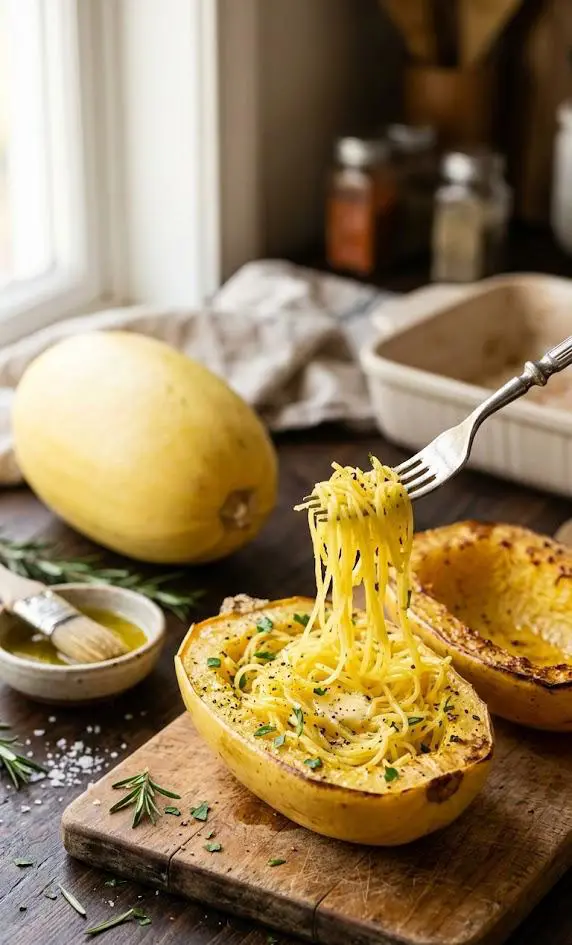
Spaghetti squash is a versatile and healthy vegetable that turns into spaghetti-like strands when cooked. It’s low in carbs, gluten-free, and perfect for replacing traditional pasta.
Cooking it whole is convenient, reduces cleanup, and keeps the flesh tender and moist. This guide will show you multiple methods to cook whole spaghetti squash, along with tips for maximum flavor and texture.
Choosing the Right Spaghetti Squash
Before cooking, selecting the right squash is essential. Here’s what to look for:
-
Size & Weight: Medium-sized squashes (about 3–4 pounds) are easier to handle and cook evenly.
-
Skin Quality: Look for firm, smooth skin without soft spots, bruises, or cracks.
-
Color: A golden yellow color indicates ripeness. Avoid greenish squash, which is under-ripe.
Proper selection ensures tender strands and a pleasant taste.
Preparing Your Squash
Even when cooking whole, a little prep goes a long way:
-
Wash the Squash: Rinse under cold water to remove dirt.
-
Dry Thoroughly: Pat dry to prevent slipping when cutting.
-
Optional Piercing: Some methods recommend poking the squash a few times with a fork to prevent it from bursting while cooking.
Cooking Whole Spaghetti Squash in the Oven
The oven method is classic and ensures even cooking.
Steps:
-
Preheat your oven to 400°F (200°C).
-
Place the whole squash on a baking sheet.
-
Roast for 45–60 minutes, depending on size.
-
Test for doneness: Press with a fork; the squash should yield slightly.
Tips:
-
Turn the squash halfway through cooking to ensure even roasting.
-
For extra flavor, rub the squash with olive oil, salt, and pepper.
Result: Soft, flavorful squash ready to shred into spaghetti-like strands.
Microwave Method for Quick Cooking
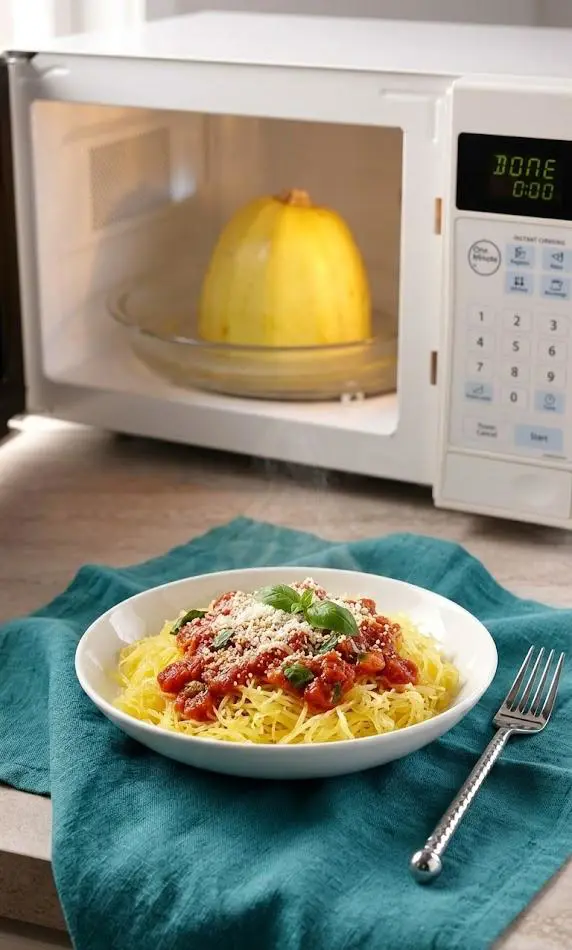
Microwaving a whole spaghetti squash is perfect when you need a fast, healthy meal without turning on the oven. This method preserves moisture and cooks the squash evenly in a fraction of the time.
Steps:
-
Pierce the Squash: Use a fork or sharp knife to pierce the squash 6–8 times. This allows steam to escape during cooking and prevents the squash from bursting.
-
Prepare for Microwaving: Place the squash in a microwave-safe dish. You can add a few tablespoons of water to the dish to create steam and keep the squash moist. Cover loosely with a microwave-safe lid or plastic wrap (leave a small vent for steam).
-
Microwave: Cook on high for 10–15 minutes. The exact time will depend on the size of your squash and the power of your microwave.
-
Check for Doneness: Insert a fork or knife into the squash. It should slide in easily when fully cooked. If it’s still firm, continue microwaving in 2-minute increments until tender.
-
Cool Slightly: Let the squash rest for 2–3 minutes. This allows the residual heat to finish cooking the inside while making it easier to handle.
Tips for Success:
-
Rotate the Squash: Turn the squash halfway through cooking to ensure even heat distribution.
-
Flavor Boost: Brush the squash with olive oil or sprinkle salt and pepper before microwaving for added taste.
-
Cutting Safety: Microwaving softens the squash, making it much easier to slice in half compared to raw squash.
Result: Quick, soft, and tender spaghetti-like strands ready to toss with your favorite sauce, stir into salads, or use as a low-carb pasta substitute.
Slow Cooker Method for Hands-Off Cooking
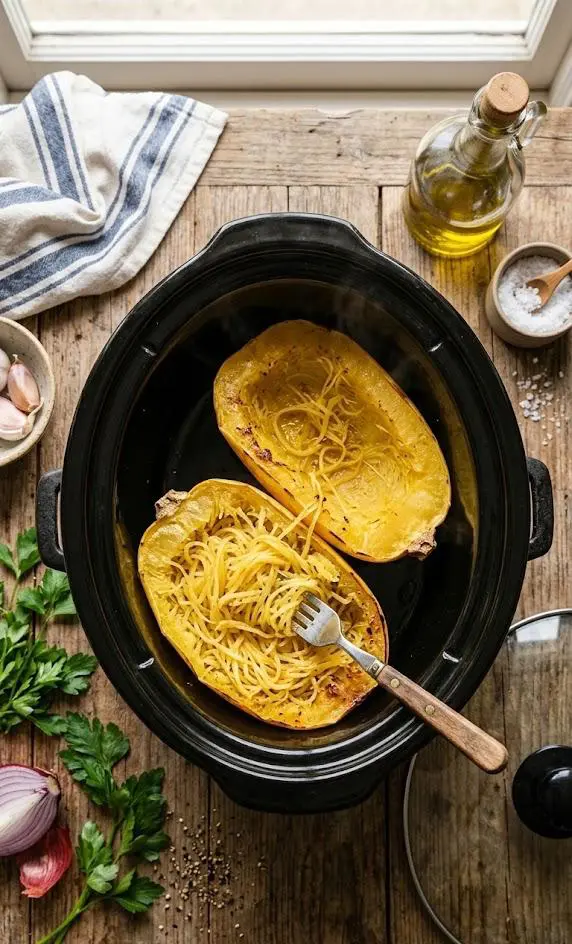
The slow cooker method is ideal for those who want perfectly cooked spaghetti squash with minimal effort. Using this approach, the squash becomes incredibly tender and flavorful without constant attention.
Steps:
-
Prepare the Squash: Wash the squash thoroughly. You can pierce it a few times with a fork, though some slow cooker enthusiasts skip this step because the slow cooking prevents bursting.
-
Place in Slow Cooker: Lay the whole squash in the slow cooker. If your slow cooker is small, you may need to cut the squash in half. Add 1/4–1/2 cup of water to the bottom to help generate steam, which keeps the squash moist.
-
Set Cooking Time:
-
High setting: 3–4 hours
-
Low setting: 6–7 hours
The squash should feel soft and give slightly when pressed with a fork.
-
-
Check for Doneness: Carefully remove the squash using tongs (it will be hot). Insert a knife to test the flesh; it should slide in easily.
-
Cool and Shred: Let the squash cool slightly, then cut in half, remove seeds, and shred the flesh into spaghetti strands using a fork.
Tips for Success:
-
Flavor Infusion: Drizzle olive oil, garlic, or herbs over the squash before cooking for extra flavor.
-
Meal Prep Friendly: The slow cooker is perfect for prepping squash in the morning and having it ready by dinner.
-
Even Cooking: If cooking multiple squashes, make sure they are roughly the same size to ensure uniform tenderness.
-
Storage: Cooked squash can stay in the refrigerator for up to 5 days or freeze shredded strands for up to 3 months.
Result: Effortless, perfectly cooked spaghetti squash with a soft, pull-apart texture that pairs beautifully with sauces, roasted vegetables, or proteins.
How to Shred Whole Spaghetti Squash
Once cooked, follow these steps to turn your squash into “spaghetti”:
-
Allow the squash to cool slightly.
-
Cut it in half lengthwise using a sharp knife.
-
Scoop out the seeds and stringy pulp.
-
Use a fork to scrape the flesh, creating long strands.
Pro Tip: Scrape along the ridges of the squash to achieve the most uniform spaghetti strands.
Serving Ideas and Recipes
Whole spaghetti squash is incredibly versatile. Here are some ideas:
-
Pasta Substitute: Toss strands with marinara or Alfredo sauce.
-
Vegetable Bowls: Mix with roasted veggies and protein for a healthy meal.
-
Salads: Chill strands and mix with olive oil, lemon, and herbs for a refreshing salad.
-
Casseroles: Layer strands with cheese and tomato sauce for a low-carb lasagna alternative.
Storage and Leftovers
Cooked spaghetti squash keeps well for future meals:
-
Refrigeration: Store in an airtight container for up to 5 days.
-
Freezing: Shred and freeze in portions for up to 3 months.
-
Reheating: Microwave or sauté strands with a little olive oil for best results.
Conclusion
Cooking whole spaghetti squash is simple, versatile, and perfect for a healthy lifestyle. Whether you roast, microwave, or slow cook, you’ll get tender, flavorful strands that can replace pasta or elevate side dishes. With the right squash, proper preparation, and these cooking methods, making spaghetti squash a regular part of your meals becomes effortless.
Recent posts
Recipe

Recipe
How to Make Shrimp Scampi: A Flavorful and Easy Seafood Classic
Shrimp scampi is a timeless dish that combines tender shrimp with a rich, garlicky butter sauce, often served over pasta or with crusty bread. Known for its simplicity and bold flavor, this dish is perfect for both quick weeknight dinners and elegant...
Recipe
How to Cook Butter Beans | Easy & Flavorful Recipe
Butter beans are a comforting, nutritious staple known for their creamy texture and mild, buttery flavor. Whether you’re preparing a hearty side dish or a plant-based main course, learning how to cook butter beans properly can elevate your meal...
Recipe
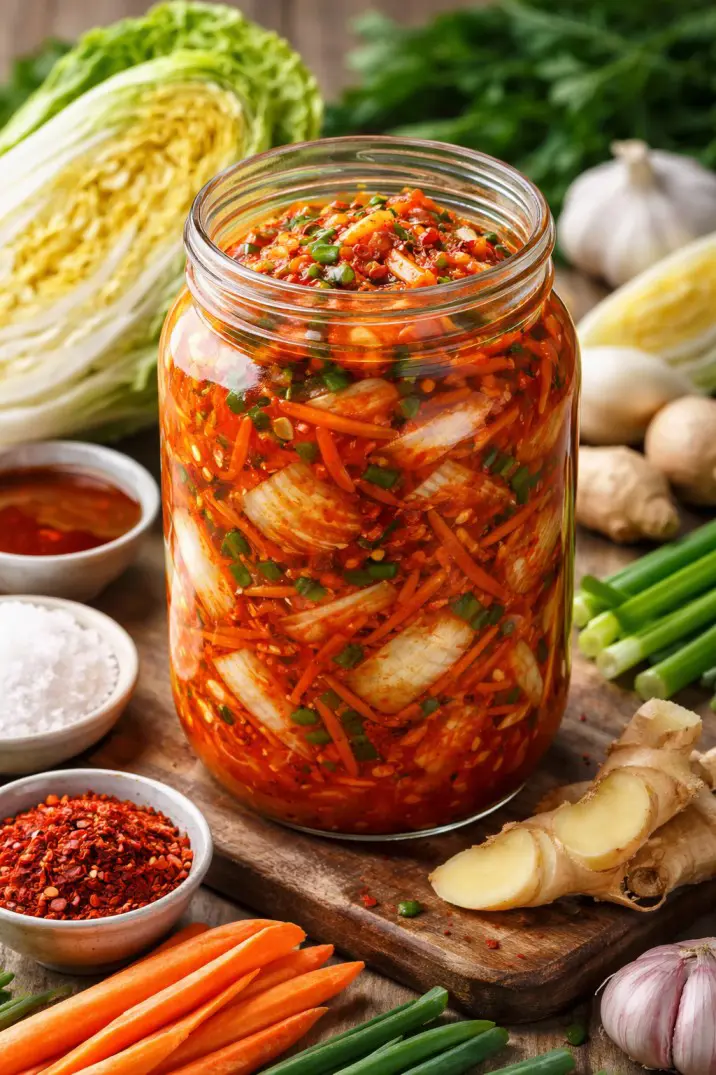
How to Make Kimchi at Home
Kimchi, the iconic Korean fermented dish, is celebrated for its spicy, tangy, and umami-rich flavor. It is not just a side dish but a cultural staple, packed with vitamins, probiotics, and health benefits. Making kimchi at home may seem intimidating,...
Recipe
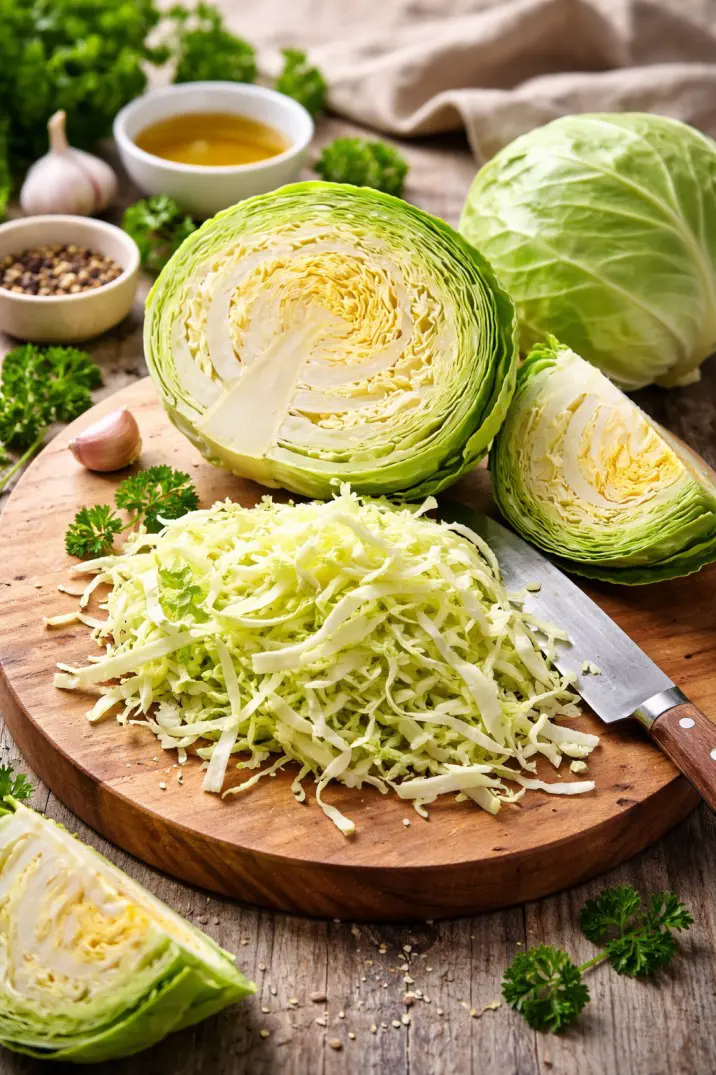
How to Cook Cabbage: Easy, Delicious, and Healthy Recipes
Cabbage is a versatile, nutritious, and affordable vegetable loved in kitchens worldwide. Whether you enjoy it as a side dish, in soups, or as a main ingredient in salads, learning how to cook cabbage properly can elevate its taste and preserve its n...
Recipe
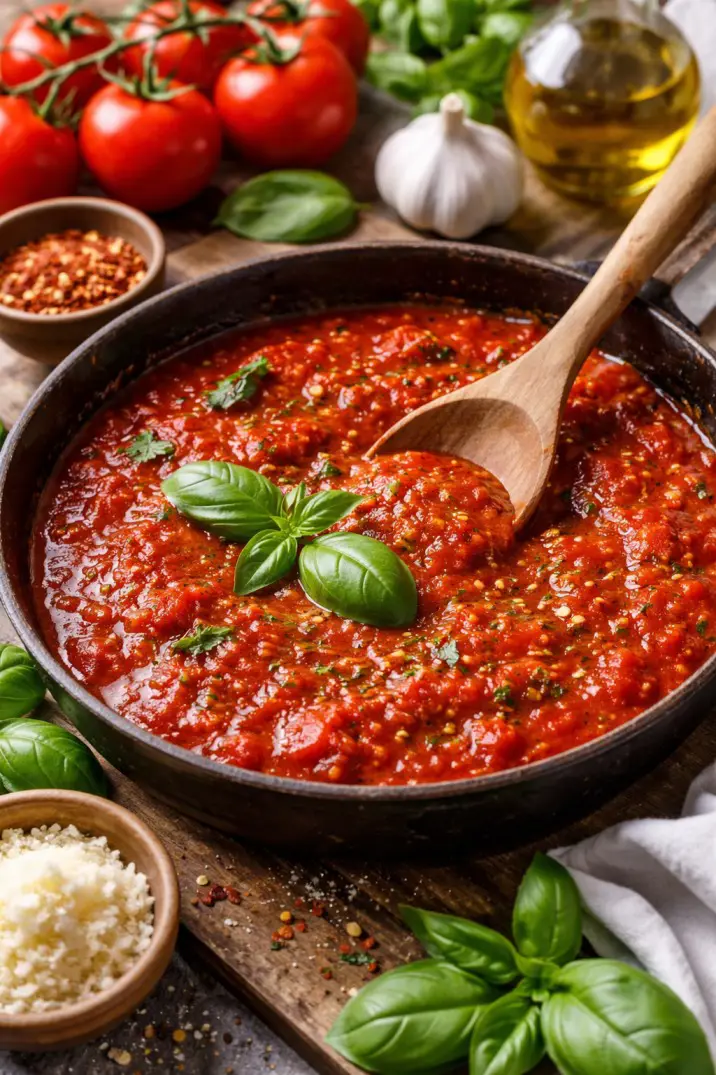
Easy Homemade Pasta Sauce Recipe
Nothing beats the taste and aroma of a fresh, homemade pasta sauce. While store-bought jars are convenient, making your own sauce lets you control the ingredients, flavor, and consistency. Homemade pasta sauce is not only healthier - free from preser...

Recipe
Homemade Hamburger Helper Recipe: A Creamy One-Pan Comfort Meal
If you’re looking for a quick, hearty, and family-friendly dinner, a homemade hamburger helper recipe is the perfect solution. This classic comfort dish combines ground beef, pasta, creamy sauce, and savory seasonings into one satisfying skille...