

How to Make Homemade Pasta Salad

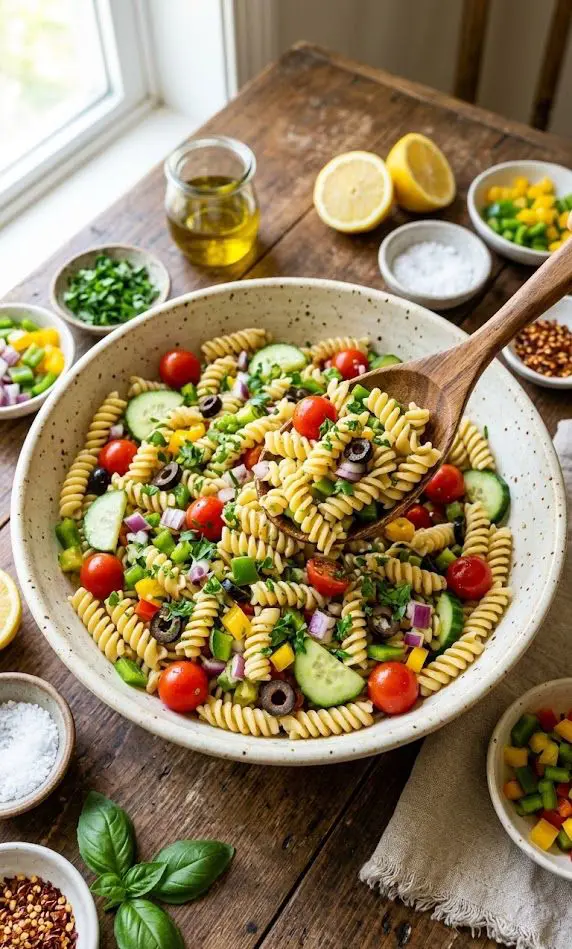
Homemade pasta salad is a versatile, colorful, and delicious dish that’s perfect for any occasion. Unlike store-bought versions, making it at home allows you to control the flavors, freshness, and portion sizes.
Whether you are preparing for a family lunch, a picnic, or a party, pasta salad can be customized to suit any taste. From creamy dressings to zesty vinaigrettes, the possibilities are endless. In this guide, we’ll walk you through everything you need to know to make a perfect homemade pasta salad - step by step, from selecting ingredients to serving suggestions.
Choosing the Right Pasta for Your Salad
The type of pasta you choose can make a huge difference in texture and flavor. Here are some tips:
-
Short Pasta: Fusilli, rotini, penne, and farfalle hold dressing well and provide great bite.
-
Whole-Grain or Gluten-Free Options: For a healthier twist, consider whole-grain, chickpea, or lentil pasta.
-
Cooking Tip: Cook pasta al dente, rinse under cold water, and drain well to prevent it from sticking and to cool it for salad.
Selecting Fresh and Flavorful Ingredients
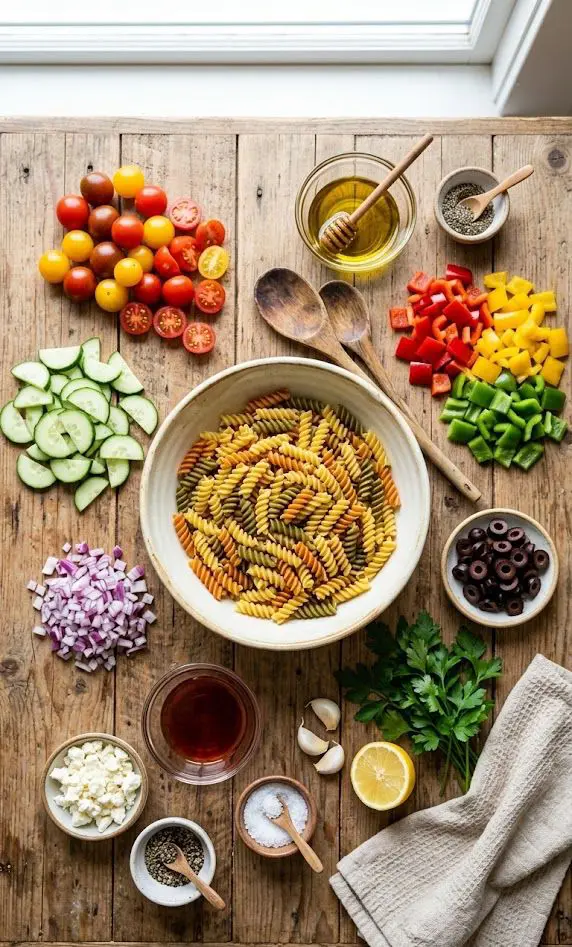
The freshness of your ingredients defines the taste of your pasta salad. Focus on vibrant vegetables, herbs, and proteins:
-
Vegetables: Cherry tomatoes, bell peppers, cucumbers, red onions, and carrots add crunch and color.
-
Proteins: Grilled chicken, boiled eggs, tuna, or chickpeas can make it more filling.
-
Cheese: Feta, mozzarella balls, or shredded parmesan enhance creaminess and flavor.
-
Herbs: Fresh parsley, basil, dill, or cilantro add a fragrant touch.
Creating the Perfect Pasta Salad Dressing
A well-balanced dressing elevates your salad. Choose between creamy or vinaigrette styles:
-
Creamy Dressing: Mayonnaise, Greek yogurt, or sour cream with garlic, lemon juice, and mustard creates a rich, tangy flavor.
-
Vinaigrette: Olive oil, balsamic vinegar or lemon juice, Dijon mustard, honey, and herbs make a light, refreshing option.
-
Tip: Taste as you go! Adjust salt, pepper, and acidity for the perfect balance.
Step-by-Step Guide to Making Homemade Pasta Salad
Step 1: Cook and Cool the Pasta
-
Boil Water: Fill a large pot with water and add a generous pinch of salt. Salted water seasons the pasta as it cooks.
-
Cook Pasta: Add your chosen pasta and cook according to the package instructions until al dente - tender but still slightly firm to the bite. Overcooked pasta becomes mushy in a salad.
-
Drain and Rinse: Drain the pasta in a colander, then rinse under cold water to stop cooking. This cools the pasta quickly, prevents it from sticking, and helps it better absorb the dressing later.
-
Optional Tip: Drizzle a small amount of olive oil over the pasta to keep strands separate while it cools.
Step 2: Prepare Fresh Ingredients
-
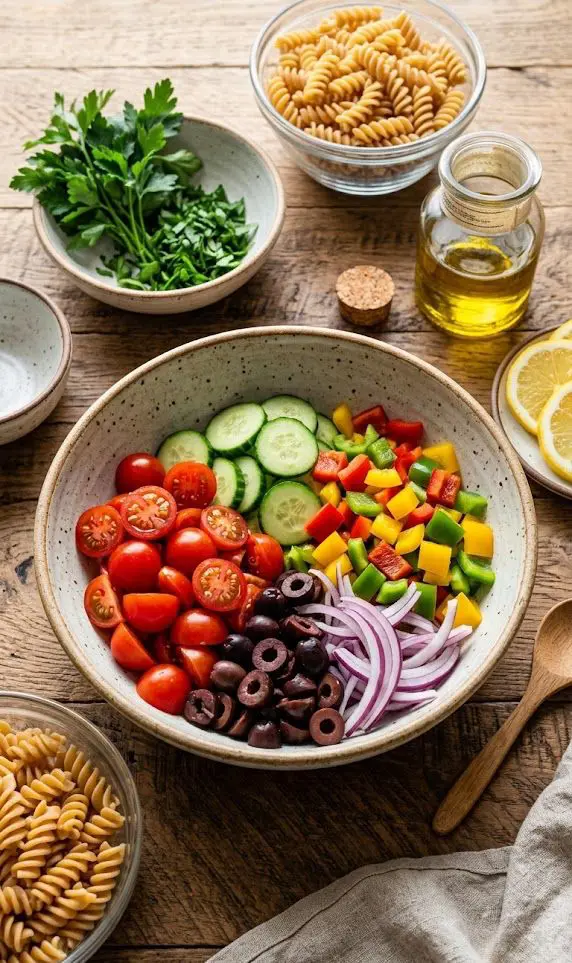
Vegetables: Wash and dry all vegetables thoroughly. Chop them into bite-sized pieces. For example, halve cherry tomatoes, dice cucumbers, and finely slice red onions.
-
Proteins: If using meat, cook it fully (grill, boil, or roast), then cut into cubes or strips. Boil eggs and peel them before slicing or quartering. Canned proteins like tuna or chickpeas should be drained and rinsed.
-
Cheese and Herbs: Cube cheese such as mozzarella or crumble feta. Wash and roughly chop fresh herbs like parsley, basil, or cilantro. These add a burst of freshness and aroma.
-
Extra Flavor Boost: Consider adding extras like olives, roasted nuts, or sun-dried tomatoes for texture and flavor contrast.
Step 3: Make the Dressing
-
Choose Your Base: For creamy dressings, mix mayonnaise, Greek yogurt, or sour cream. For vinaigrettes, whisk together olive oil, vinegar or lemon juice, mustard, and a touch of honey.
-
Add Seasonings: Add salt, pepper, garlic, herbs, or spices to taste. Taste and adjust as needed. The dressing should be flavorful enough to coat the pasta but not overpower the salad.
-
Mix Thoroughly: Whisk the ingredients until smooth and emulsified. This ensures the dressing clings to each piece of pasta evenly.
Step 4: Combine Ingredients
-
Layer Carefully: In a large mixing bowl, add pasta first, followed by chopped vegetables, proteins, and cheese. This layering ensures even mixing without crushing delicate ingredients.
-
Add Dressing: Pour the prepared dressing over the salad gradually. Start with half, toss, taste, and add more if needed. This prevents over-saturating the salad.
-
Toss Gently: Using a large spoon or salad tongs, gently toss the salad until all ingredients are evenly coated. Avoid stirring too vigorously to prevent vegetables from bruising and pasta from breaking.
Step 5: Chill and Let Flavors Marry
-
Refrigerate: Cover the salad and refrigerate for at least 30 minutes, ideally 1–2 hours. This resting time allows the pasta to absorb flavors from the dressing and ingredients to meld together.
-
Optional Garnish: Just before serving, add fresh herbs, grated cheese, or a sprinkle of seeds/nuts for texture and visual appeal.
-
Serving Tip: Serve chilled or at room temperature depending on preference. For picnics, pack in an insulated container to keep it cool.
Step 6: Customize and Adjust
-
Taste and Adjust: After chilling, taste the salad again. Add more salt, pepper, or a splash of lemon juice if needed.
-
Mix-Ins: Feel free to stir in extra ingredients like avocado, roasted peppers, or fresh fruit (like grapes or apple slices) to add new flavors and textures.
-
Storage Advice: Keep leftovers in an airtight container in the refrigerator for up to 3 days. Add delicate ingredients like avocado or fresh herbs just before serving to maintain freshness.
Tips for a Flavorful Pasta Salad
-
Balance Textures: Mix crunchy vegetables with soft pasta and creamy cheese.
-
Season Well: Pasta needs salt even after cooking; adjust dressing seasoning carefully.
-
Make Ahead: Pasta salad can be prepared a day in advance, making it ideal for gatherings.
-
Avoid Sogginess: Rinse pasta after cooking and use just enough dressing.
Variations
-
Mediterranean Pasta Salad: Feta, olives, sun-dried tomatoes, cucumber, and a lemon-oregano vinaigrette.
-
Creamy Ranch Pasta Salad: Chicken, carrots, peas, cheddar cheese, and creamy ranch dressing.
-
Vegan Pasta Salad: Chickpeas, cherry tomatoes, avocado, spinach, and balsamic vinaigrette.
Serving Ideas and Pairings
Homemade pasta salad is a versatile dish that pairs well with many meals:
-
Serve as a side dish with grilled meats or seafood.
-
Pack it for picnics or lunchboxes—it stays fresh for hours.
-
Offer it as part of a buffet at parties for a colorful, crowd-pleasing option.
Storage and Leftover Tips
-
Store pasta salad in an airtight container in the refrigerator for up to 3 days.
-
If using creamy dressing, stir before serving, as it may thicken when chilled.
-
For best freshness, add delicate ingredients like avocado or fresh herbs just before serving.
Conclusion
Homemade pasta salad is simple, customizable, and packed with flavor. By choosing the right pasta, fresh ingredients, and a delicious dressing, you can create a dish that is both satisfying and visually appealing. Whether for a casual meal or a special event, pasta salad is sure to impress.
With these tips and steps, you’ll have a versatile recipe that can be adjusted seasonally, to dietary needs, or to match your flavor cravings. Enjoy experimenting and making pasta salad your signature dish.
Recent posts
Recipe
Recipe
How to Make Shrimp Scampi: A Flavorful and Easy Seafood Classic
Shrimp scampi is a timeless dish that combines tender shrimp with a rich, garlicky butter sauce, often served over pasta or with crusty bread. Known for its simplicity and bold flavor, this dish is perfect for both quick weeknight dinners and elegant...
Recipe
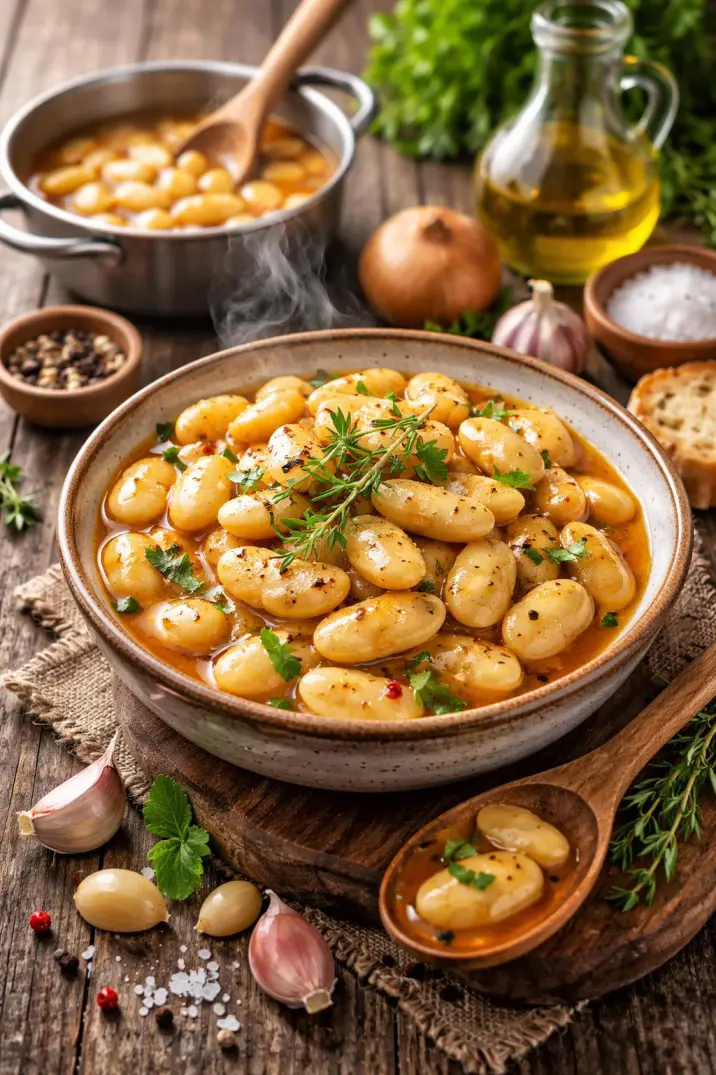
How to Cook Butter Beans | Easy & Flavorful Recipe
Butter beans are a comforting, nutritious staple known for their creamy texture and mild, buttery flavor. Whether you’re preparing a hearty side dish or a plant-based main course, learning how to cook butter beans properly can elevate your meal...
Recipe
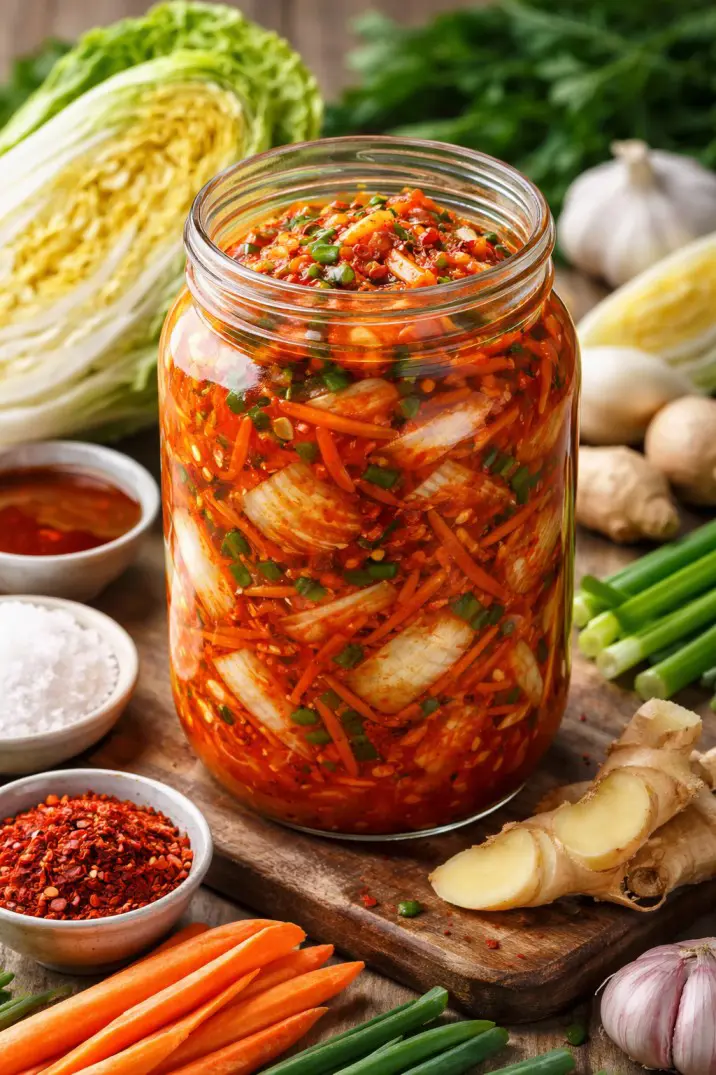
How to Make Kimchi at Home
Kimchi, the iconic Korean fermented dish, is celebrated for its spicy, tangy, and umami-rich flavor. It is not just a side dish but a cultural staple, packed with vitamins, probiotics, and health benefits. Making kimchi at home may seem intimidating,...
Recipe
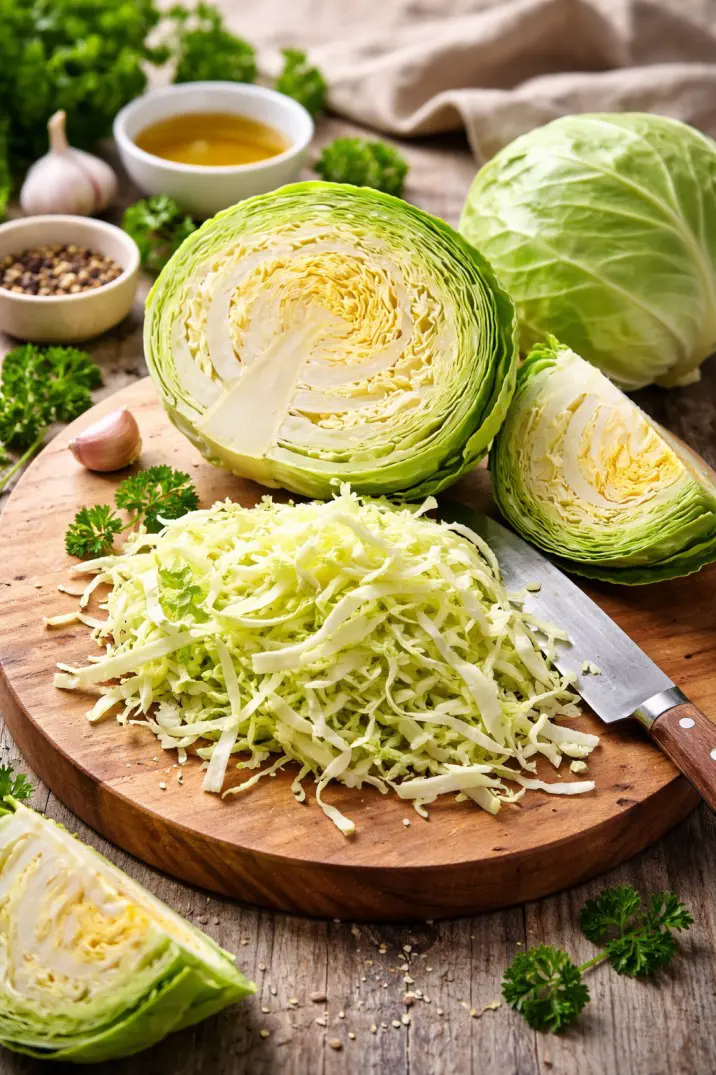
How to Cook Cabbage: Easy, Delicious, and Healthy Recipes
Cabbage is a versatile, nutritious, and affordable vegetable loved in kitchens worldwide. Whether you enjoy it as a side dish, in soups, or as a main ingredient in salads, learning how to cook cabbage properly can elevate its taste and preserve its n...
Recipe
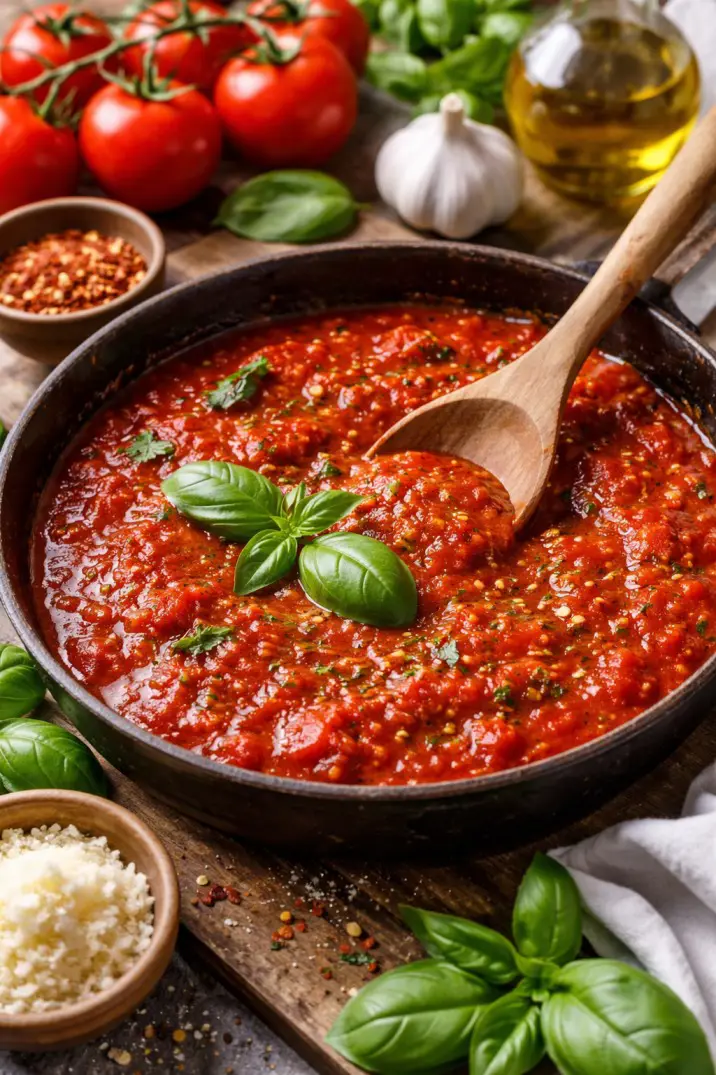
Easy Homemade Pasta Sauce Recipe
Nothing beats the taste and aroma of a fresh, homemade pasta sauce. While store-bought jars are convenient, making your own sauce lets you control the ingredients, flavor, and consistency. Homemade pasta sauce is not only healthier - free from preser...
Recipe
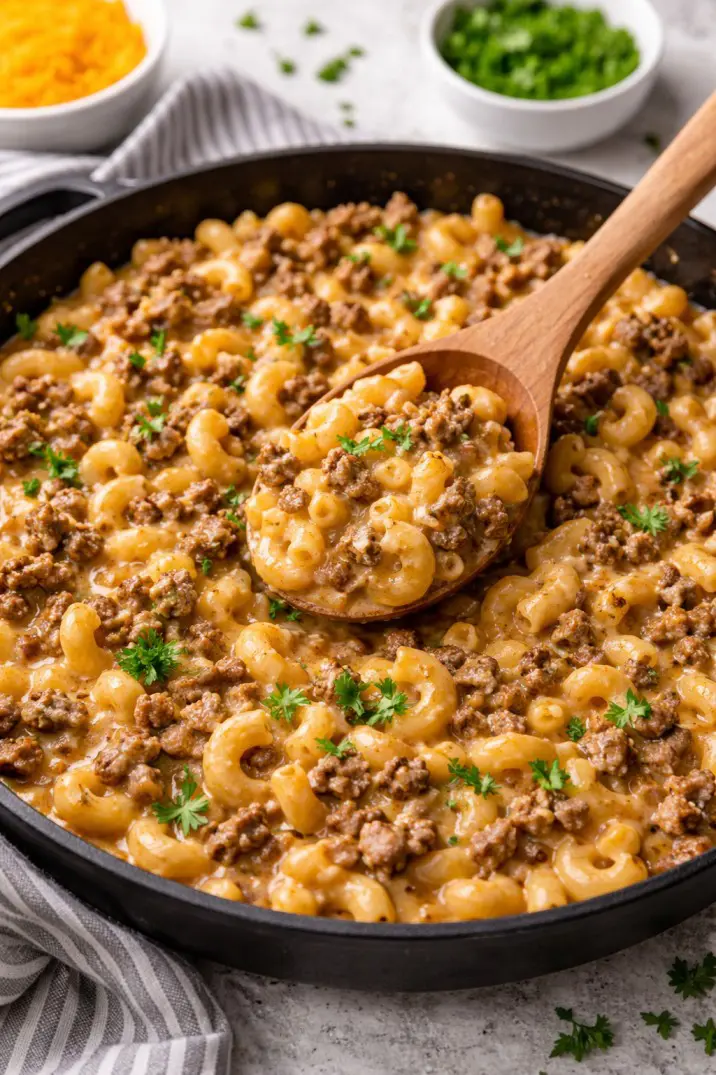
Homemade Hamburger Helper Recipe: A Creamy One-Pan Comfort Meal
If you’re looking for a quick, hearty, and family-friendly dinner, a homemade hamburger helper recipe is the perfect solution. This classic comfort dish combines ground beef, pasta, creamy sauce, and savory seasonings into one satisfying skille...