

How to Make Cold Brew Tea at Home


Cold brew tea is one of the easiest and most refreshing beverages you can make at home. Unlike traditional hot brewing methods, cold brewing uses cool or room-temperature water and a longer steeping time to gently extract flavors.
The result is a smoother, less bitter, and naturally sweeter tea that’s perfect for warm days - or anytime you want a crisp, clean drink.
Whether you enjoy green, black, white, or herbal varieties, cold brew tea is simple to prepare and requires minimal effort. Let’s explore how to make it perfectly every time.
Ingredients and Tools You’ll Need
Making cold brew tea requires only a few simple items:
Ingredients:
-
1–2 teaspoons loose-leaf tea or 1 tea bag per cup (8 oz) of water
-
Fresh, cold filtered water
-
Optional: lemon slices, mint, honey, or fruit for flavor
Tools:
-
Glass jar, pitcher, or bottle
-
Tea infuser (for loose-leaf tea)
-
Refrigerator
-
Fine strainer (if not using an infuser)
That’s it—no kettle required!
Step-by-Step Guide: How to Make Cold Brew Tea
1. Measure Your Tea
A good starting ratio is:
-
1 teaspoon loose-leaf tea per 8 ounces of water
-
Or 1 tea bag per 8–12 ounces of water
If you prefer stronger tea, slightly increase the amount of tea rather than steeping too long.
2. Add Cold Water
Place your tea in a jar or pitcher and pour cold, filtered water over it. Make sure all leaves are fully submerged.
Filtered water makes a noticeable difference in taste, especially since cold brewing highlights subtle flavors.
3. Steep in the Refrigerator
Cover the container and place it in the refrigerator.
Steeping times vary depending on the type of tea:
-
Green tea: 6–8 hours
-
Black tea: 8–12 hours
-
White tea: 6–8 hours
-
Herbal tea: 8–12 hours
Avoid steeping longer than 12–14 hours, as the flavor can become flat or overly strong.
4. Strain and Serve
Once steeped, remove the tea bag or strain out loose leaves. Pour over ice if desired, or enjoy it straight from the refrigerator.
You can store cold brew tea in the fridge for up to 3 days for the freshest taste.
Best Teas for Cold Brewing
Almost any tea works for cold brewing, but some varieties truly shine.
Green Tea
Light, grassy, and refreshing. Cold brewing reduces bitterness and enhances its natural sweetness.
Black Tea
Smooth and bold without the harsh tannins that sometimes come from hot brewing.
White Tea
Delicate and floral. Cold brewing preserves its subtle flavor profile beautifully.
Herbal Tea
Caffeine-free options like chamomile, hibiscus, peppermint, or fruit blends create vibrant, refreshing drinks.
Experimenting with different teas allows you to discover new flavor combinations.
Why Cold Brew Tea Tastes Better
Cold water extracts fewer tannins - the compounds responsible for bitterness and dryness in tea. Heat accelerates tannin release, which can sometimes overpower delicate notes.
With cold brewing:
-
Flavor extraction is slower and gentler
-
Bitterness is reduced
-
Sweet and floral notes are more noticeable
The result is a naturally smooth beverage that often requires little or no sweetener.
Tips for Perfect Cold Brew Tea
To elevate your cold brew tea, keep these tips in mind:
Use Quality Tea
High-quality loose-leaf tea generally produces better flavor than low-grade tea bags.
Use Filtered Water
Impurities in tap water can dull or alter the taste.
Don’t Over-Steep
Longer is not always better. Follow recommended times for optimal balance.
Try Fruit Infusions
Add sliced strawberries, oranges, cucumber, or mint during the steeping process for a naturally flavored twist.
Make It Sparkling
After straining, mix with sparkling water for a refreshing fizzy tea.
Cold Brew Tea vs Iced Tea
Though often confused, cold brew tea and iced tea are different.
Iced Tea:
-
Brewed hot, then cooled
-
Stronger and sometimes more bitter
-
Faster to prepare
Cold Brew Tea:
-
Steeped in cold water
-
Smoother and less acidic
-
Takes longer but requires less effort
If you prefer a mellow and refreshing drink, cold brew tea is an excellent choice.
Health Benefits of Cold Brew Tea
Cold brew tea offers many of the same benefits as traditionally brewed tea:
-
Rich in antioxidants
-
Supports hydration
-
May support heart health
-
Contains natural compounds that promote relaxation
Because it’s less bitter, you may not need added sugar—making it a healthier alternative to many store-bought beverages.
Herbal cold brew teas also provide caffeine-free options for evening enjoyment.
Frequently Asked Questions
Can you cold brew tea at room temperature?
Yes, but refrigeration is recommended to prevent bacterial growth and maintain freshness.
Is cold brew tea stronger?
It can be smoother but not necessarily stronger. Strength depends on the tea-to-water ratio and steeping time.
Can you reuse tea leaves?
You can sometimes reuse high-quality loose leaves for a second, lighter batch, but flavor will be milder.
Does cold brew tea have less caffeine?
It often contains slightly less caffeine than hot-brewed tea because caffeine extracts more efficiently in hot water.
Recent posts
Recipe

Recipe
How to Make Shrimp Scampi: A Flavorful and Easy Seafood Classic
Shrimp scampi is a timeless dish that combines tender shrimp with a rich, garlicky butter sauce, often served over pasta or with crusty bread. Known for its simplicity and bold flavor, this dish is perfect for both quick weeknight dinners and elegant...
Recipe
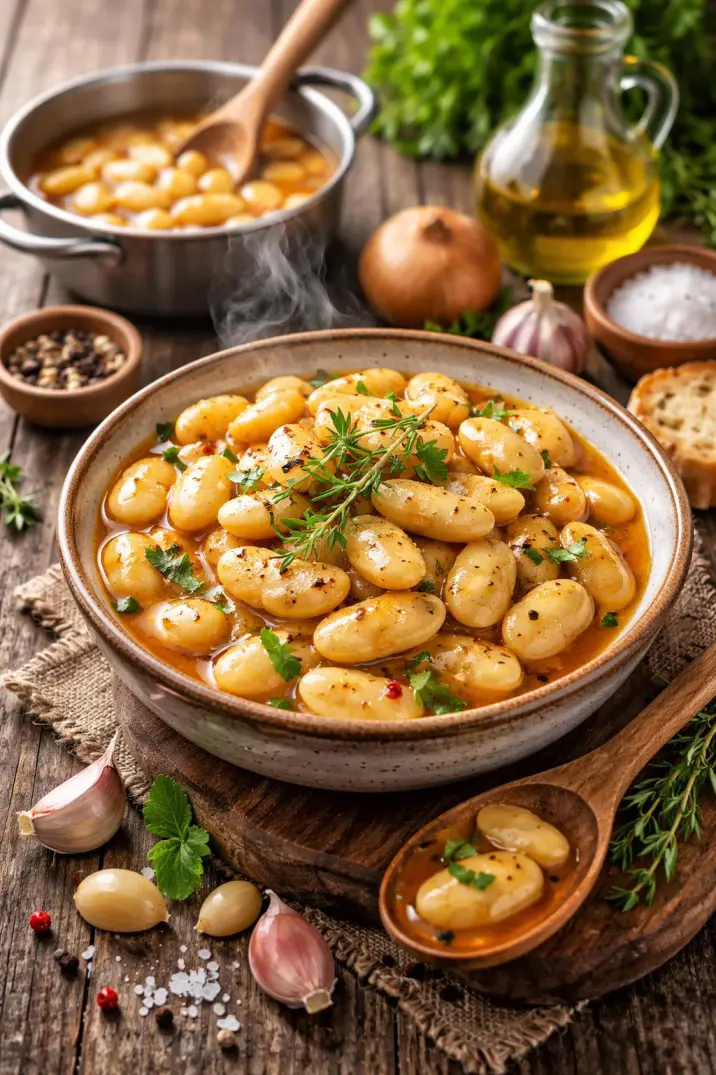
How to Cook Butter Beans | Easy & Flavorful Recipe
Butter beans are a comforting, nutritious staple known for their creamy texture and mild, buttery flavor. Whether you’re preparing a hearty side dish or a plant-based main course, learning how to cook butter beans properly can elevate your meal...
Recipe
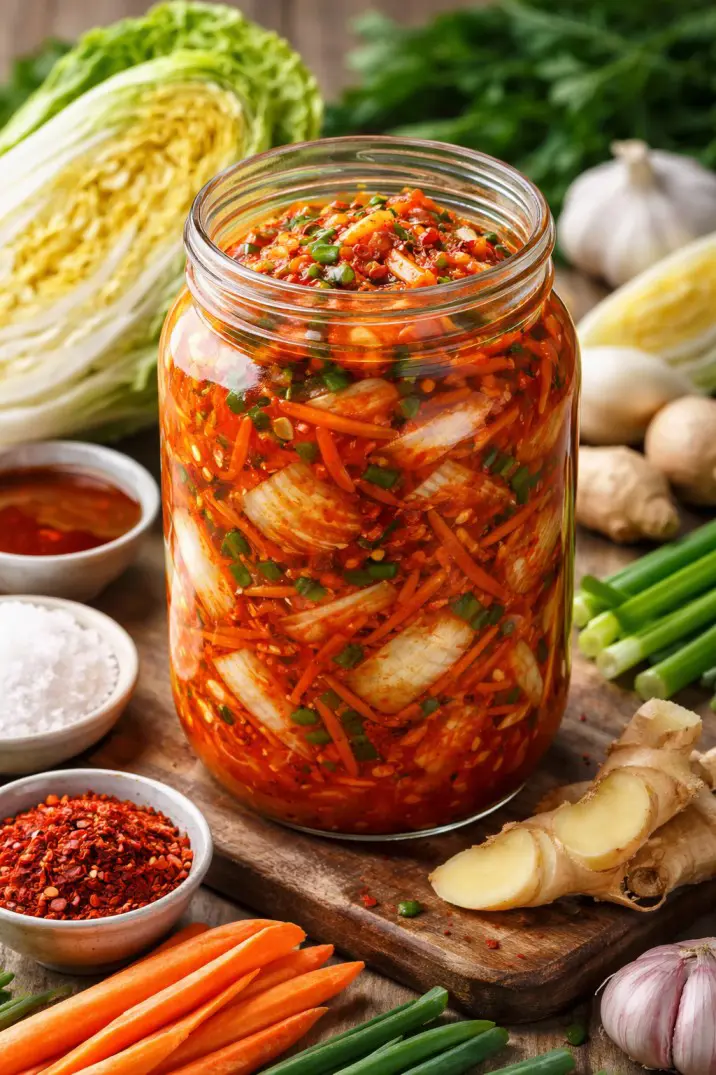
How to Make Kimchi at Home
Kimchi, the iconic Korean fermented dish, is celebrated for its spicy, tangy, and umami-rich flavor. It is not just a side dish but a cultural staple, packed with vitamins, probiotics, and health benefits. Making kimchi at home may seem intimidating,...
Recipe
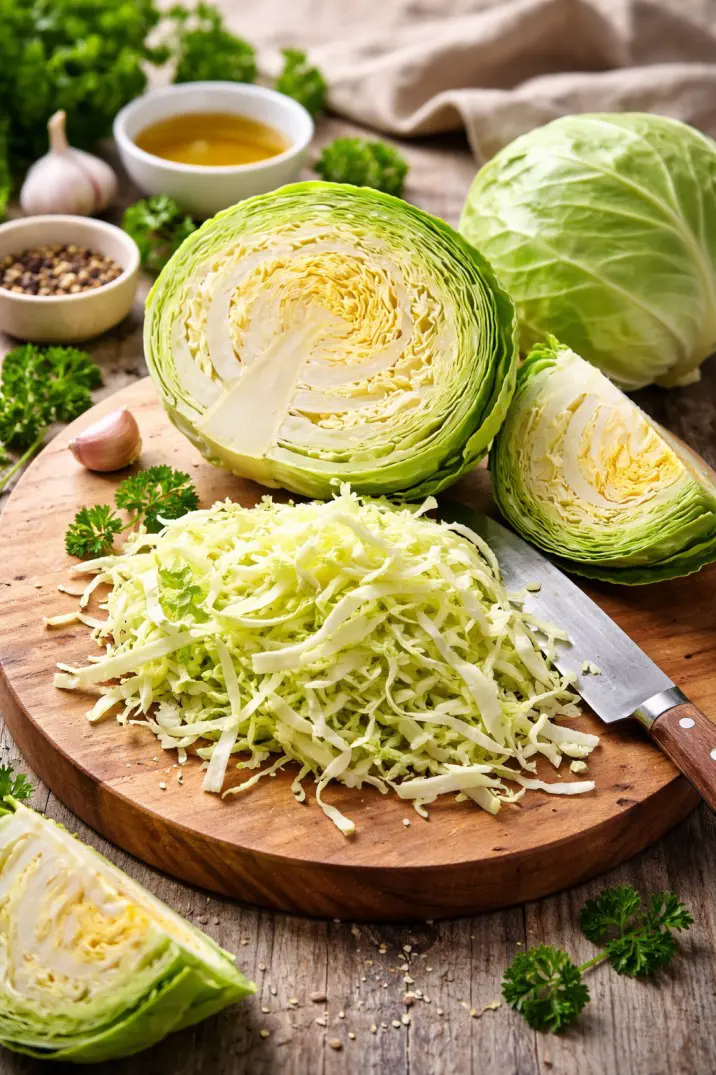
How to Cook Cabbage: Easy, Delicious, and Healthy Recipes
Cabbage is a versatile, nutritious, and affordable vegetable loved in kitchens worldwide. Whether you enjoy it as a side dish, in soups, or as a main ingredient in salads, learning how to cook cabbage properly can elevate its taste and preserve its n...
Recipe
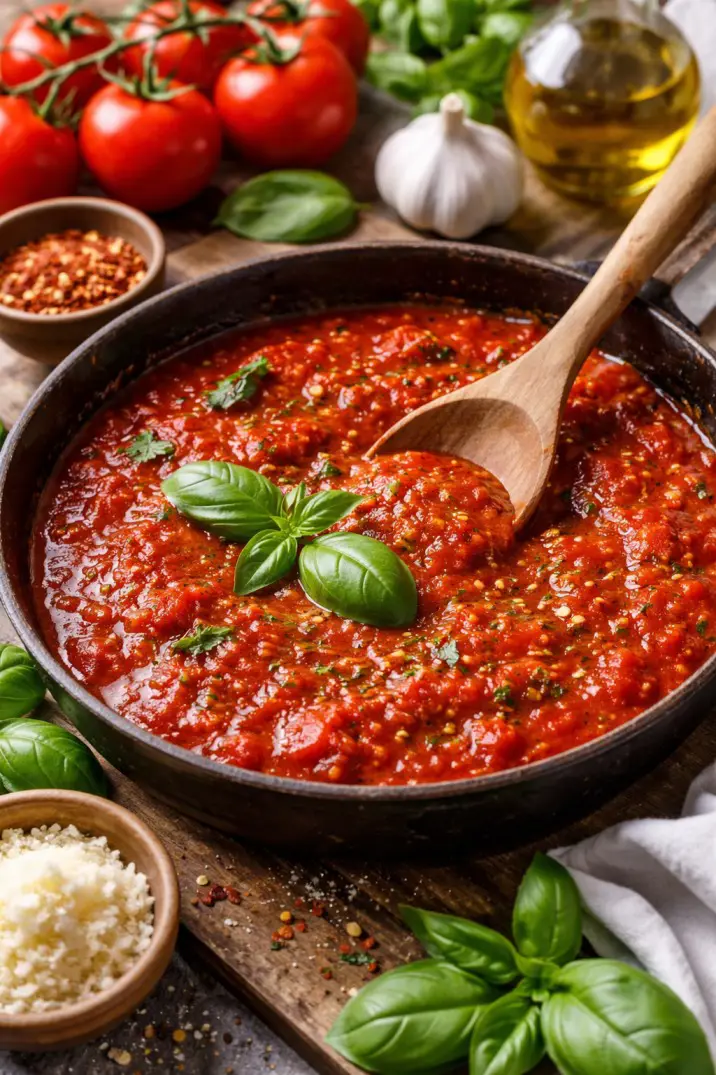
Easy Homemade Pasta Sauce Recipe
Nothing beats the taste and aroma of a fresh, homemade pasta sauce. While store-bought jars are convenient, making your own sauce lets you control the ingredients, flavor, and consistency. Homemade pasta sauce is not only healthier - free from preser...

Recipe
Homemade Hamburger Helper Recipe: A Creamy One-Pan Comfort Meal
If you’re looking for a quick, hearty, and family-friendly dinner, a homemade hamburger helper recipe is the perfect solution. This classic comfort dish combines ground beef, pasta, creamy sauce, and savory seasonings into one satisfying skille...