

Easy Homemade Muesli: Recipe & Health Benefits

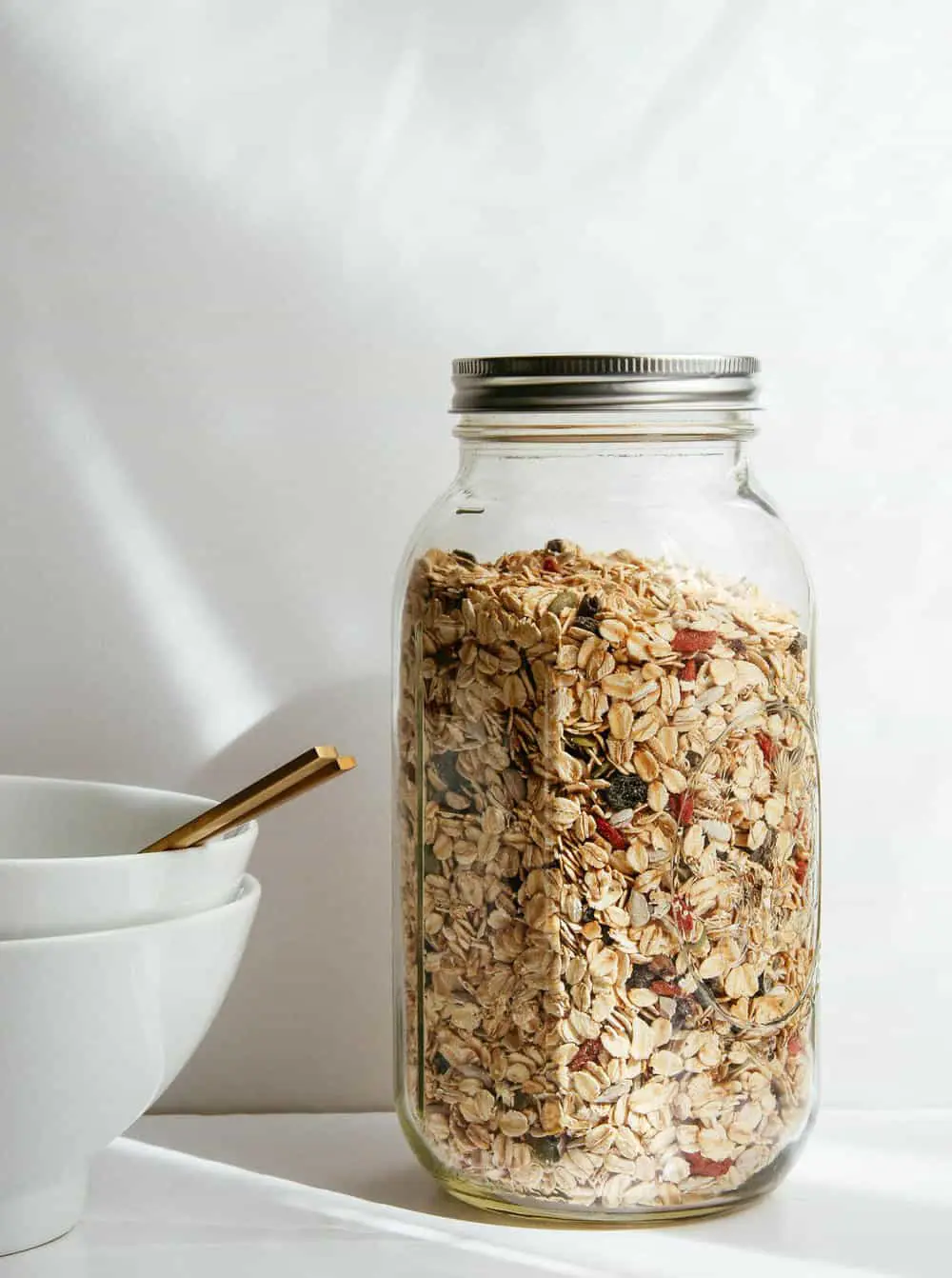
Breakfast often sets the tone for the rest of the day. A balanced morning meal can provide sustained energy, improve focus, and support overall health. Among the many breakfast options available today, muesli stands out as one of the simplest and most nutritious choices. It is wholesome, versatile, and easy to prepare at home using everyday ingredients.
If you have ever wondered how to make muesli, the process is surprisingly simple. Homemade muesli not only tastes fresher than store-bought versions, but it also allows you to control the ingredients, sugar levels, and overall nutrition. In this guide, you will learn how to prepare muesli at home, understand its health benefits, and discover practical tips to make it part of your daily routine.
What Is Muesli?
Muesli is a mixture of rolled grains, nuts, seeds, and dried fruits typically eaten with milk, yogurt, or plant-based alternatives. It originated in Europe and has become popular worldwide because of its nutritional value and convenience.
Unlike many commercial breakfast cereals, muesli is usually less processed and contains natural ingredients. It provides a combination of carbohydrates, fiber, healthy fats, vitamins, and minerals, making it a balanced meal for starting the day.
Many people choose homemade muesli because packaged versions can sometimes contain added sugars, artificial flavors, or preservatives. When you prepare it yourself, you can keep it clean, natural, and tailored to your taste.
Why Make Muesli at Home?
Before learning how to make muesli, it is helpful to understand why homemade versions are often better.
1. Full Control Over Ingredients
When you prepare muesli yourself, you decide exactly what goes into it. You can adjust the amount of nuts, fruits, or seeds according to your preferences.
2. Healthier Than Store-Bought Options
Many commercial cereals contain refined sugar or flavor enhancers. Homemade muesli allows you to avoid unnecessary additives.
3. Cost-Effective
Buying individual ingredients in bulk is usually cheaper than purchasing packaged cereal mixes.
4. Customizable for Different Diets
Homemade muesli can be adapted for vegan, gluten-free, high-protein, or low-sugar diets.
5. Fresh Taste and Better Quality
Fresh ingredients enhance both flavor and nutritional value.
Essential Ingredients for Homemade Muesli
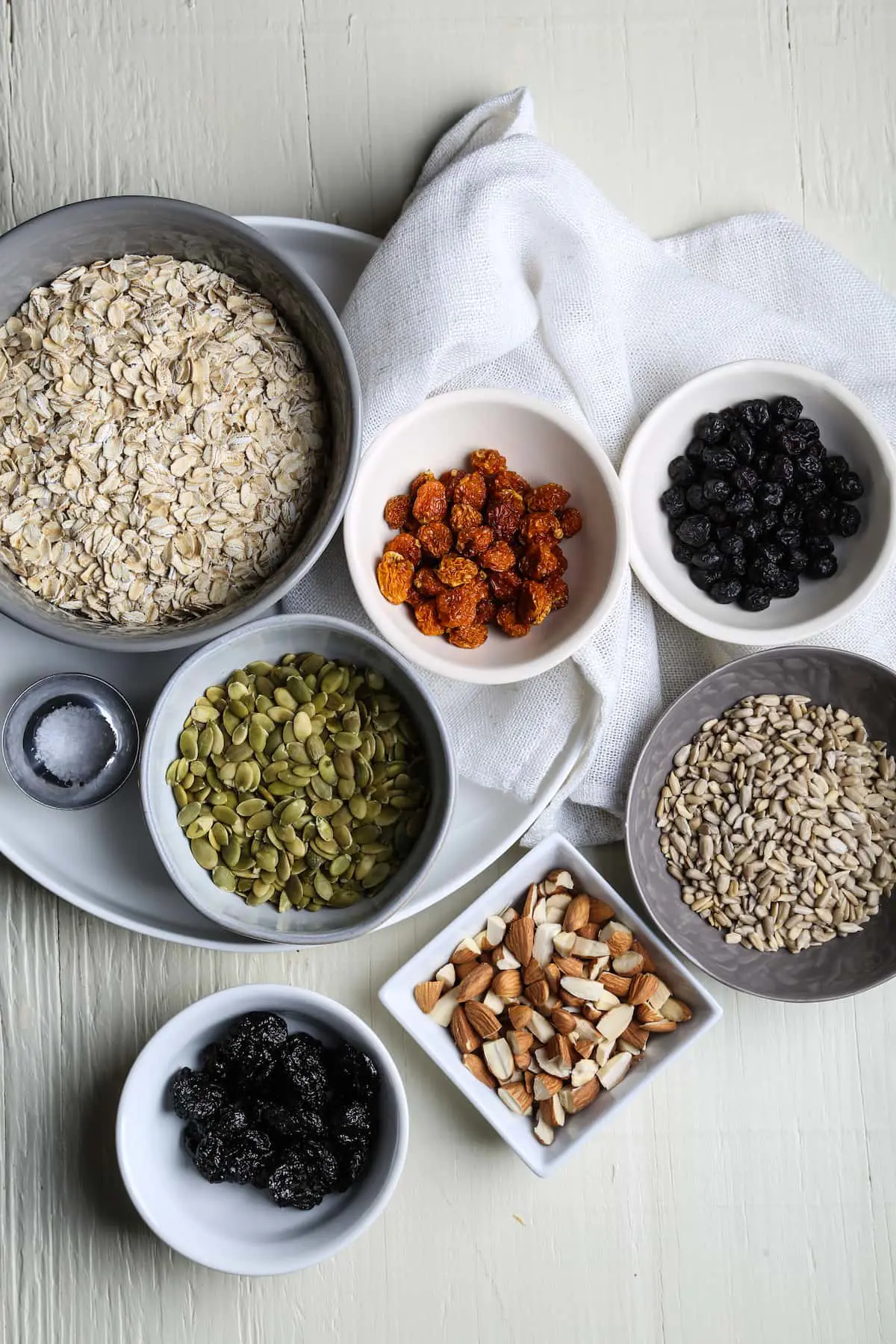
The beauty of muesli is its flexibility. While the base ingredients remain similar, you can modify them based on taste and availability.
1. Rolled Oats
Rolled oats form the base of most muesli recipes. They provide complex carbohydrates and fiber that help keep you full longer.
2. Nuts
Nuts add healthy fats and protein. Popular choices include:
- Almonds
- Cashews
- Walnuts
- Hazelnuts
Chopping the nuts into small pieces helps distribute them evenly.
3. Seeds
Seeds add nutrition and texture. Some good options include:
- Pumpkin seeds
- Sunflower seeds
- Flaxseeds
- Chia seeds
These ingredients provide important nutrients such as omega-3 fatty acids and fiber.
4. Dried Fruits
Dried fruits add natural sweetness and flavor. Common choices include:
- Raisins
- Dates
- Dried apricots
- Cranberries
Use them in moderation since they are naturally high in sugar.
5. Optional Additions
Depending on preference, you can also add:
- Coconut flakes
- Cinnamon
- Cocoa nibs
- Granola clusters
How to Make Muesli at Home (Step-by-Step)
Learning how to make muesli is simple and requires no cooking skills. Most of the work involves measuring and mixing ingredients.
Step 1: Choose the Base
Start with rolled oats as the main ingredient.
Example:
- 2 cups rolled oats
This will form the foundation of your muesli mix.
Step 2: Add Nuts
Add about half a cup of chopped nuts.
Example combination:
- ¼ cup almonds
- ¼ cup cashews
Nuts provide protein and healthy fats that support long-lasting energy.
Step 3: Include Seeds
Add 2–3 tablespoons of mixed seeds.
Example:
- 1 tablespoon flaxseeds
- 1 tablespoon pumpkin seeds
- 1 tablespoon sunflower seeds
These ingredients increase fiber and nutrient density.
Step 4: Mix in Dried Fruits
Add around ½ cup of dried fruits.
Example:
- Raisins
- Chopped dates
- Dried cranberries
You can adjust the quantity depending on how sweet you want your muesli.
Step 5: Add Flavor (Optional)
Some people like to add spices such as cinnamon or nutmeg for extra flavor.
A small pinch can make the mixture more aromatic.
Step 6: Mix Everything Together
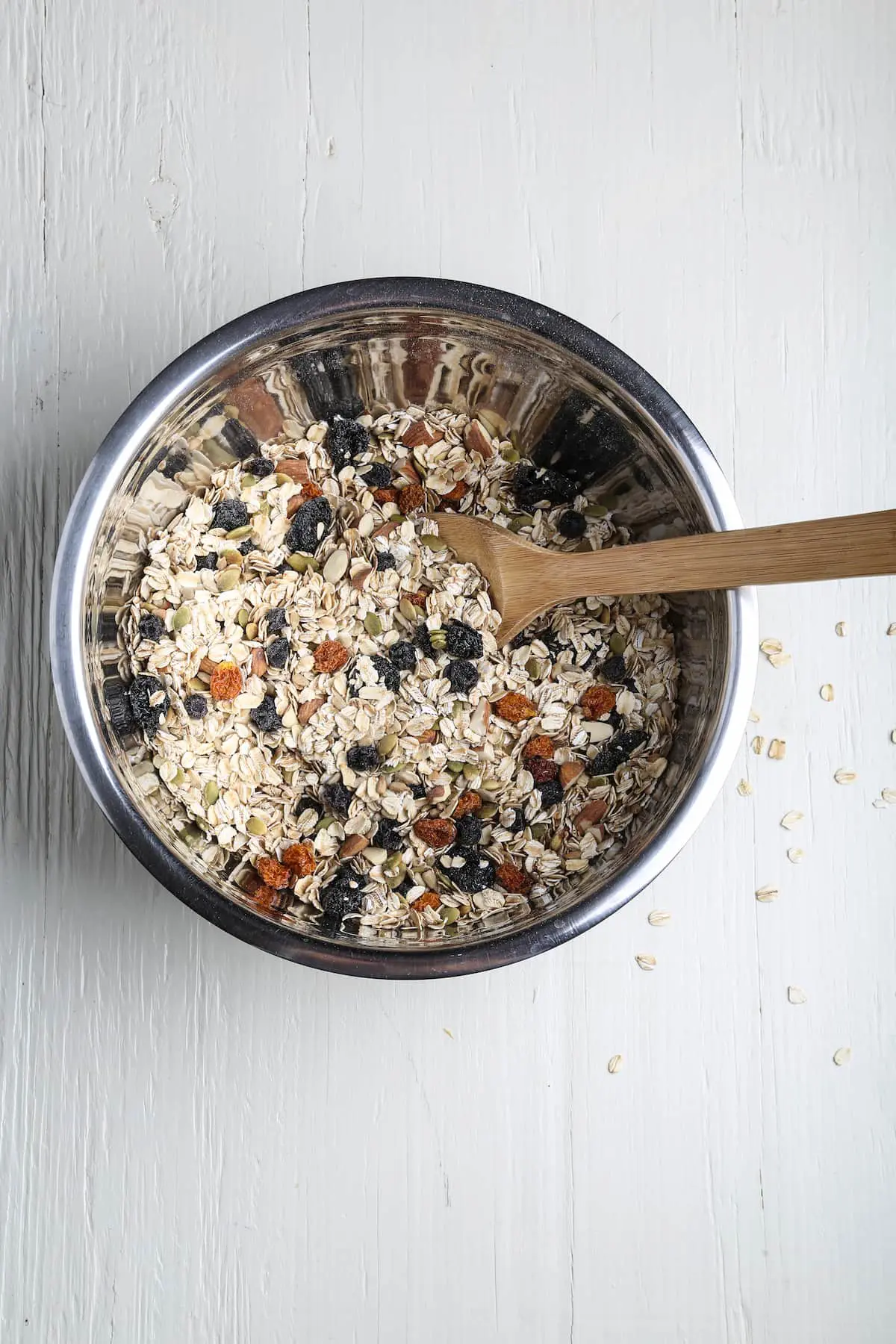
Combine all ingredients in a large bowl and mix well.
Your homemade muesli is now ready.
Step 7: Store Properly
Transfer the mixture to an airtight container and store it in a cool, dry place. It usually stays fresh for about 3–4 weeks.
How to Serve Homemade Muesli
Once you know how to make muesli, you can enjoy it in several ways.
With Milk
The most common way to eat muesli is with cold or warm milk.
With Yogurt
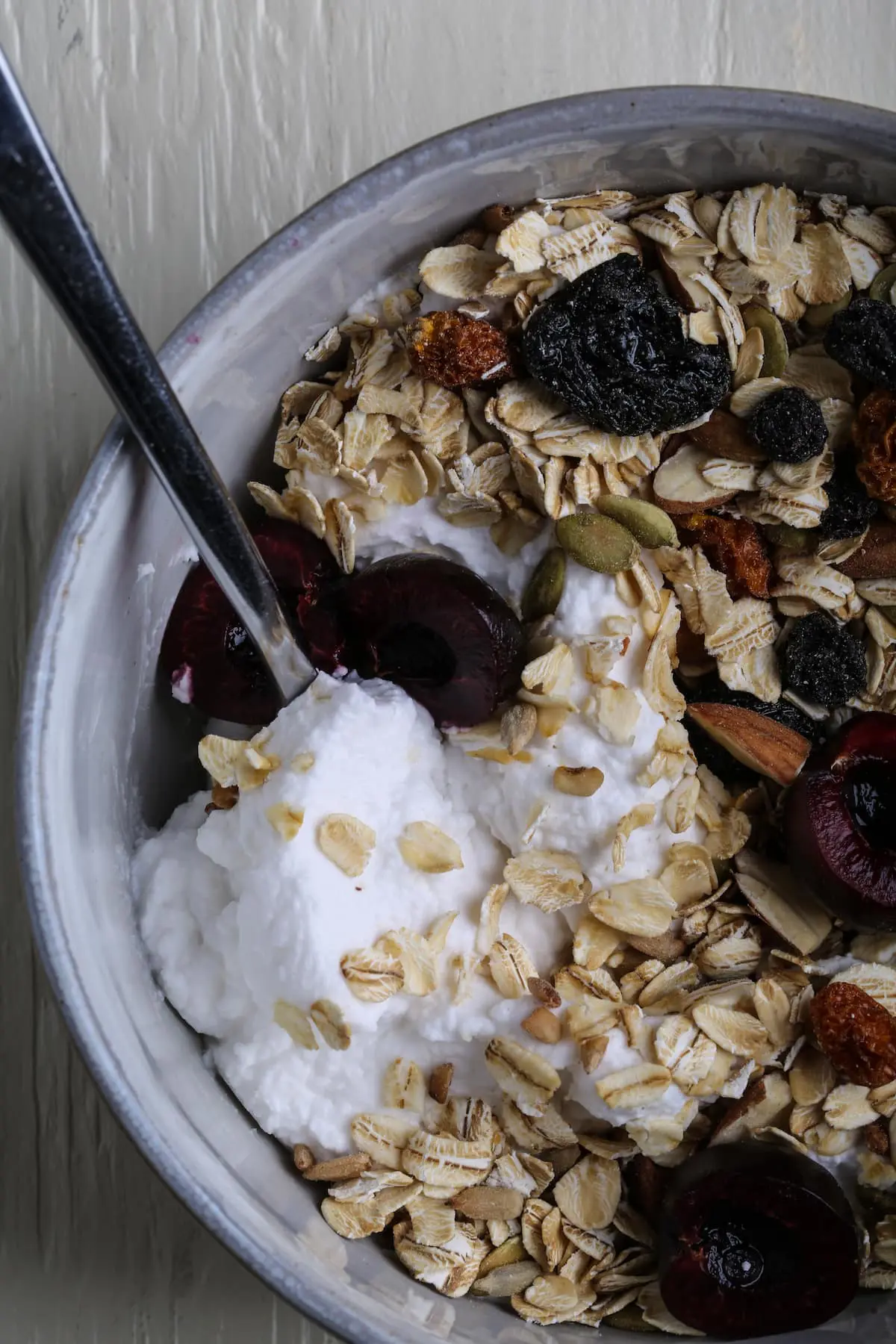
Mix muesli with yogurt for a creamy and protein-rich breakfast.
Overnight Muesli
Soak muesli in milk overnight in the refrigerator. By morning, the oats soften and absorb the flavors.
With Fresh Fruits
Add fresh fruits like bananas, apples, or berries for extra nutrition.
Health Benefits of Muesli
Homemade muesli is more than just a convenient breakfast. It offers several important health benefits.
1. Rich in Fiber
Oats and seeds provide dietary fiber that supports digestion and gut health. Fiber also helps regulate blood sugar levels and keeps you feeling full.
2. Supports Heart Health
Ingredients such as oats, nuts, and seeds contain healthy fats and nutrients that support cardiovascular health.
3. Provides Long-Lasting Energy
Because muesli contains complex carbohydrates and protein, it releases energy slowly. This helps maintain steady energy levels throughout the morning.
4. Helps with Weight Management
Fiber-rich foods can help reduce unnecessary snacking by keeping you satisfied for longer periods.
5. Nutrient-Dense
Homemade muesli contains vitamins, minerals, antioxidants, and healthy fats that contribute to overall wellness.
Tips for Making the Best Homemade Muesli
Even though learning how to make muesli is easy, a few tips can improve the final result.
Use High-Quality Ingredients
Fresh nuts and whole grains enhance both taste and nutritional value.
Balance the Flavors
Avoid adding too many sweet ingredients. A balanced mix of grains, nuts, and fruits works best.
Chop Larger Ingredients
Cut large nuts or dried fruits into smaller pieces for better texture.
Experiment With Different Combinations
You can change ingredients depending on season, taste, or nutritional goals.
Homemade Muesli vs Store-Bought Muesli
Many people assume all muesli products are equally healthy, but there can be significant differences.
Homemade Muesli
- Sugar Content: Controlled
- Freshness: Very fresh
- Customization: Fully customizable
- Cost: Often cheaper
Store-Bought Muesli
- Sugar Content: Sometimes high
- Freshness: May contain preservatives
- Customization: Limited options
- Cost: Usually more expensive
Making it yourself ensures you know exactly what you are eating.
Common Mistakes to Avoid
When learning how to make muesli, beginners sometimes make a few mistakes.
Adding Too Much Dried Fruit
Excess dried fruit can increase sugar levels.
Using Flavored Oats
Plain rolled oats are usually the best base.
Poor Storage
Always store muesli in airtight containers to maintain freshness.
Who Should Eat Muesli?
Muesli is suitable for many people, including:
- Students who need a quick and nutritious breakfast
- Busy professionals looking for convenient meals
- Fitness enthusiasts seeking balanced nutrition
- Families wanting healthier breakfast options
- Because it is adaptable, it can fit a wide range of dietary preferences.
Final Thoughts
Learning how to make muesli at home is one of the simplest ways to improve your daily diet. The process requires minimal effort, but the nutritional benefits can be significant. By combining whole grains, nuts, seeds, and fruits, you create a balanced meal that supports energy, digestion, and overall well-being.
Homemade muesli is not only healthier than many commercial cereals, but it also gives you complete control over ingredients and flavor. Whether you enjoy it with milk, yogurt, or fresh fruits, it can easily become a reliable and nourishing part of your morning routine.
With just a few basic ingredients and a few minutes of preparation, you can create a wholesome breakfast that is both delicious and beneficial for your health. Once you start making it at home, you may find that it quickly becomes one of your favorite everyday meals.
Recent posts
Recipe

Recipe
How to Make Shrimp Scampi: A Flavorful and Easy Seafood Classic
Shrimp scampi is a timeless dish that combines tender shrimp with a rich, garlicky butter sauce, often served over pasta or with crusty bread. Known for its simplicity and bold flavor, this dish is perfect for both quick weeknight dinners and elegant...

Recipe
How to Cook Butter Beans | Easy & Flavorful Recipe
Butter beans are a comforting, nutritious staple known for their creamy texture and mild, buttery flavor. Whether you’re preparing a hearty side dish or a plant-based main course, learning how to cook butter beans properly can elevate your meal...
Recipe
How to Make Kimchi at Home
Kimchi, the iconic Korean fermented dish, is celebrated for its spicy, tangy, and umami-rich flavor. It is not just a side dish but a cultural staple, packed with vitamins, probiotics, and health benefits. Making kimchi at home may seem intimidating,...
Recipe
How to Cook Cabbage: Easy, Delicious, and Healthy Recipes
Cabbage is a versatile, nutritious, and affordable vegetable loved in kitchens worldwide. Whether you enjoy it as a side dish, in soups, or as a main ingredient in salads, learning how to cook cabbage properly can elevate its taste and preserve its n...

Recipe
Easy Homemade Pasta Sauce Recipe
Nothing beats the taste and aroma of a fresh, homemade pasta sauce. While store-bought jars are convenient, making your own sauce lets you control the ingredients, flavor, and consistency. Homemade pasta sauce is not only healthier - free from preser...

Recipe
Homemade Hamburger Helper Recipe: A Creamy One-Pan Comfort Meal
If you’re looking for a quick, hearty, and family-friendly dinner, a homemade hamburger helper recipe is the perfect solution. This classic comfort dish combines ground beef, pasta, creamy sauce, and savory seasonings into one satisfying skille...