

How to Reheat Rice Properly: 4 Easy Methods for Fluffy Rice

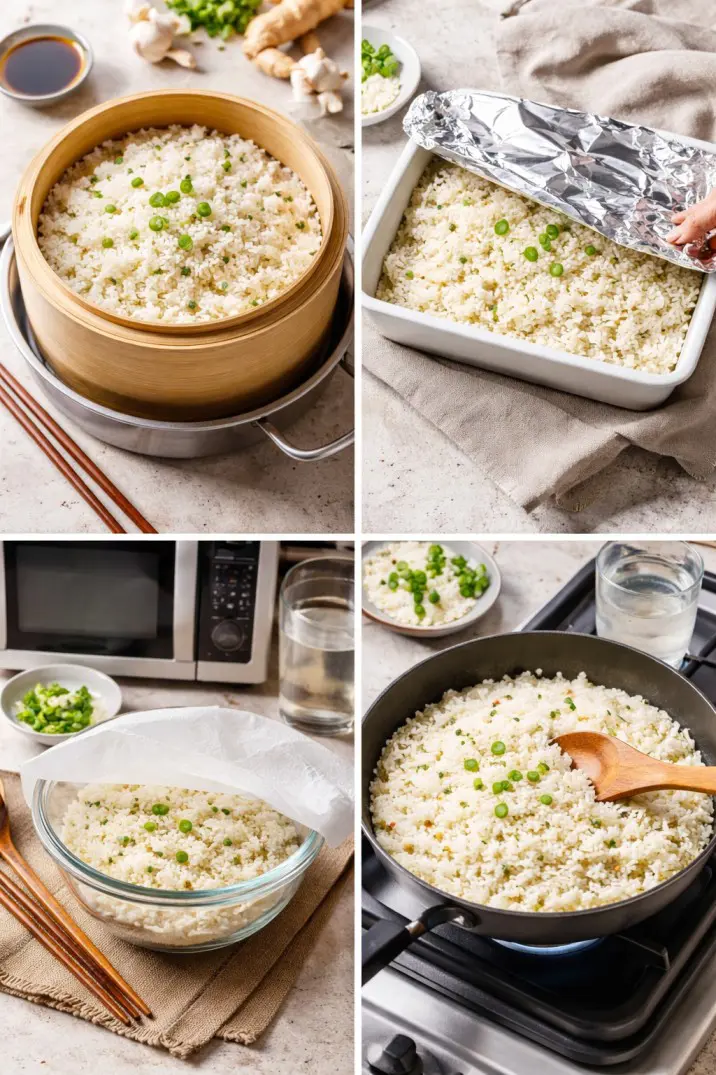
Rice is one of the most common foods around the world, and it often ends up as leftovers after a meal. While leftover rice can be just as delicious as freshly cooked rice, reheating it the wrong way can make it dry, hard, or even unsafe to eat. Knowing the right techniques can help restore its soft texture and fresh flavor.
In this guide, you’ll learn how to reheat rice using several simple methods that keep it moist, fluffy, and safe to enjoy again.
Why Properly Reheating Rice Matters
Reheating rice is not just about warming it up. Rice tends to lose moisture once it cools down, which can make it dry and clumpy when reheated. If it is not stored or reheated properly, it can also develop harmful bacteria.
Proper reheating techniques help to:
-
Restore moisture and softness
-
Prevent dry or crunchy grains
-
Maintain the flavor and texture
-
Ensure the rice is heated safely
The key to reheating rice successfully is adding moisture and heating it evenly.
The Best Way to Store Rice Before Reheating
Before you even think about reheating rice, proper storage is essential. Rice that sits at room temperature for too long can spoil quickly.
Follow these storage tips:
-
Let rice cool slightly after cooking
-
Store it in an airtight container
-
Place it in the refrigerator within 1–2 hours
-
Use leftover rice within 3–4 days
Properly stored rice reheats much better and is safer to eat.
Reheat Rice in the Microwave
The microwave is one of the fastest and easiest ways to reheat rice. However, without moisture, it can quickly become dry.
Steps to Reheat Rice in the Microwave
-
Place the rice in a microwave-safe bowl.
-
Add 1–2 tablespoons of water for each cup of rice.
-
Cover the bowl with a microwave-safe lid or damp paper towel.
-
Heat for 1–2 minutes.
-
Stir the rice halfway through to distribute heat evenly.
-
Fluff with a fork before serving.
The steam created by the added water helps bring the rice back to life, making it soft and fluffy again.
Reheat Rice on the Stove
Reheating rice on the stovetop works especially well for larger portions. This method gives you more control over the heat and moisture.
Stovetop Method
-
Add the rice to a saucepan or skillet.
-
Add 2–3 tablespoons of water or broth.
-
Cover the pan with a lid.
-
Heat on low to medium heat.
-
Stir occasionally to prevent sticking.
-
Heat for about 5 minutes until fully warmed.
This method gently steams the rice and keeps it from drying out.
Reheat Rice in the Oven
If you are reheating a large amount of rice, the oven is a great option. It allows the rice to warm evenly without constant stirring.
Oven Reheating Steps
-
Preheat the oven to 300°F (150°C).
-
Spread the rice evenly in an oven-safe dish.
-
Sprinkle a few tablespoons of water over the rice.
-
Cover the dish tightly with foil.
-
Heat for 15–20 minutes.
The foil traps steam and keeps the rice moist while it reheats.
Reheat Rice Using Steam
Steaming is one of the best ways to restore rice’s original texture. It works especially well for rice that has become dry or clumpy.
Steaming Method
-
Bring water to a simmer in a pot.
-
Place the rice in a heat-safe bowl or steamer basket.
-
Set the bowl above the simmering water.
-
Cover with a lid.
-
Steam for 5–10 minutes.
This method gently hydrates the rice and produces soft, fluffy grains.
Tips to Keep Reheated Rice Soft and Fluffy
Small details can make a big difference when reheating rice. These tips will help you get the best results every time.
Add moisture: Rice needs water or broth to rehydrate during reheating.
Cover the rice: Trapping steam prevents it from drying out.
Break up clumps: Use a fork or spoon before heating to separate grains.
Heat evenly: Stir halfway through reheating when possible.
Avoid overheating: Too much heat can make rice tough and chewy.
These simple adjustments help bring leftover rice closer to its freshly cooked texture.
Creative Ways to Use Leftover Rice
Sometimes reheating plain rice isn’t the only option. Leftover rice can also become the base for new meals.
Here are a few ideas:
-
Fried rice: Toss it with vegetables, eggs, and soy sauce.
-
Rice bowls: Add grilled chicken, tofu, or roasted vegetables.
-
Rice soup: Stir it into broth for a quick comforting dish.
-
Rice salads: Mix with herbs, vegetables, and dressing.
-
Rice pudding: Turn leftovers into a sweet dessert.
Using rice creatively helps reduce food waste and adds variety to your meals.
Common Mistakes When Reheating Rice
Many people struggle with reheated rice because of a few common mistakes.
Not adding water: This is the main reason rice becomes dry.
Heating uncovered rice: Without steam, rice quickly hardens.
Using high heat: High heat can overcook the grains.
Reheating multiple times: Rice should ideally be reheated only once.
Avoiding these mistakes can dramatically improve the texture and taste of leftover rice.
Final Thoughts
Reheating rice doesn’t have to be difficult. With the right techniques, leftover rice can be just as soft, fluffy, and flavorful as when it was first cooked. Whether you use a microwave, stovetop, oven, or steamer, the key is adding moisture and heating the rice gently.
By storing rice properly and reheating it carefully, you can reduce food waste and enjoy convenient meals throughout the week. Once you master these simple methods, leftover rice will never feel boring again - it will simply become the start of another delicious dish.
Recent posts
Recipe

Recipe
How to Make Shrimp Scampi: A Flavorful and Easy Seafood Classic
Shrimp scampi is a timeless dish that combines tender shrimp with a rich, garlicky butter sauce, often served over pasta or with crusty bread. Known for its simplicity and bold flavor, this dish is perfect for both quick weeknight dinners and elegant...
Recipe
How to Cook Butter Beans | Easy & Flavorful Recipe
Butter beans are a comforting, nutritious staple known for their creamy texture and mild, buttery flavor. Whether you’re preparing a hearty side dish or a plant-based main course, learning how to cook butter beans properly can elevate your meal...
Recipe
How to Make Kimchi at Home
Kimchi, the iconic Korean fermented dish, is celebrated for its spicy, tangy, and umami-rich flavor. It is not just a side dish but a cultural staple, packed with vitamins, probiotics, and health benefits. Making kimchi at home may seem intimidating,...
Recipe
How to Cook Cabbage: Easy, Delicious, and Healthy Recipes
Cabbage is a versatile, nutritious, and affordable vegetable loved in kitchens worldwide. Whether you enjoy it as a side dish, in soups, or as a main ingredient in salads, learning how to cook cabbage properly can elevate its taste and preserve its n...
Recipe
Easy Homemade Pasta Sauce Recipe
Nothing beats the taste and aroma of a fresh, homemade pasta sauce. While store-bought jars are convenient, making your own sauce lets you control the ingredients, flavor, and consistency. Homemade pasta sauce is not only healthier - free from preser...

Recipe
Homemade Hamburger Helper Recipe: A Creamy One-Pan Comfort Meal
If you’re looking for a quick, hearty, and family-friendly dinner, a homemade hamburger helper recipe is the perfect solution. This classic comfort dish combines ground beef, pasta, creamy sauce, and savory seasonings into one satisfying skille...