

How to Make Basmati Rice Perfectly Fluffy Every Time

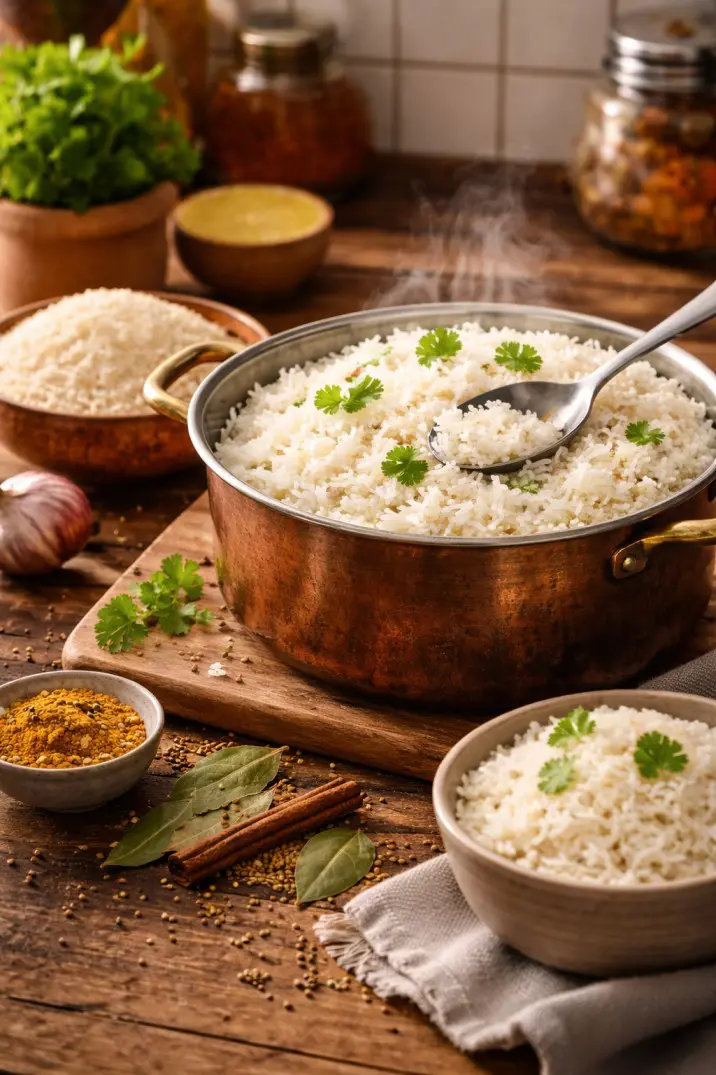
Basmati rice is known for its long, slender grains, delicate aroma, and light, fluffy texture. Popular in South Asian and Middle Eastern cuisines, it pairs beautifully with curries, grilled meats, vegetables, and lentil dishes.
Originally cultivated in the foothills of the Himalayas, basmati rice has become a staple in kitchens around the world.
If you’ve ever ended up with rice that’s sticky, mushy, or clumpy, don’t worry - learning how to make basmati rice properly is simple once you understand the basics. This guide walks you through everything you need to know, from preparation to cooking methods and expert tips.
Ingredients You’ll Need
To make perfect basmati rice, you only need a few simple ingredients:
-
1 cup basmati rice
-
1½ to 2 cups water (depending on method)
-
½ teaspoon salt (optional)
-
1 teaspoon oil or butter (optional)
The correct water-to-rice ratio is crucial. For stovetop cooking, 1½ cups of water per cup of rice typically works best.
Step-by-Step Method (Stovetop)
1. Measure and Rinse
Place 1 cup of basmati rice in a bowl and rinse it under cold water. Gently swirl the rice and drain. Repeat 3–4 times until the water runs mostly clear.
Why rinse?
Rinsing removes excess surface starch, preventing the rice from becoming sticky.
2. Soak the Rice
Soak the rinsed rice in fresh water for 20–30 minutes. This step helps:
-
Lengthen the grains
-
Improve texture
-
Reduce cooking time
After soaking, drain the rice completely.
3. Boil the Water
In a medium saucepan, bring 1½ cups of water to a boil. Add salt and oil if using.
4. Add the Rice
Once the water is boiling, add the drained rice and stir gently once. Avoid excessive stirring.
5. Cover and Simmer
Reduce the heat to low and cover the pot with a tight-fitting lid. Let it simmer for 12–15 minutes without lifting the lid.
6. Rest and Fluff
Turn off the heat and let the rice sit covered for 5 minutes. Then fluff gently with a fork to separate the grains.
Your basmati rice should now be light, fluffy, and aromatic.
Alternative Cooking Methods
1. Absorption Method (No Soaking)
If you’re short on time, skip soaking and use 1¾ cups water per cup of rice. Cook for 15–18 minutes on low heat.
2. Boiling and Draining Method
This method is similar to cooking pasta:
-
Boil a large pot of salted water
-
Add rinsed rice
-
Cook uncovered for 8–10 minutes
-
Drain thoroughly
-
Steam covered for 5 minutes
This technique ensures separate grains and works well for dishes like biryani.
3. Rice Cooker Method
Using a rice cooker is one of the easiest ways to make basmati rice.
-
Use 1½ cups water per cup of rinsed rice
-
Close the lid and press start
-
Let it rest for 5–10 minutes after cooking
The result is consistently fluffy rice with minimal effort.
Tips for Perfect Basmati Rice
Use the Right Pot
A heavy-bottomed pot distributes heat evenly and prevents burning.
Keep the Lid Closed
Opening the lid releases steam and can affect texture.
Don’t Over-Stir
Too much stirring breaks the grains and makes the rice sticky.
Let It Rest
Allowing the rice to steam after cooking helps firm up the grains.
Adjust for Altitude
At higher altitudes, you may need slightly more water and cooking time.
What Makes Basmati Rice Special?
Basmati rice stands out because of:
-
Extra-long grains that expand lengthwise when cooked
-
Distinct aroma often described as nutty or floral
-
Light, fluffy texture when prepared correctly
Unlike short-grain rice, basmati contains less starch, which helps prevent excessive stickiness. However, proper rinsing and soaking are key to achieving that signature fluffy texture.
How to Store and Reheat Basmati Rice
If you have leftovers:
-
Cool the rice quickly
-
Store in an airtight container in the refrigerator for up to 3–4 days
To reheat:
-
Sprinkle 1–2 tablespoons of water over the rice
-
Cover and microwave for 1–2 minutes
-
Fluff before serving
Proper storage prevents dryness and maintains texture.
Flavor Variations
Plain basmati rice is delicious, but you can easily enhance its flavor:
-
Add a bay leaf or cardamom pods while cooking
-
Use broth instead of water
-
Stir in fresh herbs like cilantro
-
Mix in sautéed onions or garlic
These small additions transform simple rice into a flavorful side dish.
Serving Suggestions
Basmati rice pairs wonderfully with:
-
Curries and stews
-
Grilled chicken or lamb
-
Stir-fried vegetables
-
Lentil dishes
-
Spiced chickpeas
Its light texture balances rich and bold flavors, making it a versatile base for many meals.
Common Mistakes to Avoid
Even experienced cooks make small errors. Here’s what to watch out for:
Using Too Much Water
This leads to mushy rice.
Skipping the Rinse
Unrinsed rice often turns sticky.
Cooking on High Heat
Rapid boiling can cause uneven cooking.
Removing the Lid Too Early
Steam is essential for perfectly cooked rice.
Final Thoughts
Recent posts
Recipe

Recipe
How to Make Shrimp Scampi: A Flavorful and Easy Seafood Classic
Shrimp scampi is a timeless dish that combines tender shrimp with a rich, garlicky butter sauce, often served over pasta or with crusty bread. Known for its simplicity and bold flavor, this dish is perfect for both quick weeknight dinners and elegant...
Recipe
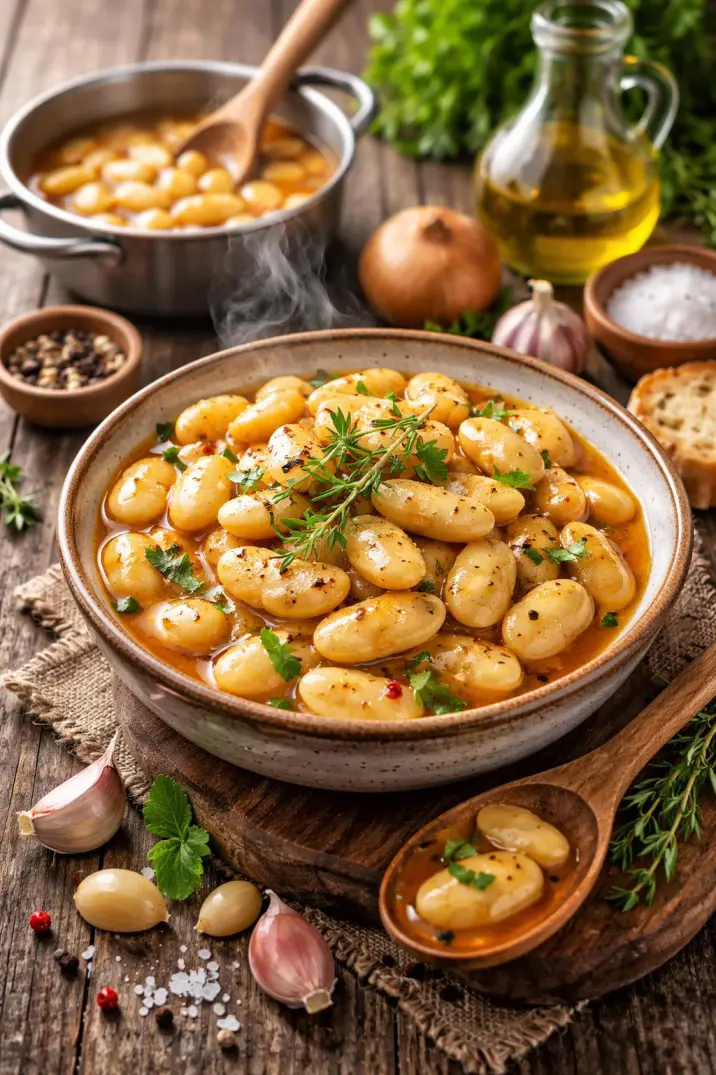
How to Cook Butter Beans | Easy & Flavorful Recipe
Butter beans are a comforting, nutritious staple known for their creamy texture and mild, buttery flavor. Whether you’re preparing a hearty side dish or a plant-based main course, learning how to cook butter beans properly can elevate your meal...
Recipe
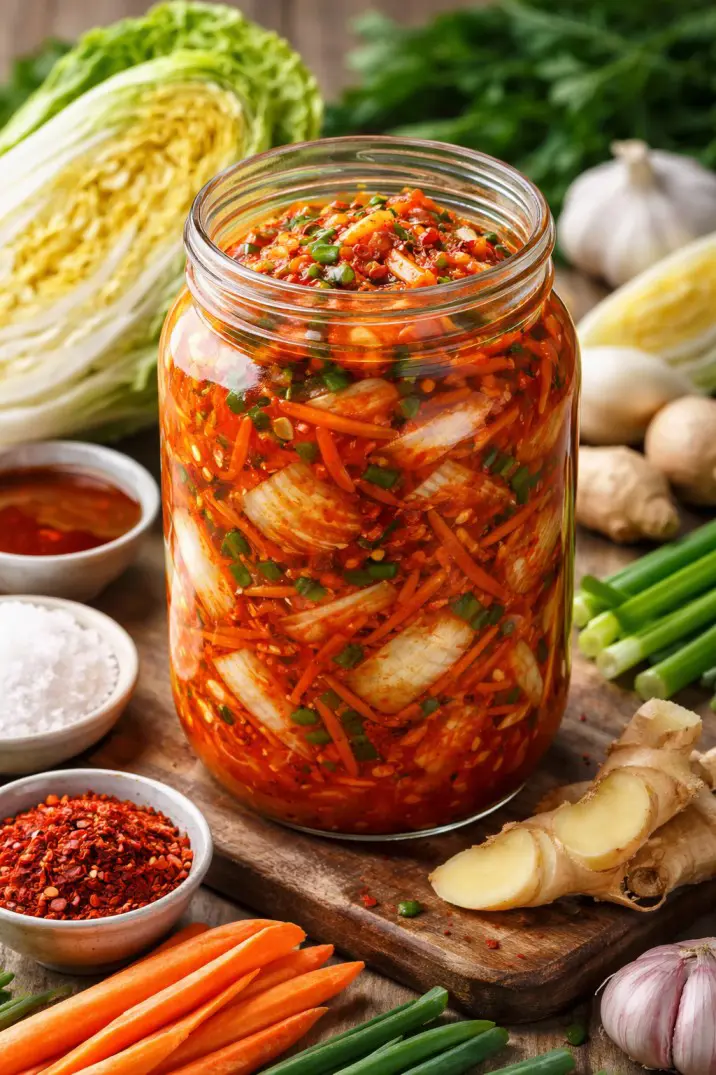
How to Make Kimchi at Home
Kimchi, the iconic Korean fermented dish, is celebrated for its spicy, tangy, and umami-rich flavor. It is not just a side dish but a cultural staple, packed with vitamins, probiotics, and health benefits. Making kimchi at home may seem intimidating,...
Recipe
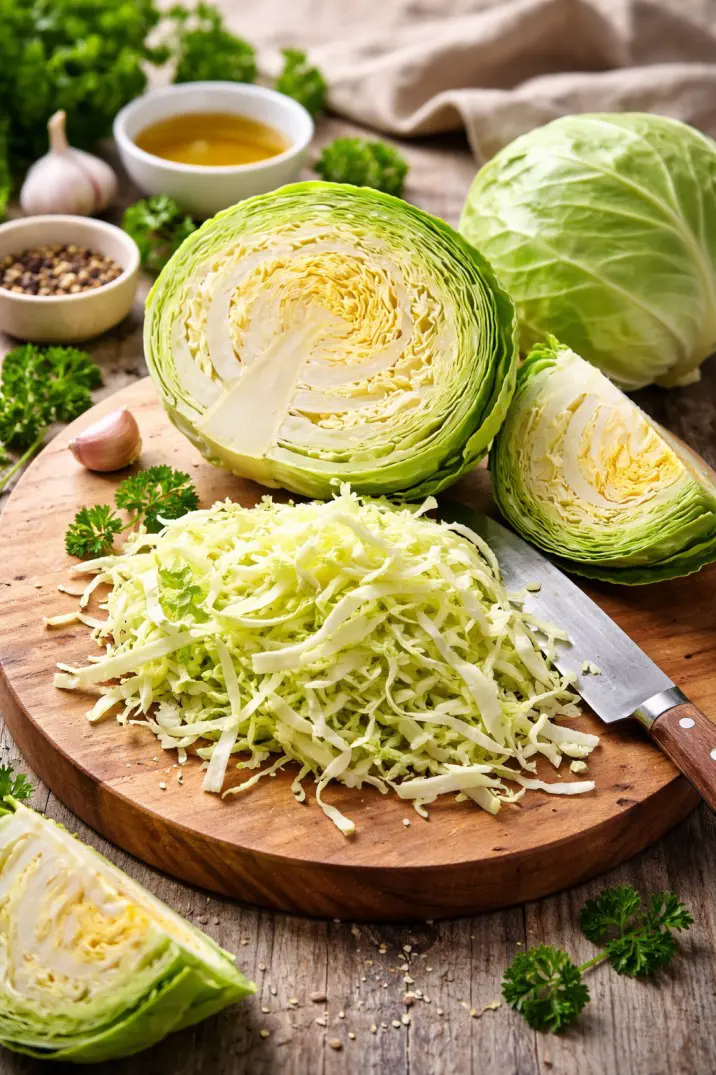
How to Cook Cabbage: Easy, Delicious, and Healthy Recipes
Cabbage is a versatile, nutritious, and affordable vegetable loved in kitchens worldwide. Whether you enjoy it as a side dish, in soups, or as a main ingredient in salads, learning how to cook cabbage properly can elevate its taste and preserve its n...
Recipe
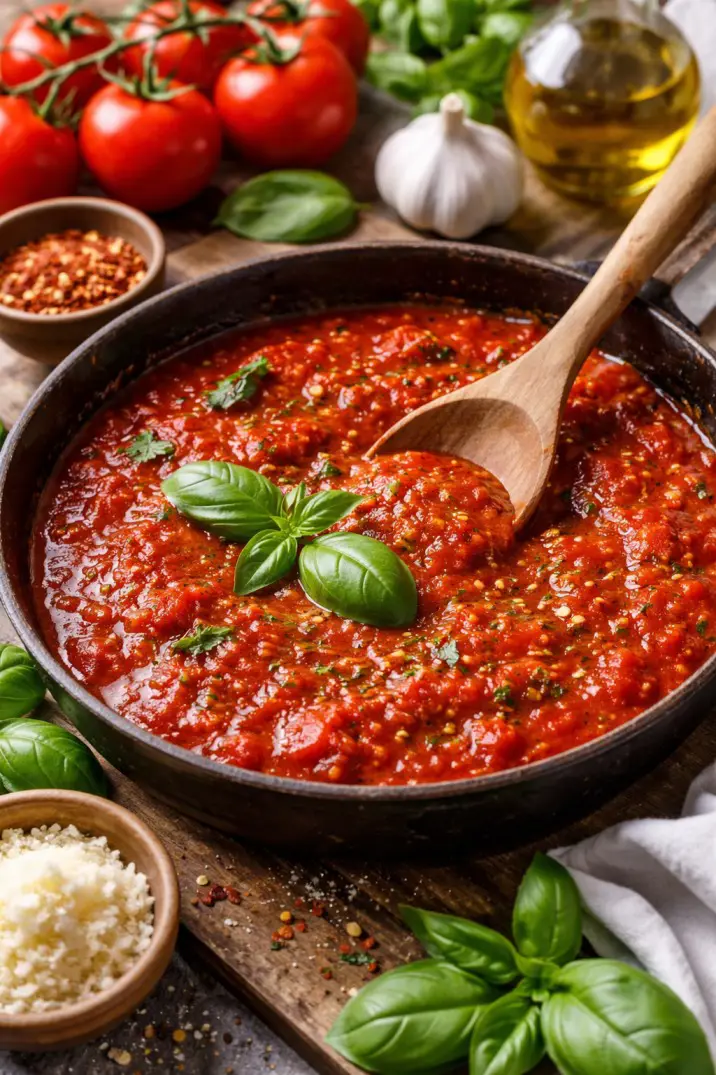
Easy Homemade Pasta Sauce Recipe
Nothing beats the taste and aroma of a fresh, homemade pasta sauce. While store-bought jars are convenient, making your own sauce lets you control the ingredients, flavor, and consistency. Homemade pasta sauce is not only healthier - free from preser...

Recipe
Homemade Hamburger Helper Recipe: A Creamy One-Pan Comfort Meal
If you’re looking for a quick, hearty, and family-friendly dinner, a homemade hamburger helper recipe is the perfect solution. This classic comfort dish combines ground beef, pasta, creamy sauce, and savory seasonings into one satisfying skille...