

How to Make Sticky Rice (Perfectly Soft and Chewy Every Time)

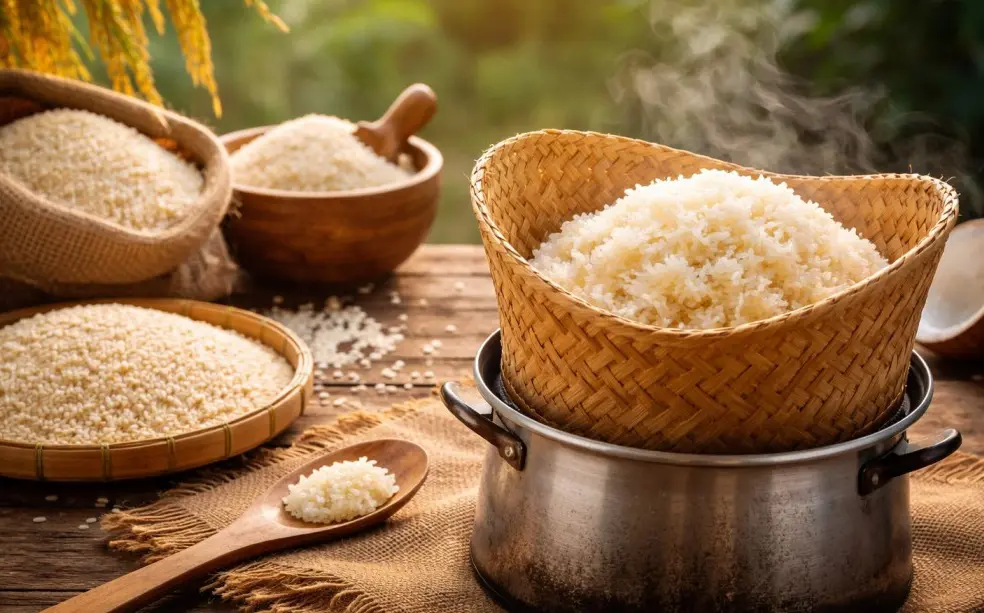
If you’ve ever enjoyed sticky rice at a Thai or Asian restaurant and wondered how to recreate that soft, chewy texture at home, you’re in the right place. Learning how to make sticky rice is simple once you understand the right type of rice and cooking method.
Unlike regular white rice, sticky rice requires soaking and steaming rather than boiling. When prepared correctly, it becomes tender, slightly sweet, and perfectly clumped together & ideal for both savory dishes and desserts.
This guide will walk you through everything you need to know, from choosing the right rice to steaming it properly and serving it with your favorite meals.
Choosing the Right Rice
The most important step in making sticky rice is selecting the correct variety. You must use glutinous rice (also labeled as sweet rice or sticky rice). Regular long-grain rice, jasmine rice, or basmati rice will not give you the same chewy texture.
Look for packages labeled:
-
Thai glutinous rice
-
Sweet rice
-
Sticky rice
Avoid substituting with regular rice, as it won’t become properly sticky even if you steam it.
Ingredients You’ll Need
The ingredient list is refreshingly simple:
-
2 cups glutinous (sticky) rice
-
Water (for soaking and steaming)
Optional (for sweet version):
-
Coconut milk
-
Sugar
-
Salt
Step by Step Instructions
Step 1: Rinse the Rice
Place the sticky rice in a large bowl. Rinse it under cold water, gently swirling with your hands. Drain and repeat this process 3–4 times until the water runs mostly clear. This removes excess surface starch and ensures even cooking.
Step 2: Soak the Rice (Very Important!)
Soaking is the key to achieving the perfect texture. Cover the rinsed rice with several inches of water and let it soak for at least 4–6 hours. For best results, soak overnight.
Why soak? Sticky rice must absorb water before steaming. Skipping this step can result in hard or unevenly cooked grains.
After soaking, drain the rice thoroughly using a fine mesh strainer.
Step 3: Steam the Sticky Rice
Unlike regular rice, sticky rice is steamed rather than boiled.
Traditional Bamboo Basket Method
If you have a bamboo steamer basket:
-
Fill a pot or wok with water and bring it to a simmer.
-
Line the bamboo basket with cheesecloth or a thin cotton cloth.
-
Spread the soaked rice evenly inside.
-
Place the basket over the simmering water (not touching the water).
-
Cover and steam for about 20–25 minutes.
Halfway through steaming, flip the rice gently to ensure even cooking.
Alternative Steaming Method (No Bamboo Basket)
If you don’t have a bamboo steamer:
-
Use a regular steamer insert or metal colander.
-
Line it with cheesecloth.
-
Add the soaked rice and steam for 20–25 minutes.
The rice is done when it turns translucent and soft but still slightly chewy.
How to Tell When Sticky Rice Is Done
Properly cooked sticky rice should:
-
Be tender but chewy
-
Appear slightly translucent
-
Stick together easily when pressed
If it feels hard in the center, steam for an additional 5 minutes.
Common Mistakes to Avoid
Making sticky rice is easy, but a few common mistakes can affect the outcome:
1. Skipping the soaking step
This is the most common error. Without soaking, the rice won’t cook evenly.
2. Boiling instead of steaming
Boiling will make the rice mushy instead of chewy.
3. Using the wrong rice type
Regular rice won’t create the sticky texture you’re aiming for.
4. Too much water during steaming
Ensure the rice does not sit in water while steaming.
How to Make Sweet Sticky Rice (For Desserts)
Sticky rice is often used in desserts like mango sticky rice. To make a sweet version:
-
Heat 1 cup coconut milk with 2–3 tablespoons sugar and a pinch of salt.
-
Once the rice is fully steamed, transfer it to a bowl.
-
Pour the warm coconut mixture over the rice.
-
Cover and let it sit for 15–20 minutes to absorb the flavors.
Serve with sliced mango or fresh fruit for a delicious treat.
Savory Serving Ideas
Sticky rice pairs beautifully with many savory dishes. You can serve it with:
-
Grilled chicken or pork
-
Spicy dipping sauces
-
Thai curries
-
Stir-fried vegetables
-
Crispy fried fish
Its chewy texture makes it perfect for scooping up flavorful sauces.
Storage and Reheating Tips
Sticky rice is best enjoyed fresh, but you can store leftovers in an airtight container in the refrigerator for up to 3 days.
To reheat:
-
Sprinkle a little water over the rice.
-
Steam for 5–10 minutes until warm.
Avoid microwaving without moisture, as it can dry out the rice.
Can You Make Sticky Rice in a Rice Cooker?
While traditional steaming is recommended, some rice cookers have a “sweet rice” or “sticky rice” setting. However, results may vary. If using a rice cooker:
-
Soak the rice first.
-
Drain thoroughly.
-
Use slightly less water than regular rice.
The texture may not be as authentic as the steaming method, but it can work in a pinch.
Conclusion
Now that you know how to make sticky rice, you can confidently prepare this versatile dish at home. The key steps are simple: choose glutinous rice, soak it properly, and steam it until perfectly tender and chewy. Whether you’re making a savory meal or a sweet dessert, sticky rice adds a satisfying texture and authentic flavor to your table.
With a little patience and the right technique, you’ll achieve restaurant-quality sticky rice every time.
Recent posts
Recipe

Recipe
How to Make Shrimp Scampi: A Flavorful and Easy Seafood Classic
Shrimp scampi is a timeless dish that combines tender shrimp with a rich, garlicky butter sauce, often served over pasta or with crusty bread. Known for its simplicity and bold flavor, this dish is perfect for both quick weeknight dinners and elegant...
Recipe
How to Cook Butter Beans | Easy & Flavorful Recipe
Butter beans are a comforting, nutritious staple known for their creamy texture and mild, buttery flavor. Whether you’re preparing a hearty side dish or a plant-based main course, learning how to cook butter beans properly can elevate your meal...
Recipe
How to Make Kimchi at Home
Kimchi, the iconic Korean fermented dish, is celebrated for its spicy, tangy, and umami-rich flavor. It is not just a side dish but a cultural staple, packed with vitamins, probiotics, and health benefits. Making kimchi at home may seem intimidating,...
Recipe
How to Cook Cabbage: Easy, Delicious, and Healthy Recipes
Cabbage is a versatile, nutritious, and affordable vegetable loved in kitchens worldwide. Whether you enjoy it as a side dish, in soups, or as a main ingredient in salads, learning how to cook cabbage properly can elevate its taste and preserve its n...
Recipe
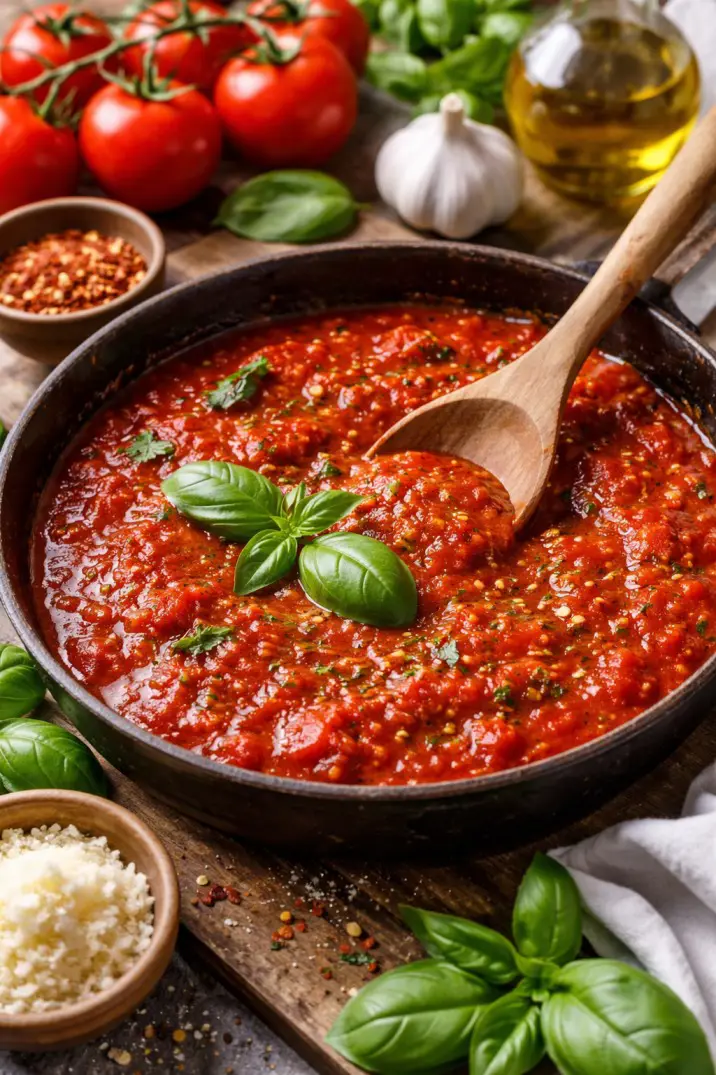
Easy Homemade Pasta Sauce Recipe
Nothing beats the taste and aroma of a fresh, homemade pasta sauce. While store-bought jars are convenient, making your own sauce lets you control the ingredients, flavor, and consistency. Homemade pasta sauce is not only healthier - free from preser...

Recipe
Homemade Hamburger Helper Recipe: A Creamy One-Pan Comfort Meal
If you’re looking for a quick, hearty, and family-friendly dinner, a homemade hamburger helper recipe is the perfect solution. This classic comfort dish combines ground beef, pasta, creamy sauce, and savory seasonings into one satisfying skille...