

How To Make Sushi Rice At Home

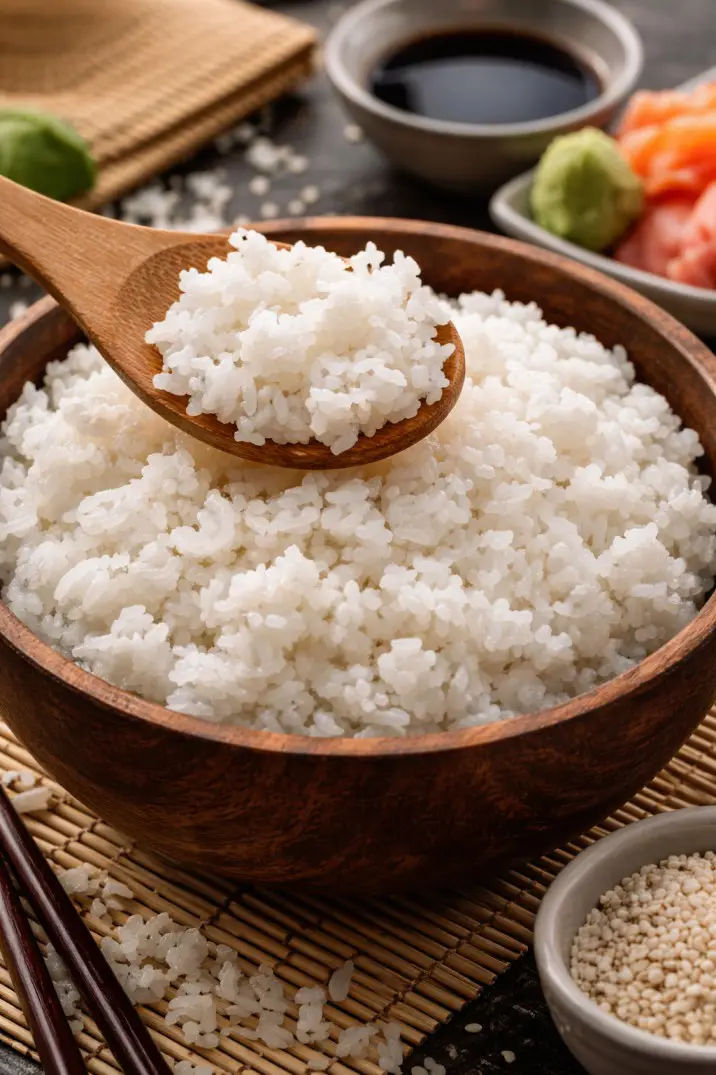
If you want to make delicious homemade sushi, mastering sushi rice is the most important step. The rice is the heart of sushi as it provides flavor, texture, and structure.
Whether you’re preparing classic rolls, nigiri, or poke bowls, properly seasoned and cooked sushi rice makes all the difference.
Unlike regular steamed rice, sushi rice is lightly seasoned with a blend of rice vinegar, sugar, and salt. The result is a slightly sweet, tangy, and perfectly sticky texture that holds together without becoming mushy. In this guide, you’ll learn exactly how to make sushi rice the traditional way, along with helpful tips to ensure perfect results every time.
Ingredients You’ll Need
To make authentic sushi rice, you only need a few simple ingredients:
For the Rice:
-
2 cups short-grain Japanese rice
-
2½ cups water
For the Sushi Vinegar Seasoning:
-
¼ cup rice vinegar
-
2 tablespoons sugar
-
1 teaspoon salt
Optional: A small piece of kombu (dried seaweed) for extra umami flavor.
Step-by-Step Method to Make Sushi Rice
1. Rinse the Rice Properly
Place the rice in a bowl and rinse it under cold water. Gently swirl the rice with your hand and drain the cloudy water. Repeat this process 4–5 times until the water runs mostly clear.
Rinsing removes excess starch and prevents the rice from becoming overly sticky or gummy.
2. Soak the Rice
After rinsing, let the rice soak in the measured water for about 20–30 minutes. This step helps the grains absorb moisture evenly and improves texture.
3. Cook the Rice
You can cook sushi rice using a rice cooker or stovetop.
Rice Cooker Method:
Add the soaked rice and water to the rice cooker and cook according to the white rice setting.
Stovetop Method:
Bring the rice and water to a boil over medium heat. Once boiling, reduce the heat to low, cover with a tight-fitting lid, and simmer for 15–18 minutes. Avoid lifting the lid during cooking.
Once done, let the rice sit covered for another 10 minutes to steam.
4. Prepare the Sushi Vinegar
While the rice is cooking, combine rice vinegar, sugar, and salt in a small saucepan. Warm gently over low heat just until the sugar dissolves. Do not boil.
Let the mixture cool to room temperature before using.
5. Season the Rice
Transfer the hot rice to a wide bowl (traditionally a wooden bowl called a hangiri). Pour the vinegar mixture evenly over the rice.
Using a rice paddle or wooden spoon:
-
Gently fold and slice through the rice.
-
Avoid stirring aggressively, which can mash the grains.
-
Use a fanning motion (or fan the rice) while mixing to help it cool quickly and develop a glossy finish.
Continue folding until the seasoning is evenly distributed and the rice is slightly cooled.
Tips for Perfect Sushi Rice
Use the Right Rice
Always use Japanese short-grain rice. Medium or long-grain rice will not give you the proper sticky consistency.
Measure Accurately
Too much water can make the rice mushy. Too little water makes it dry. Follow the recommended ratio carefully.
Don’t Overmix
Be gentle when folding in the vinegar. Overmixing can break the grains and ruin the texture.
Keep It Covered
Once prepared, keep the sushi rice covered with a damp cloth to prevent it from drying out.
Common Mistakes to Avoid
-
Skipping the rinse step – This leads to overly sticky rice.
-
Using regular vinegar – Always use rice vinegar for authentic flavor.
-
Adding vinegar while rice is cold – Season while the rice is still hot.
-
Refrigerating sushi rice – It becomes hard and loses its texture.
How to Store Sushi Rice
Sushi rice is best used the same day it’s made. If necessary:
-
Keep it at room temperature for up to 6 hours.
-
Cover with a damp towel to maintain moisture.
-
Avoid refrigeration, as it hardens the rice.
If you must store leftovers, wrap tightly and gently reheat with a damp paper towel in the microwave.
Variations and Flavor Enhancements
While traditional sushi rice is simple, you can slightly adjust the flavor:
-
Add a small strip of kombu while cooking for extra umami.
-
Increase sugar slightly for sweeter rice.
-
Add a teaspoon of mirin for subtle depth.
Remember, balance is key. The seasoning should complement the fish and fillings - not overpower them.
Best Ways to Use Sushi Rice
Once your rice is ready, you can make:
-
California rolls
-
Spicy tuna rolls
-
Vegetable sushi
-
Salmon nigiri
-
Sushi bowls
Wet your hands lightly with water before handling the rice to prevent sticking.
Final Thoughts
Learning how to make sushi rice properly is the foundation of great homemade sushi. With the right type of rice, proper rinsing, accurate measurements, and gentle seasoning, you can achieve restaurant-quality results in your own kitchen.
It may take a little practice to perfect the texture and flavor balance, but once you master it, you’ll be able to create endless sushi variations with confidence. Follow this guide step by step, and you’ll have perfectly seasoned, glossy, and sticky sushi rice every time.
Recent posts
Recipe

Recipe
How to Make Shrimp Scampi: A Flavorful and Easy Seafood Classic
Shrimp scampi is a timeless dish that combines tender shrimp with a rich, garlicky butter sauce, often served over pasta or with crusty bread. Known for its simplicity and bold flavor, this dish is perfect for both quick weeknight dinners and elegant...
Recipe
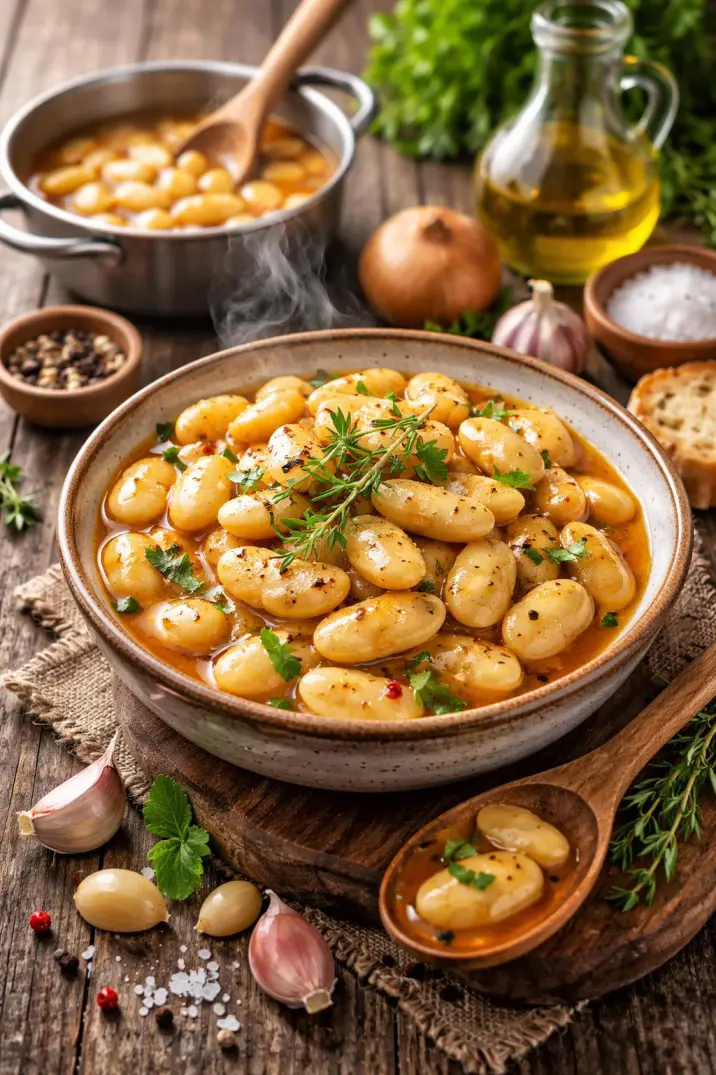
How to Cook Butter Beans | Easy & Flavorful Recipe
Butter beans are a comforting, nutritious staple known for their creamy texture and mild, buttery flavor. Whether you’re preparing a hearty side dish or a plant-based main course, learning how to cook butter beans properly can elevate your meal...
Recipe
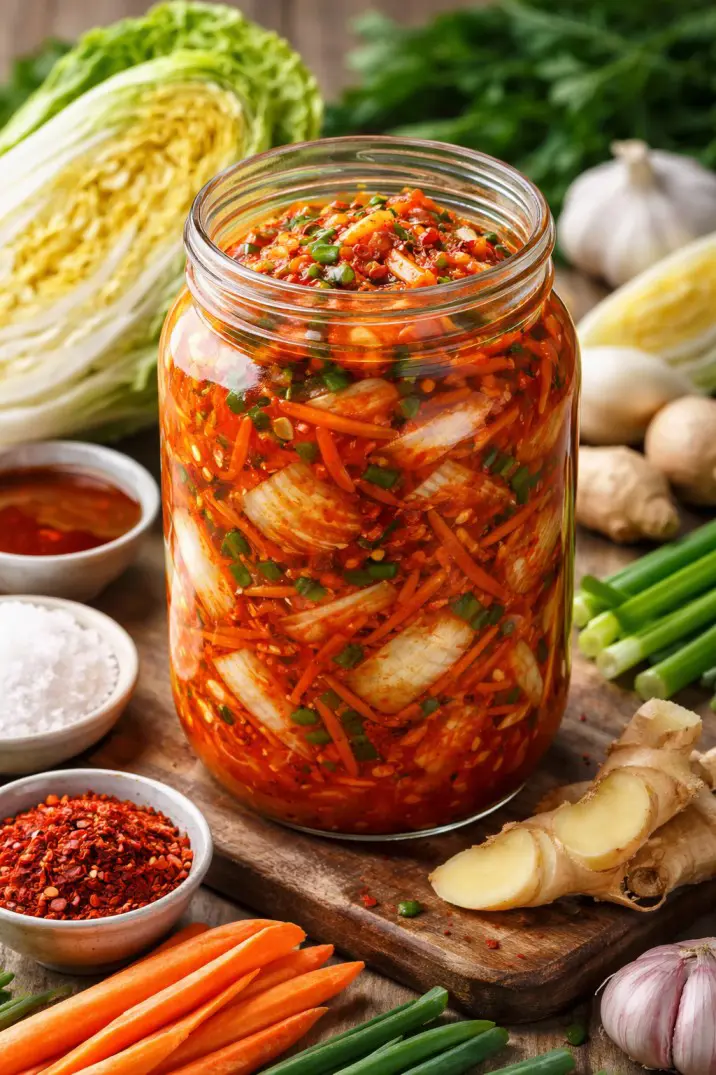
How to Make Kimchi at Home
Kimchi, the iconic Korean fermented dish, is celebrated for its spicy, tangy, and umami-rich flavor. It is not just a side dish but a cultural staple, packed with vitamins, probiotics, and health benefits. Making kimchi at home may seem intimidating,...
Recipe
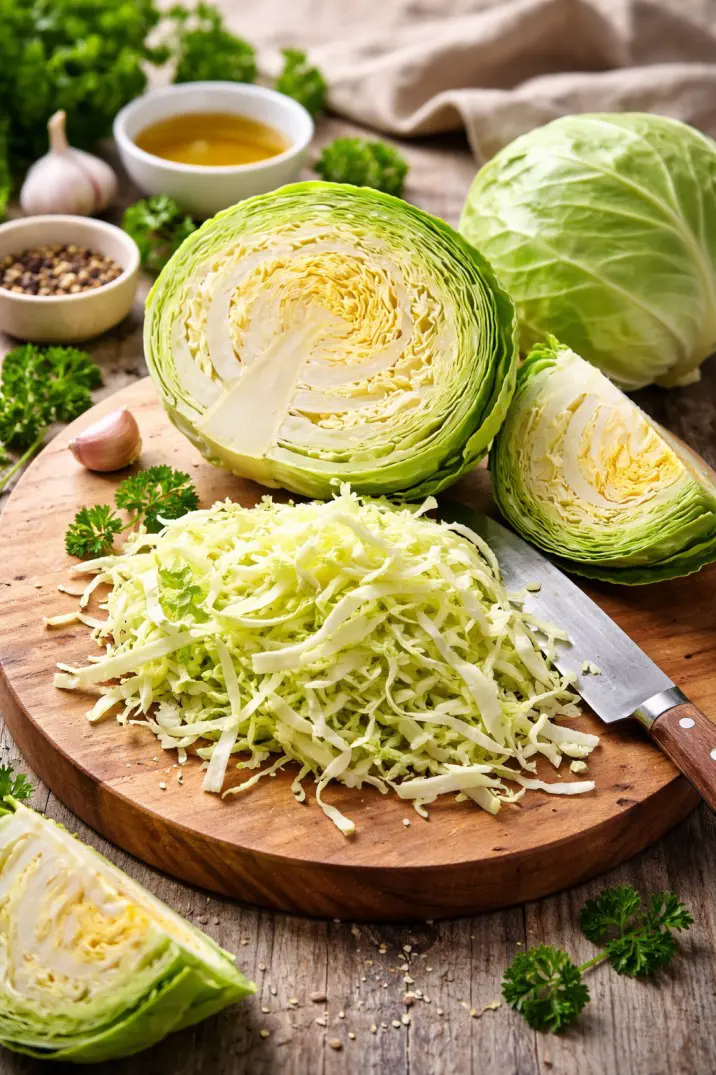
How to Cook Cabbage: Easy, Delicious, and Healthy Recipes
Cabbage is a versatile, nutritious, and affordable vegetable loved in kitchens worldwide. Whether you enjoy it as a side dish, in soups, or as a main ingredient in salads, learning how to cook cabbage properly can elevate its taste and preserve its n...
Recipe
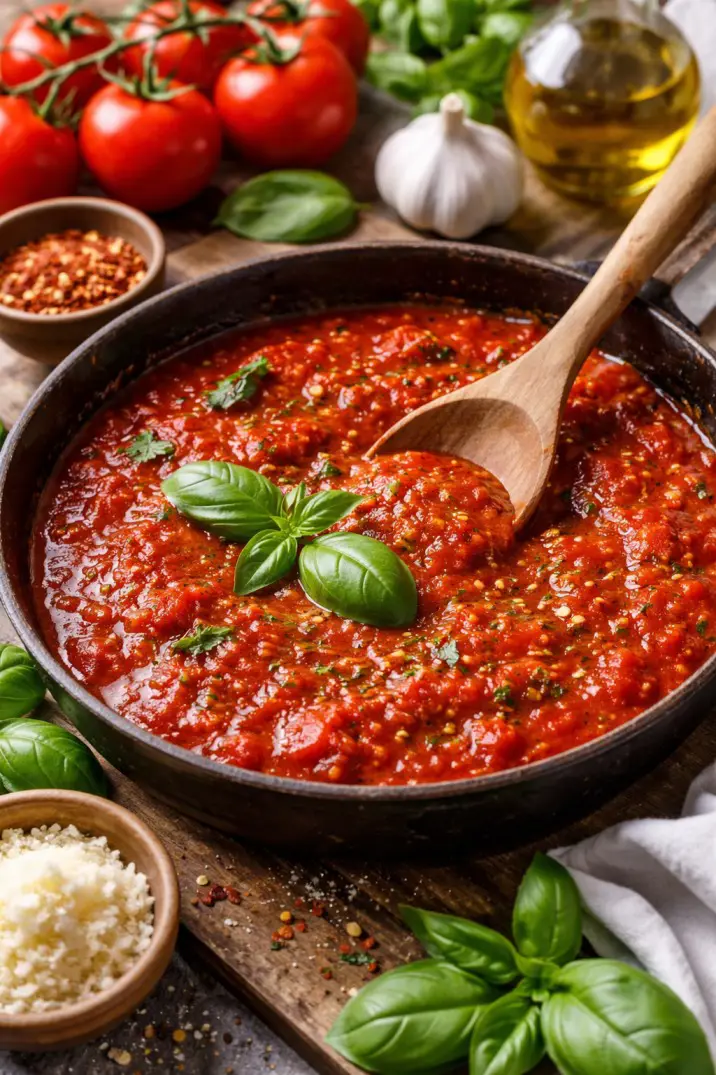
Easy Homemade Pasta Sauce Recipe
Nothing beats the taste and aroma of a fresh, homemade pasta sauce. While store-bought jars are convenient, making your own sauce lets you control the ingredients, flavor, and consistency. Homemade pasta sauce is not only healthier - free from preser...

Recipe
Homemade Hamburger Helper Recipe: A Creamy One-Pan Comfort Meal
If you’re looking for a quick, hearty, and family-friendly dinner, a homemade hamburger helper recipe is the perfect solution. This classic comfort dish combines ground beef, pasta, creamy sauce, and savory seasonings into one satisfying skille...